





French Bronze Frame
A french bronze frame brings warmth and ornate detail to a desk or wall, uniting metalwork and portraiture from the nineteenth and early twentieth centuries.
French Bronze Frame
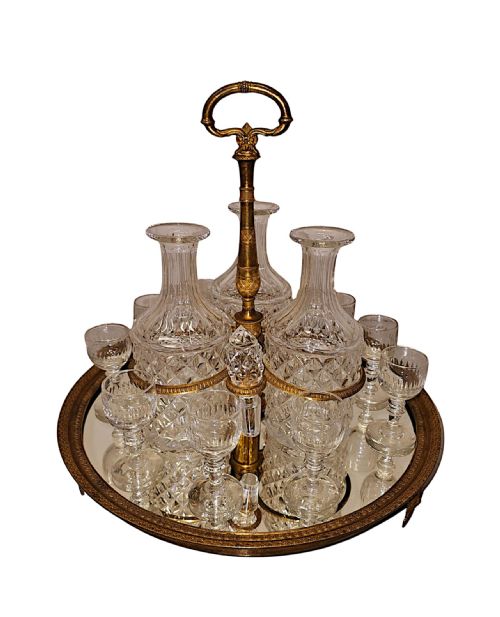
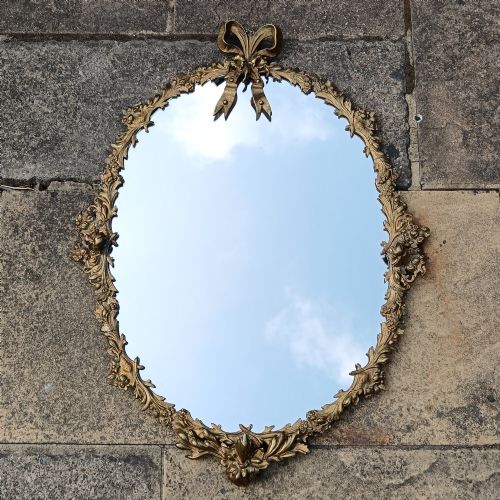
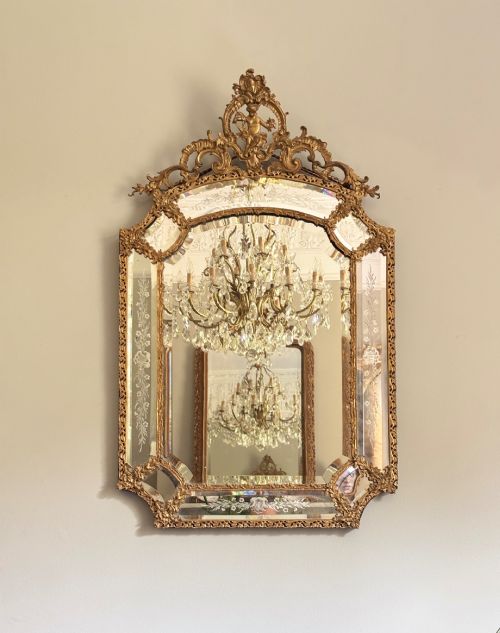
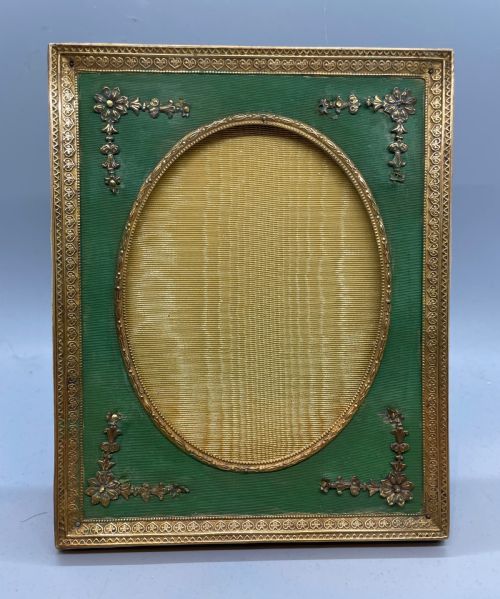
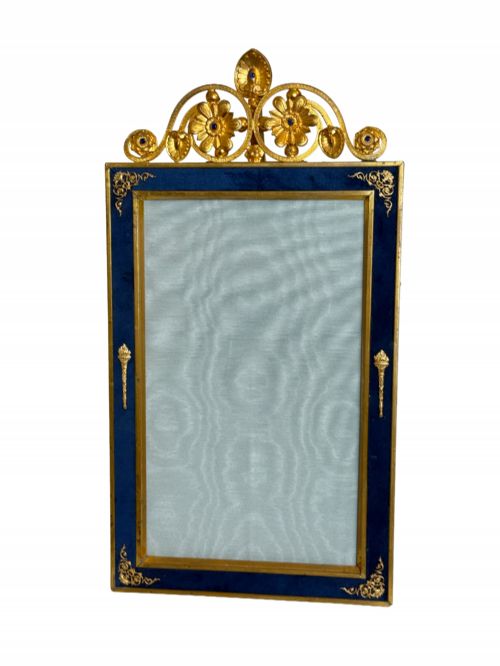
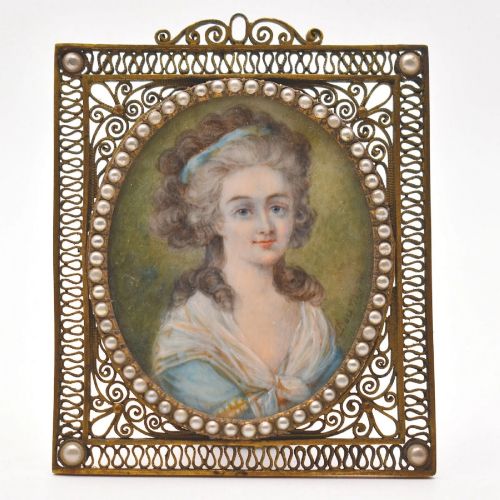
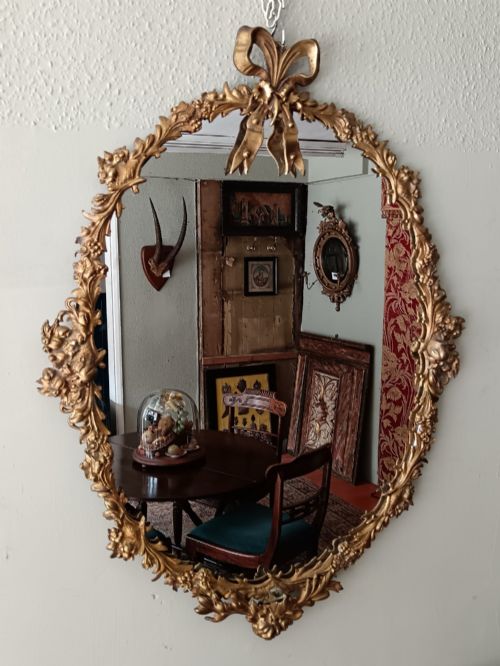
When searching for a french bronze frame, buyers encounter decorative enclosures designed for photographs, miniature paintings, and mirrors. These pieces span the nineteenth century into the early twentieth century, drawing on revival styles including Louis XV, Louis XVI, and Rococo.
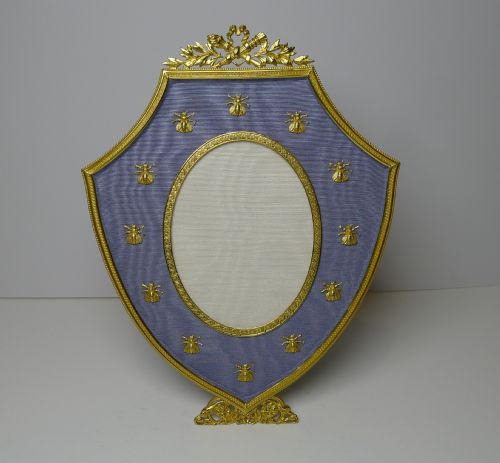
The objects on this page range from small standing photograph holders with easel backs to large wall-hanging mirrors and plaques. Elaborate cast details such as cherubs, Napoleonic bees, and champleve enamel frequently accent the metalwork.
Many survivors originate from French workshops working in gilt bronze, ormolu, and brass. They serve both functional display purposes and act as sculptural ornaments for interiors.
Judging Quality
The standard of a casting dictates its definition, separating crisp, hand-chased relief work from softer, mass-produced results. Skilled metalworkers refined details by hand after casting, sharpening feathers, hair, and foliate scrolls.
The integrity of the surface layer and the retention of original gilding significantly influence the character of the piece. Subsidiary elements such as bevelled glass panels, intact enamel work, and original wood backing boards contribute to overall completeness.
Listings feature items spanning the eighteenth, nineteenth, and twentieth centuries, using materials like gilt bronze, ormolu, glass, and champleve enamel.
Boin Taburet·F. Bienvue
The French Bronze Frame Glossary
- Ormolu
- A technique of applying finely ground gold-mercury amalgam to a bronze object, creating a durable golden surface finish. This finish is characteristic of many luxury decorative items from the eighteenth and nineteenth centuries.
- Champleve
- An enamelling technique where troughs or cells are hollowed out of the metal surface and filled with vitreous paste before firing. The coloured glass paste creates vibrant geometric or pictorial patterns alongside the bronze.
- Paste Stone
- Faceted glass used as an affordable substitute for gemstones in decorative mounts and jewellery. These stones are often foil-backed to increase sparkle within the metal setting.
- Portrait Miniature
- A small, highly detailed painting on ivory, vellum, or card, frequently housed within a portable metal frame. These intimate works often depict family members or historical figures.
- Cartouche
- An oval or oblong sculptural frame ornamentation resembling a rolled-up scroll, often used as a central motif. It frequently bears crests, monograms, or inscriptions.
French Bronze Frame: Frequently Asked Questions
How do I identify a period French frame?
Examine the construction of the easel back, the hinge mechanism, and the backing materials. Nineteenth-century pieces typically feature heavy cast bronze components and hand-cut screws rather than modern fixings.
Style indicators also help determine age, as Louis XVI and Empire revivals employ distinct symmetry, neoclassical motifs, or asymmetric Rococo curves depending on the decade of manufacture.
Were these frames meant for desks or walls?
Many smaller examples were constructed with folding easel struts to stand securely on a writing desk, mantelpiece, or dressing table. Larger formats incorporate sturdy hanging loops or rings designed for wall display.
Some versatile models feature two-way hanging options or built-in stands that allow for both horizontal and vertical positioning.
What is the difference between ormolu and gilt bronze?
Ormolu strictly refers to pieces finished with historic mercury gilding, yielding a deep, satin-like golden lustre. Gilt bronze is a broader term that encompasses various methods of applying gold colour to a bronze substrate, including modern electroplating.
Both materials require similar gentle cleaning to preserve the metallic layer over the underlying bronze alloy.
How should I clean and care for my frame?
Dust the metal gently with a soft, dry brush to prevent accumulation in recessed relief areas. Avoid chemical polishes and abrasive cloths, which can strip thin gilt layers or damage delicate enamel and glass inserts.
Keep pieces away from direct moisture and strong sunlight to protect internal silk linings and paper components.