

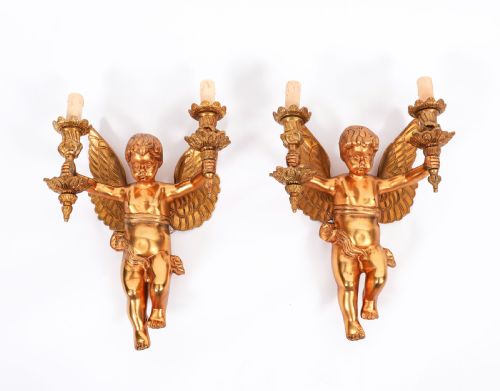


Gilded Bronze Cherub
When you search for a gilded bronze cherub, you are looking at figural decorative metalwork that brings classical winged figures into nineteenth-century interiors.
Gilded Bronze Cherub
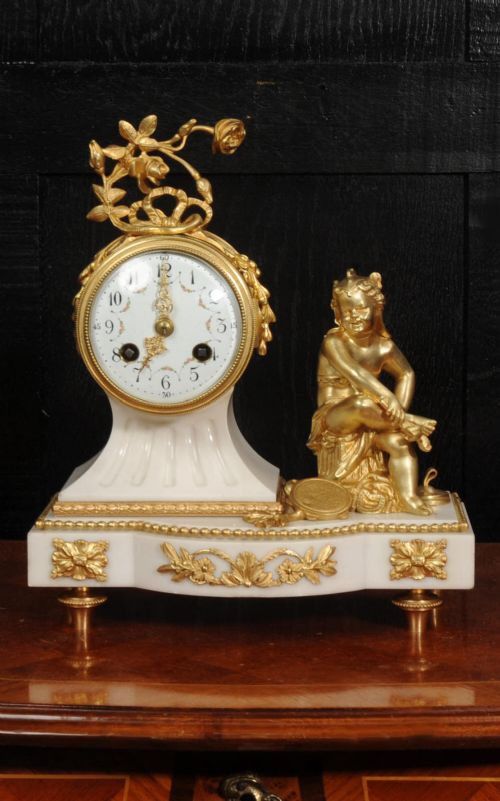
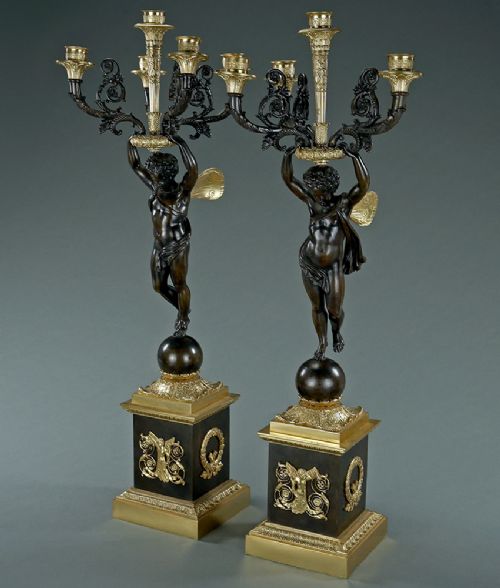
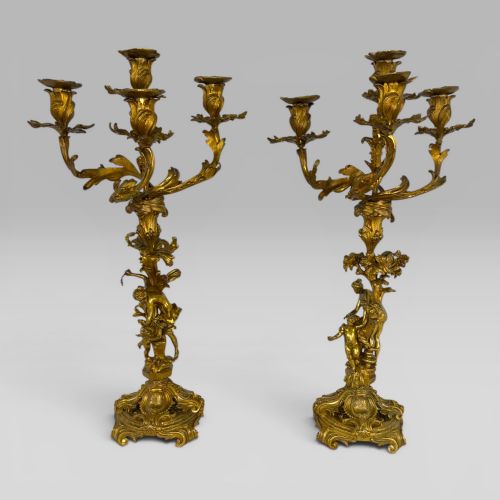
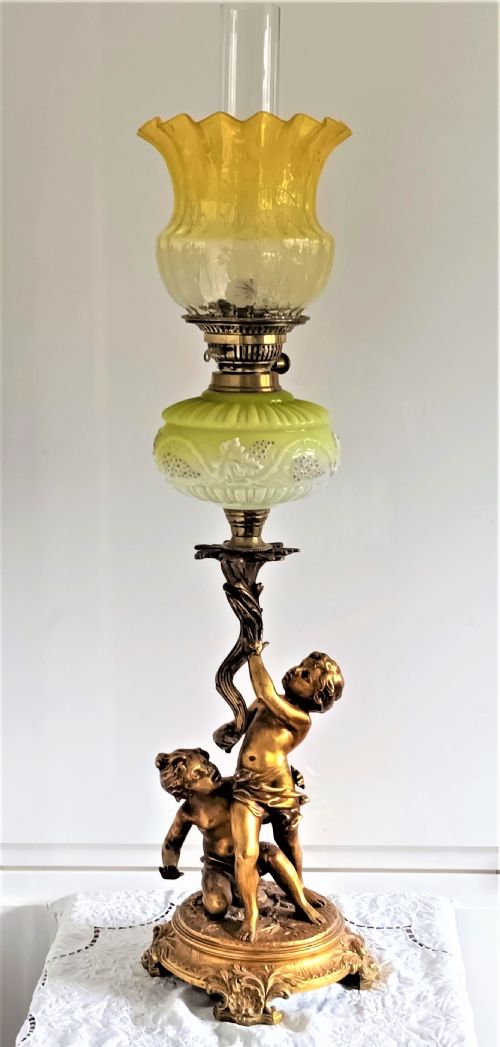
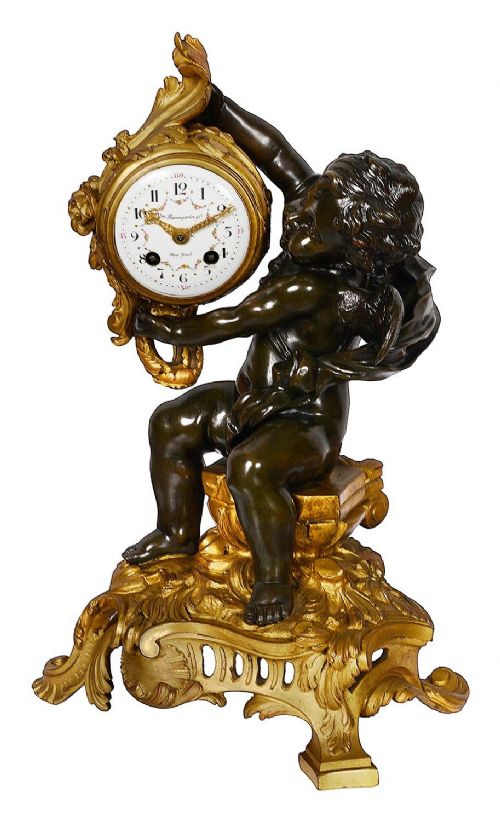
A gilded bronze cherub typically appears as part of a larger functional object such as a mantel clock, a pair of candelabra, a table lamp, or a picture frame. These pieces span the nineteenth century, with strong representation from the Victorian era and the 1880s.
The decorative schemes draw heavily on French design movements, including Rococo Revival, Louis XVI style, and Empire periods. Origin points are predominantly French and Italian, alongside occasional English interpretations of the form.
Materials and Construction Methods
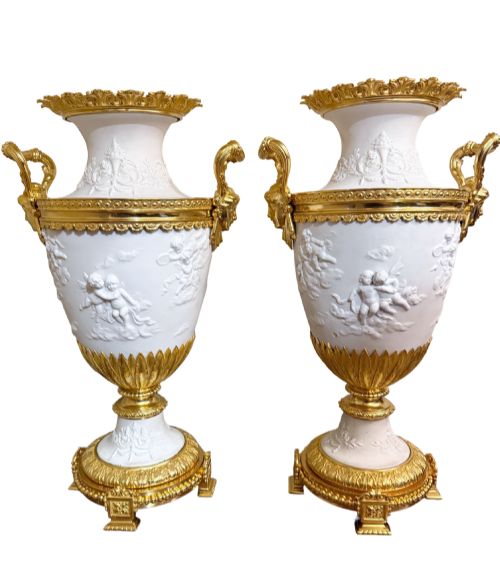
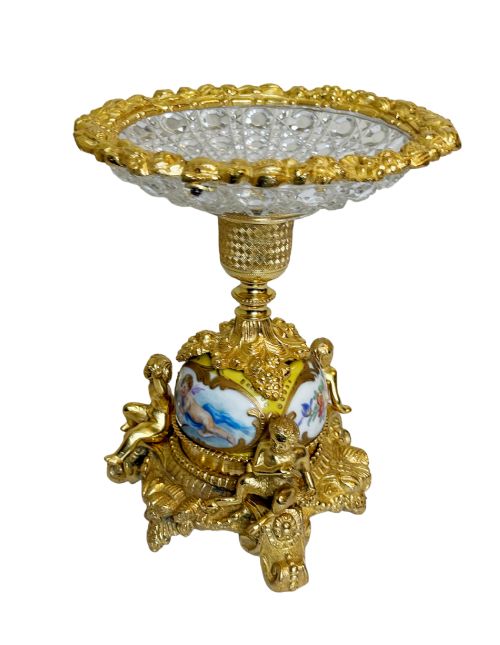
Makers utilised cast bronze finished with heavy fire gilding or ormolu, creating a dense metallic core with a bright golden surface layer. This technique was frequently combined with contrasting materials like white marble, cut crystal, and hand-painted porcelain panels.
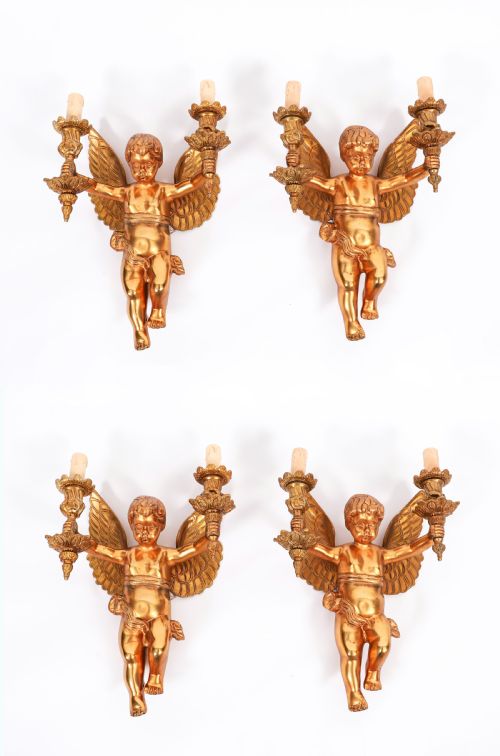
Common functional forms include mantel clocks, chandeliers, wall sconces, and picture frames accented with winged figures.
Distinguishing Quality in the Range
The precision of the chasing on the bronze surface distinguishes finer examples from coarser productions, as crisp chiselling defines the wings and drapery of the figures. Heavier metal gauge and solid construction indicate superior workshop standards.
Integration of secondary materials also dictates the tier of the piece, with high-grade items featuring genuine Sevres porcelain or flawless white marble bases rather than simpler substitutes.
Japy Freres·Le Roy Paris·Achille Brocot And Delettrez·Georges Van De Voorde·Le Roy And Fils·JP Delettrez·Aug Moreau
The Gilded Bronze Cherub Glossary
- Ormolu
- Gilded bronze produced by applying an amalgam of mercury and gold to a bronze base and heating it. The mercury evaporated, leaving a durable and lustrous gold coating.
- Champlevé
- An enamelling technique where troughs or cells are sunk into the surface of the bronze and filled with vitreous enamel before firing. It creates decorative patterns around the central figures.
- Candelabra
- Branched lighting fixtures designed to hold multiple candles, frequently incorporating figural supports such as cherubs. They often match mantel clocks in symmetrical garniture sets.
- Chenets
- Metal fire dogs placed at the hearth to support logs, sometimes cast with cherubs or putti. They sit at the front of an open fireplace.
- Putto
- A chubby male infant figure frequently depicted in classical art and used interchangeably with the term cherub in nineteenth-century decorative bronzes.
Gilded Bronze Cherub: Frequently Asked Questions
How do I date a gilded bronze cherub clock?
Dating relies on stylistic markers and movement signatures, with Victorian and 1880s examples showing distinct revival influences.
Examination of the dial and the backplate often reveals maker marks that place the piece within a specific decade.
Where were these decorative objects made?
The majority of these pieces originate from French workshops, particularly in Paris, following classical revival styles.
Italian and English makers also produced similar lighting and clock sets during the same period.
How should I clean ormolu and gilded bronze?
Maintenance requires only gentle dusting with a dry, soft cloth to protect the delicate surface layer.
Moisture and chemical cleaners must be avoided entirely to preserve the original fire gilding.