



Bronze Ewer
A bronze ewer brings centuries of sculptural metalwork into a room, offering striking classical or ritual forms for the collector.
Bronze Ewer
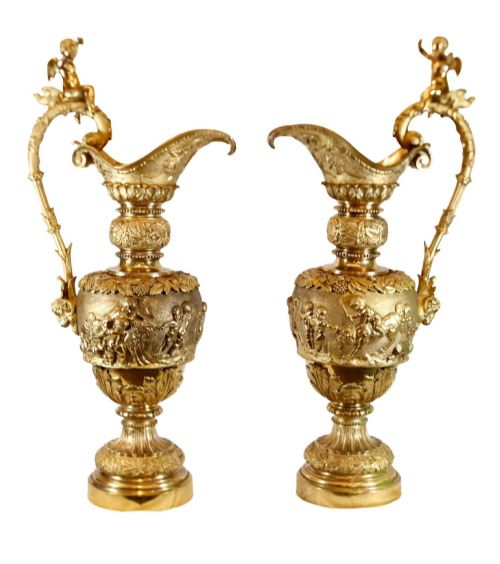
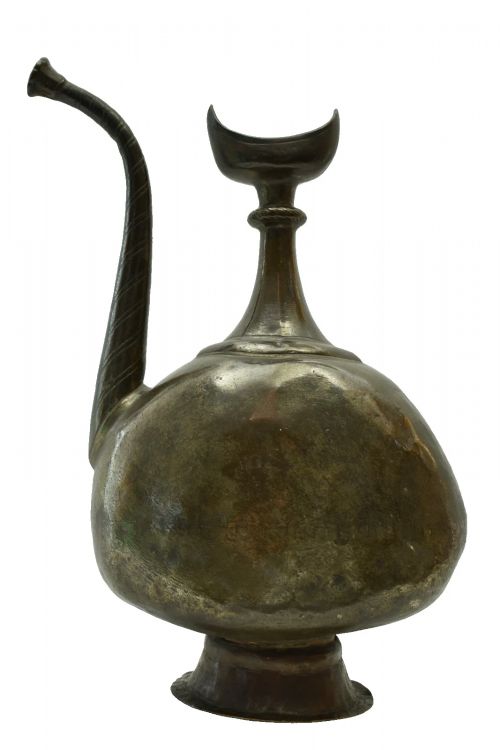
A bronze ewer takes the form of a historic pouring vessel, originating from diverse cultural traditions spanning the sixteenth century to the early twentieth century. You will encounter decorative ewers from French Rococo Revival workshops, Grand Tour creations from Italy, and ritual vessels from Ming Dynasty China and Tibet.
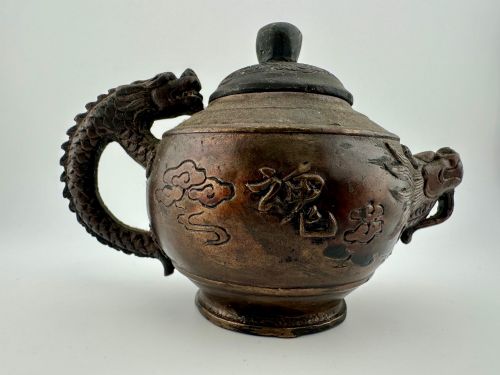
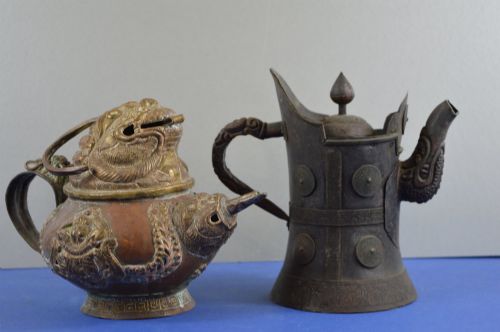
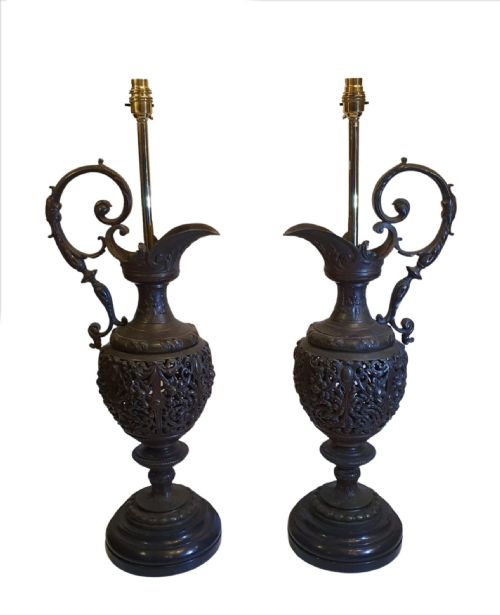
The selections on this page range from monumental display pieces and converted table lamps to scholar's water droppers and ceremonial vessels. European examples frequently draw on classical mythology with figural handles depicting Bacchus or dolphins, while Asian pieces display traditional dragon motifs or intricate metal inlay.
How they were made
Metalworking techniques rely heavily on casting, utilising bronze, brass, copper, and cast bronze to achieve complex sculptural shapes. Artisans enhance these surfaces with fire-gilding, ormolu mounts, or rich patination to bring out the depth of the metal.
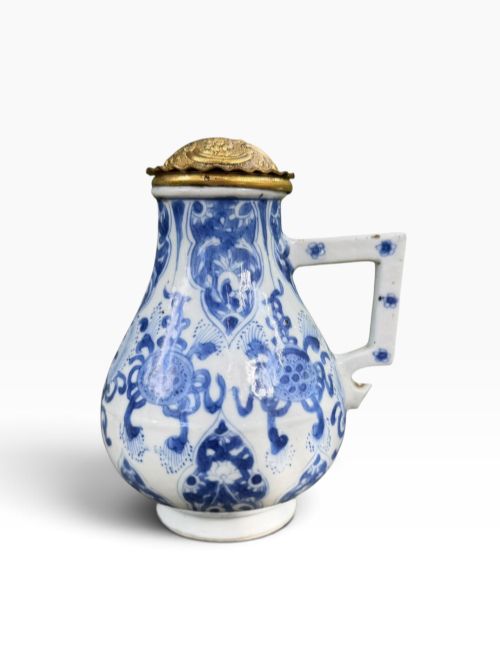
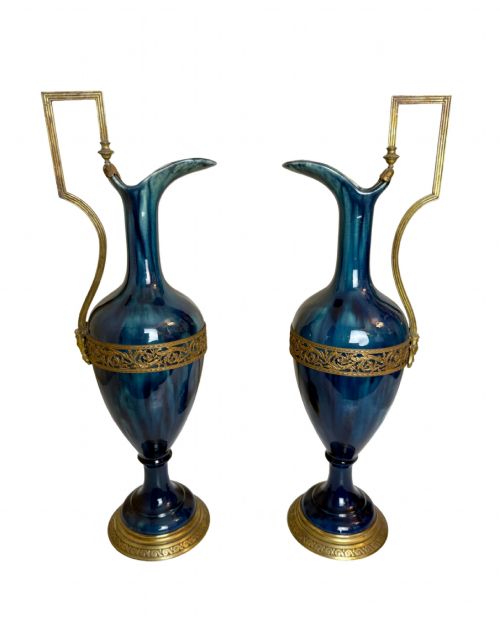
Certain regional pieces incorporate specialist decorative methods, such as silver and copper inlay on Persian Khorasan metalwork or combinations of porcelain and blue glass housed within gilt metal frameworks.
Bronze Ewer Retail Price Guide 2026
Typical asking prices for bronze ewer among the pieces listed under this phrase on Sellingantiques today, from the lower quarter to the upper quarter. They describe what is for sale here now, not the wider market.
Listings feature examples spanning from twelfth-century Persian metalwork to early twentieth-century Art Nouveau vessels.
What varies in quality
Surface treatments also dictate overall standard, where an original patination or high-grade fire-gilding maintains its intended lustre without obscuring the underlying metalwork.
Georges Van De Voorde
The Bronze Ewer Glossary
- Ormolu
- Gilt bronze, created by applying a finely ground high-carat gold-mercury amalgam to a bronze object before heating. This French decorative technique yields a warm, golden finish.
- Aftaba
- A traditional type of metal pitcher or ewer originating from Islamic and South Asian regions. These vessels are typically utilised for ritual ablutions or serving water.
- Grand Tour
- A cultural phenomenon of the nineteenth century where affluent travellers collected classical antiquities and souvenirs across Italy. Ewers from this movement often imitate ancient Roman or Renaissance designs.
- Patinated bronze
- Metal that has acquired a surface coloration through age, chemical treatment, or deliberate oxidation. This finish darkens the bronze and accentuates sculptural reliefs.
Bronze Ewer: Frequently Asked Questions
What is a bronze ewer used for?
Historically, a bronze ewer served as a water vessel for washing hands at the table or functioned within ritual and ceremonial contexts across Asian and Middle Eastern traditions.
Today, these vessels are displayed as standalone decorative objects on mantelpieces and side tables, or occasionally wired to serve as distinctive table lamps.
How do I identify a Grand Tour ewer?
Grand Tour ewers typically date from the nineteenth century and draw heavy inspiration from classical antiquity, Renaissance motifs, or Italian archaeological discoveries.
They are frequently cast in pairs as ornamental display pieces intended to evoke the classical heritage collected by travellers in Italy.
What is the difference between bronze and ormolu?
Bronze is an alloy primarily composed of copper and tin, valued for its strength and suitability for intricate sculptural casting.
Ormolu refers specifically to cast bronze that has been coated in a fine layer of gold or gold-mercury amalgam, creating a brilliant golden decorative surface.
How should I clean a bronze ewer?
Maintenance requires only gentle dusting with a soft, dry cloth to prevent the accumulation of debris in the recessed areas of the casting.
Harsh chemical polishes must be avoided entirely, as they can strip away desirable historic patination and damage the underlying metal surface.