

Gilded Brass Hanging Light
These gilded brass hanging light fixtures bring warmth and architectural presence to corridors and principal rooms alike.
Gilded Brass Hanging Light
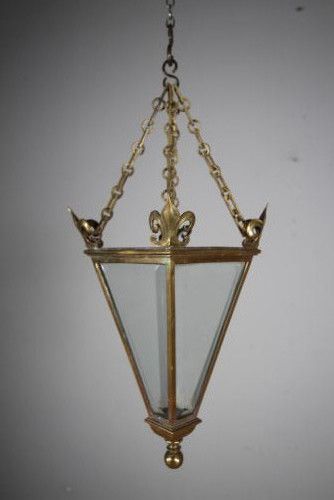
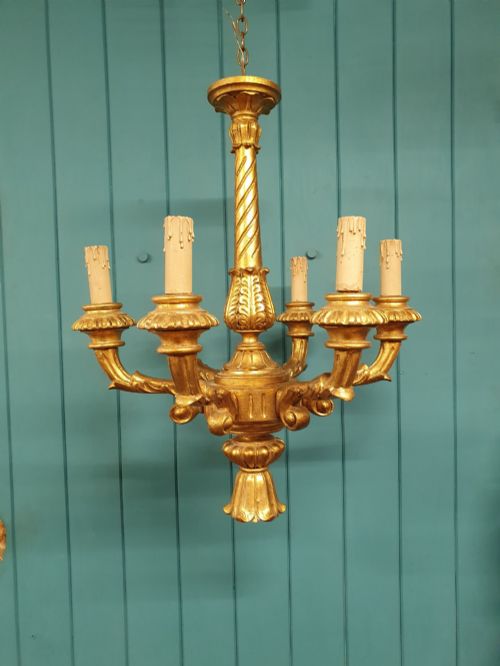
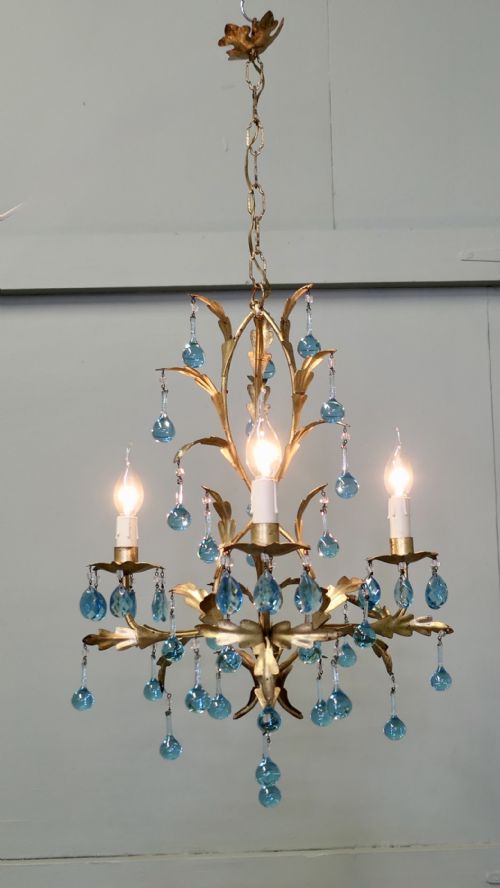
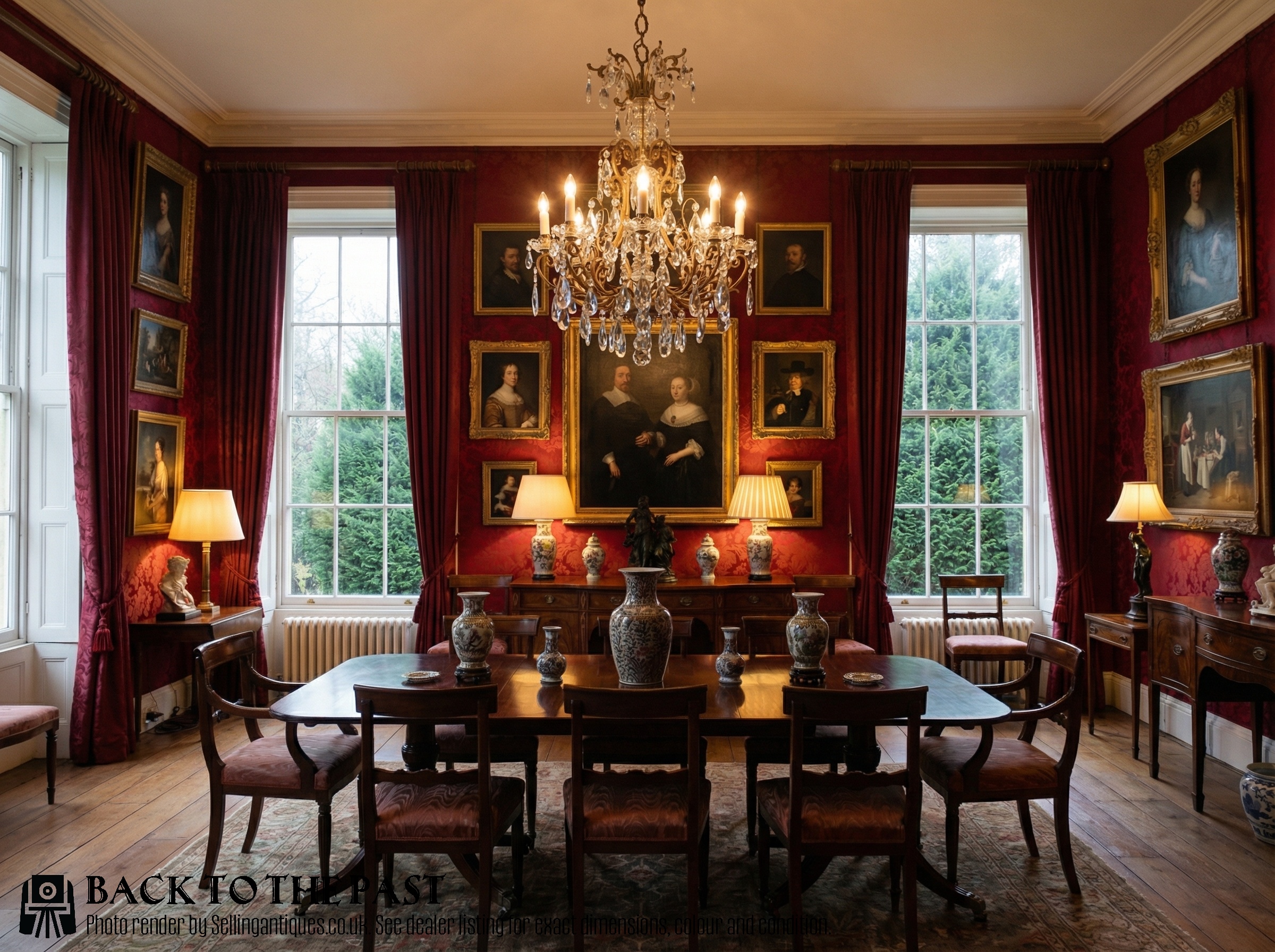
When you search for a gilded brass hanging light, you encounter a selection spanning the nineteenth century through the 1930s, with French origins predominating alongside English examples. These objects encompass multi-armed chandeliers, pendant lights, and hall lanterns designed to illuminate interior spaces from above.
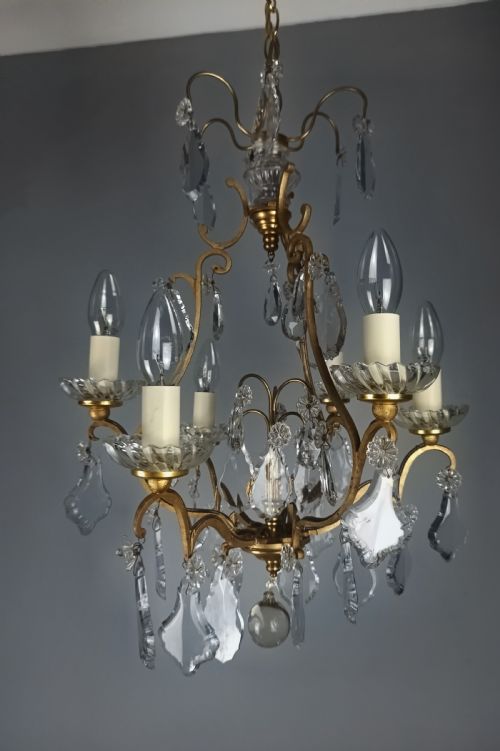
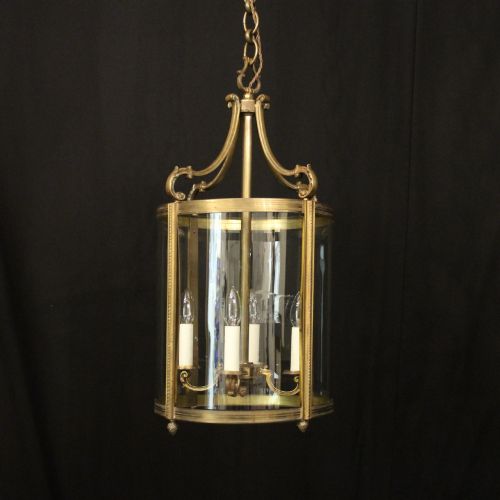
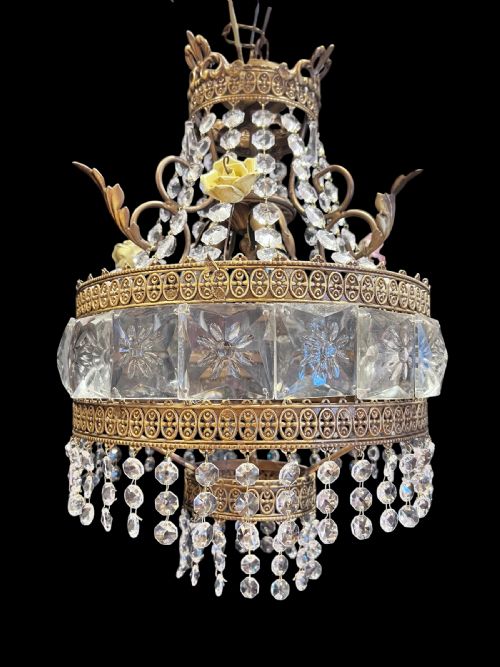
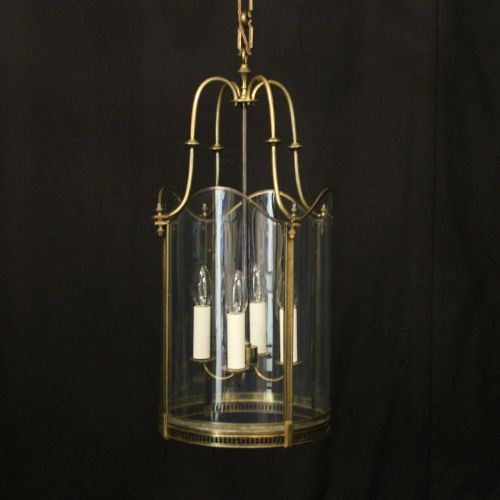
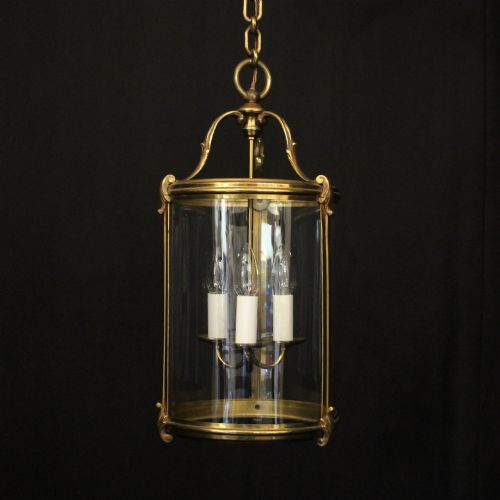
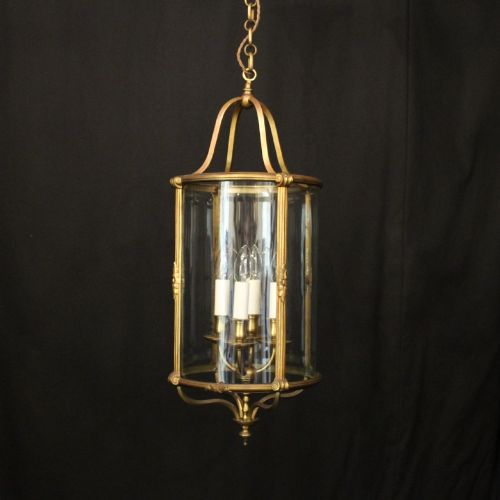
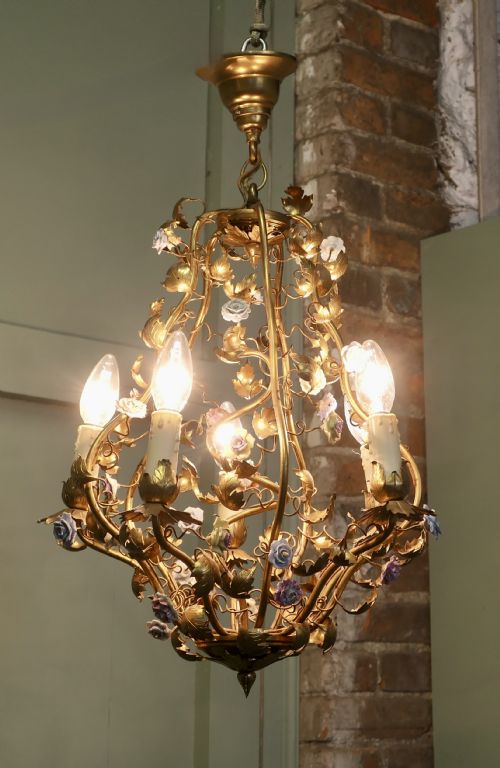
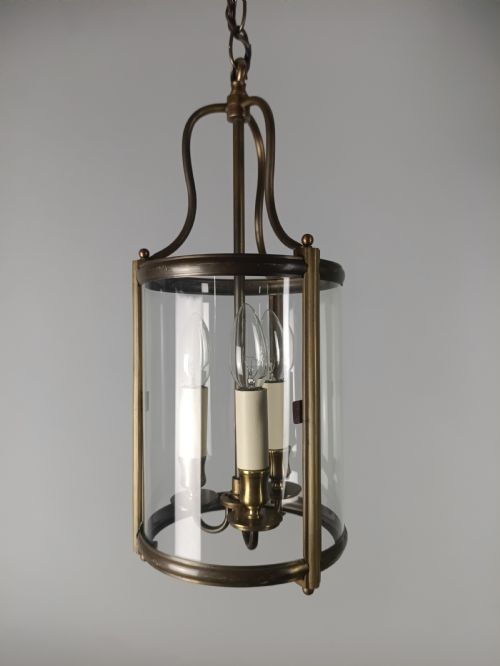
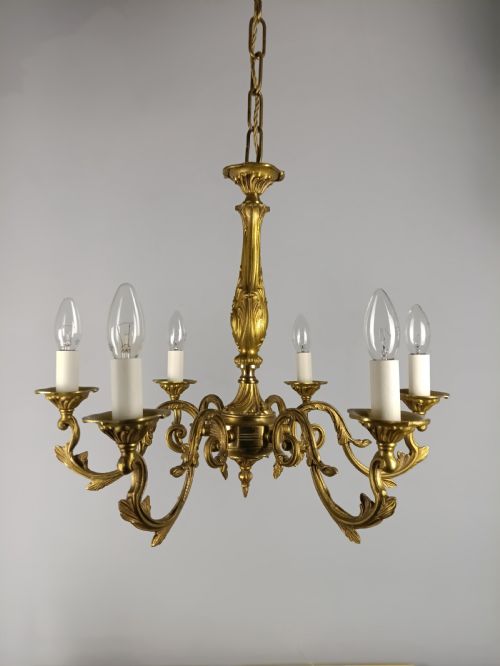
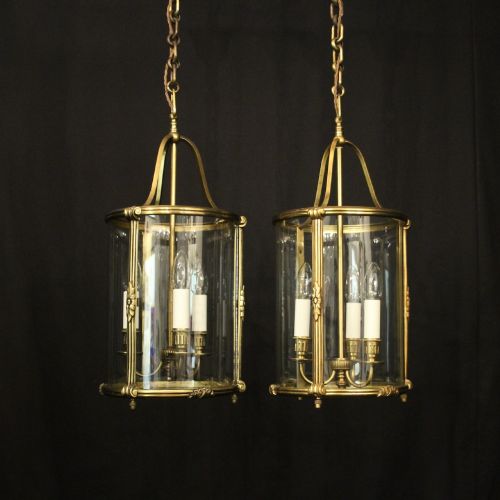
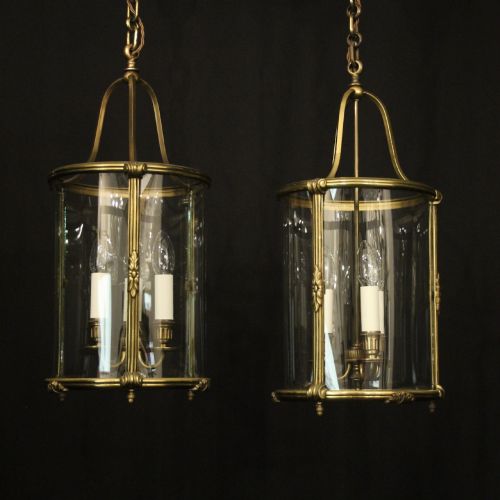
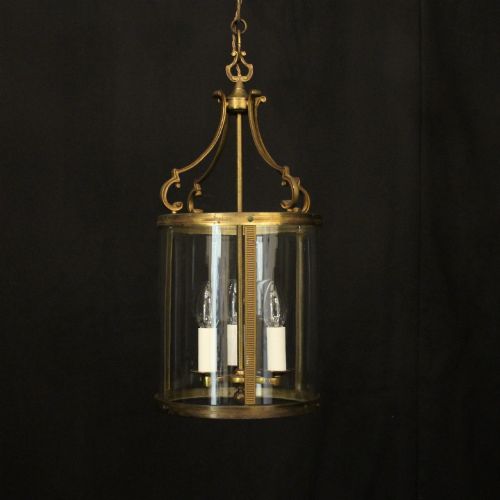
The most common forms on this page are French hall lanterns featuring convex glass panes and chandeliers carrying multiple candle-style lights. Many pieces incorporate brass, gilt bronze, or gilded metal frameworks paired with glass, crystal drops, or porcelain elements.
How they were made
Maker workshops constructed these fixtures using cast brass or bronze, applying layers of gilt or gold leaf to the metal surfaces to create a luminous finish. Glass panels were hand-cut and bevelled to fit within metal lantern frames, while crystal drops and teardrops were suspended on wire loops.
Structural joints were secured with pins and screws, and wiring was often integrated later as electrical fittings replaced candles or oil burners. Detailed components such as porcelain flowers or tolewear leaves were shaped and hand-painted before being attached to the metal armatures.
Object forms span hall lanterns, multi-armed chandeliers, and pendant lights, reflecting both English and French design traditions.
What varies in quality
The distinction between standard production and finer execution lies in the depth of the metal casting and the precision of the chased surface details. Heavier bronze and brass frameworks maintain crisper ornamentation, whereas lighter or later cast pieces often show softer relief.
The integration of materials also defines the tier of a piece, such as the clarity and weight of cut crystal pendants versus pressed glass, and the solidity of bevelled glass panes fitted securely within their metal channels.
The Gilded Brass Hanging Light Glossary
- Ormolu
- Gilded bronze, where a layer of gold amalgam is applied to a bronze base through heat processing. This technique imparts a durable golden lustre to decorative metalwork.
- Convex glass
- Curved glass panes used predominantly in hall lanterns to diffuse light outward. These panels require specialised heating and moulding to achieve their rounded profile.
- Tolewear
- Painted or lacquered sheet metal utilised for decorative elements like leaves and floral components. It introduces colourful accents to the metallic structure of chandeliers.
- Bevelled glass
- Glass panes featuring an angled edge ground along the perimeter. This treatment catches and refracts light as it passes through the lantern panels.
Gilded Brass Hanging Light: Frequently Asked Questions
Where should a hall lantern hang?
These lanterns suit entrance halls, high-ceilinged corridors, and stairwells where their vertical proportions can be appreciated. They provide focused downward illumination while serving as a central decorative focal point upon entering a space.
Ensure adequate clearance below the lowest point of the fixture for pedestrian traffic. Ceilings must support the combined weight of the metal and glass components safely.
How do I clean a crystal chandelier?
Maintenance involves wiping individual glass and crystal elements with a soft cloth dampened in a mild cleaning solution. Detaching removable drops allows for thorough cleaning without stressing the central bronze frame.
Avoid harsh chemical sprays that can strip the gilt surface from the brass or bronze armature. Regular dusting helps preserve the reflective quality of the metal.
Are these lights wired for electricity?
Many period fixtures arrive adapted for modern electrical circuits, though internal wiring methods vary by age. Rewiring by a qualified professional ensures compliance with current safety standards.
Candle-form sleeves within chandeliers accommodate small bulbs designed to replicate the original appearance of wax tapers. Lantern interiors typically house single or multiple lamp holders.