



Gilded Brass Foyer Light
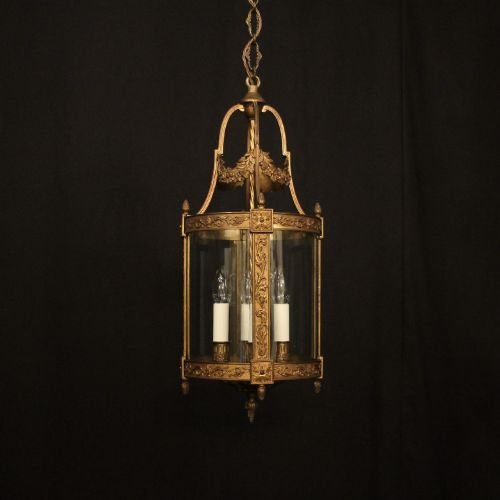
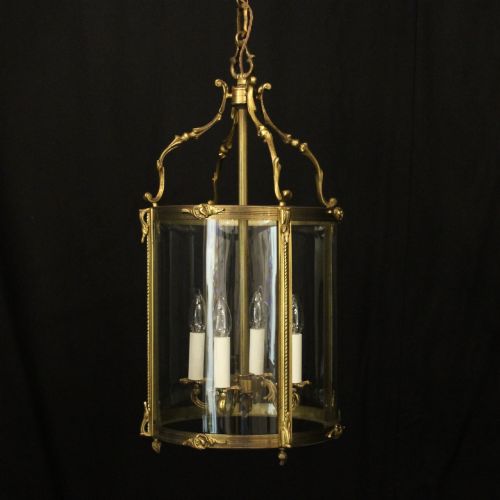
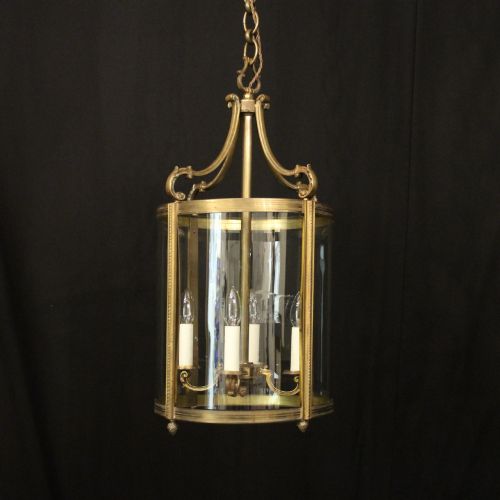
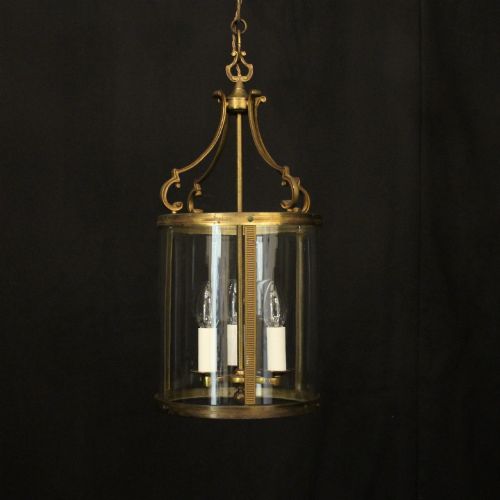
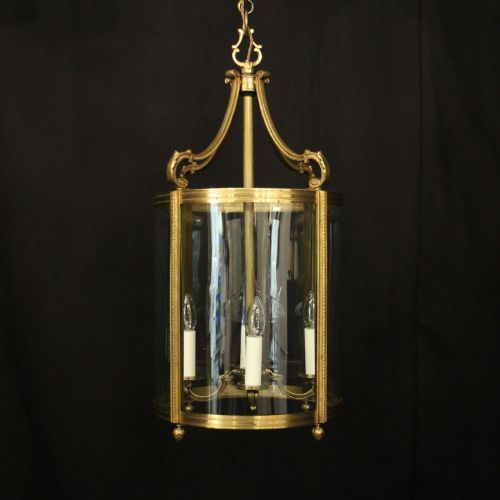
A gilded brass foyer light welcomes guests with warm metalwork and focused illumination in an entrance hall.
Gilded Brass Foyer Light
A gilded brass foyer light is primarily encountered as a hall lantern or pendant light designed to hang in entrance spaces and hallways. These pieces typically originate from the nineteenth and early twentieth centuries, reflecting classic European interior schemes.
Most examples found here are French in origin, drawing heavily upon neoclassical, Louis XV, and Rococo revival design vocabularies. English interpretations also appear, occasionally incorporating Gothic revival elements derived from nineteenth century traditions.
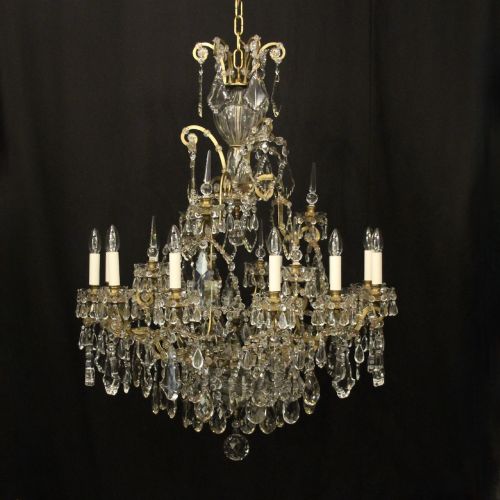
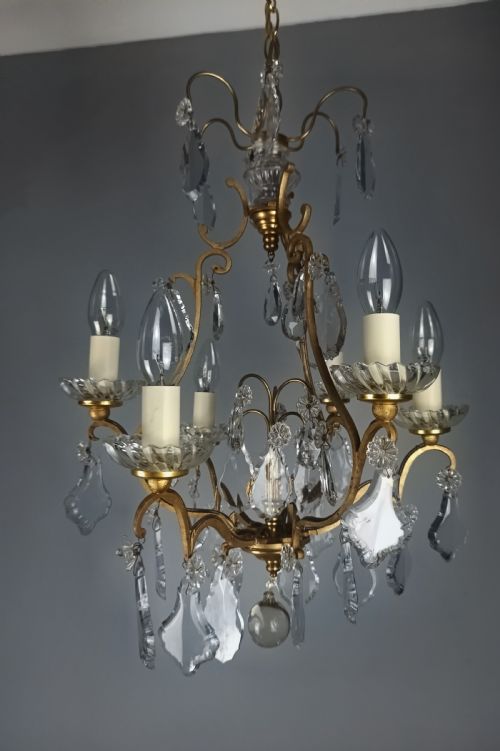
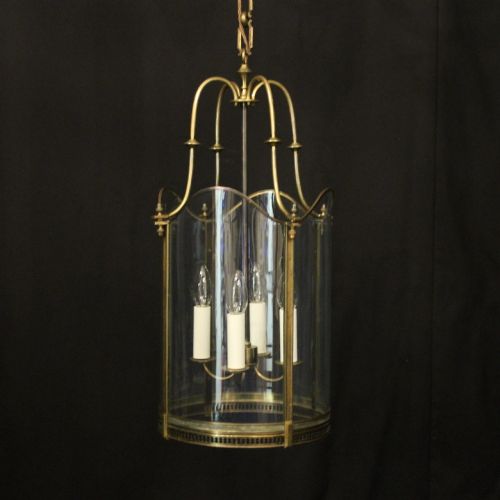
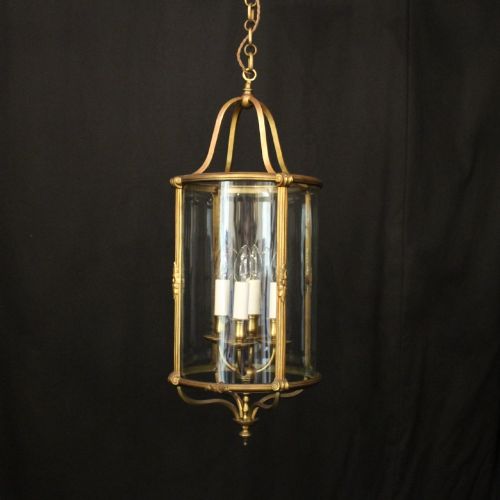
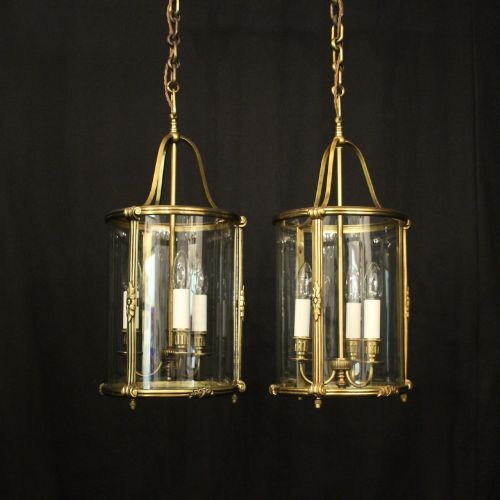
The form usually takes the shape of a glazed lantern enclosing multiple lights, though larger birdcage chandeliers and simple ceiling lights are part of the selection. Convex glass panels frequently shape the silhouette, diffusing the internal glow across the surrounding walls.
Materials and construction methods
Construction relies upon heavy cast or wrought metals, predominantly brass, bronze, and gilt metal, which provide the structural rigidity required for suspended fixtures. Surfaces are treated with a layer of gilding or silver leaf to catch and reflect ambient light.
Glazing is an integral component, utilising bevelled glass panels or curved convex panes secured tightly within metal frames. Crystal elements and drops frequently accompany the framework, particularly in larger multi-light chandeliers and elaborate lanterns.
Gilded Brass Foyer Light Retail Price Guide 2026
Typical asking prices for gilded brass foyer light among the pieces listed under this phrase on Sellingantiques today, from the lower quarter to the upper quarter. They describe what is for sale here now, not the wider market.
The listings span from the nineteenth century through the 1930s, featuring glass, crystal, brass, and gilded bronze materials.
Distinguishing quality in hanging lanterns
Quality rests heavily upon the crispness of the metal casting and the depth of the applied gilding. Finer pieces display sharply rendered decorative motifs and substantial metal weight rather than thin, pressed sheet construction.
The treatment of the glass elevates certain examples above others. Thick bevelled panes and custom-curved convex glass demonstrate superior craftsmanship compared to plain flat glazing.
The Gilded Brass Foyer Light Glossary
- Convex glass
- Curved glass panels that project outward to soften and disperse the light emanating from within the fixture. This feature is particularly common on French hall lanterns.
- Gilt bronze
- Metalwork finished with a thin layer of gold applied to a bronze base, often referred to in French contexts as gilt bronze. It provides a durable and rich surface sheen.
- Hall lantern
- A suspended light fixture enclosed in glass, designed specifically for corridors, vestibules, and entrance halls. These fixtures combine directional downward illumination with decorative side glazing.
- Birdcage chandelier
- A multi-light ceiling fixture constructed with a metal framework resembling the tiers of a decorative birdcage. These often incorporate crystal swags and numerous candle-style lights.
Gilded Brass Foyer Light: Frequently Asked Questions
Where should a foyer light hang?
These lanterns and pendant lights suit entrance halls, vestibules, and stairwells with sufficient vertical clearance. They provide focused overhead illumination while establishing a decorative focal point upon entry.
Ensure the fixture hangs high enough to permit unobstructed movement beneath it, taking into account the specific drop length of the chosen piece.
How do I identify French styles?
French pieces often incorporate neoclassical symmetry, Rococo scrollwork, or Louis-era ornamentation within the cast metal frame. Look for refined floral motifs, urn finials, and symmetrical glazing.
English alternatives from the same eras tend to feature more restrained lines or distinct architectural Gothic influences.
What is convex glass?
Convex glass panels curve outward from the metal frame, creating a rounded profile that diffuses internal light differently than flat panes. This technique enhances the visual depth of the lantern.
Such curved panes require specialist manufacturing and mark out finer twentieth century and nineteenth century examples.
How many lights do they have?
Most hall lanterns feature single, triple, or four-light configurations to adequately illuminate compact entrance spaces. Larger chandeliers in the selection extend up to sixteen lights for grander interiors.
The bulb count generally corresponds to the physical scale of the metal frame and glass enclosure.