


Gilded Botanical Plate
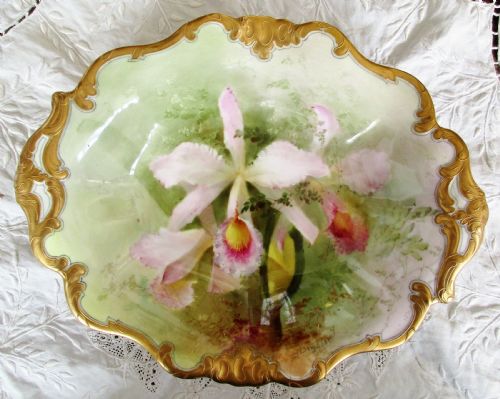
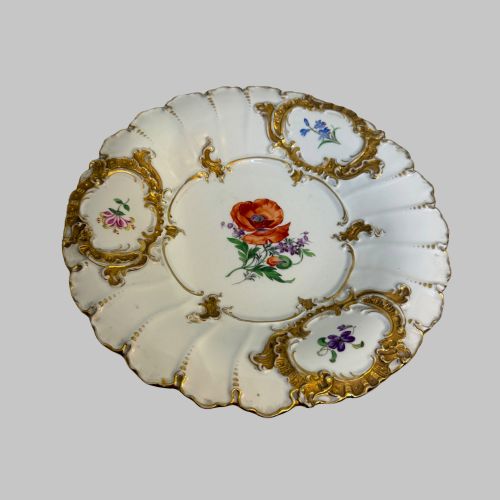
A gilded botanical plate brings painted floral studies and gold leaf together on porcelain, offering a decorative surface designed for display.
Gilded Botanical Plate
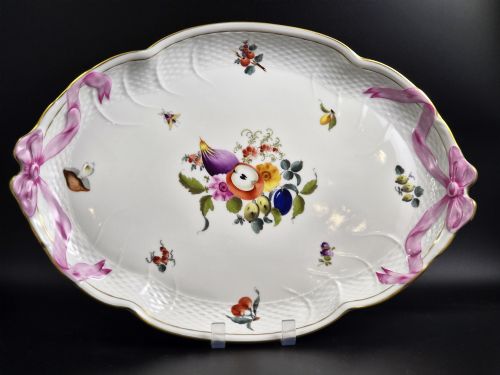
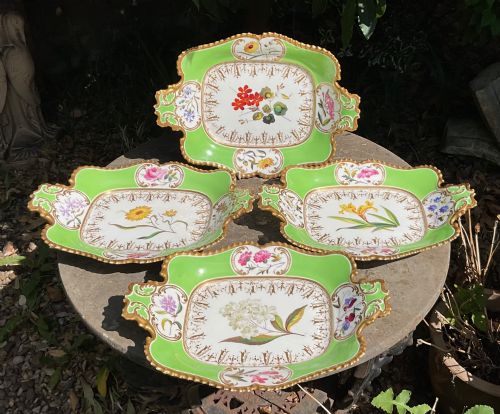
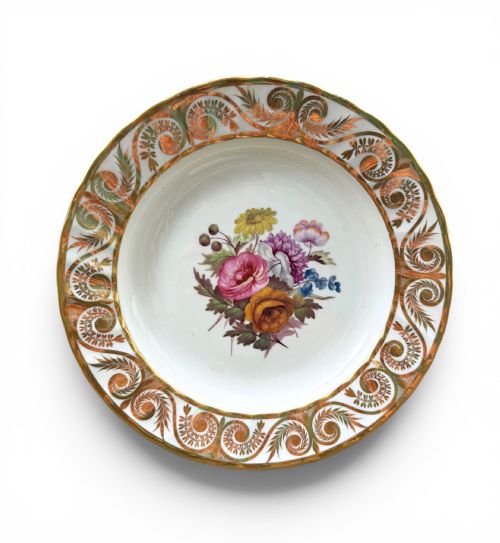
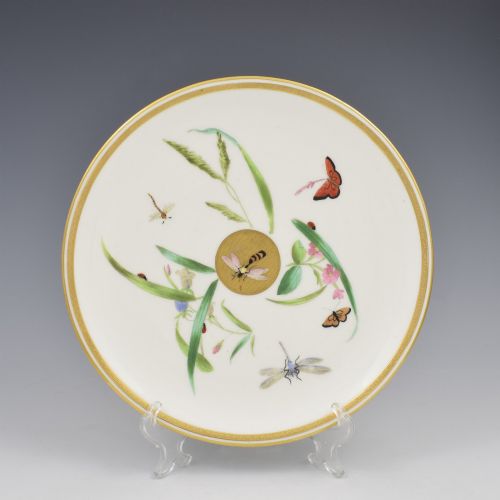
A gilded botanical plate is a ceramic vessel created for display or dessert service, combining hand-painted floral motifs with gold embellishments. When you examine a gilded botanical plate on this page, you encounter forms ranging from cabinet plates and dessert dishes to serving dishes and tazza comports. The selection spans the Georgian, Regency, Victorian, and Edwardian eras, reaching into the early twentieth century.
Makers represented include renowned English factories such as Worcester, Coalport, Derby, Minton, and Royal Doulton, alongside continental porcelain from Meissen and Russian imperial pieces. These items serve primarily as cabinet specimens or decorative dishes rather than everyday tableware, reflecting the high status of botanical illustration in domestic interiors.
The decorative schemes often focus on specific floral, bird, or butterfly subjects, rendered with botanical accuracy and framed by elaborate gilt borders. Forms vary from flat cabinet plates to deep soup dishes and shaped serving dishes, produced across the nineteenth and early twentieth centuries.
Materials and technique
The manufacture of a gilded botanical plate relies on hard-paste or bone china porcelain bodies, painted by hand and finished with gold leaf or liquid gilding. Artisans applied botanical subjects using enamels that required multiple firings in a kiln to fix the pigments securely to the porcelain glaze.
Guilders applied gold leaf or gilt accents by hand around the rims, wells, and handles, often tooling the dried metal to create matte and burnished contrasts. The combination of underglaze or overglaze hand-painting with meticulous gilding defined the output of factories like Nantgarw, Rockingham, and New Hall.
Lapwings, butterflies, and orchids share these porcelain surfaces, proving that Victorian insects enjoyed dining on fine gold leaf.
Assessing quality
Quality in a gilded botanical plate depends upon the precision of the hand-painted flora and the crispness of the gilt work. Pieces featuring named botanical specimens painted by documented artists exhibit superior artistic merit compared to standard factory decoration.
The weight, translucency, and purity of the porcelain body also distinguish finer items, along with the complexity of the moulding and the preservation of the gold leaf across the rim.
Wedgwood·Chamberlains Worcester·Minton·Royal Doulton·Meissen·Barr, Flight and Barr·Coalport·Royal Worcester·Kornilov Brothers·Chelsea-Derby·Ridgway·Thomas Moorcroft·Nantgarw·New Hall·Rockingham·Bloor Derby·Royal Crown Derby
The Gilded Botanical Plate Glossary
- Cabinet plate
- A decorative ceramic plate intended for display in a cabinet or on a wall rather than for practical dining use. These items typically feature elaborate hand-painted scenes and rich gilding.
- Bone china
- A type of soft-paste porcelain incorporating bone ash, developed in England to create a strong, translucent ceramic body ideal for fine painting.
- Gilding
- The application of gold leaf or gold powder to the surface of porcelain to create decorative borders and highlights. This finish requires careful firing to bond with the glaze.
- Tazza
- A decorative pedestal plate or comport used for serving fruit or sweets during dessert courses. It raises the botanical display above the table surface.
- Enamel
- A vitreous composition fused to the porcelain surface through firing, providing the vibrant colours used in botanical painting.
Gilded Botanical Plate: Frequently Asked Questions
How were these plates used?
These pieces functioned as part of dessert services or served as decorative items displayed in cabinets and on walls. Wealthy households utilised them to showcase wealth and an interest in natural science.
They were brought out at the conclusion of formal meals for fruit and sweetmeats, or simply kept on view in drawing rooms to impress visitors with their artistry.
Are these plates safe for food?
Historic porcelain with hand-painted enamels and gold leaf is generally unsuited for modern food use or dishwashers. The delicate pigments and metallic gilding can easily abrade or degrade with regular washing.
Collectors treat these items as decorative art or display pieces rather than functional tableware to preserve their historical surfaces.
How do I identify the maker?
Makers marked their porcelain using painted or impressed symbols, factory names, and pattern numbers on the underside of the base. Factory marks evolved over time, allowing collectors to date pieces by comparing the backstamps to reference records.
Some exceptional items also feature the signature or initials of the artist who painted the botanical study.
What is a botanical plate?
A botanical plate is a ceramic dish decorated with accurate illustrations of flowers, plants, and sometimes insects or birds. These designs reflected the era's fascination with botany and natural history.
Artists copied illustrations from botanical folios onto the ceramic canvas, creating durable records of flora enhanced by gold borders.