



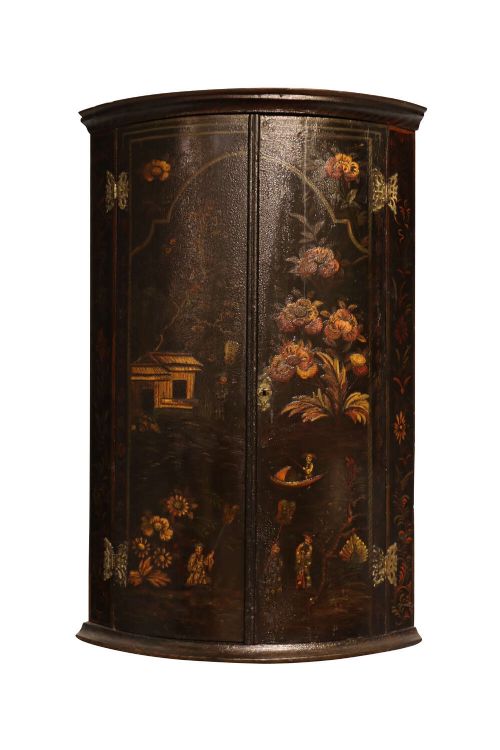


Gilded Black Cabinets
Gilded black cabinets bring deep lacquer and lustrous gold leaf into a room, offering rich visual weight and decorative presence.
Gilded Black Cabinets
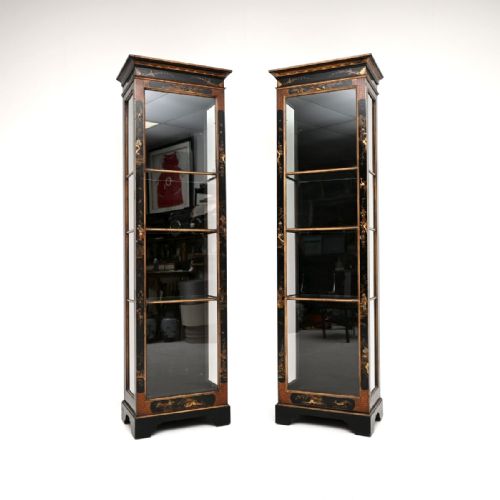
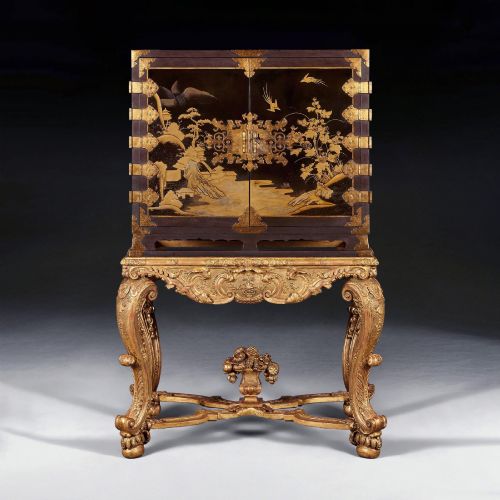
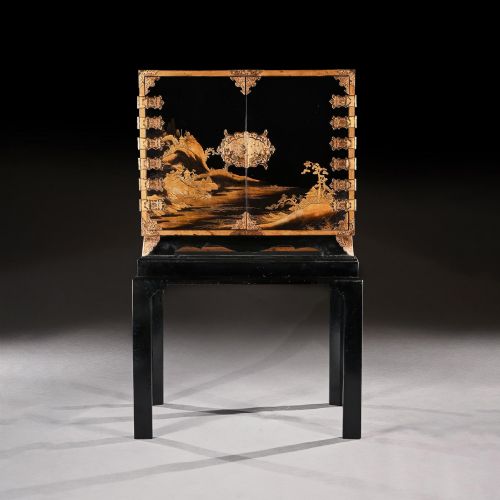
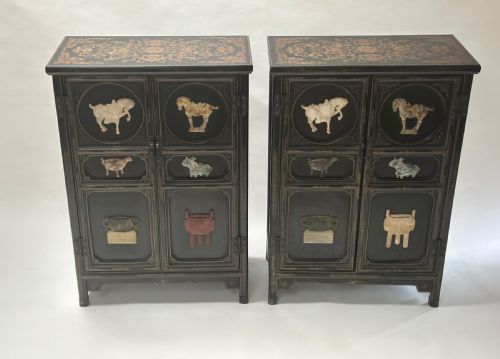
Gilded black cabinets encompass everything from grand seventeenth-century pieces on stands to compact table cabinets and corner cupboards. You will find items shaped by diverse traditions, including English japanning, Chinese export work, and Japanese lacquer techniques.
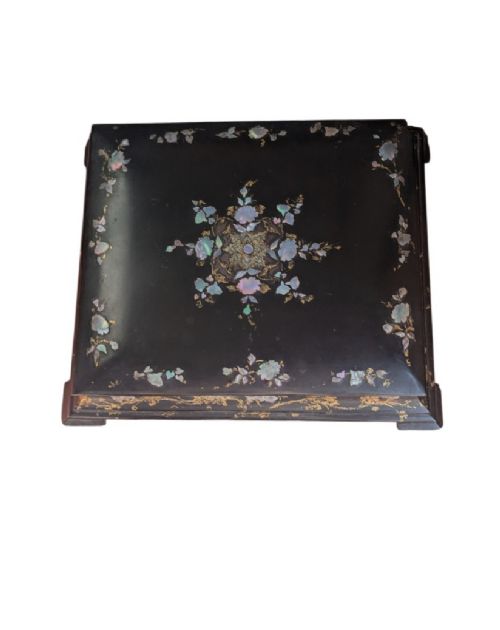
The pieces on this page span several centuries, reaching from the seventeenth century through the Victorian era and into Art Deco designs. Common forms include display cabinets, credenzas, and small desk or jewellery cabinets with rich dark surfaces.
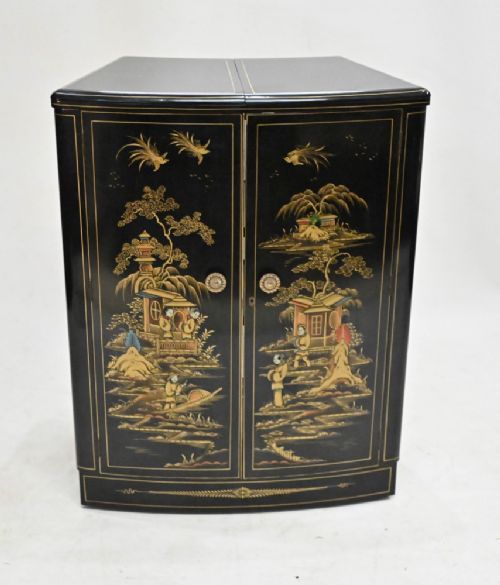
Chinoiserie and Regency styles appear frequently, showing intricate hand-painted landscapes and figures in gold upon dark grounds. These cabinets serve both as functional storage and as striking focal points within an interior scheme.
Assessing Quality and Execution
Quality rests upon the depth of the lacquer surface and the finesse of the gilding. Superior examples display crisp, hand-rendered details in the gold leaf rather than flat, uniform stencilling.
The integrity of the underlying woodwork and the survival of original stands, mounts, and hardware dictate the distinction between ordinary production and exceptional craftsmanship.
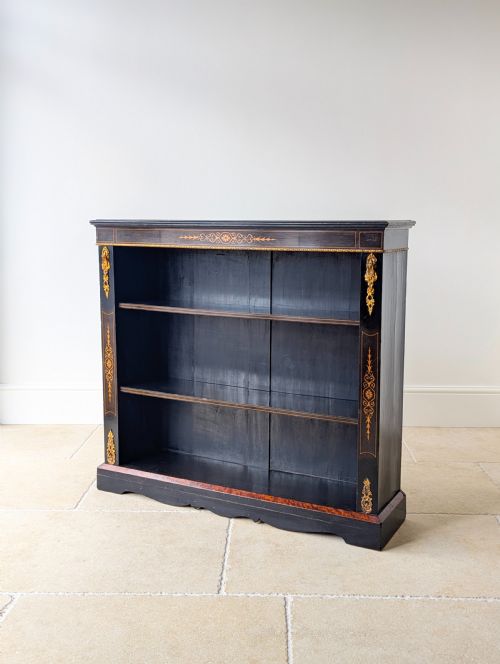
Materials recorded across the inventory include lacquer, brass, wood, gold leaf, glass, ebonised wood, and ormolu.
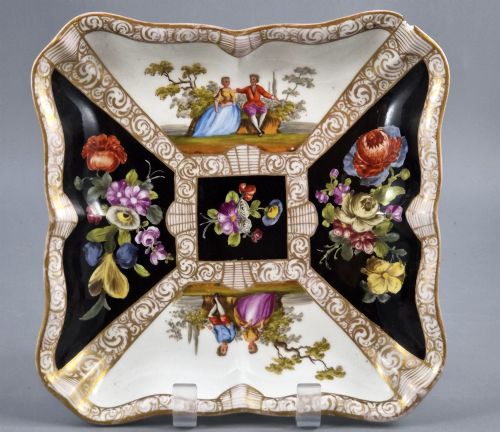
Garnett & Sons·Meissen
The Gilded Black Cabinets Glossary
- Japanning
- European imitation of East Asian lacquerwork using layered varnishes and metallic dust. This technique produced glossy dark surfaces decorated with raised gilt motifs.
- Ormolu
- Gilded bronze mounts and decorative hardware applied to furniture. These cast metal elements added structural accent and ornamental brilliance.
- Ebonised
- Wood treated to resemble expensive ebony through staining or painting. This process created a dense black surface suited to Victorian and Aesthetic Movement design.
- Shodana
- Japanese tiered display cabinet featuring asymmetrical shelving. These pieces often incorporate elaborate lacquer work and fine joinery.
Gilded Black Cabinets: Frequently Asked Questions
What is the difference between japanning and lacquer?
Japanning is a European technique developed to imitate genuine Asian lacquer by building up layers of varnish and heat-curing them. True lacquer uses the sap of the lacquer tree native to East Asia.
Both methods result in a hard, polished dark finish, but the underlying materials and regional origins differ significantly.
Where should I place a table cabinet?
Table cabinets suit tabletops, sideboards, or sturdy desks where their detailed decoration remains at eye level. They provide enclosed storage for small items while serving as sculptural decorative objects.
Keep them away from direct sunlight and heat sources to protect the delicate gold leaf and lacquer.
How do I care for antique lacquer?
Dust these surfaces gently with a soft, dry microfibre cloth without applying modern liquid polishes or chemical cleaners. Maintaining a stable room temperature prevents the wood underneath from expanding and cracking the finish.
Harsh cleaning agents will strip the delicate gilding and dull the dark sheen permanently.
What periods do these cabinets represent?
The pieces span from the seventeenth century through the Victorian era up to the 1930s. Early examples often feature stands and export panels, while later items include Art Deco cocktail cabinets and haberdashery units.
Each period brought distinct hardware, structural forms, and stylistic interpretations of black and gold finishes.