







Gilded Art Glass
Gilded art glass brings together luminous materials and intricate surface decoration across centuries of fine craftsmanship.
Gilded Art Glass
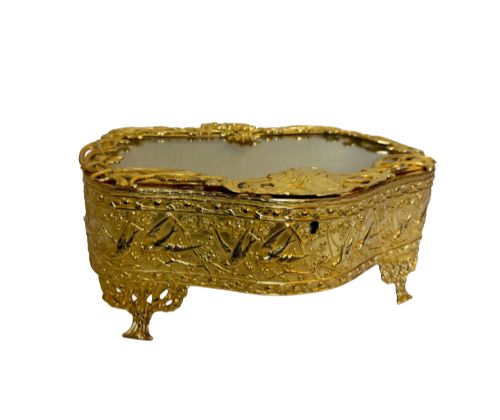
Gilded art glass encompasses a diverse range of decorative objects, vessels and wall pieces where precious metallic leaf or enamel accents enhance the underlying glass body. When searching for gilded art glass, buyers encounter everything from delicate Victorian biscuit barrels and Art Nouveau vases to robust twentieth-century lighting fixtures.
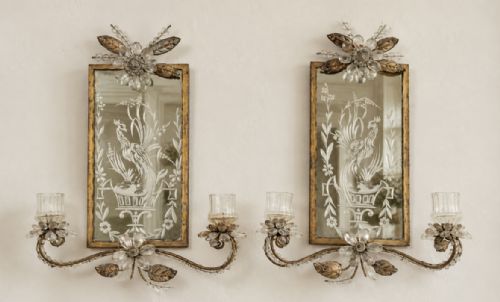
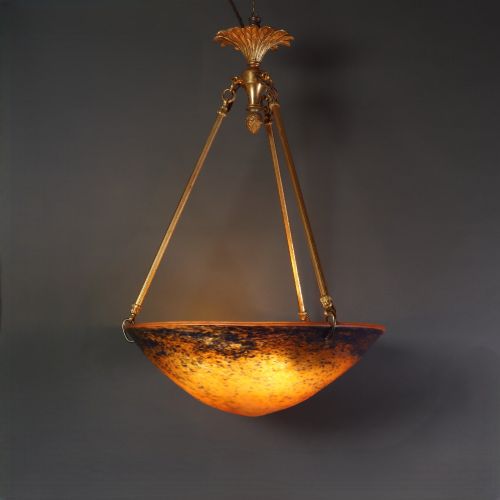
The selection on this page spans periods from the eighteenth century through to the art deco era, reflecting shifts in taste across British, French, German and Bohemian workshops. Vases, bowls, decanters and wall sconces predominate, frequently combining glass with gilt wood, brass or enamel details.
How they were made
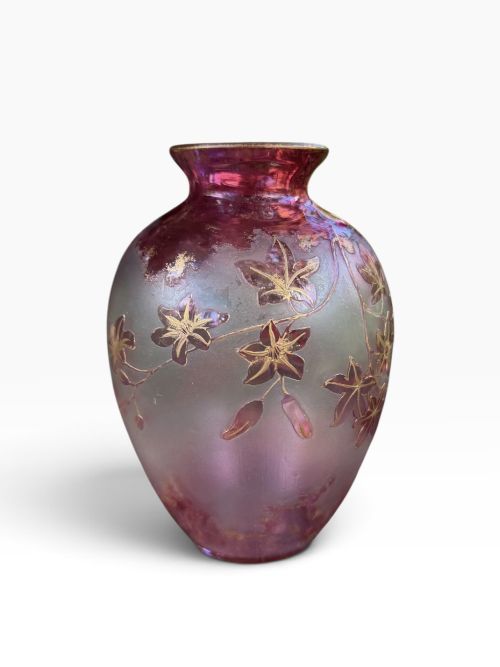
Makers utilised clear, coloured or cased glass as a canvas, applying gold leaf, liquid gold or enamel decoration by hand before firing or sealing the surface. Acid etching, cameo carving and reverse painting techniques frequently accompanied the gilding to create depth and texture.
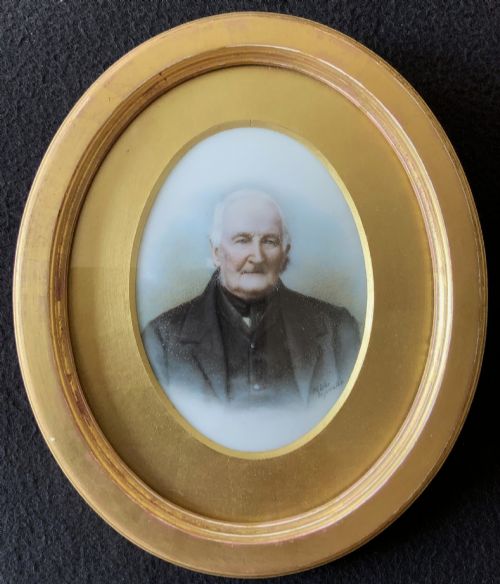
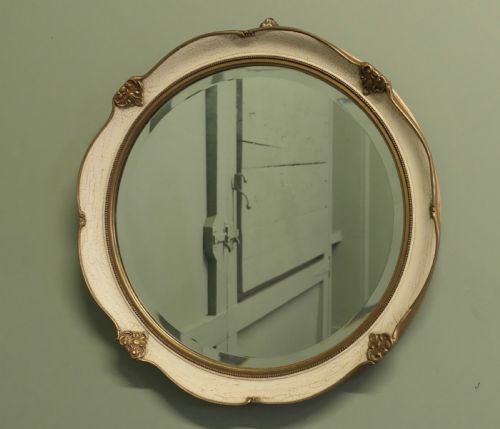
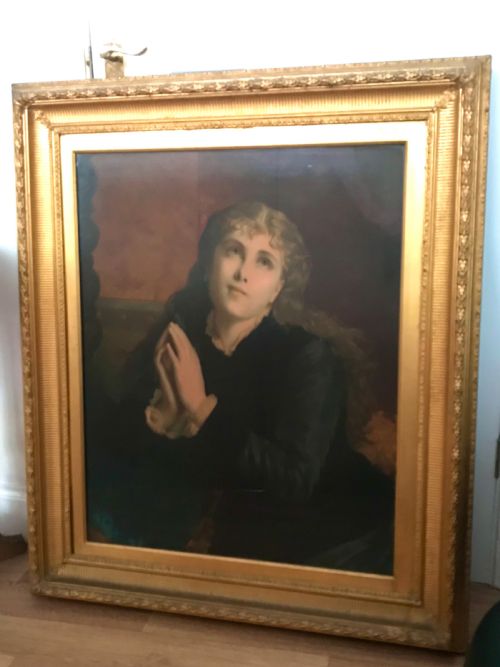
Supporting elements often involved complementary materials such as giltwood frames, carved wood, brass mounts and paper labels, anchoring fragile glass forms within substantial structures.
Gilded Art Glass Retail Price Guide 2026
Typical asking prices for gilded art glass among the pieces listed under this phrase on Sellingantiques today, from the lower quarter to the upper quarter. They describe what is for sale here now, not the wider market.
Some nineteenth-century glassmakers hid tiny painted beetles beneath thick layers of gold leaf just to amuse observant buyers.
What varies in quality
Quality rests upon the crispness of the glassblowing, the precision of the acid etching or enamel work, and the intactness of the delicate gold leaf application. Finer examples display meticulous hand-painted detailing and substantial glass weights without distracting bubbles or annealing flaws.
The sophistication of the design and the reputation of the producing atelier also dictate the standing of a piece, separating standard decorative items from masterworks of the period.
Maison Bagues·Baccarat·Charles Schneider·Theresienthal·Legras·St Louis glassworks·Moser·Salviati
The Gilded Art Glass Glossary
- Acid etched
- A technique where acid eats into the surface of the glass through a resist to create frosted designs or textured patterns. This method allows for precise control over tonal contrast.
- Enamel decoration
- The application of powdered glass suspended in a medium onto the vessel, which is then heated to fuse permanently. It introduces vibrant colour and raised texture alongside gold highlights.
- Giltwood
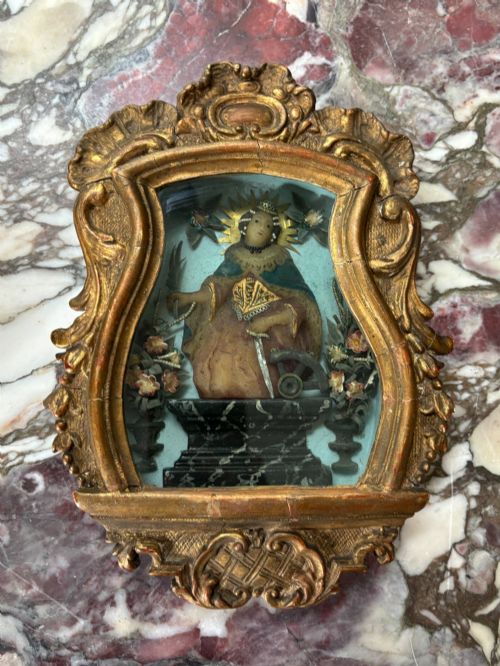
- Wood that has been coated with a thin layer of gold leaf or gesso and gold powder. It frequently frames mirrors, paintings and devotional icons associated with glass panels.
- Cased glass
- A method where a glass vessel is formed with two or more distinct layers of different colours. Carving or etching through the outer layer reveals the contrasting colour beneath.
Gilded Art Glass: Frequently Asked Questions
How do I clean gilded art glass?
Dust gently with a soft, dry cloth to protect fragile gold leaf and enamel decorations from abrasion.
Avoid liquid cleaners, chemical sprays or immersion in water, as moisture can lift old gilding off the glass surface.
Are these pieces fragile?
Art glass requires careful handling and stable placement away from high-traffic edges where accidental knocks might occur.
Changes in temperature should also be minimised to protect older glass and delicate surface adhesives.
How can I tell the period?
Stylistic indicators such as flowing Art Nouveau botanicals or geometric Art Deco lines offer immediate clues to the decade of manufacture.
Examine the pontil mark on the base, signature styles and associated framing materials to confirm the era.
Where were these items made?
Production centres span across France, Germany, Bohemia and Britain, each region favouring distinct colour palettes and decorative techniques.
French workshops frequently produced refined acid-etched pieces, whilst Bohemian makers specialised in vibrant enamelled glass.