

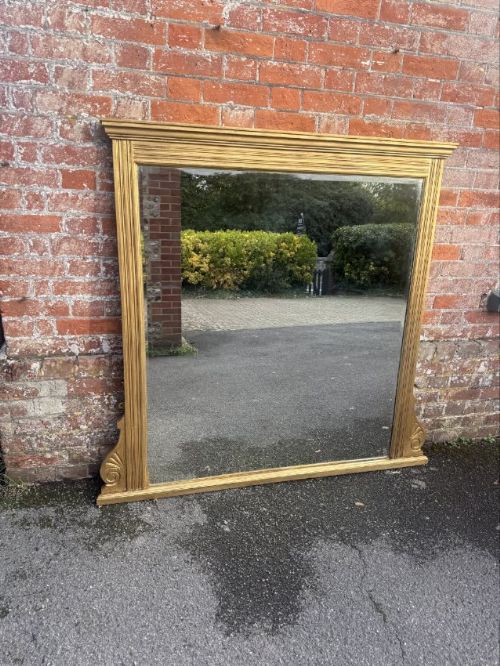
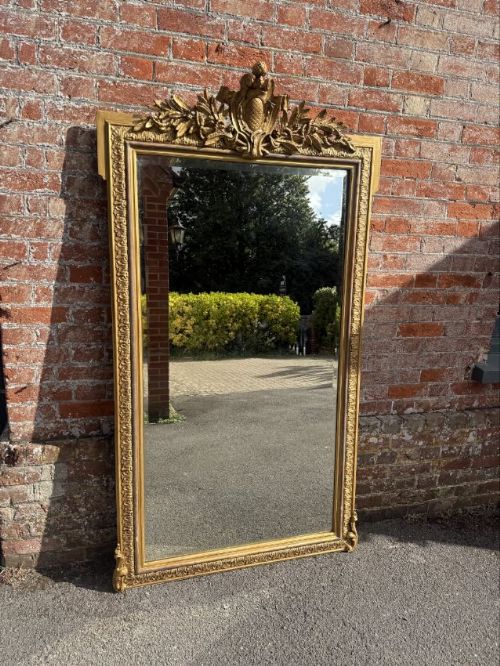


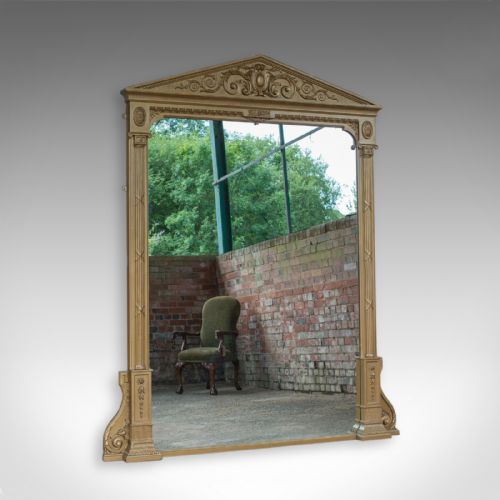


Gilded Architectural Mantle Mirror
These gilded architectural mantle mirror pieces are grand focal points that command a room and bring remarkable light.
Gilded Architectural Mantle Mirror
When you search for a gilded architectural mantle mirror, you are looking at substantial wall and overmantel mirrors designed to sit above a fireplace. The examples on this page span the nineteenth century, including Regency and Victorian periods, with specific dates reaching back to eighteen hundred.
You will most commonly meet large overmantel mirrors in this selection, often framed in carved wood and gesso with gilded finishes. Several pieces incorporate arched tops, architectural framing, and triptych formats that reflect the grand proportions of period interiors.
The origins represented here include English and French craftsmanship, encompassing styles from Neoclassical and French Neoclassical to classical ebonised designs. These pieces function simultaneously as mirrors and architectural statements, built to anchor large wall spaces.
How they were made
Makers of these mirrors carved wood and applied gesso layers to build up intricate decorative mouldings before laying gold leaf or paint over the surface. Composition ornament was also utilised for repetitive architectural details and crisp linear enrichment.
The frames combine solid timber construction with delicate surface treatments, including faux marble finishes, ebonised sections, and white painted surfaces alongside traditional gilding. Mirror glass is set within these robust wooden frameworks, often divided into multiple plates as seen in triptych configurations.
Gilded Architectural Mantle Mirror Retail Price Guide 2026
Typical asking prices for gilded architectural mantle mirror among the pieces listed under this phrase on Sellingantiques today, from the lower quarter to the upper quarter. They describe what is for sale here now, not the wider market.
Materials recorded across the inventory include glass, giltwood, wood, gesso, gold leaf, mirror glass, paint, and composition.
What varies in quality
The distinction between ordinary and superior pieces lies in the crispness of the hand-carved wooden details and the depth of the gesso mouldings beneath the gold leaf. Finer examples maintain sharper architectural lines and more complex decorative programmes across the frame.
Surface treatment also divides the range, where skilled application of gold leaf, paint, or faux marble creates richer tonal variation. The integrity of the original framing structure and the quality of the glass plates further separate standard production from exceptional work.
The Gilded Architectural Mantle Mirror Glossary
- Giltwood
- Wood carved and coated with gold leaf or gold paint. This technique gives the frame its brilliant metallic sheen.
- Gesso
- A plaster mix applied to a wooden base to create a smooth surface for carving and gilding. It allows for intricate relief ornamentation.
- Overmantel mirror
- A large mirror specifically proportioned to hang above a mantelpiece. These pieces often dominate the chimney breast.
- Triptych
- A mirror divided into three separate glass panels within one frame. This layout widens the reflective surface and adds architectural rhythm.
- Composition
- A moulded mixture of whiting, resin, and oil pressed into shape. Makers used it as a cost-effective alternative to hand carving for repetitive details.
- Ebonised
- Wood finished to resemble ebony through staining or painting. This dark treatment creates a striking contrast against gilded highlights.
Gilded Architectural Mantle Mirror: Frequently Asked Questions
Where should I hang a mantle mirror?
These mirrors were traditionally designed to sit directly above a fireplace mantel, where they anchor the chimney breast and reflect light across the room. They also function effectively on any substantial wall space that requires a commanding architectural focal point.
Because of their considerable weight and size, particularly the nineteenth-century overmantel formats, they require secure fixing directly into structural wall anchors rather than standard plasterboard hooks.
How do I clean a gilded frame?
Gilded surfaces require gentle maintenance using a soft, dry ostrich feather duster or a clean dry cloth to remove surface dust. Avoid all liquid cleaners, polishes, and abrasive cloths, which can strip away the delicate gold leaf or damage the underlying gesso.
Take care around the carved sections and decorative mouldings where the gold leaf may be thin or fragile from age. Regular, light dusting prevents particle buildup without risking the integrity of the antique finish.
How do I identify a Regency mirror?
Regency mirrors date from the early nineteenth century and typically display clean Neoclassical lines, classical motifs, and restrained architectural forms. You will often find white painted finishes combined with gilt highlights or traditional carved giltwood.
These pieces lean towards classical proportion and balance, drawing inspiration from ancient Greek and Roman design principles adapted for nineteenth-century interiors.