

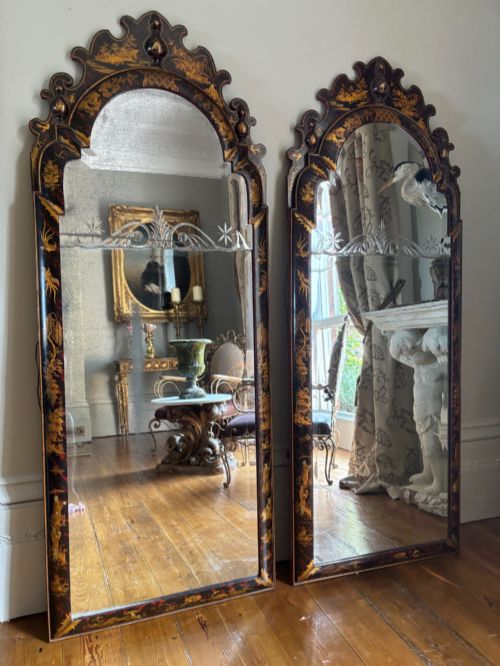
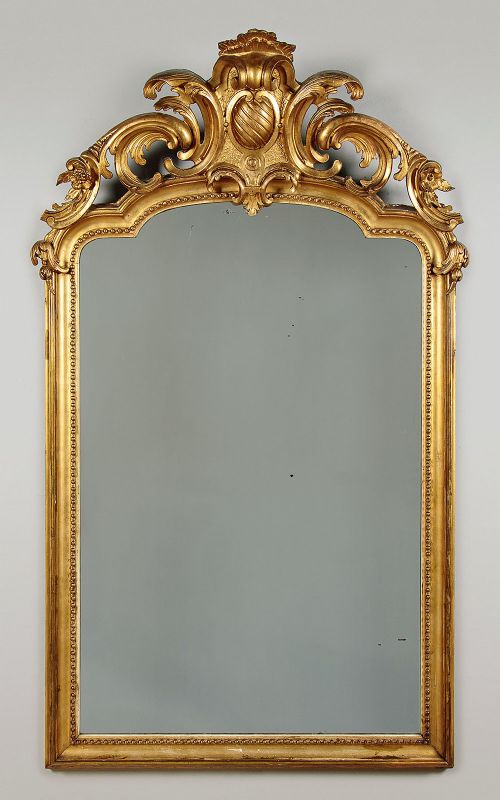
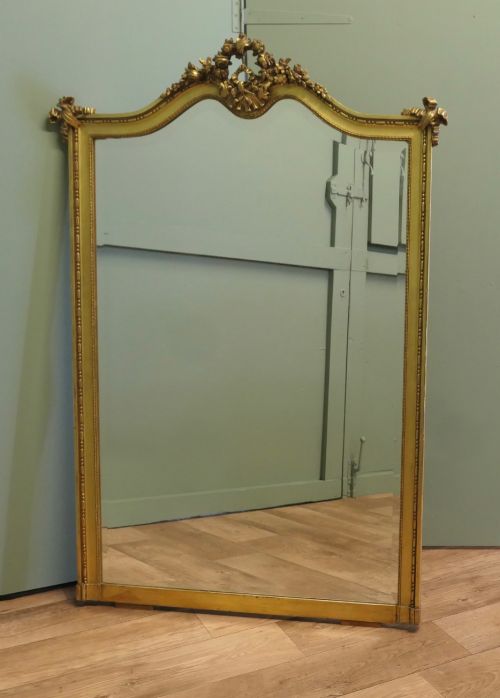
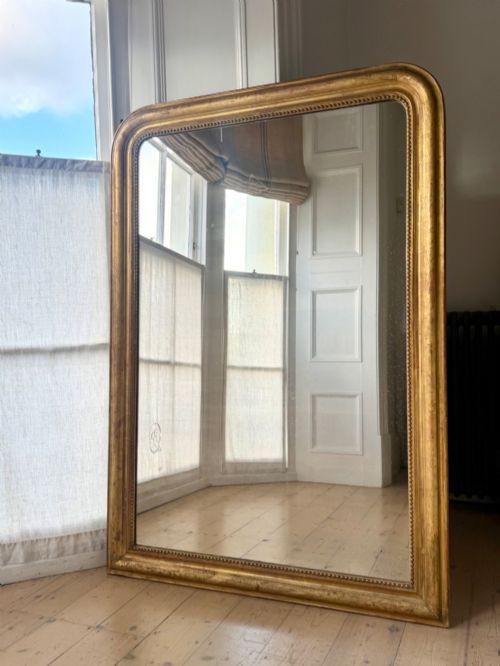
Gilded Arched Top Mirror
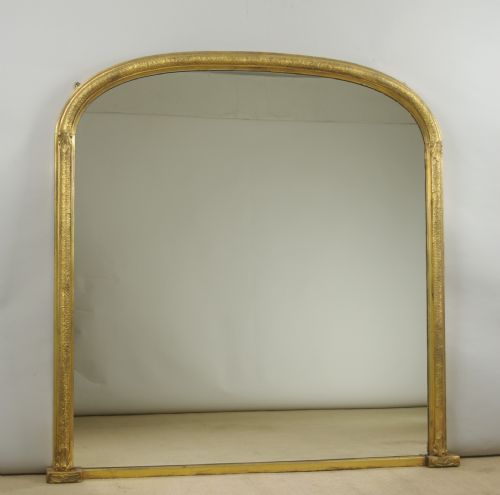
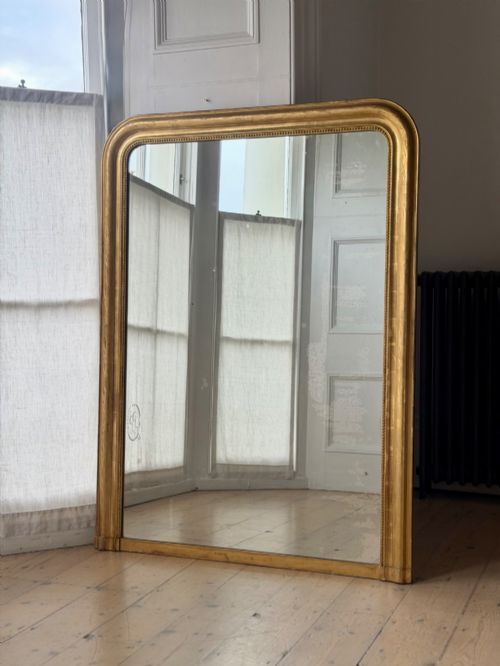
A gilded arched top mirror brings light and presence to a room, drawing the eye upwards with its curved silhouette and radiant gold surface.
Gilded Arched Top Mirror
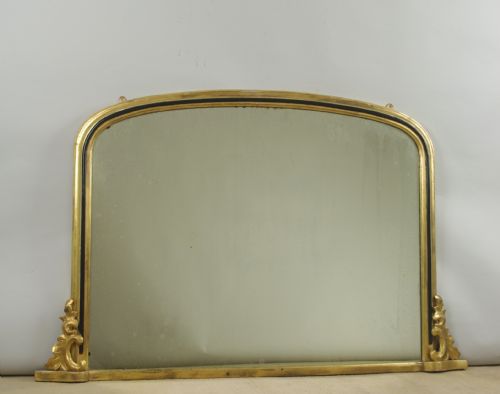
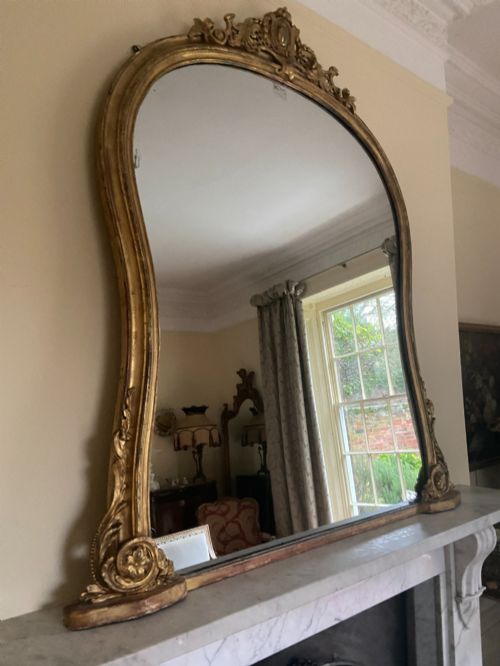
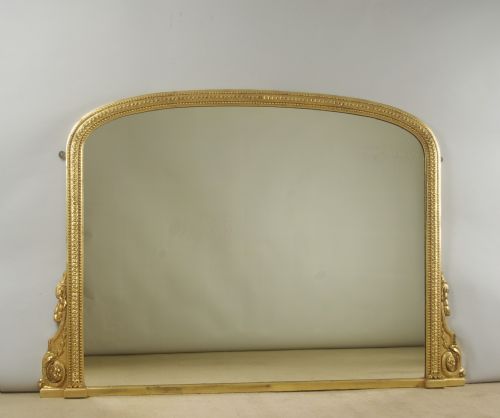
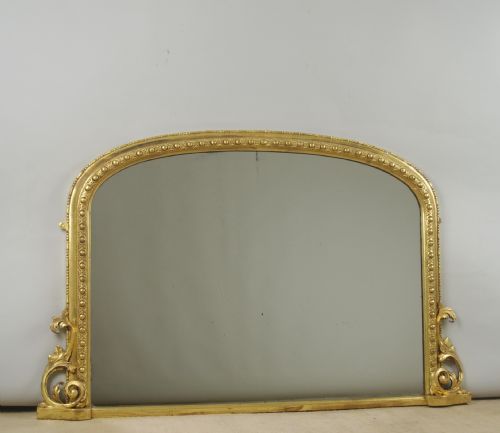
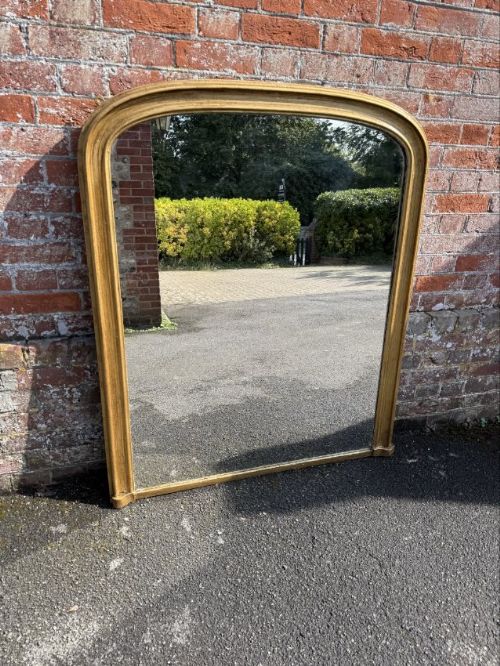
A gilded arched top mirror acts as a traditional focal point, frequently designed to sit above a fireplace as an overmantle or to function as a grand wall mirror. These pieces emerge primarily from the nineteenth century, spanning Victorian and Georgian periods alongside continental French Louis Philippe and Rococo styles.
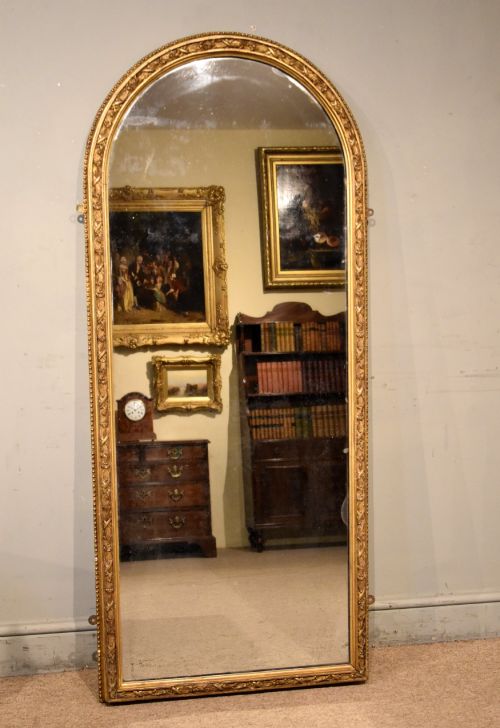
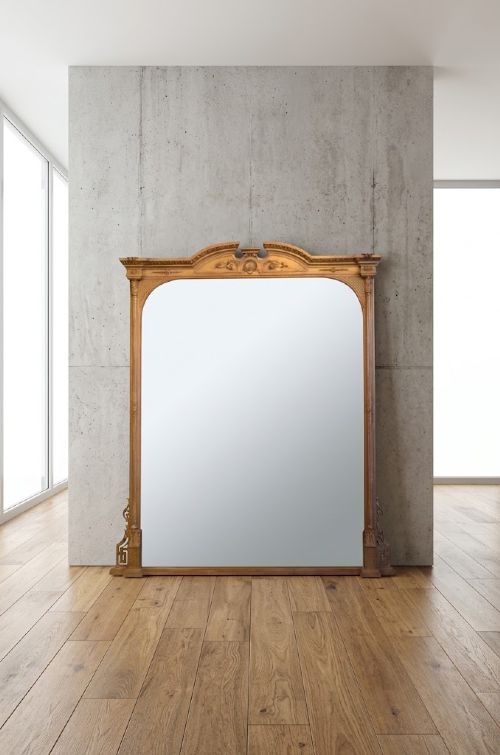
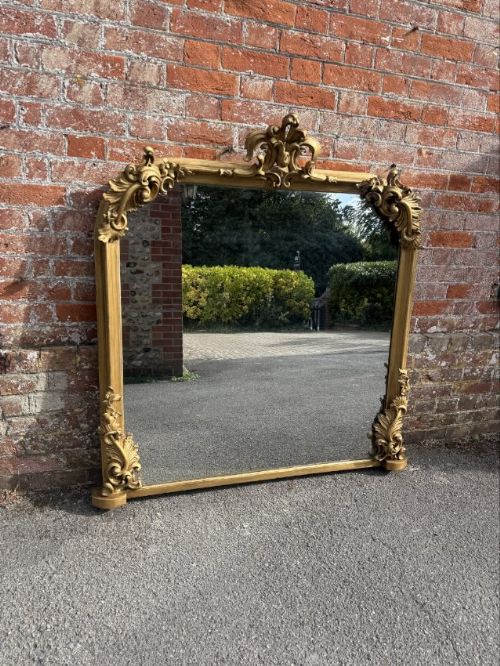
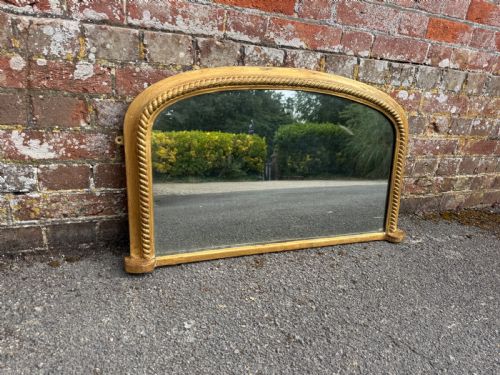
The dominant forms on this page are large overmantle mirrors and tall wall mirrors featuring distinctive curved upper arches. English examples frequently display carved wood and gesso construction, whilst French counterparts include Louis Philippe designs and pier mirrors.
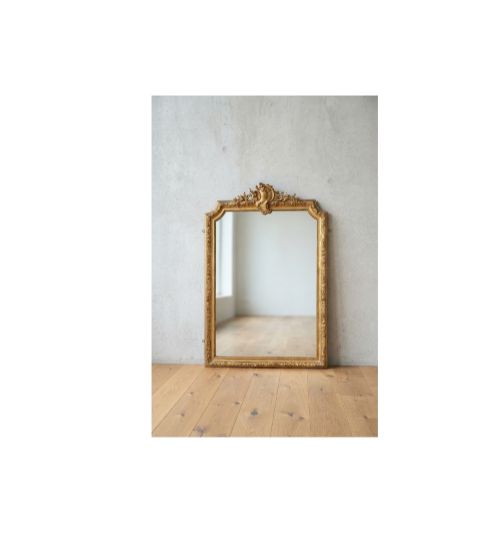
Makers and designers worked within established historical revivals, producing pieces that range from restrained architectural frames to heavily decorated French Rococo creations adorned with flowers and ribbons.
How they were made
Frames are constructed from wood, such as carved timber, layered with gesso to create a smooth surface for gilding. Artisans applied gold leaf or composition metal leaf to achieve the characteristic metallic sheen.
Mirror glass of the period was often set by hand, with select French pieces retaining original mercury glass. Detail work involved intricate carvings, rope twists, ribbing, and ebonised accents to contrast with the surrounding gold.
Gilded Arched Top Mirror Retail Price Guide 2026
Typical asking prices for gilded arched top mirror among the pieces listed under this phrase on Sellingantiques today, from the lower quarter to the upper quarter. They describe what is for sale here now, not the wider market.
What varies in quality
The depth and crispness of the hand-carving define the upper tier of these pieces, distinguishing finely worked wooden ornamentation from simpler moulded decoration. Original gilding surfaces and the preservation of the gesso layer heavily influence the visual integrity of the frame.
The quality of the mirror plate itself matters greatly, with older glass displaying subtle distortions and depth that mass-produced replacements lack. Proportion and scale also dictate value, particularly in large overmantle mirrors where the balance of the arch determines the architectural harmony.
The Gilded Arched Top Mirror Glossary
- Giltwood
- Wood that has been coated with gold leaf or a gold-coloured finish. This material forms the primary reflective frame structure.
- Gesso
- A plaster-like mixture applied to wood frames to provide a smooth base for carving and gilding. It allows for intricate relief decoration.
- Overmantle
- A mirror specifically proportioned to hang on the wall directly above a mantelpiece or fireplace. These pieces often feature wide horizontal or tall arched proportions.
- Pier glass
- A tall mirror designed to hang on the narrow section of wall between two windows. They often reflect additional natural light into Victorian and Georgian interiors.
- Louis Philippe
- A French nineteenth-century style characterised by restrained classical proportions and a subtle upper arch with softened corners. These frames balance simplicity with elegance.
Gilded Arched Top Mirror: Frequently Asked Questions
Where should I hang an overmantle mirror?
These mirrors are traditionally positioned directly above a fireplace mantelpiece to anchor the room and reflect light. Their substantial scale allows them to function as the primary decorative focus of a principal reception room.
Ensure the wall fixings are secured into solid masonry or studwork capable of supporting significant weight. The base of the frame should sit closely to or just above the mantel shelf for visual stability.
How do I identify a Victorian mirror?
Victorian pieces often feature robust construction utilising carved wood and gesso, frequently taking the form of large arched top overmantles. Look for specific period characteristics such as rope twist borders, ribbed mouldings, and ebonised details.
Examining the backboards, fixings, and the composition of the glass plate helps confirm nineteenth-century origins. Makers of this era frequently drew upon Rococo and classical revival motifs.
What is mercury glass?
Mercury glass refers to antique mirror plates produced by applying a tin and mercury amalgam behind the glass pane. This technique creates a distinctive mottled, cloudy reflection with deep character.
Such glass is commonly found in nineteenth-century French mirrors, particularly Louis Philippe designs. The unique ageing process gives the reflection a soft, warm quality distinct from modern silvered glass.
How do I clean an antique gilt frame?
Dust the gilded surface gently with a soft, dry brush to remove loose particles without disturbing the delicate gesso or gold leaf. Avoid using water, liquid cleaners, or chemical solvents, which can strip the historic finish.
Take special care around carved details and areas where the gilding shows signs of age. Professional conservation is recommended if the surface layer is unstable or flaking.