

Gilded Plate
These gilded antique plate selections range from hand-painted porcelain cabinet pieces to Regency giltwood mirrors.
Gilded Plate
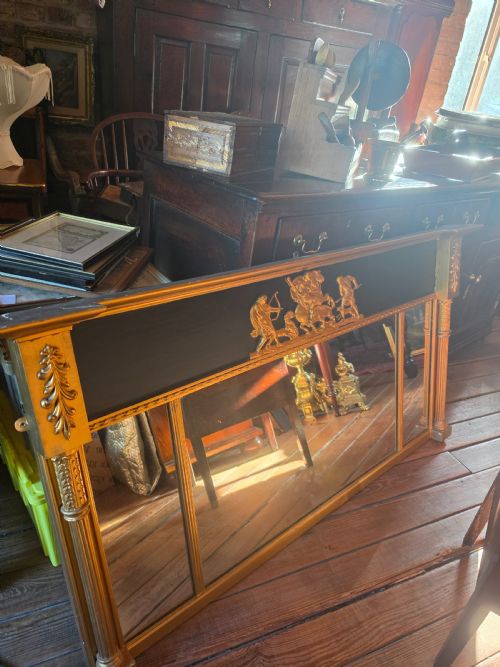
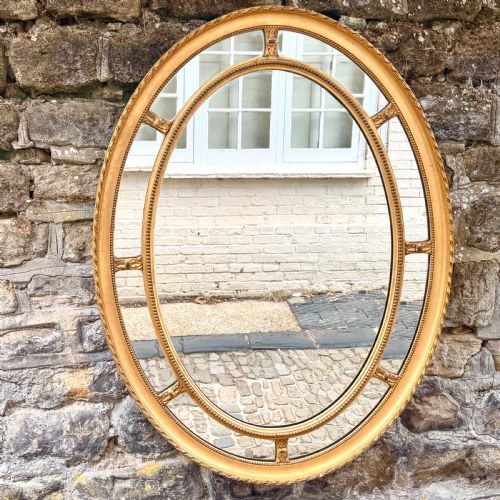
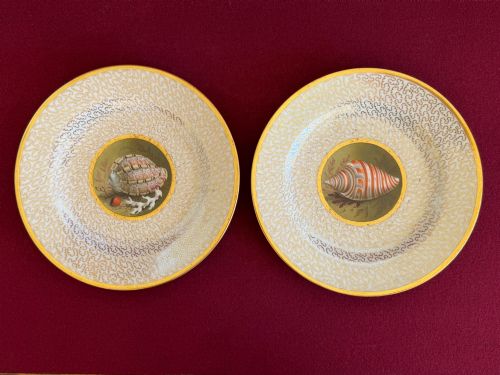
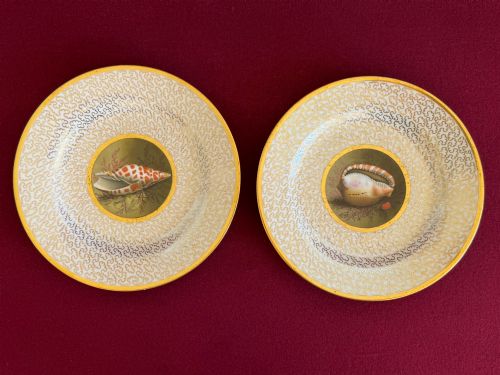
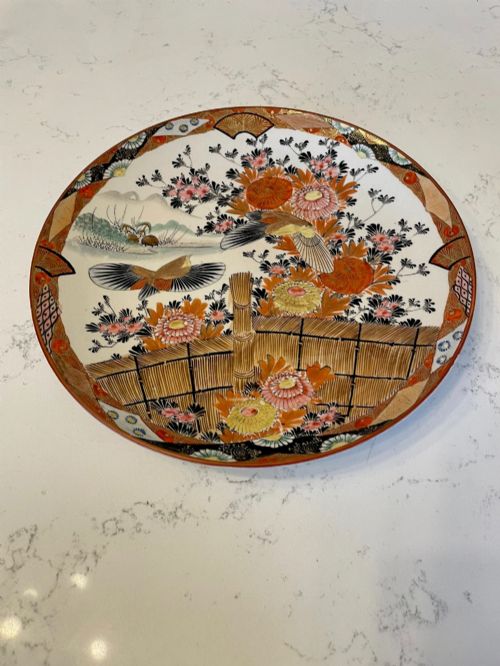
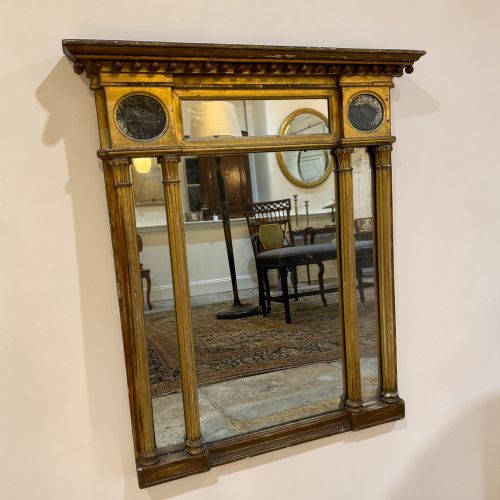
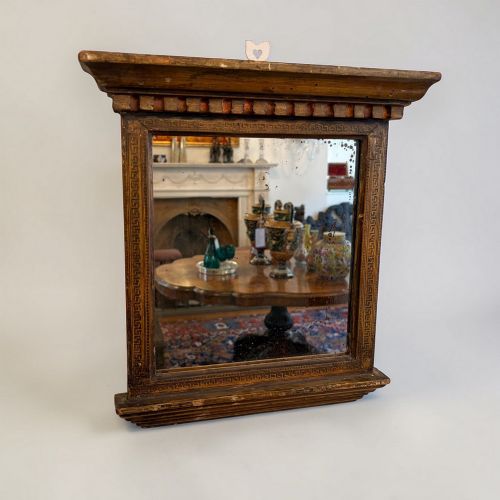
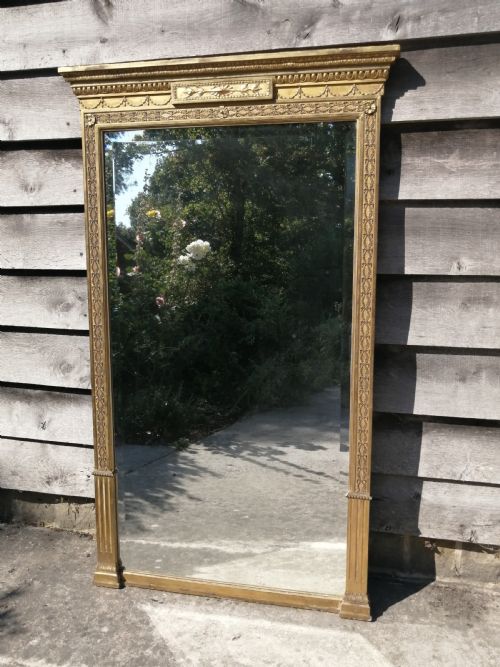
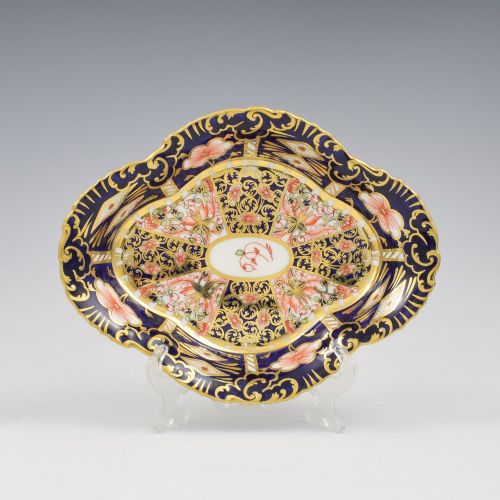
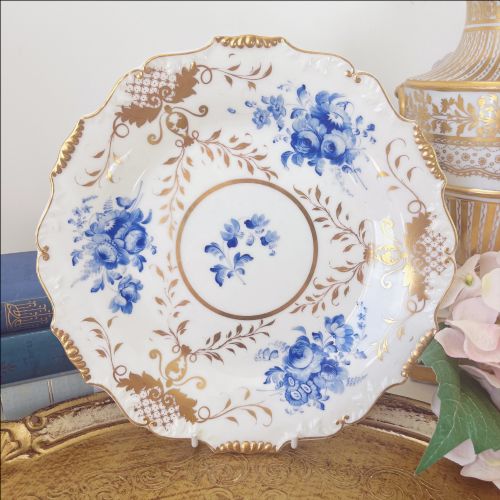
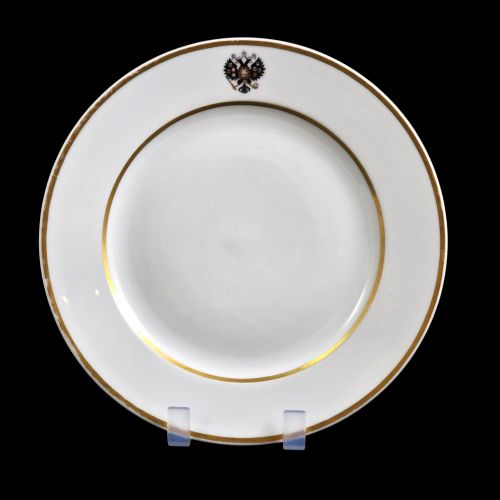
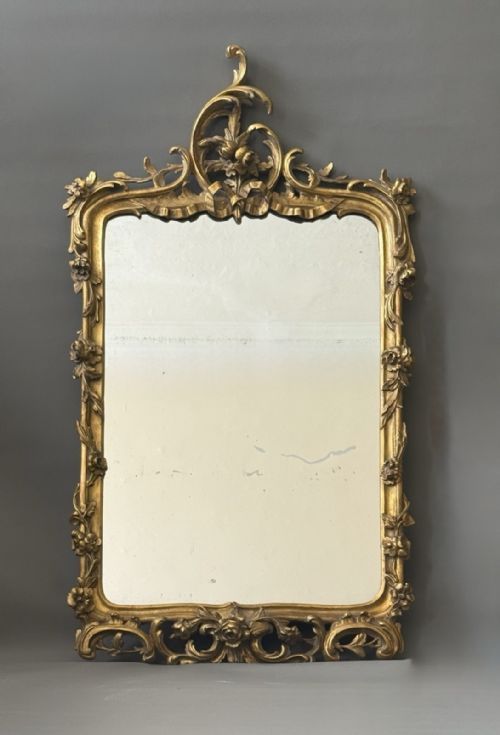
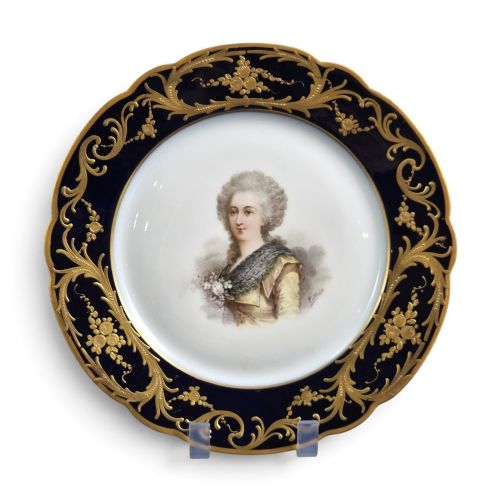
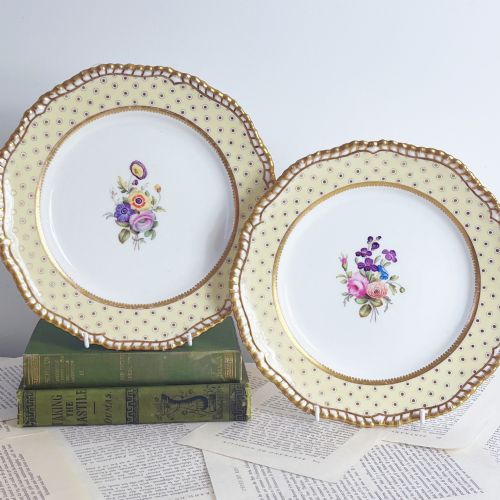
When searching for a gilded antique plate, buyers encounter two distinct forms across this page: ceramic tableware designed for display and mirrored glass held within gilded frames. Porcelain cabinet plates, chargers, and dessert services dominate the ceramic selections, often bearing hand-painted birds, fruit, or pastoral scenes from English and continental factories. Mirror plates set into carved giltwood, gesso, and overmantel frames represent the other primary manifestation of the phrase on this page.
The periods span from the eighteenth century through the Edwardian era and into the nineteen-thirties, with nineteenth-century productions forming the bulk of the available items. Factory-marked porcelain from Worcester, Royal Worcester, Derby, and Sèvres sits alongside Regency pier mirrors and Rococo revival wall hangings. Each piece relies on the application of gold leaf, parcel gilt, or gold paint to elevate its decorative status.
Materials and technique
Porcelain and bone china form the foundation of the ceramic items, shaped on wheels or pressed into moulds before receiving hand-painted enamel decoration. Artisans applied gold leaf or liquid gold to borders and motifs, subsequently firing the pieces to fuse the metallic lustre to the glaze. Signed cabinet plates often showcase meticulous brushwork depicting fruit or birds by named artists.
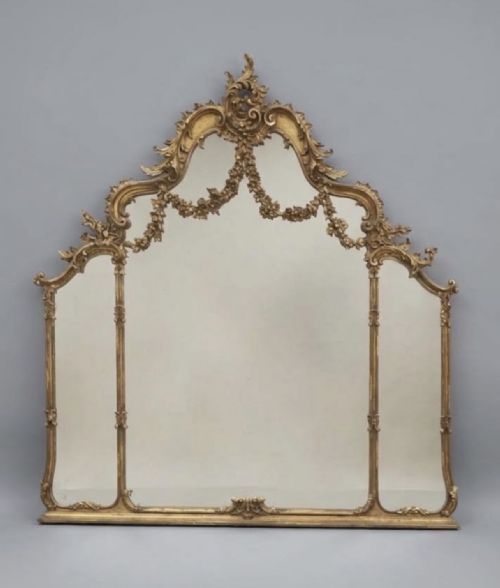
Mirrors utilise timber frames, typically carved wood or moulded gesso, which received layers of bole and gold leaf or gilt. The reflective glass plates themselves, whether single, triple, or bevelled, were silvered and fitted into the prepared rebates. Carving and gilding techniques varied between the classical restraint of the Regency period and the elaborate ornamentation of Rococo revival styles.
Listings for this phrase include Royal Worcester cabinet plates dated across multiple decades from the late nineteenth century to the mid-twentieth century.
Variations in quality
Quality rests upon the execution of the painting and the depth of the gilding on ceramic pieces, where master painters such as Richard Sebright or Albert Shuck elevated standard blanks into significant cabinet works. Factory attribution also plays a role, with established works like Dr Wall Worcester or early Sèvres commanding attention for their paste and glaze consistency. Crispness of detail in the hand-painted subject matter separates ordinary decorative wares from superior examples.
For mirrored pieces, the integrity of the carved giltwood frame and the preservation of the original antique glass plate determine the standard. Hand-carved wooden frames display sharper relief and deeper undercut details than moulded compo or gesso alternatives. Original silvered plates showing age-appropriate oxidation without severe silver loss hold greater appeal for traditional interiors.
Spode·Wedgwood·Royal Crown Derby·Meissen·Royal Worcester·Mappin & Webb
The Gilded Plate Glossary
- Cabinet plate
- A decorative ceramic plate intended for display on a wall, cabinet, or stand rather than for dining use. These pieces frequently feature elaborate hand-painted scenes or rich gilding.
- Giltwood
- Timber, commonly pine or gesso-coated wood, that has been decorated with thin sheets of gold leaf. It defines the frames of many antique Regency and Rococo mirrors.
- Charger
- A large decorative plate or dish, considerably broader than a standard dinner plate. They appear frequently in Imari and Paris porcelain styles.
- Overmantel mirror
- A wide mirror designed to hang specifically above a fireplace mantelpiece. Surviving examples often incorporate triple plate glass within an ornate gilt frame.
- Pier mirror
- A tall, narrow mirror designed to fit the wall space between windows. Regency pier mirrors frequently feature original glass plates and gilded columns.
Gilded Plate: Frequently Asked Questions
How do I hang a heavy giltwood mirror safely?
Heavy giltwood frames require robust wall fixings anchored directly into masonry or substantial timber studs. Professional mirror hangers utilise heavy-duty D-rings and multi-strand wire rated well above the weight of the frame.
Position the mirror at a height that balances the room proportions while keeping the hanging hardware secure and concealed behind the rebate.
Can antique porcelain cabinet plates be used for food?
Antique porcelain cabinet plates feature delicate overglaze enamel paintings and gold leaf that can wear away with regular use and cutlery contact. Historic glazes may also contain trace elements unsuited for modern culinary standards.
Display these pieces on plate stands or wall mounts to preserve their painted surfaces and fragile gilded borders.
What is the difference between a dessert plate and a cabinet plate?
Dessert plates formed part of functional dining services, designed to be handled and washed after the final course. Cabinet plates were manufactured purely for visual appreciation, often featuring intricate, signed artistry that precluded practical service.
Many nineteenth-century services bridge this divide, where dessert plates were painted with such quality that they functioned effectively as display items.