
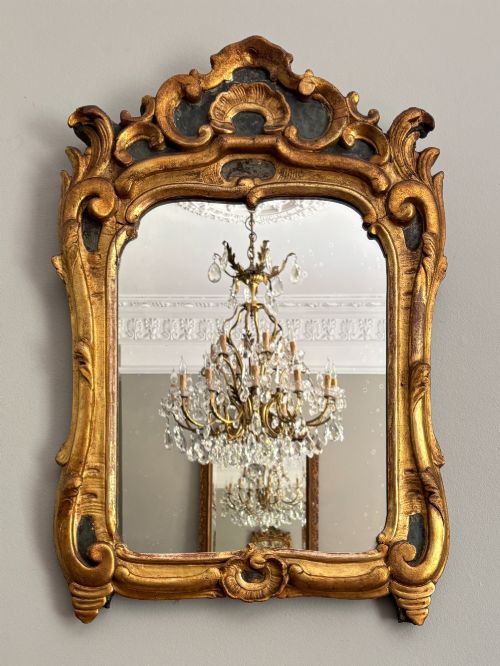
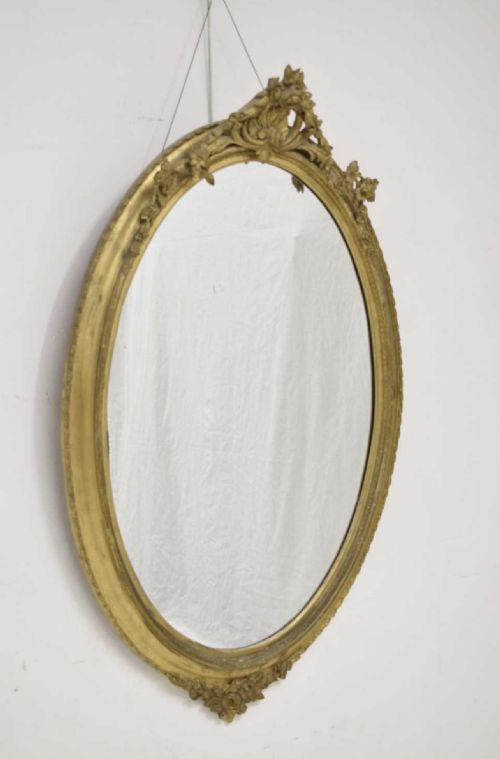
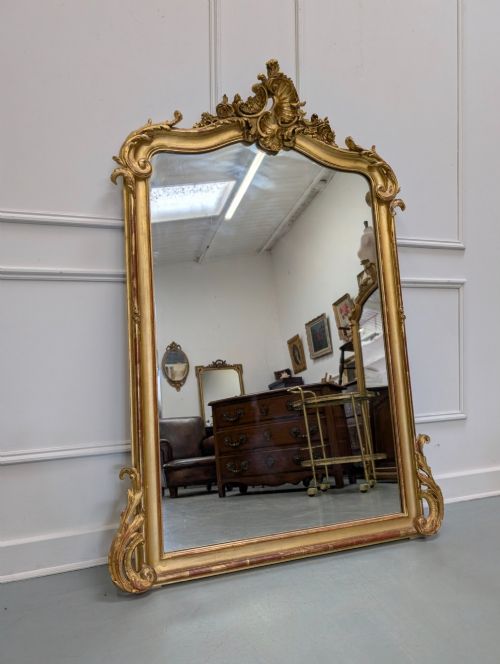
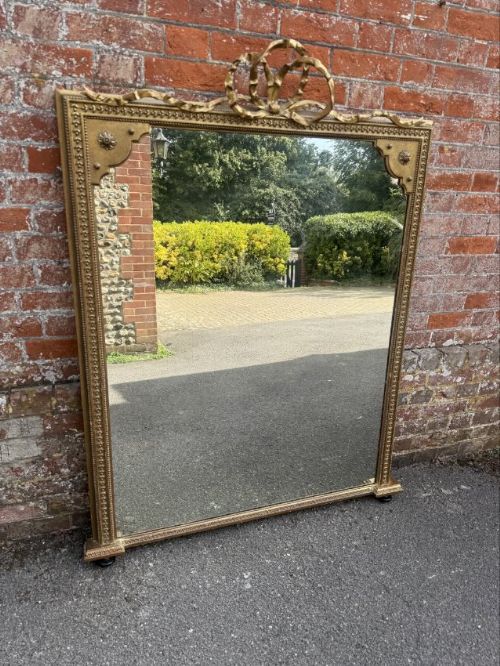

Gesso Crest Wall Mirror
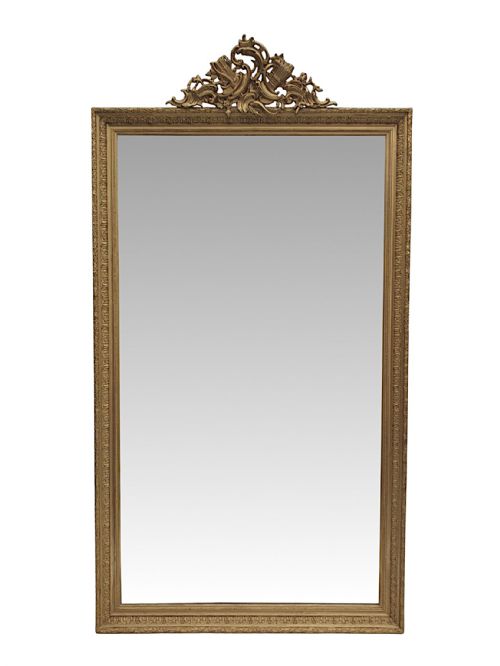
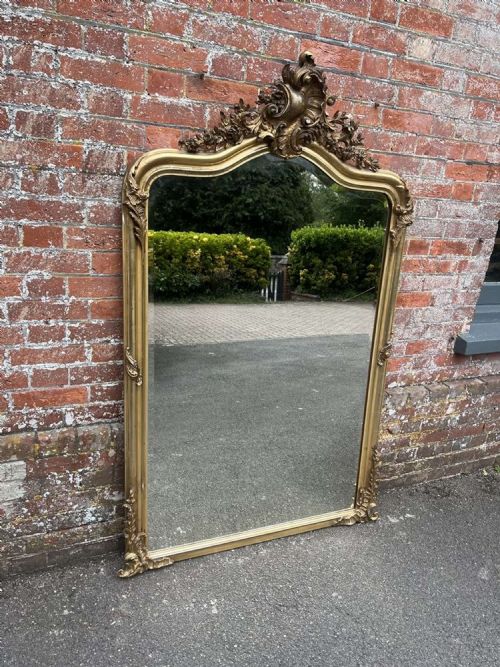
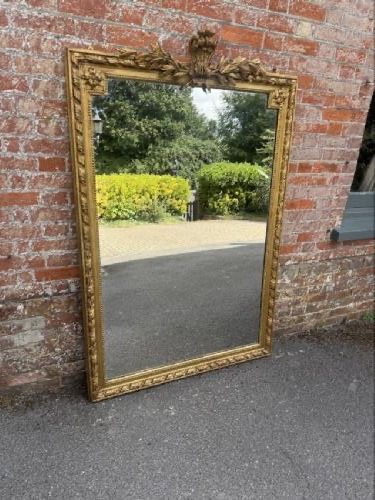
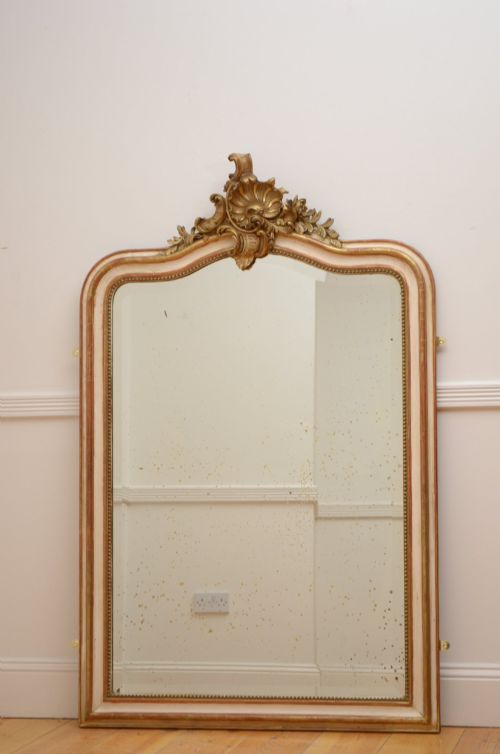
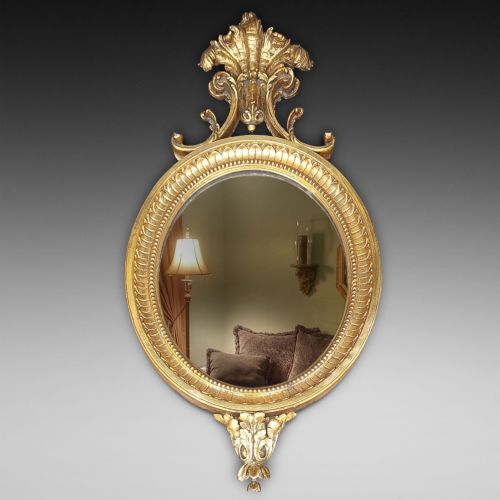
A gesso crest wall mirror brings reflective depth and sculptural ornament to a room, drawing the eye with detailed crest motifs.
Gesso Crest Wall Mirror
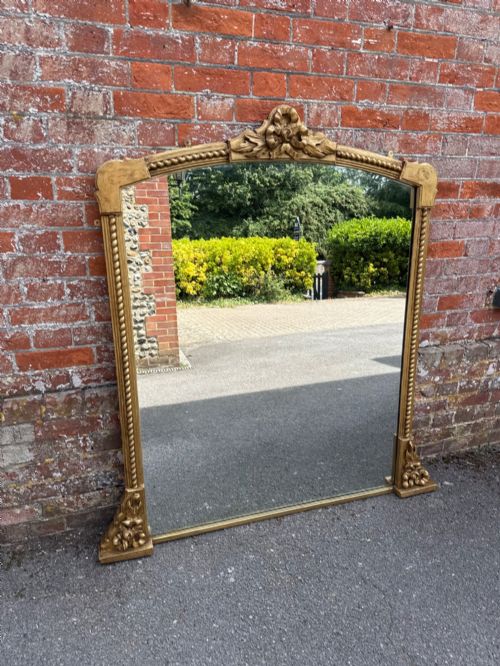
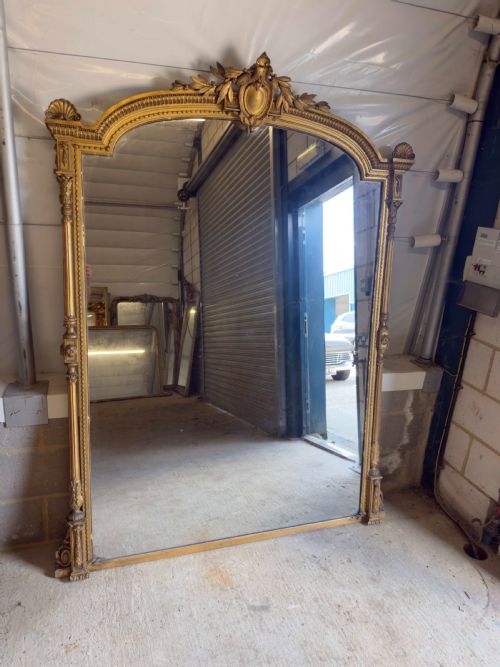
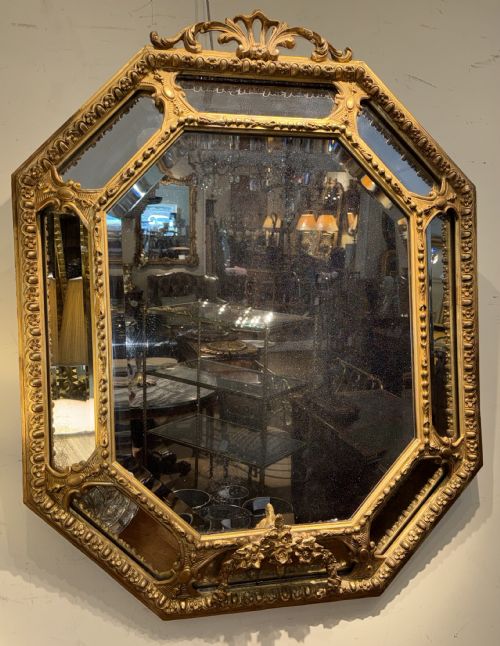
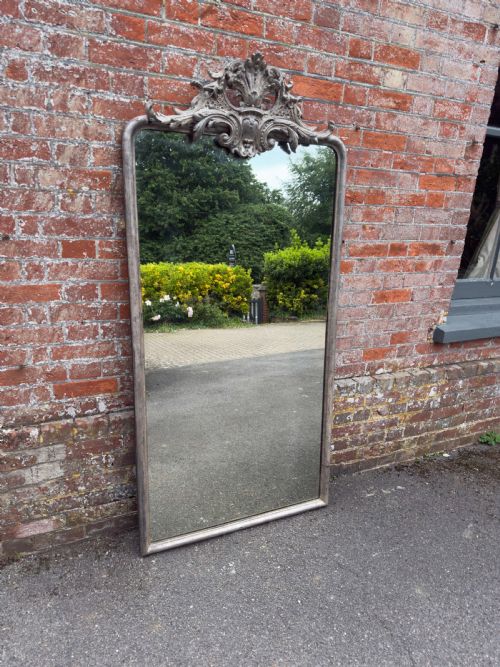
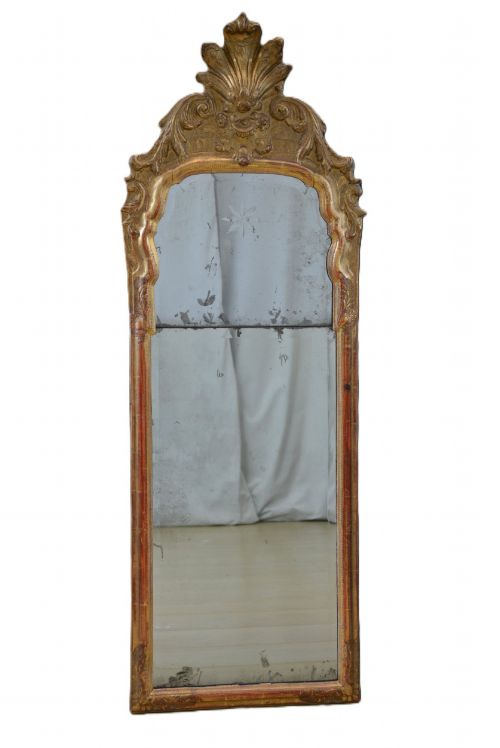
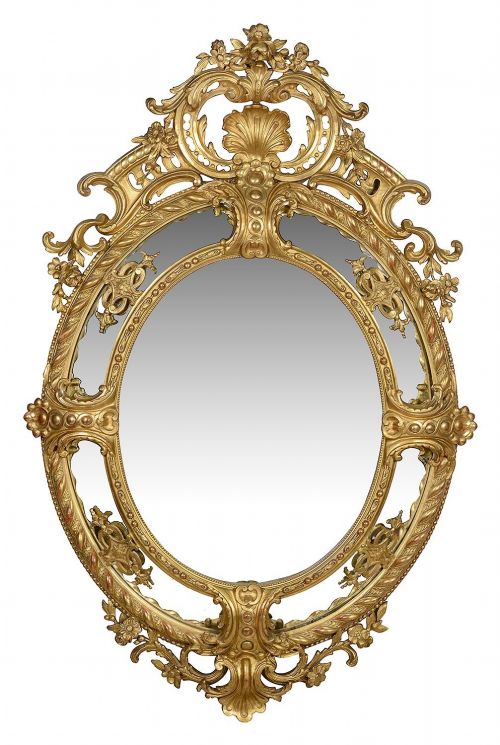
When searching for a gesso crest wall mirror, buyers encounter grand overmantels, tall pier glasses, and shaped wall pieces originating from the eighteenth, nineteenth, and early twentieth centuries. These large formats often feature elaborate pediments, shells, lions' heads, and bird crests.
The selections span English and French workshops, encompassing Victorian, Regency, Napoleon III, and Rococo Revival styles. Many pieces show shaped or arched tops designed to anchor a mantelpiece or fill a vertical wall space.
Makers drew upon historical vocabularies, producing everything from strict classical symmetry to sweeping asymmetric curves. The resulting forms range from restrained rectangular profiles to dramatic hourglass and cushion frames.
Materials and construction
The underlying structure of these frames relies on carved wood, which provides the rigid skeleton required for heavy glass plates. Artisans then applied layers of gesso - a mixture of plaster of Paris or chalk with glue binder - to build up the complex relief ornament.
Finishes typically involve gold leaf, giltwood, or paint applied directly over the prepared gesso surface. The reflective element is standard mirror glass, sometimes housed in multi-part frames with silvered or painted accents.
Several mirrors watch over rooms accompanied by carved lions, hoho birds, and assorted shells.
Distinctions in craftsmanship
Quality rests in the crispness of the modelled gesso relief and the depth of the underlying wood carving. Superior examples exhibit sharp botanical or animal motifs without the softening of details often seen in secondary castings or heavy over-restoration.
The harmony between the crest design and the proportions of the glass plate dictates the overall success of the piece. Master craftsmen balanced intricate ornamentation with structural integrity, ensuring the frame supports the weight of the mirror glass cleanly.
The Gesso Crest Wall Mirror Glossary
- Gesso
- A plaster-based material applied to wood frames and sculpted or moulded into relief decoration. This substance takes gilding and paint effectively.
- Giltwood
- Timber that has been coated with gold leaf or gold paint. It provides a luminous surface that catches natural light in an interior.
- Overmantel mirror
- A large horizontal mirror designed specifically to hang above a fireplace mantel. These pieces often feature prominent crests to fill vertical wall space.
- Pier mirror
- A tall, narrow mirror created to hang on the wall space between windows. They frequently incorporate classical architectural motifs.
- Rococo Revival
- A nineteenth-century style drawing inspiration from eighteenth-century French design. It relies on asymmetrical scrolls, shell motifs, and naturalistic curves.
Gesso Crest Wall Mirror: Frequently Asked Questions
Where should I hang a large overmantel mirror?
These pieces traditionally sit directly above a fireplace mantel to reflect light and anchor the room's main focal point. They also function effectively above low sideboards or console tables in principal reception rooms.
Ensure the wall construction supports the combined weight of the wood frame and heavy glass plate. Secure fixings directly into wall studs or masonry for stability.
How do I distinguish between Regency and Victorian pieces?
Regency frames generally favour cleaner classical lines, symmetry, and architectural motifs such as columns or specific bird crests. Victorian versions often embrace exuberant revivalism with heavier ornamentation, deeper gesso relief, and elaborate shaped tops.
Examining the construction methods on the reverse provides further clues regarding the period of manufacture. Tool marks and timber types often align with nineteenth-century workshop practices.
Can these mirrors be cleaned safely?
Dust the gesso and carved wood gently with a soft, dry brush to prevent accumulating debris in the recesses of the relief work. Avoid liquid cleaners near the gesso, as moisture can soften the historic preparation layers.
Clean the glass plate sparingly using a cloth dampened slightly with water or a mild glass cleaner. Prevent any liquid from seeping behind the glass edge where the silvering might be vulnerable.
What does a crest motif indicate?
Crests introduce a distinct sculptural element at the top of the frame, ranging from shells and foliage to animal heads or heraldic birds. These decorative peaks draw the eye upward and establish the stylistic period of the piece.
Carvers shaped these focal points from thick gesso build-ups over wooden cores. The complexity of the crest often reflects the ambition and skill of the original maker.