







German Art Deco Jewellery
German art deco jewellery delivers striking modernist lines and industrial materials, offering bold geometric style that collectors prize for its uncompromising vision.
German Art Deco Jewellery
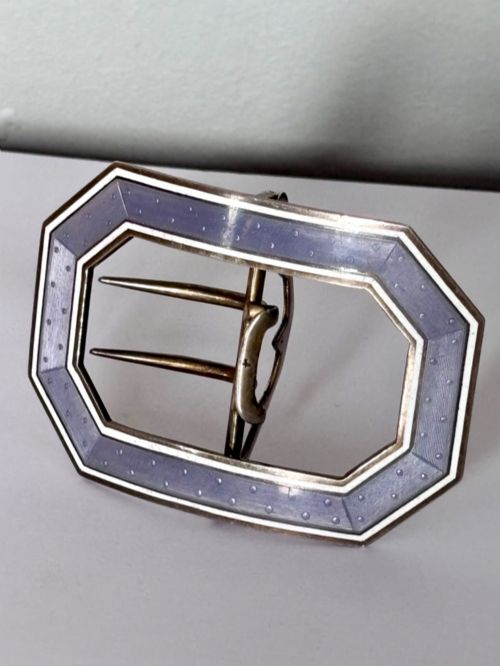
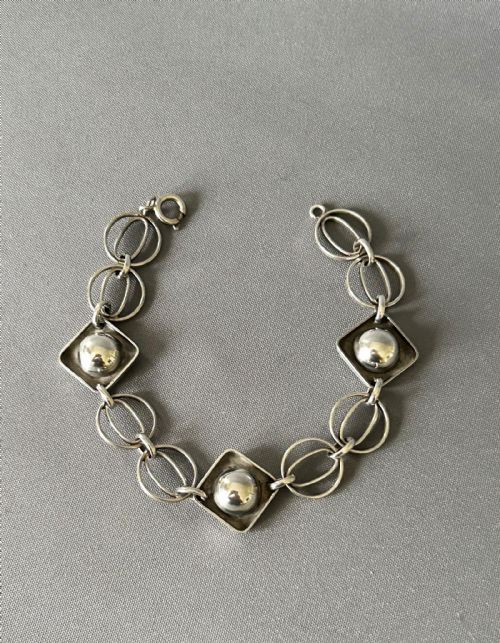
German art deco jewellery centres on the distinct aesthetic of the nineteen thirties, presenting geometric forms and industrial influences. Pieces on this page span bracelets, necklaces, trinket boxes, brooches, and dress clips.
The material palette embraces modern substances alongside precious metals, capturing an era of radical design shifts. Pieces range from silver and fourteen carat gold items to chrome and enamelled creations.
How they were made
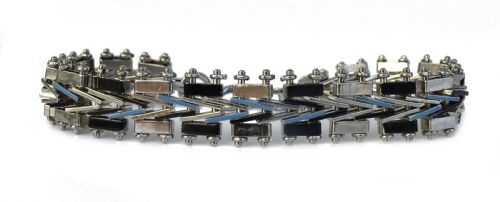
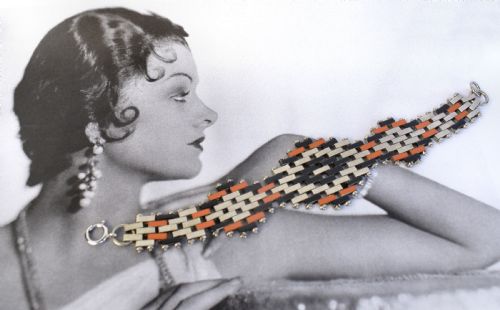
Maker construction combines base metals such as chrome and nickel with synthetic plastics like Galalith to achieve industrial textures. Enamel provides sharp colour contrast across geometric surfaces.
Precious components also appear in the range, pairing fourteen carat yellow gold with diamonds in traditional mounting techniques. Metalwork relies on link construction and panel assembly to form flexible bracelets and rigid brooches.
German Art Deco Jewellery Retail Price Guide 2026
Typical asking prices for german art deco jewellery among the pieces listed under this phrase on Sellingantiques today, from the lower quarter to the upper quarter. They describe what is for sale here now, not the wider market.
Powder boxes quietly join the glittering bracelets, proving the era demanded your face stay matte while your wrists looked industrial.
What varies in quality
Quality rests on the sophistication of the modernist design and the execution of geometric patterns. Pieces demonstrating complex brickwork link construction or intricate enamel work stand apart from simpler forms.
The choice of materials shifts the character of a piece from industrial novelty to fine luxury. Items utilising solid gold and diamonds represent a different tier of craftsmanship compared to chrome and Galalith creations.
Jakob Bengel
The German Art Deco Jewellery Glossary
- Galalith
- An early semi-synthetic plastic derived from casein, frequently utilised in nineteen thirties modernist design for its smooth finish and vibrant colour potential.
- Brickwork
- A distinctive link structure resembling brick patterns, often seen in modernist metal bracelets from the period.
- Dress clip
- A versatile two-pronged jewellery fastener designed to attach securely to clothing without piercing the fabric, popular during the art deco era.
- Modernist
- A design movement prioritising clean geometric lines and industrial aesthetics over traditional ornamentation.
German Art Deco Jewellery: Frequently Asked Questions
What defines german art deco jewellery?
These pieces combine industrial materials like chrome and Galalith with geometric modernist design. They reflect the aesthetic innovations of the nineteen thirties.
Forms include flexible bracelets, dress clips, and brooches that showcase a distinct departure from traditional Victorian ornamentation.
How do I wear these items?
Modernist bracelets and brooches suit contemporary wardrobes through their striking geometric silhouettes. They add an architectural element to simple outfits.
Care should be taken with delicate materials like enamel and early plastics during everyday wear.
What materials are most common?
Chromed metal and coloured Galalith appear frequently across the surviving pieces. Enamel accents provide visual depth to the metallic surfaces.
Silver and fourteen carat gold constructions also occur alongside diamond settings for more precious variants.
How are pieces attributed?
Attribution relies on distinctive construction techniques, typical modernist motifs, and specific maker designs such as brickwork link patterns. Documentation often links surviving examples to major workshops.
Stylistic markers help separate these industrial creations from other European decorative periods.