




1930s Modernist Jewellery
1930s modernist jewellery strips away Victorian clutter for clean industrial lines, geometric chrome, and vibrant early plastics that define interwar design.
1930s Modernist Jewellery
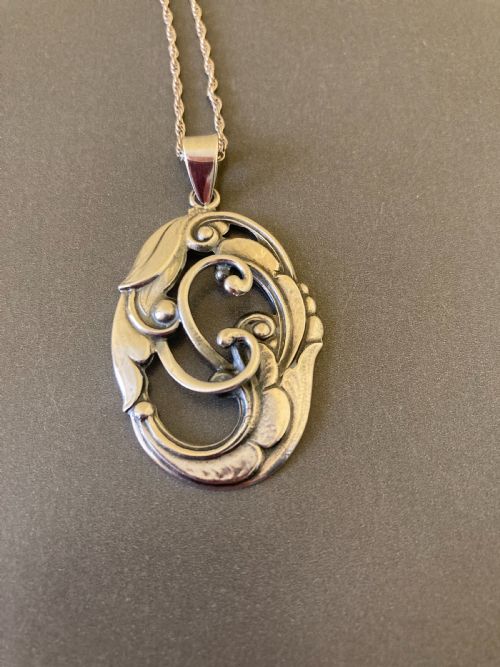
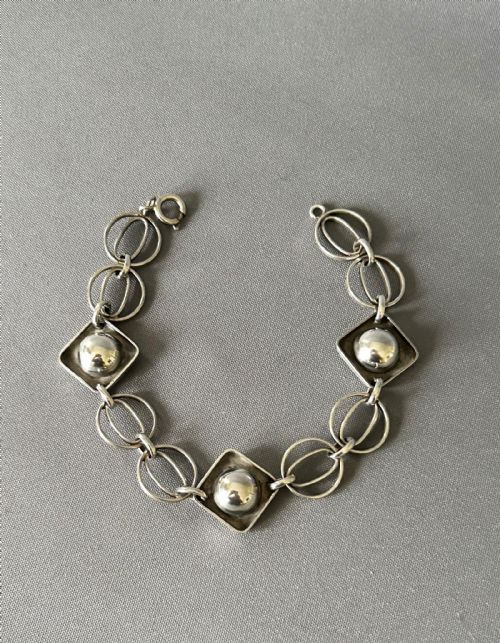
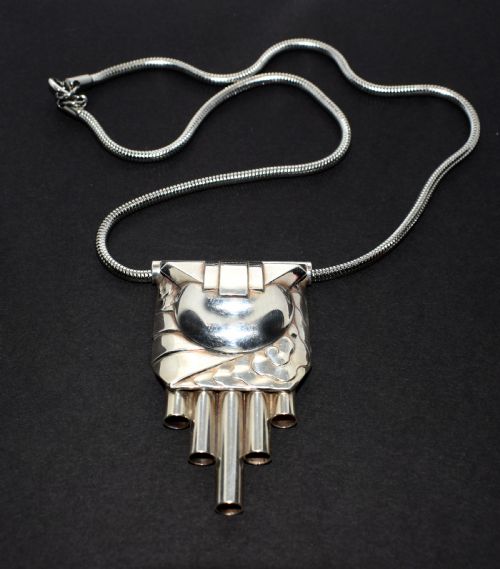
When you search for 1930s modernist jewellery, you encounter striking wearable geometry designed to catch the eye through pure form rather than heavy gemstones. These pieces represent a radical departure from traditional ornaments, favouring streamlined silhouettes that mirrored the machine age.
Origins span across Europe, with pieces originating from Denmark, Austria, and Germany, alongside notable German works. While the bulk of the selection sits firmly in the nineteen thirties, items extend from nineteenth century roots into the nineteen forties.
What varies in quality
The calibre of a piece often rests on the crispness of its geometric assembly and how securely the synthetic elements are housed within the metal framework. Superior items display precise joins and weighty construction, particularly in layered chrome and multi-component necklaces.
Material choice dictates the upper tier of the range, where stamped silver and deep, hand-finished enamel outlast simpler plated brass variants. The ingenuity of the mechanical linkage in bracelets and cufflinks also separates standard production from master workshops.
Listings incorporate items fashioned from Galalith, Bakelite, and phenolic resin, alongside chrome and silver plate.
Jakob Bengel
The 1930s Modernist Jewellery Glossary
- Bakelite
- An early form of synthetic thermosetting plastic prized for its ability to be moulded into geometric shapes and vibrant colours. It forms the backbone of many interwar industrial designs.
- Galalith
- A semi-synthetic plastic derived from casein milk protein, widely utilised for its rich colour depth and smooth polish. It often mimics amber or tortoiseshell in modernist pieces.
- Dress clip
- An ornament featuring a double-clip mechanism on the reverse designed to grip heavy fabrics without piercing them. They were frequently worn on lapels, necklines, or waistbands during the interwar period.
- Sknvirke
- A Scandinavian design movement focusing on craft and metalwork that influenced northern European silver production. It bridges traditional regional motifs with modern purity of form.
- Phenolic
- A broad category of synthetic resin encompassing early plastics like Bakelite. These materials allowed makers to introduce bold primary colours to metal jewellery.
1930s Modernist Jewellery: Frequently Asked Questions
How do I clean Bakelite jewellery?
Wipe the surface gently with a damp cloth and mild soap, ensuring you dry it thoroughly straight after. Avoid soaking these pieces in water or using harsh chemical solvents that can damage early plastics.
Keep them away from direct heat sources and perfumes to preserve the original sheen and prevent warping over time.
Can I wear these cufflinks daily?
These gents cufflinks are built with sturdy mechanical toggles and durable enamel faces designed for regular use. Treat them with reasonable care when fastening through shirt cuffs to protect the vintage metal plating.
Store them in a dedicated box when not in use to prevent scratching against other metallic items in your collection.
What defines Art Deco modernist style?
This aesthetic relies on stark geometric lines, industrial metals, and symmetrical patterns inspired by the machine age. It strips away ornate floral details in favour of raw architectural shapes.
The inclusion of chrome, synthetic resins, and sharp angles creates an unmistakably bold silhouette that stands apart from earlier Victorian styles.
How do I identify silver plate?
Silver plated items feature a thin layer of genuine silver bonded over a base metal core such as brass or copper. Over decades of gentle wear, the underlying metal may occasionally peek through at the highest friction points.
Use a soft microfibre cloth without abrasive polishes to maintain the bright reflective finish of plated surfaces.