



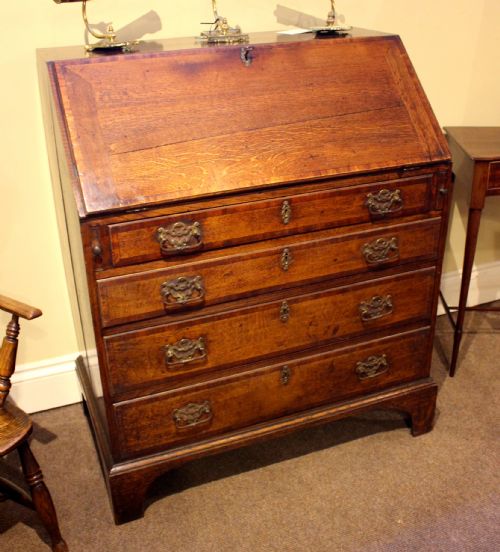
Georgian Writing Bureau Oak
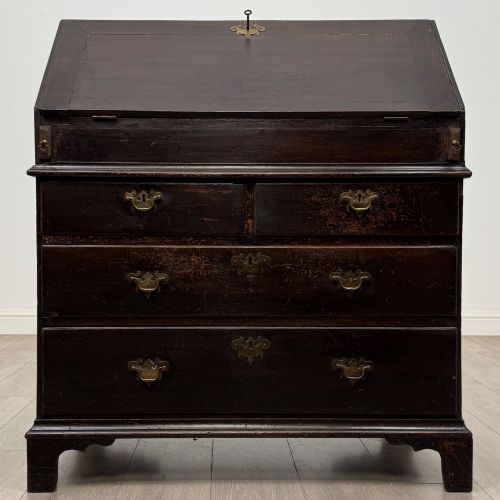
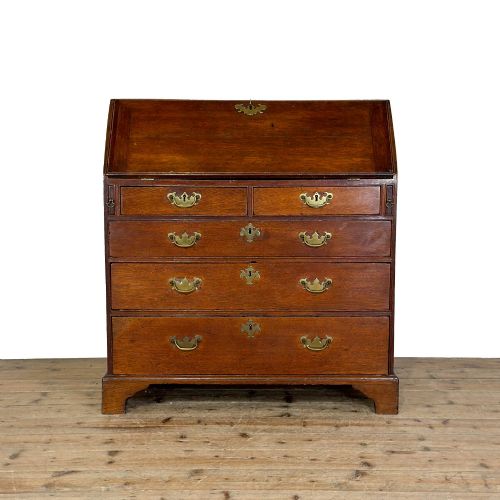
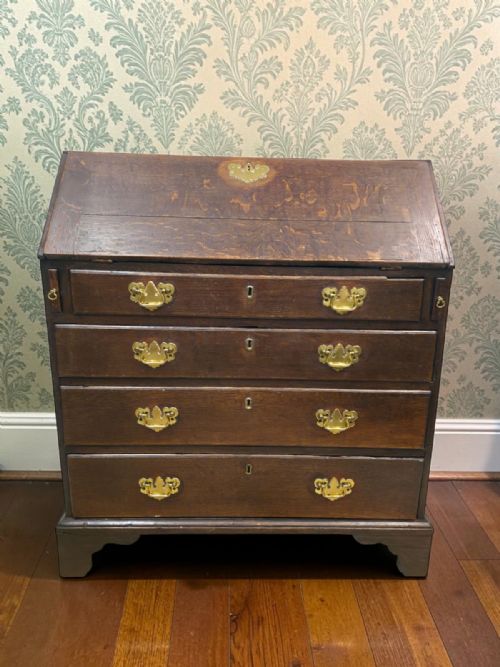
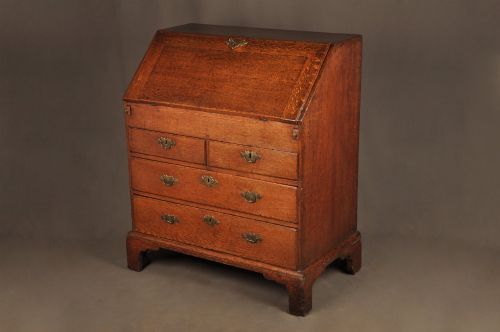
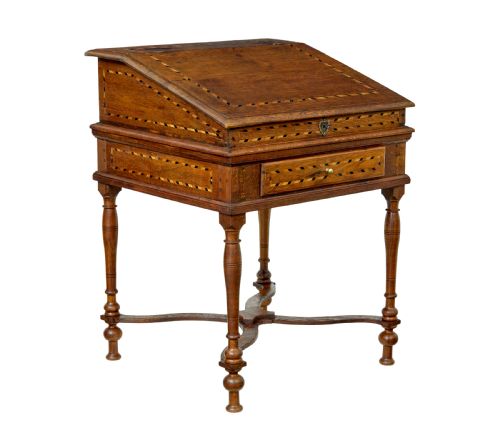
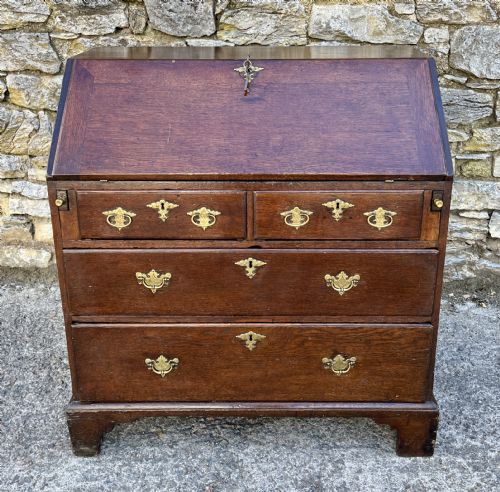
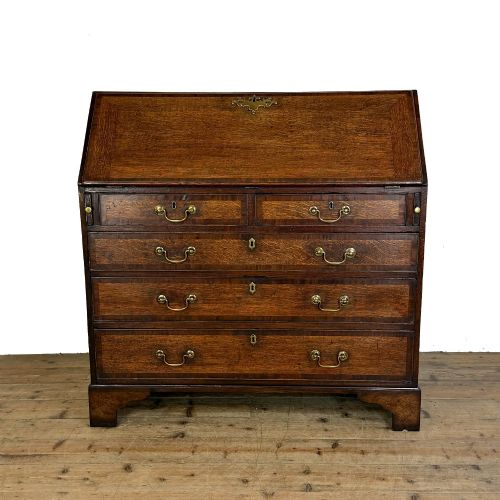
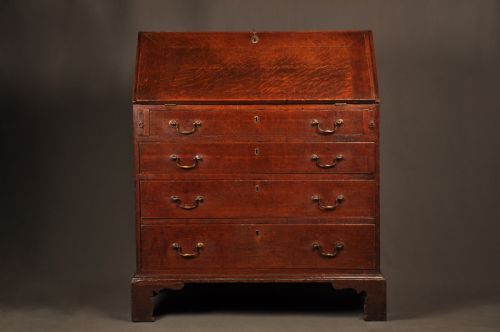
A georgian writing bureau oak sits heavy and dark in the room, offering a sloping lid that drops to reveal small drawers and pigeonholes for correspondence.
Georgian Writing Bureau Oak
A georgian writing bureau oak combines a practical writing slope with a chest of drawers beneath, forming a functional workspace designed for domestic paperwork. These pieces span periods from the early 18th century through the Georgian era, with occasional later revival examples appearing in the record.
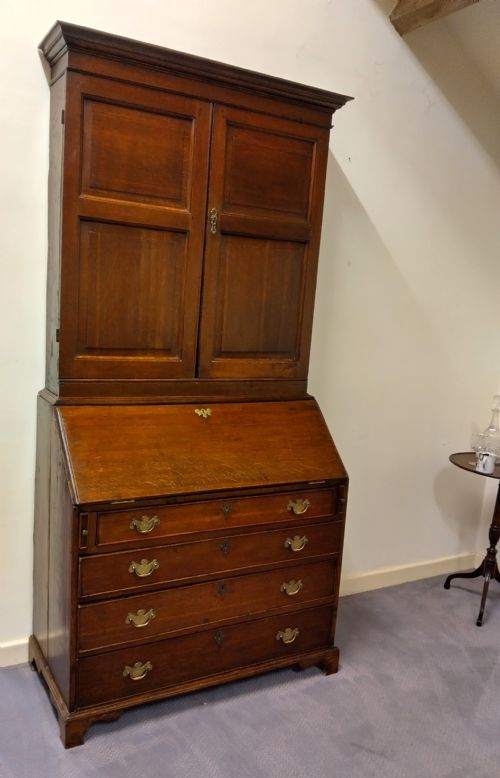
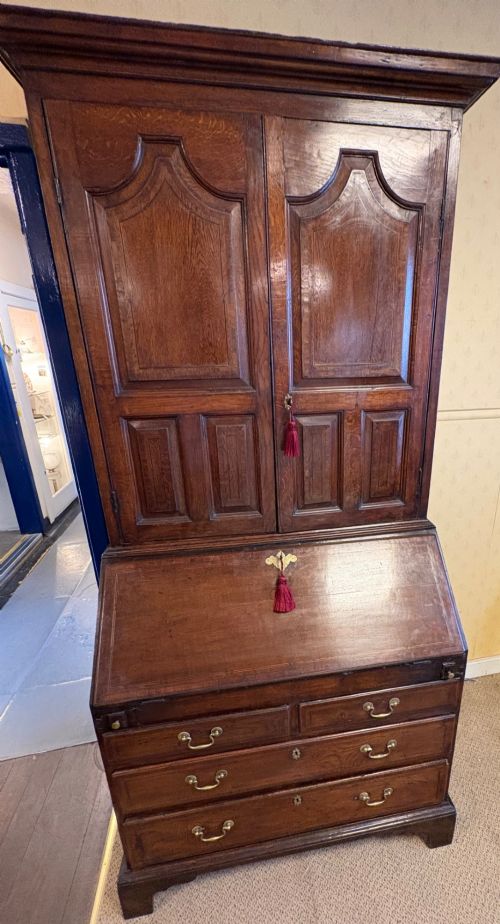
The dominant form on this page is the fall-front desk, though buyers also encounter taller bureau bookcases and compact corner or table-top variants. These objects originate largely from English and Welsh workshops, utilising native timbers for domestic utility.
Makers constructed these writing desks for everyday service in studies and parlours, leading to varied proportions ranging from small country examples to large clerk desks. The interior arrangements typically feature stepped drawers and secret compartments concealed behind pigeonholes.
What varies in quality
The sophistication of the interior fitments separates standard pieces from finer examples, particularly where makers incorporated stepped tiers and secret drawers. Timber selection also drives distinction, as plain boards differ from pieces displaying crossbanding or pollard oak figuring.
Proportions dictate refinement, with smaller bureaus and bureau bookcases commanding greater attention than utilitarian clerk desks. The crispness of carved details or the retention of original brass fittings influences the overall character of the piece.
Materials across the inventory include oak, walnut, fruitwood, and mahogany, supplemented by brass and leather.
The Georgian Writing Bureau Oak Glossary
- Fall-front
- A hinged writing flap that drops forward to serve as a horizontal desk surface. When closed, it conceals the internal compartments and drawers.
- Bureau bookcase
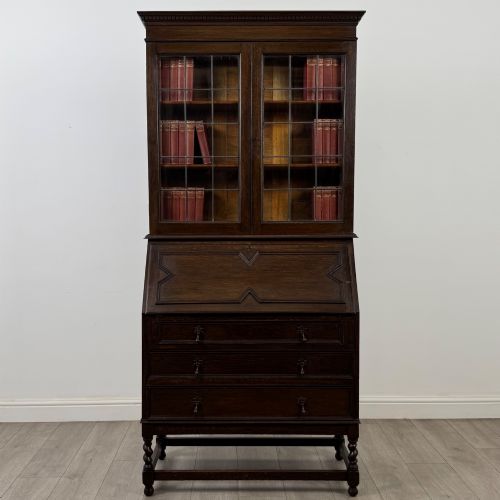
- A tall two-part furniture form combining a writing bureau base with an upper shelving or cabinet section enclosed by doors.
- Crossbanding
- A narrow strip of veneer applied to the borders of a writing flap or drawer front with the grain running perpendicular to the surrounding wood.
- Stepped interior
- An arrangement of internal pigeonholes and small drawers arranged in rising tiers within the writing compartment.
- Clerk desk
- A utilitarian writing form featuring a sloping top designed for standing or seated administrative work without extensive interior cabinetry.
Georgian Writing Bureau Oak: Frequently Asked Questions
How do I use a bureau daily?
Lower the fall-front flap to provide a stable wooden surface for writing or laptop use, making sure the support arms engage properly. Close the flap when finished to conceal correspondence and maintain a tidy room.
Store paper and small items within the internal pigeonholes and drawers. The lockable fall-front keeps contents secure when not in use.
Where should I place an oak bureau?
Position the piece against a sturdy wall in a study, living room, or hallway where the drop-front can open fully without obstruction. Avoid direct sunlight and intense heat sources to protect the oak panels.
Ensure adequate room lighting nearby for writing tasks at the lowered flap. Leave sufficient clearance behind chairs pulled up to the desk.
How do I tell an 18th-century bureau apart from later ones?
Examine the construction methods inside the drawer carcases, where hand-cut dovetails and pegged joints indicate early manufacture. Oak grain patterns and timber patination also help distinguish period items from Edwardian or later revivals.
Look at the interior configuration, as early pieces often feature complex stepped arrangements and secret compartments. Later revival pieces typically display more uniform machine-sawn timber characteristics.
What is the difference between a bureau and a bureau bookcase?
A standard bureau consists of a single writing desk chest with a sloping lid over drawers. A bureau bookcase adds a substantial upper storage cabinet with doors for books.
Bureau bookcases require significantly more vertical clearance and floor space in a room. Both share the same functional fall-front writing mechanism at the base.