


Georgian Work Box
When you search for a georgian work box, you are looking at domestic timber containers built to hold needlework and personal items.
Georgian Work Box
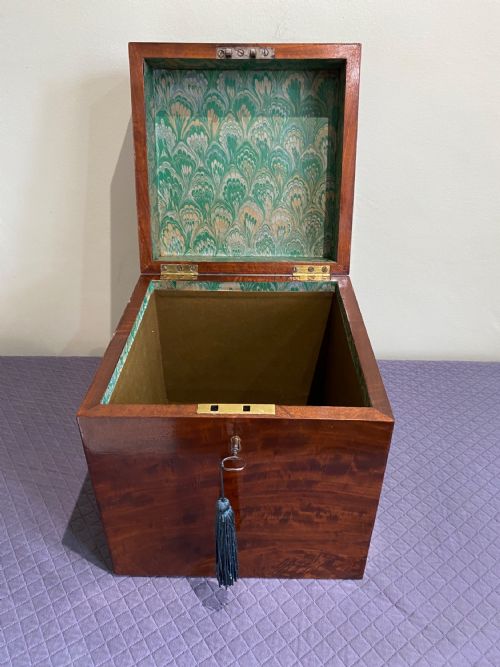
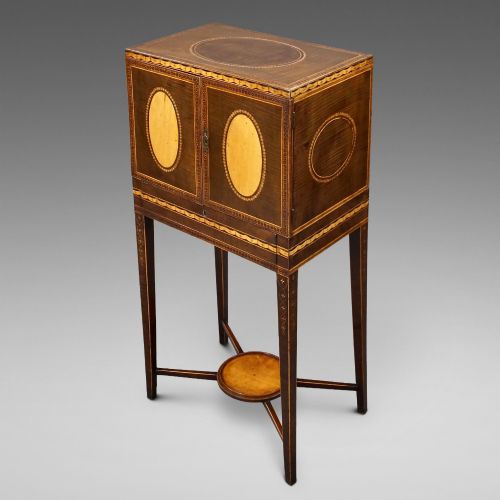
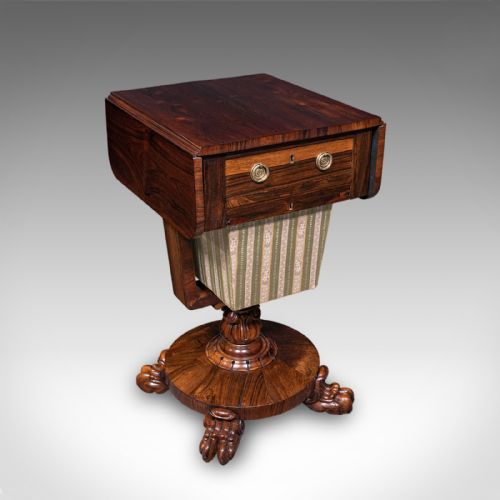
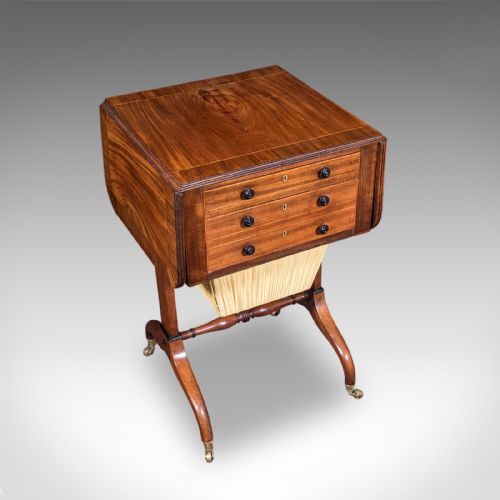
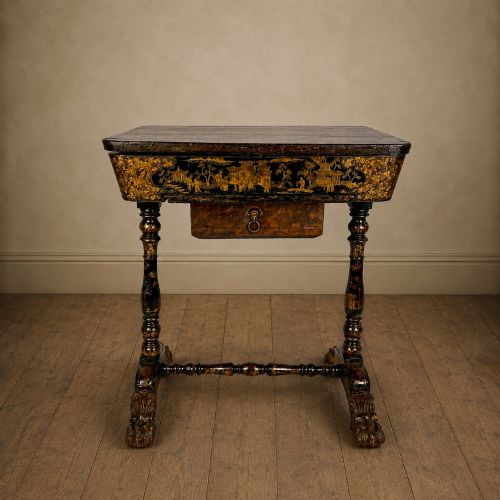
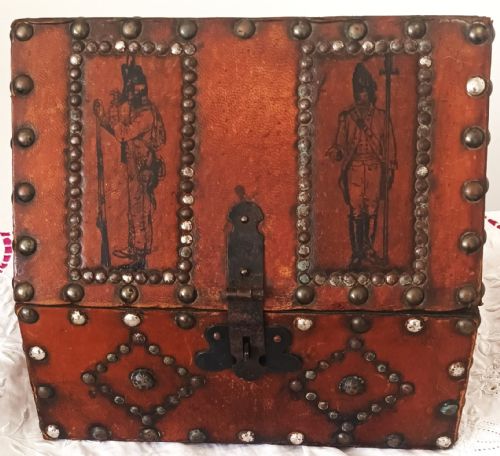
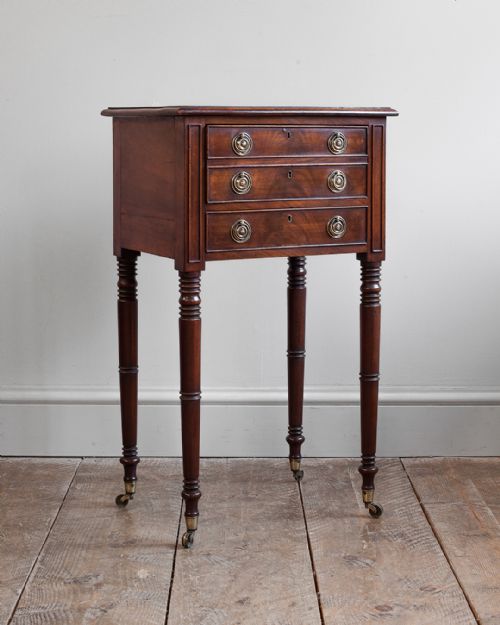
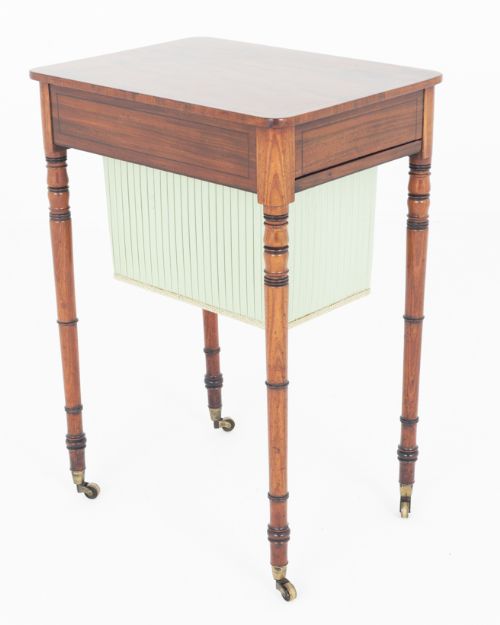
A georgian work box encompasses both portable tabletop containers and larger freestanding sewing tables designed for domestic utility. The portable boxes appear in rectangular formats with hinged lids, internal fitted trays, and sometimes hidden compartments for thread, pins, and needles. Freestanding versions incorporate drop leaves, storage bags of fabric, and drawers supported on columns or lyre ends.
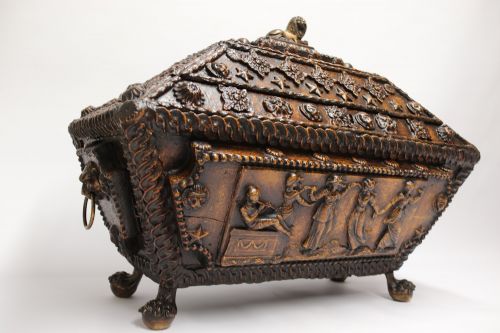
The pieces on this page span the Georgian, Regency, and William IV periods, alongside occasional later Victorian and Edwardian iterations. Mahogany and rosewood dominate the portable tabletop examples, while specialised regional techniques introduce satinwood, burr yew, and straw work into the record.
Tabletop variants function as compact storage for sewing equipment and letters, whereas the sewing table formats serve as portable writing desks and needlework stations combined. Most examples originate from English workshops, though prisoner of war straw work and Chinese export lacquer variants broaden the geographical scope.
Materials and Technique
Cabinetmakers constructed these objects using solid hardwoods such as mahogany, oak, and walnut, frequently applying fine veneers of rosewood, harewood, and satinwood to primary surfaces. Boxwood and ebony stringing, along with contrasting inlay, define the decorative borders of the lids and panels.
Specialist techniques visible across the inventory include penwork, pokerwork, quill work, and black and gilt lacquer. Interior fittings utilise silk and other fabric linings alongside turned bone or ivory pulls for internal compartments.
Georgian Work Box Retail Price Guide 2026
Typical asking prices for georgian work box among the pieces listed under this phrase on Sellingantiques today, from the lower quarter to the upper quarter. They describe what is for sale here now, not the wider market.
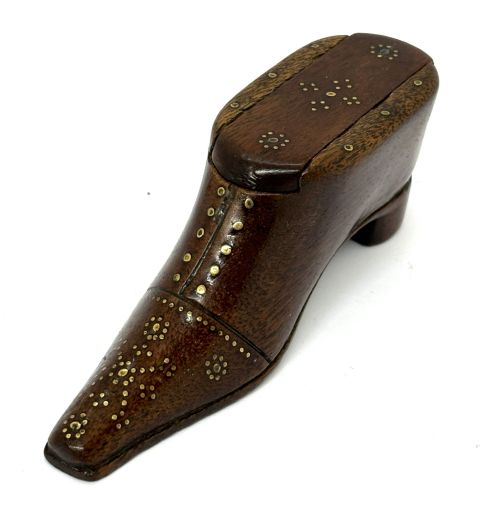
A Napoleonic prisoner of war carved intricate boxes from scraps of discarded beef bones and woven straw.
Evaluating Execution
The standard of a georgian work box rests upon the selection of timber veneers and the precision of the underlying joinery. Finely figured flame mahogany or burr yew displays a lively grain pattern that elevates the visual impact of a simple rectangular box.
Internal arrangement dictates the degree of sophistication, distinguishing simple lidded compartments from fully fitted trays complete with original covered wells, pin cushions, and matching lids. The integration of brass cartouches, escutcheons, and working locks with keys contributes to the finished integrity of the piece.
Jacob Amyand·G Cobb
The Georgian Work Box Glossary
- Work box
- A portable container designated for holding sewing implements, threads, and needlework tools. These boxes often feature internal lift-out trays and compartments.
- Penwork
- A decorative technique utilising India ink applied to a wood surface to simulate more costly inlay or engraving. The resulting monochrome patterns depict foliage, figural scenes, or geometric borders.
- Escutcheon
- A small protective plate surrounding the keyhole of a box or drawer. They are typically fashioned from brass, bone, or ivory.
- Harewood
- Sycamore wood that has been stained green using chemical solutions. It appears frequently as a contrasting veneer in neoclassical marquetry.
- Cartouche
- An ornamental plaque or frame, often shield-shaped or oval, placed upon the lid of a box to receive an engraved monogram or crest.
- Stringing
- Thin lines of contrasting wood inlay used to edge panels, drawers, and box lids. It provides a crisp linear boundary to geometric veneers.
Georgian Work Box: Frequently Asked Questions
What is inside a georgian work box?
These boxes typically contain a fitted interior tray with multiple small compartments designed to organise spools of thread, pins, and needles.
Many retain their original fabric linings, miniature lidded sections, and small accessories like pin cushions or needle books.
How do I tell a work box from a tea caddy?
Work boxes feature internal trays and partitions tailored for sewing implements rather than the lead-lined compartments and mixing bowls found in tea caddies.
They also frequently include mirrors inside the lid or incorporate drop-down writing surfaces.
Where were these boxes used in the home?
They sat on parlour tables, sideboards, or dressing chests where ladies of the household attended to correspondence and mending.
Freestanding versions stood beside chairs in drawing rooms for immediate access during evening needlework.
How do I distinguish Regency from Georgian pieces?
Georgian examples often favour solid mahogany with understated boxwood stringing and traditional bracket feet.
Regency and later variants introduce exotic veneers like rosewood and burr yew, brass inlay, and classical pedestal or claw-and-ball foot supports.