


Georgian Wooden Pots
Georgian wooden pots gather useful containers and small vessels from the eighteenth and early nineteenth centuries.
Georgian Wooden Pots
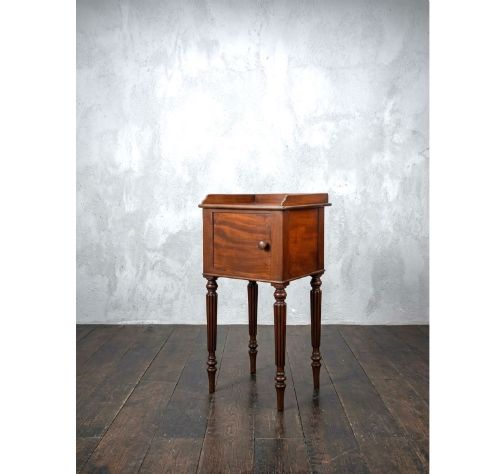
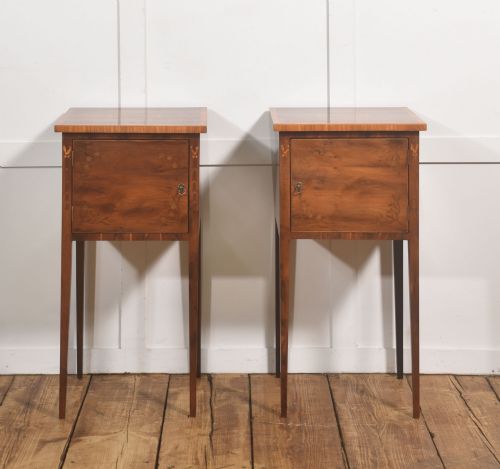
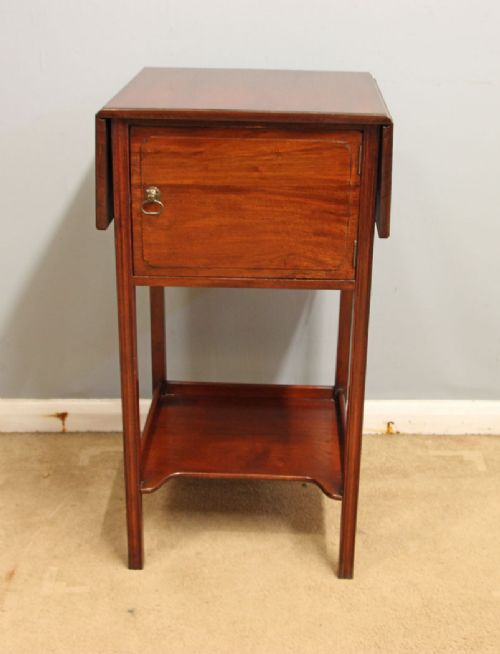
When you search for georgian wooden pots, you encounter small timber containers, bedside cupboards, and turned vessels originating from the eighteenth and nineteenth centuries.
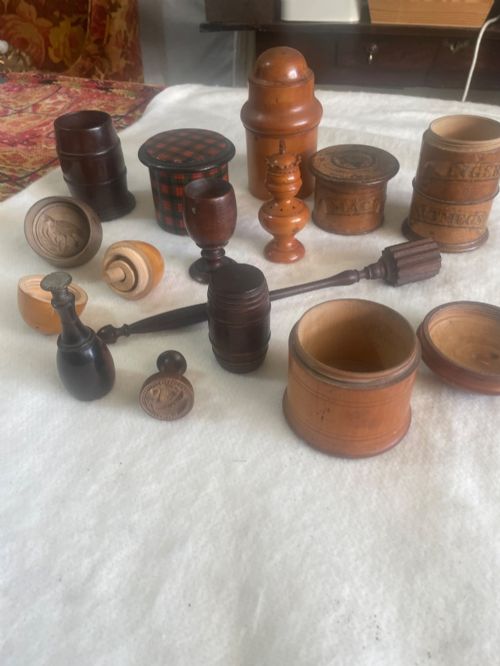
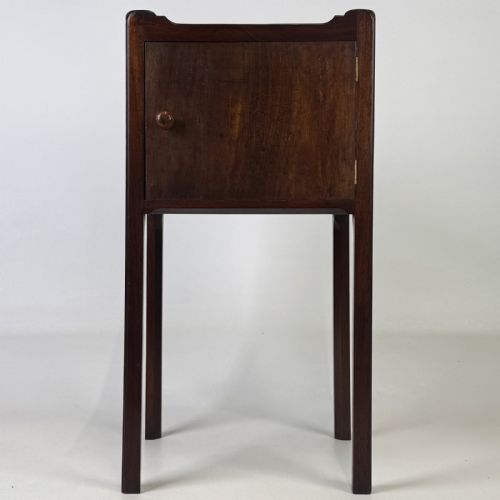
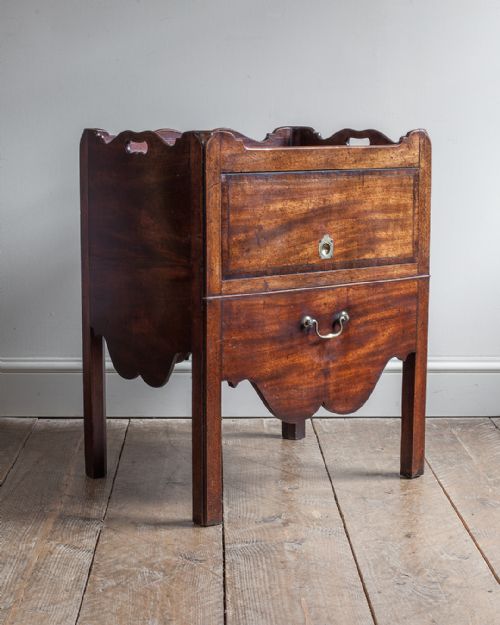
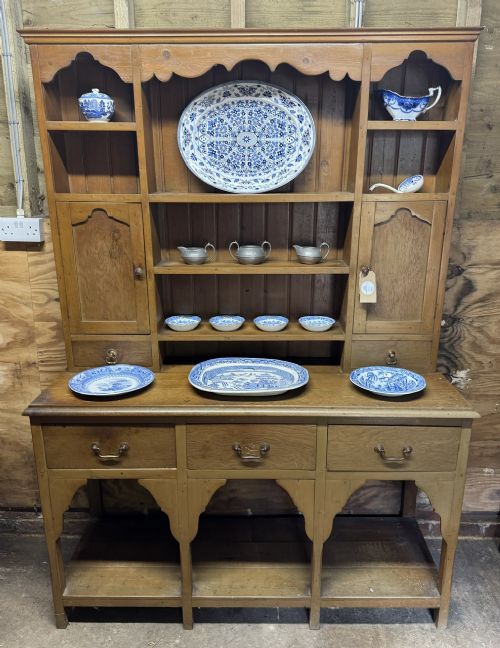
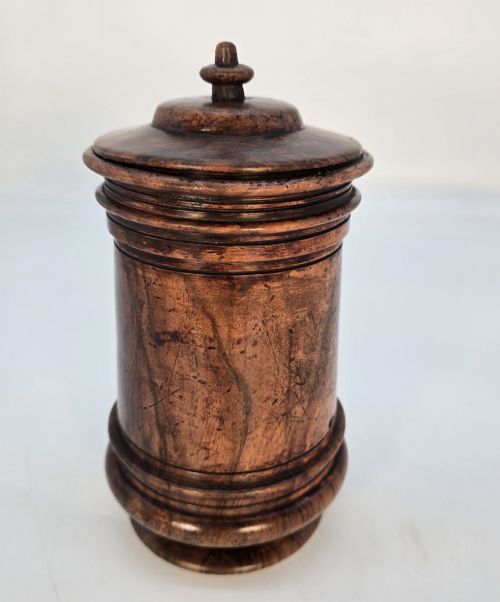
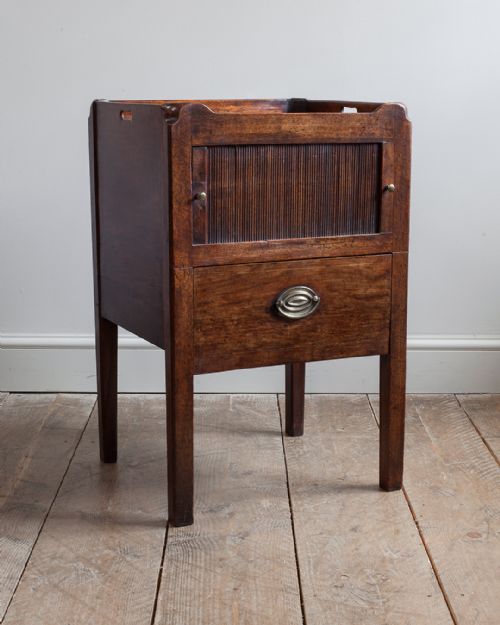
The selections span utilitarian provincial objects and refined chamber furniture, including close stools, spice towers, and treen tobacco jars.
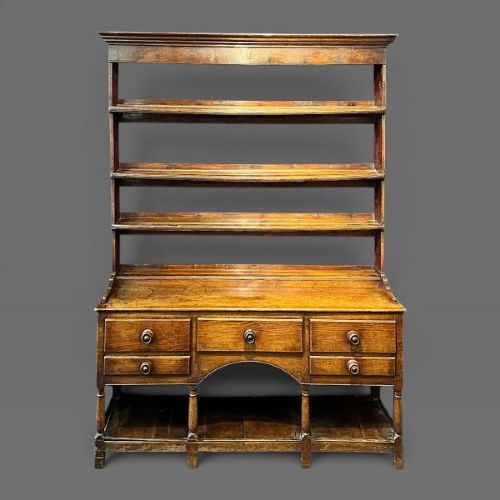
Mahogany and oak dominate the forms, reflecting the dominant timber choices of the Georgian and Regency eras.
How they were made
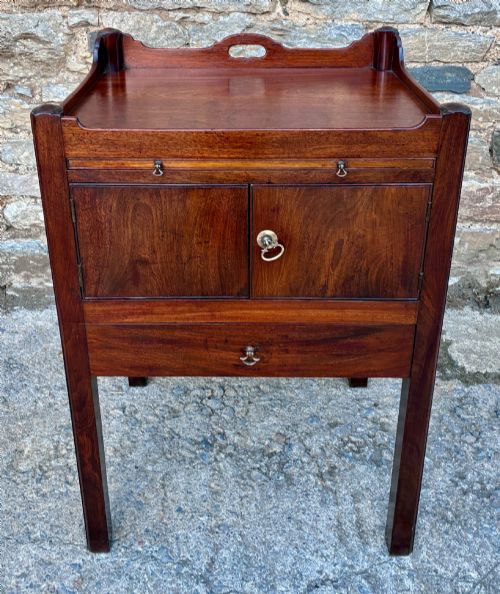
Cabinet makers utilised dense hardwoods like mahogany, walnut, and oak, often shaping them with tray tops and panelled doors.
Turning on a lathe produced cylindrical spice towers and small jars from boxwood and elm, highlighting the grain of the timber.
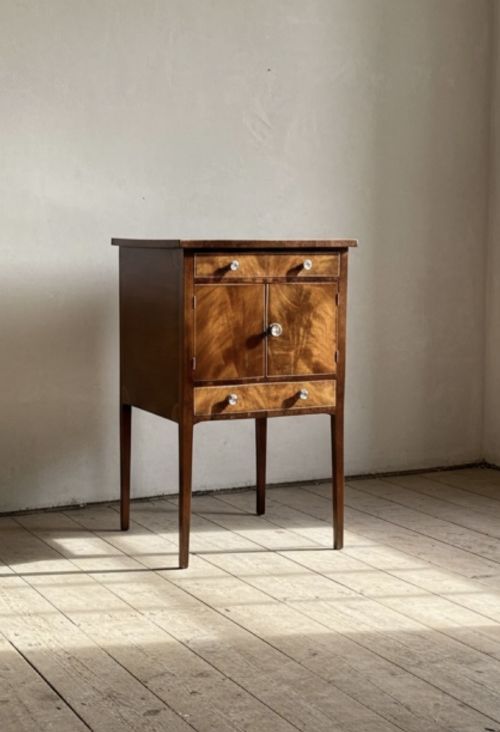
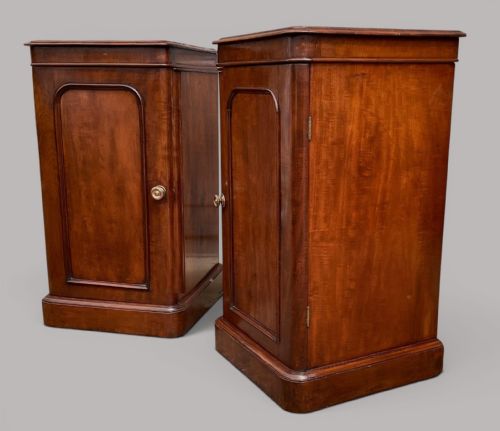
Veneers such as flame mahogany added surface pattern to bedside cabinets, while brass handles and hinges provided structural reinforcement.
Georgian Wooden Pots Retail Price Guide 2026
Typical asking prices for georgian wooden pots among the pieces listed under this phrase on Sellingantiques today, from the lower quarter to the upper quarter. They describe what is for sale here now, not the wider market.
Several small timber vessels survived centuries of domestic use simply because they looked too charming to discard.
What varies in quality
The standard of timber selection sets the better examples apart, with figured mahogany and rich walnut grain showing superior choice of material.
Joinery detail determines the integrity of each piece, distinguishing robust provincial vernacular work from refined metropolitan cabinet making.
Holland and Sons·Gillows·Matthew Boulton·John Hoyland
The Georgian Wooden Pots Glossary
- Treen
- Small utilitarian wooden objects made for domestic use. These items include carved jars and small boxes intended for everyday storage.
- Pot cupboard
- A small bedside cabinet designed to enclose a chamber pot. They frequently feature panelled doors and enclosed shelving.
- Close stool
- A piece of enclosed furniture concealing a receptacle for bodily waste. Eighteenth-century examples often mimic the appearance of small bedside chests.
- Flame mahogany
- Timber cut to display a distinctive fiery grain pattern. Cabinet makers applied these veneers to prominent exterior surfaces during the Regency period.
Georgian Wooden Pots: Frequently Asked Questions
What are georgian wooden pots used for?
These items serve various storage functions in domestic interiors, holding small dry goods, tobacco, or personal items.
Bedside variants also functioned as enclosed stands for chamber pots before modern plumbing became standard.
How do I identify a Georgian piece?
Look for timber choices like solid mahogany, oak, and walnut combined with traditional hand-cut joinery methods.
Stylistic cues match the reigns of the Georges and the Regency era, avoiding later mass-produced elements.
Are these items made of solid wood?
Many items utilise solid timbers such as oak, elm, and boxwood, particularly in turned treen and provincial vernacular furniture.
Finer cabinet pieces often combine solid frames with applied mahogany or walnut veneers over secondary woods.
Where were these wooden pots made?
Production took place across English workshops, ranging from provincial Welsh centres to London cabinet makers.
Regional differences appear in the choice of native woods like oak and elm compared to imported tropical hardwoods.