

Georgian Wooden Mirror
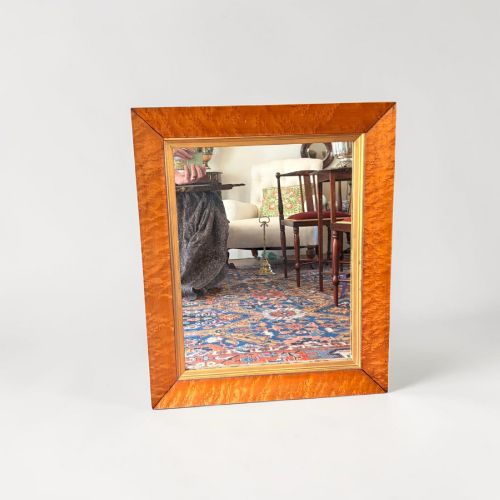
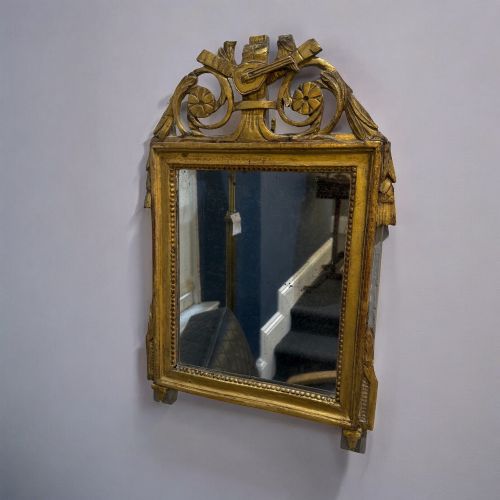
A georgian wooden mirror brings depth and warmth to a room through dark timber frames and traditional craftsmanship.
Georgian Wooden Mirror
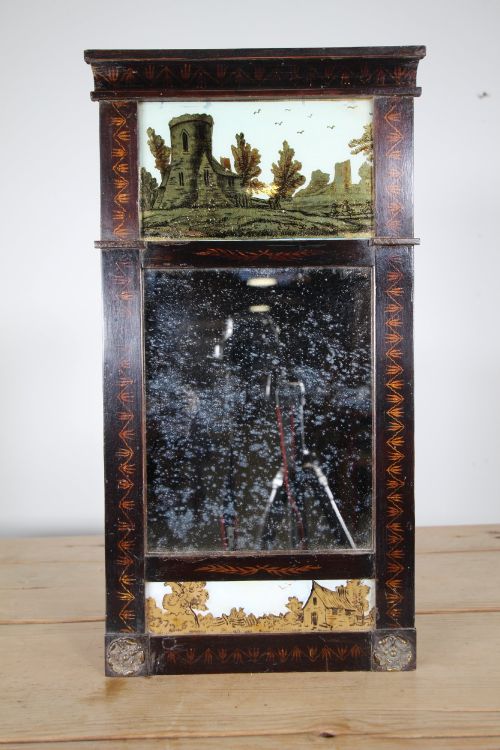
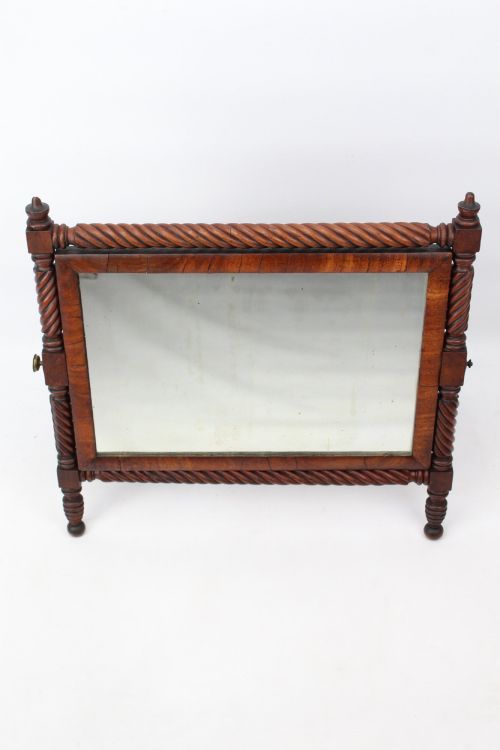
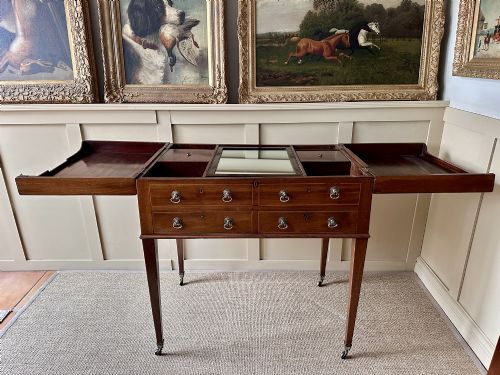
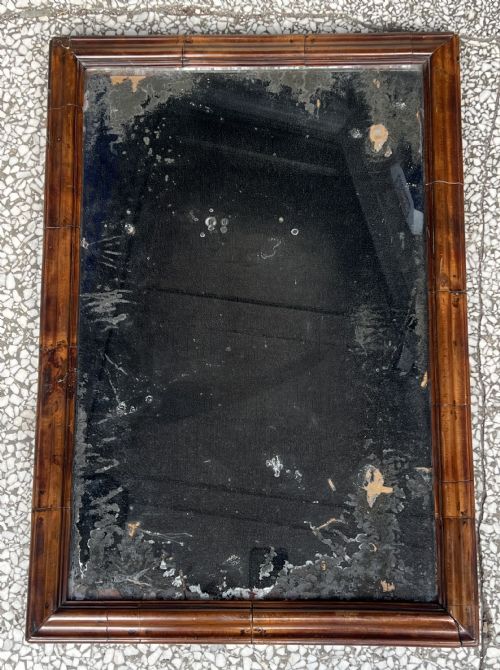
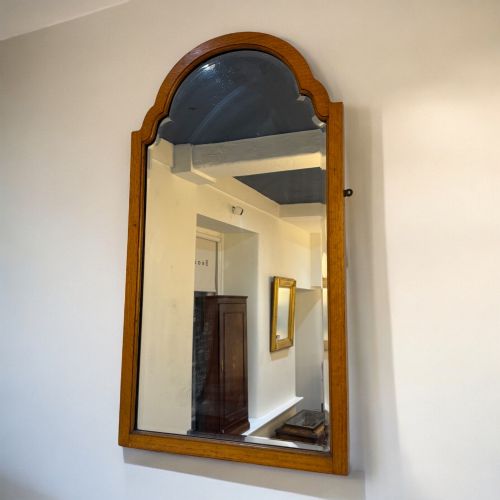
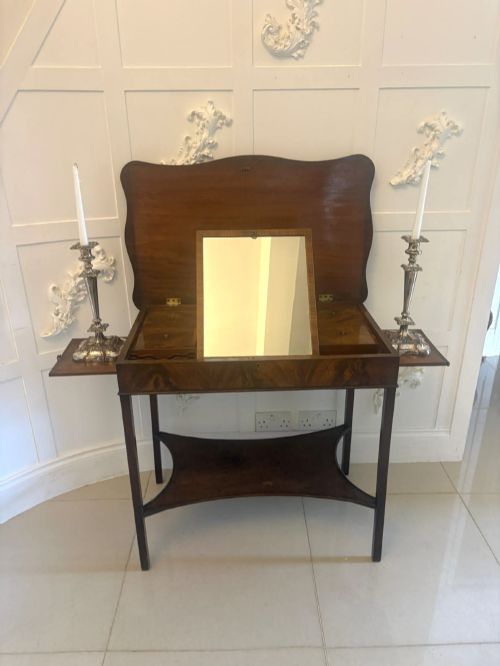
When you search for a georgian wooden mirror, you encounter pieces designed to reflect light and add elegance to domestic spaces. The selection includes wall hung versions alongside dressing and toilet mirrors meant for tables and chests. These furnishings date from the eighteenth century through to later revival periods.
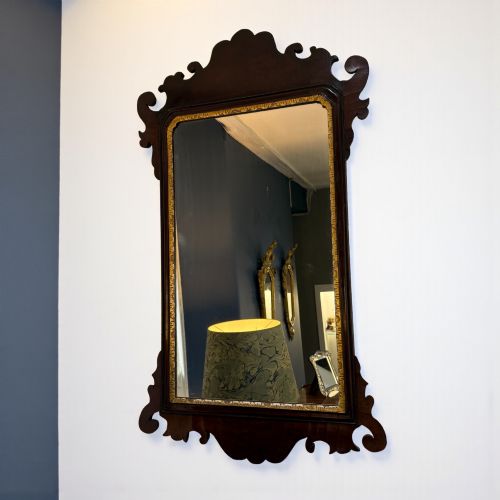
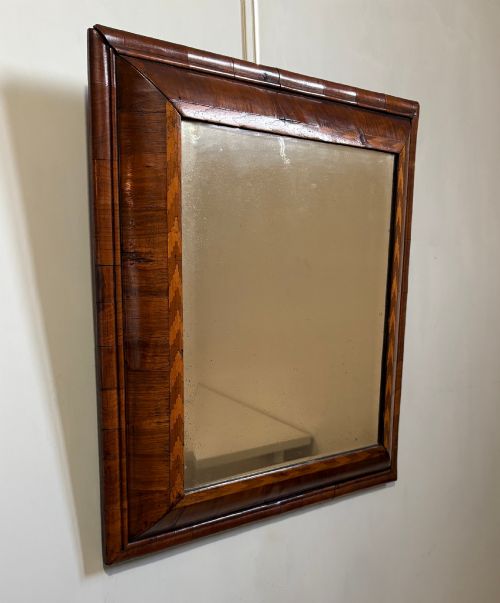
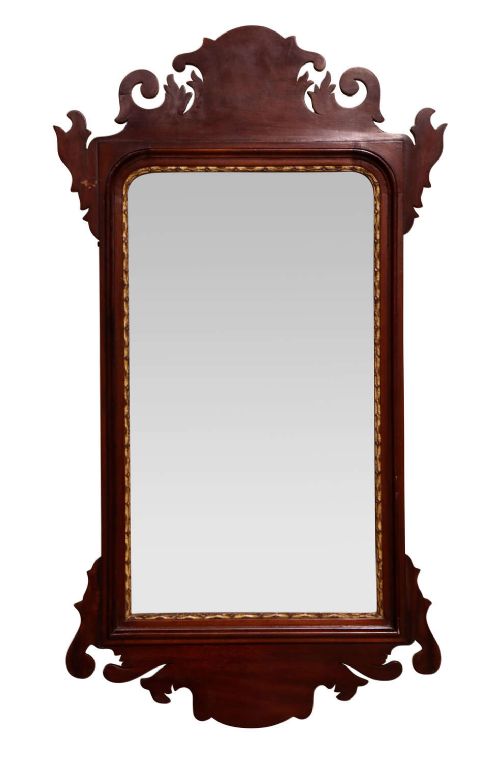
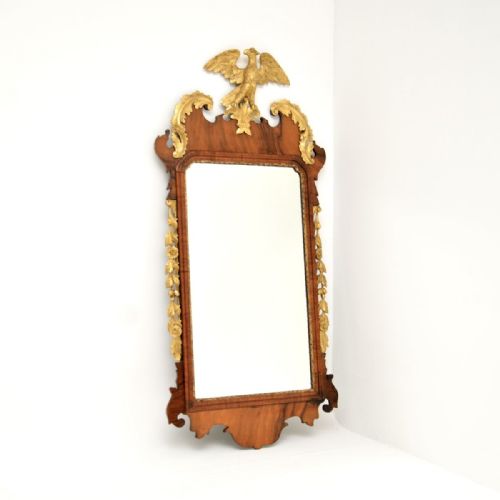
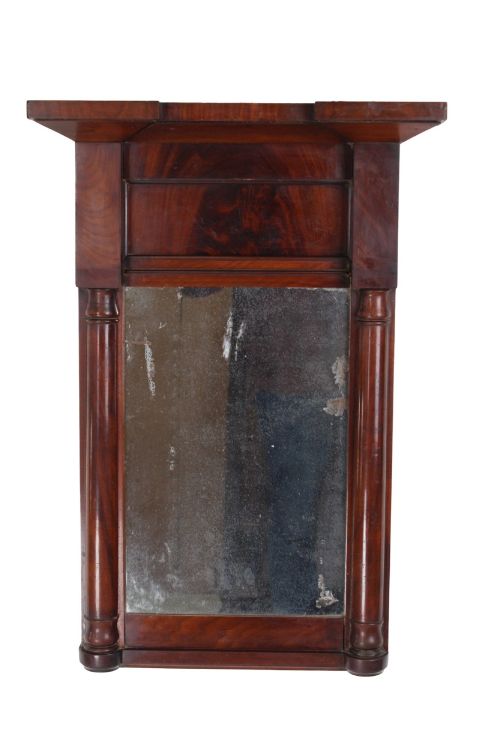
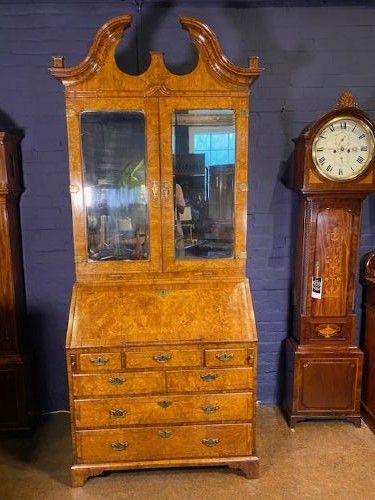
Mahogany and walnut form the core of what appears in these listings, often shaped into fretwork wall mirrors or compact dressing glasses. Smaller examples function as portable accessories or toilet mirrors, whilst larger formats serve as pier mirrors or overmantels. The prevalence of mahogany ensures a sturdy structure suited to everyday domestic use.
Materials and construction
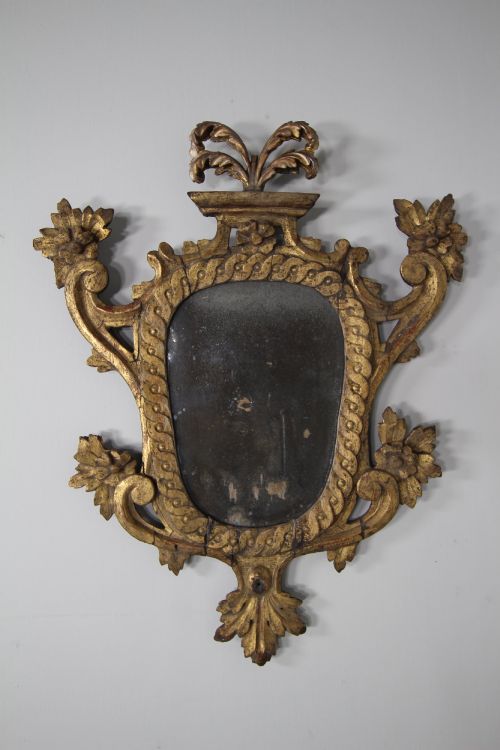
Makers utilised dense timbers such as mahogany, walnut, and sycamore to construct robust frames capable of supporting heavy glass. Veneers and parcel gilt accents frequently enhanced the visual texture of the wood. Fretwork styles required precise hand-cutting to achieve delicate scrolls and symmetrical patterns.
Original mirror glass was often bevelled and set into rebates behind wooden slips. Brass fittings, including adjustable arms on dressing mirrors and hanging loops on wall pieces, secured the assemblies. Construction techniques prioritized stability, utilising pegged mortise and tenon joints in the primary framework.
Georgian Wooden Mirror Retail Price Guide 2026
Typical asking prices for georgian wooden mirror among the pieces listed under this phrase on Sellingantiques today, from the lower quarter to the upper quarter. They describe what is for sale here now, not the wider market.
One surviving travelling mirror comes equipped with its own old paper label, proving that seventeenth and eighteenth-century owners took their vanity on the road.
Evaluating craftsmanship and condition
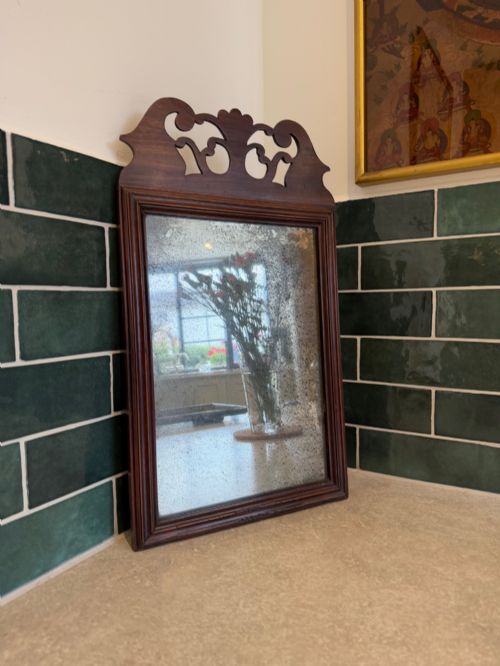
The sophistication of the fretwork carving distinguishes finer examples from simpler provincial work. Crisp edges and balanced proportions indicate a skilled hand in the workshop. Pierced crests and intricate scrolls demand meticulous execution to survive centuries without splitting.
The preservation of the original mirror plate and backing boards significantly influences the integrity of a piece. Older glass exhibits subtle distortions and oxidisation that confirm its age. Uniformity in the timber grain and the minimal use of replacement parts maintain the historical value of the mirror.
The Georgian Wooden Mirror Glossary
- Fretwork
- Thin wood cut with intricate openwork patterns using a scroll saw. This technique defines the decorative frames of many wall mirrors.
- Pier Mirror
- A tall glass designed to hang on the wall space between windows. These pieces often feature mahogany frames and matching console tables.
- Toilet Mirror
- A small mirror mounted on a pivoting frame above a miniature set of drawers. They sat upon dressing tables for personal grooming.
- Parcel Gilt
- A decorative treatment where specific carved details receive a thin application of gold leaf while the surrounding wood remains exposed. It highlights architectural elements on mahogany frames.
- Overmantel Mirror
- A wide glass proportioned specifically to hang above a fireplace mantel. They typically incorporate landscape orientations to match the width of the hearth.
Georgian Wooden Mirror: Frequently Asked Questions
Where should I hang a wall mirror?
These mirrors suit placement above mantelpieces, sideboards, or console tables where they can reflect natural light across the room. Wall-hung versions require secure fixings into solid masonry or studwork to support the weight of the timber frame.
Positioning the glass at eye level ensures maximum utility and visual balance within the interior scheme. Smaller wall mirrors also function effectively in hallways and narrow entryways.
How do I care for antique glass?
Clean the mirror surface gently with a soft microfibre cloth and a minimal amount of mild glass cleaner applied to the cloth rather than directly to the glass. Avoid harsh chemicals that might seep behind the plate and damage the historical backing.
Inspect the hanging wire and structural fixings periodically to ensure the frame remains securely supported against the wall. Keeping the timber away from direct heat sources prevents the wood from warping.
What is a dressing mirror?
A dressing mirror is a portable or table-standing glass mounted on pivoting pivots between two upright supports. These supports usually rest on a small base containing tiny storage drawers for personal items.
Cabinetmakers designed these pieces for bedrooms and dressing rooms during the eighteenth and nineteenth centuries. The adjustable frame allowed users to alter the angle of reflection easily.
How do I identify a revival piece?
Revival mirrors, such as those from the Edwardian era or the nineteen-twenties, often employ machine-cut precision and standardised screw fittings rather than hand-forged or handmade components. The timber grain and secondary woods used in the backing boards frequently point to later manufacturing methods.
Comparing the style of the carving against documented eighteenth-century examples reveals subtle differences in proportion and depth. Examining labels or stamps on the reverse can also provide clues regarding the true age of the object.