




Georgian Wooden Keepsake Chest
A georgian wooden keepsake chest holds personal treasures safely while bringing rich period character into any room.
Georgian Wooden Keepsake Chest
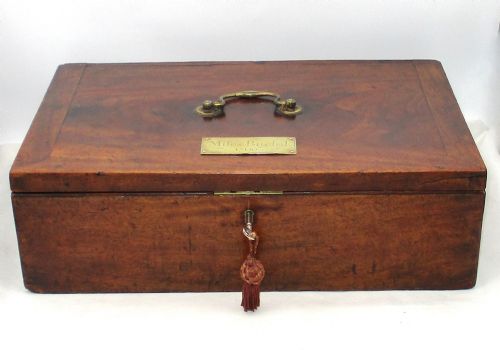
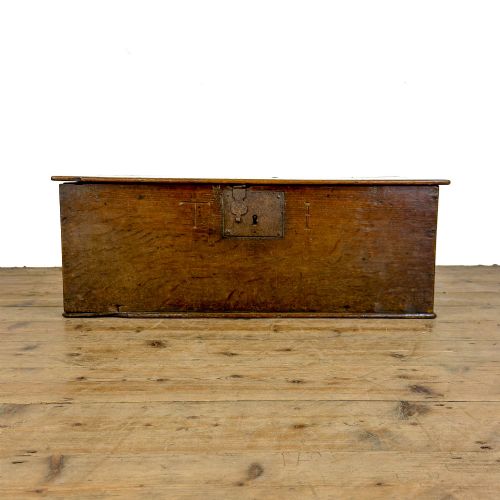
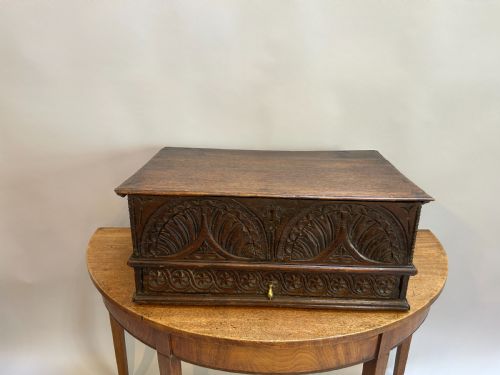
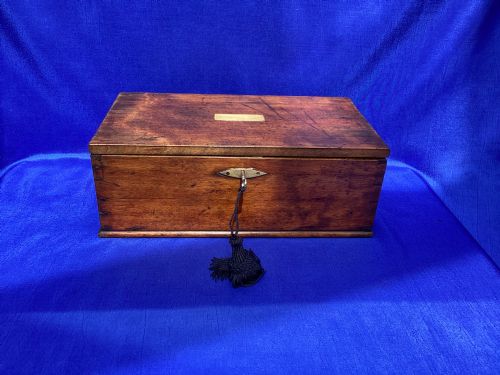
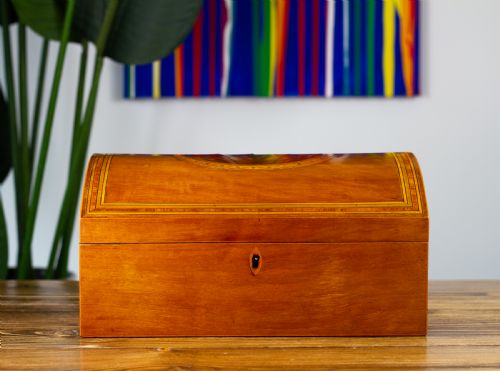
Mahogany dominates the selection, alongside oak, rosewood, walnut, yew and satinwood. Many examples incorporate decorative details like boxwood inlay, bone, mother-of-pearl and brass hardware.
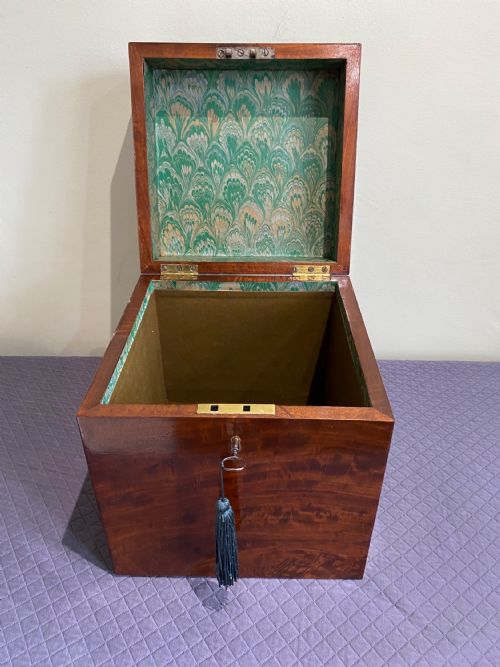
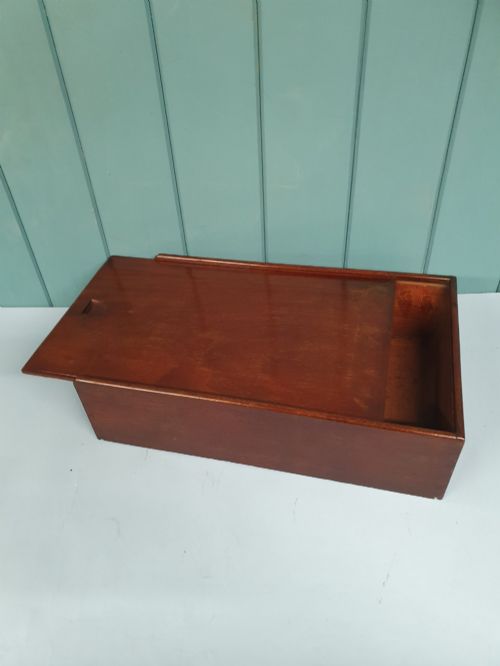
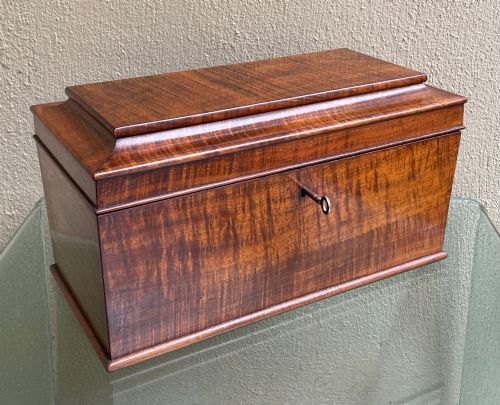
Buyers will most frequently encounter mahogany document boxes and tea caddies dating from the eighteenth and early nineteenth centuries. These smaller chests served practical storage functions before becoming collectible display items.
How they were made
Cabinetmakers utilised solid timbers and figured veneers, selecting dense hardwoods like mahogany, oak and rosewood for durability and visual depth. These woods were expertly joined and polished to highlight natural grain patterns.
Surface decoration involved meticulous techniques including boxwood stringing, shell inlay, penwork and the application of bone or mother-of-pearl details. Brass handles, escutcheons and lock plates were fitted to secure the contents.
Georgian Wooden Keepsake Chest Retail Price Guide 2026
Typical asking prices for georgian wooden keepsake chest among the pieces listed under this phrase on Sellingantiques today, from the lower quarter to the upper quarter. They describe what is for sale here now, not the wider market.
One exceptional box bears the stamp of Holtzapffel and Co, reminding us that even humble toolboxes deserved Georgian elegance.
What varies in quality
The choice of timber and veneer figure largely dictates the distinction between standard utilitarian boxes and finer examples made for affluent households. Highly figured burr walnut, satinwood or coromandel indicate superior initial workmanship.
The precision of inlaid details, the quality of cast brass mounts and the integrity of internal compartments reveal the skill of the original maker. Well-preserved original hinges, locks and interior linings elevate a piece's standing.
Holtzapffel and Co
The Georgian Wooden Keepsake Chest Glossary
- Tea Caddy
- A small box or chest originally designed to store loose tea leaves securely under lock and key. These containers often featured internal lidded compartments to separate different tea varieties.
- Bible Box
- A sturdy wooden desk box historically used to store family Bibles and important manuscripts. They typically feature sloping lids and robust oak construction.
- Escutcheon
- A protective brass plate surrounding a keyhole that prevents the surrounding wood from splintering during use. They often display decorative engraving characteristic of their period.
- Penwork
- A meticulous decorative technique utilising India ink to draw fine linear designs directly onto the wood surface. This ornamentation imitates more costly inlaid ivory or marquetry.
- Stringing
- A thin inlay of contrasting wood, such as boxwood, embedded into the surface to create geometric borders. It frames panels of figured timber to accentuate the form of the chest.
Georgian Wooden Keepsake Chest: Frequently Asked Questions
What were these boxes used for?
These chests stored valuable personal items, tea, legal documents and correspondence securely in the home. Their sturdy construction and locks kept private belongings protected.
Over time, many transitioned from functional household objects to decorative display pieces holding jewellery, keepsakes and small collections.
How do I care for antique wood?
Keep wooden chests away from direct sunlight and heat sources to prevent the timber and veneers from drying out. Consistent indoor humidity protects the structural integrity of the joints.
Apply a traditional beeswax polish occasionally and buff gently with a soft cloth to maintain the natural lustre of the aged surface.
How can I tell the period?
Examine the timber species, construction methods and decorative motifs to determine the age of a box. Eighteenth-century pieces frequently utilise solid oak or mahogany with simpler lines.
Later Regency examples often incorporate exotic veneers, elaborate brass mounts and fine stringing that reflect the changing tastes of nineteenth-century cabinetmakers.
Are original locks and keys common?
Original locks frequently remain in place, though matching working keys are less common due to centuries of displacement. Many boxes retain their brass escutcheons even if the mechanism no longer functions.
Collectors generally value the presence of original hardware, which contributes to the historical integrity of the piece.