
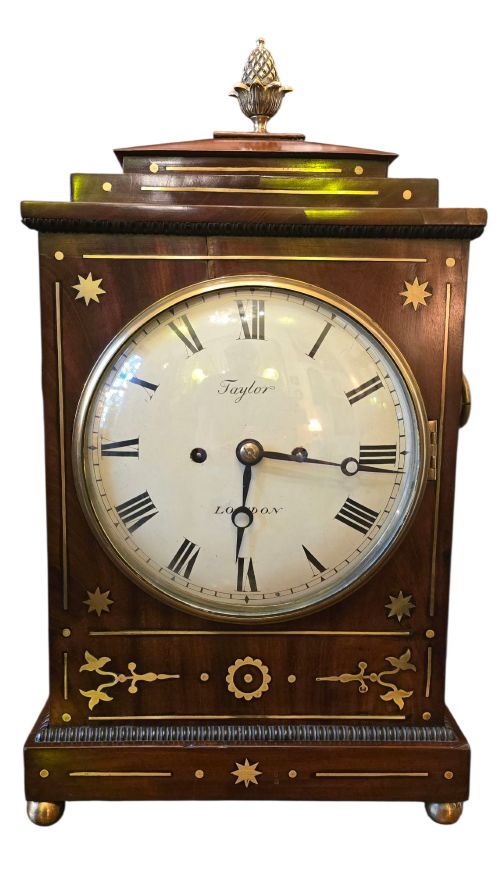
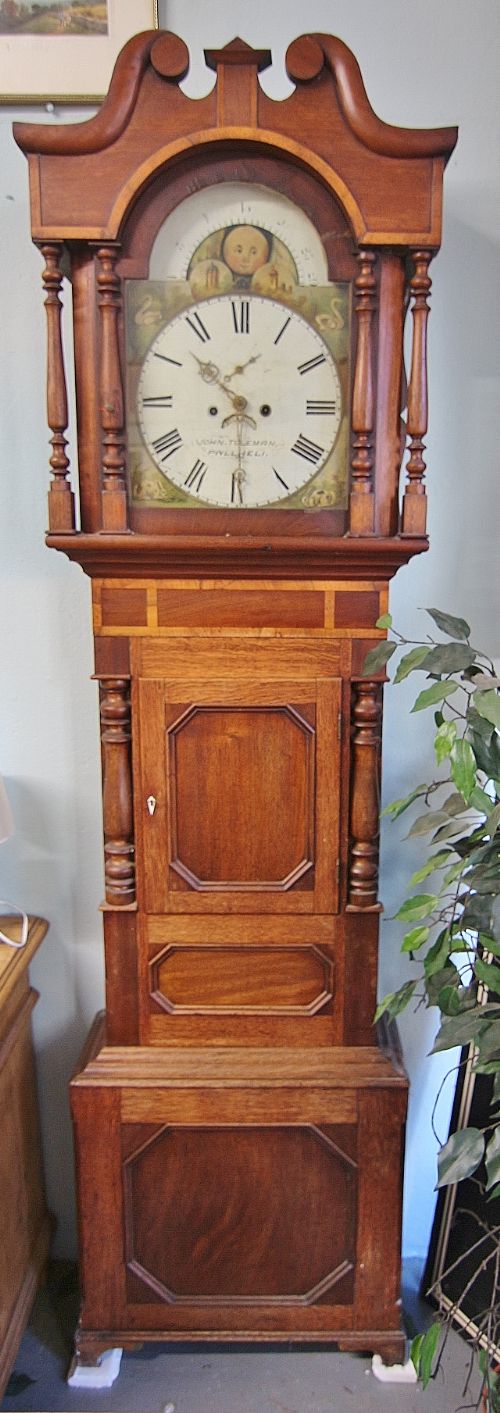
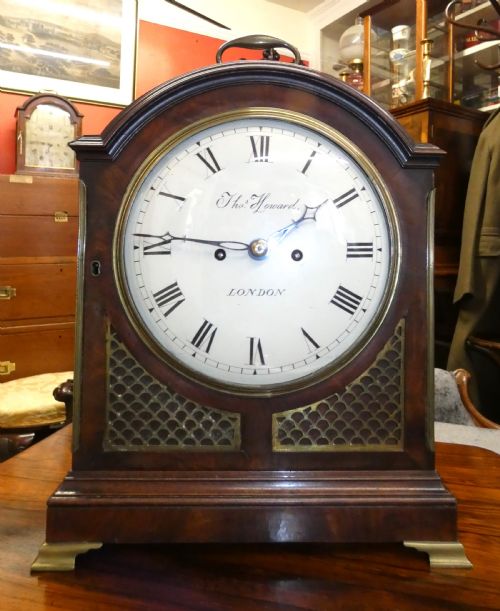
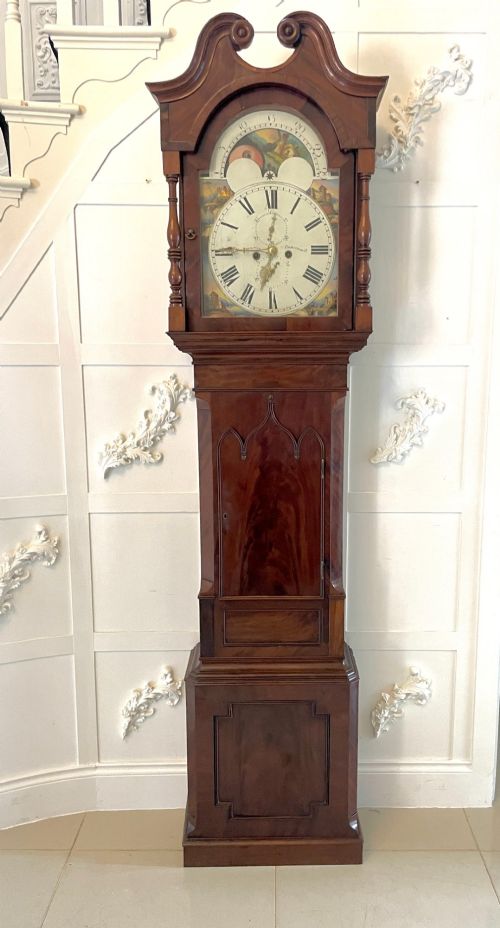
Georgian Wooden Clock
A georgian wooden clock brings quiet mechanical rhythm and architectural timber into a room, offering the steady tick of centuries past.
Georgian Wooden Clock
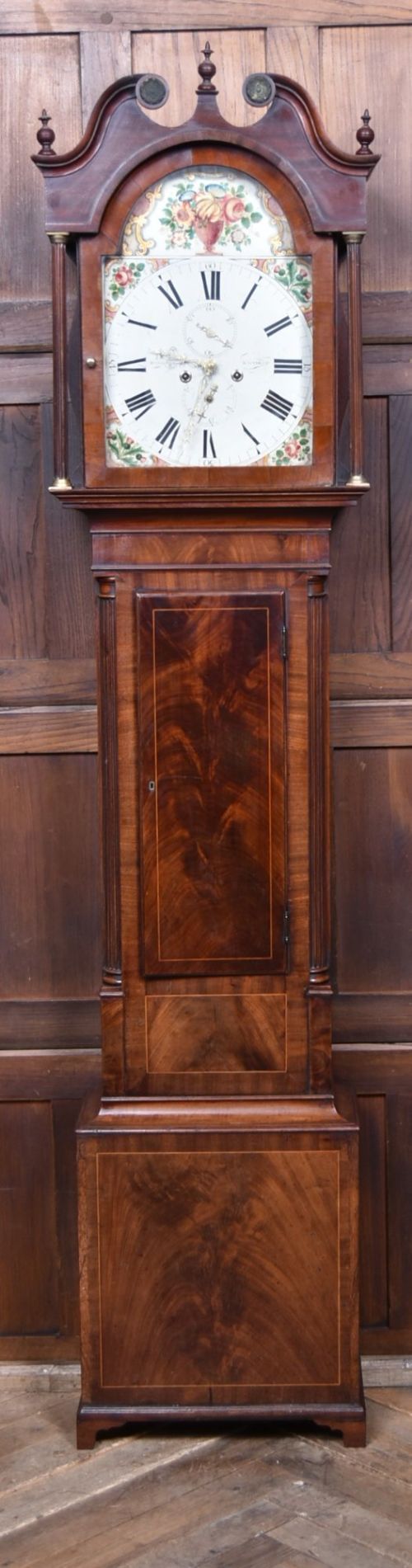
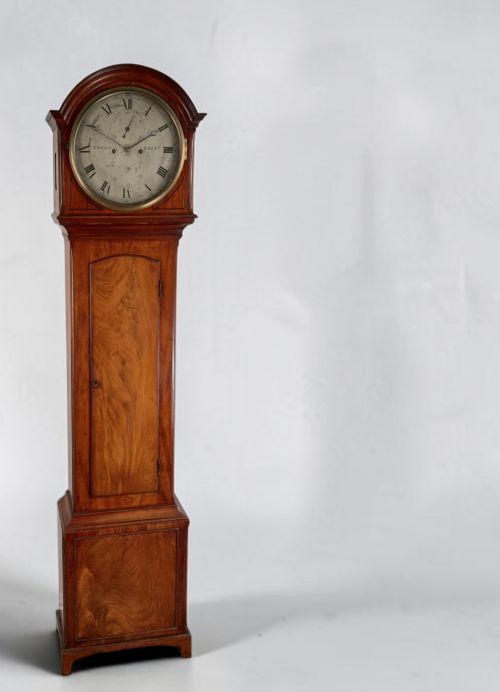
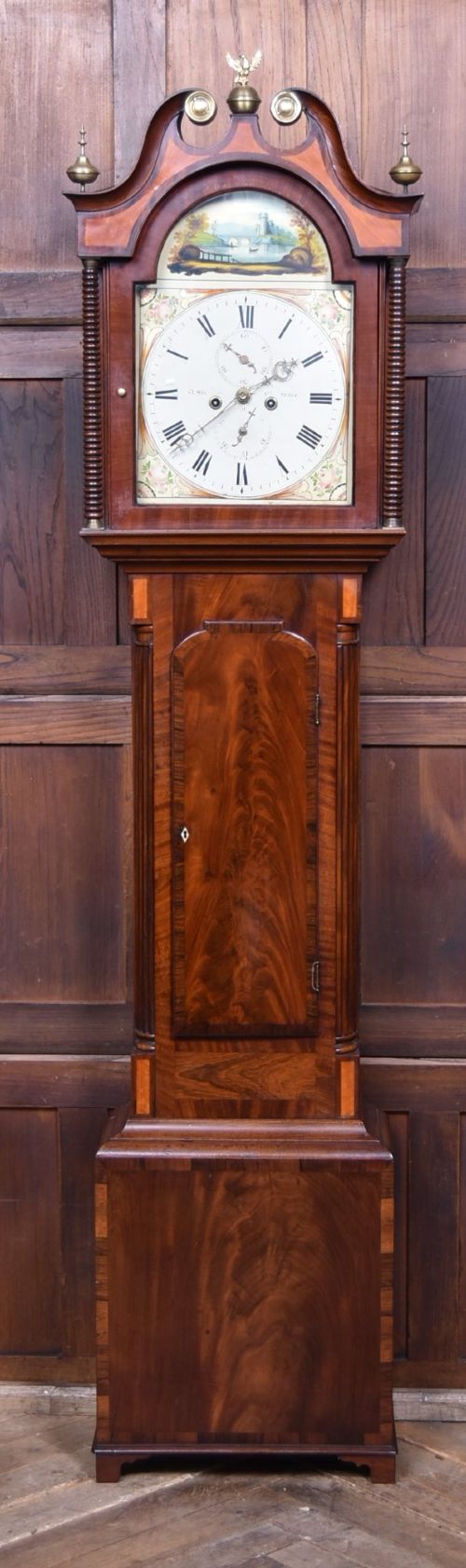
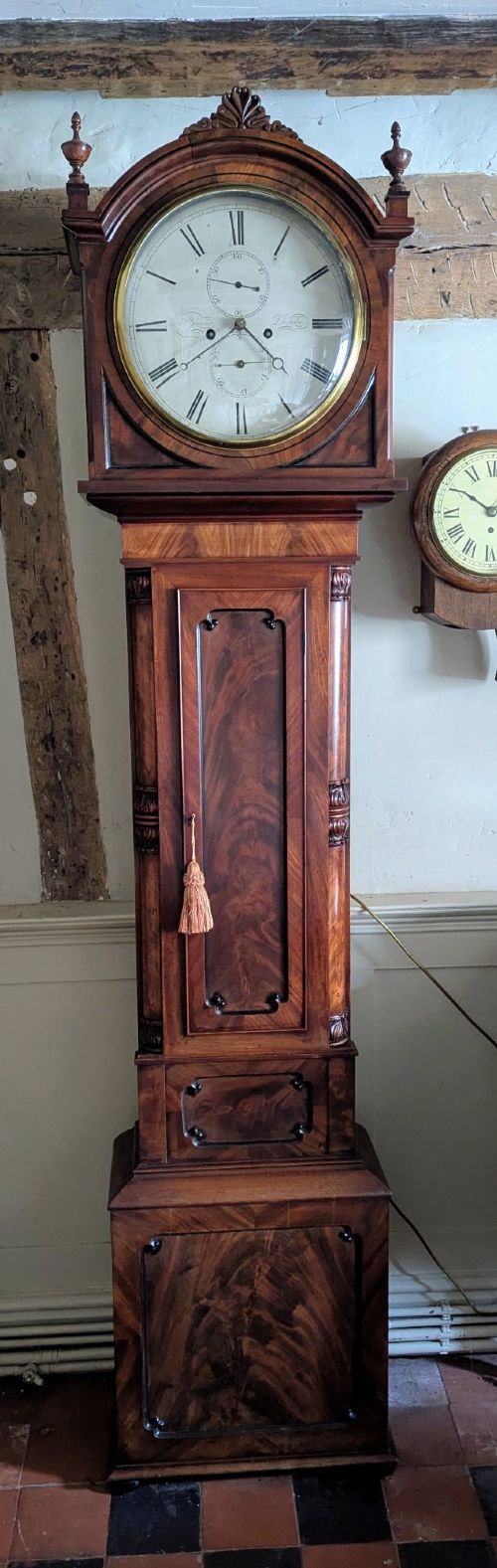
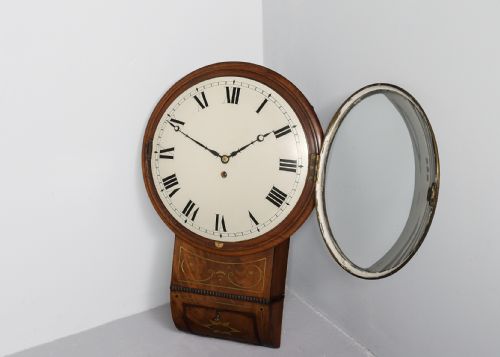
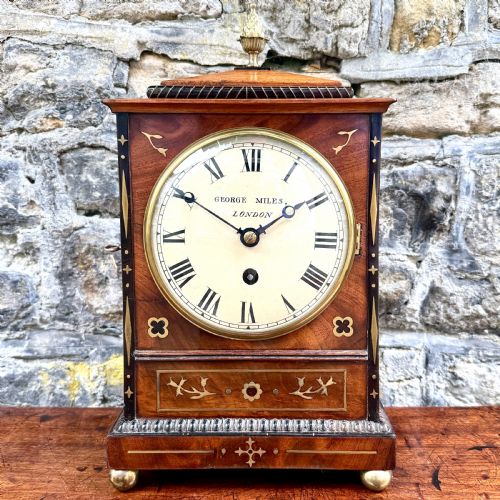
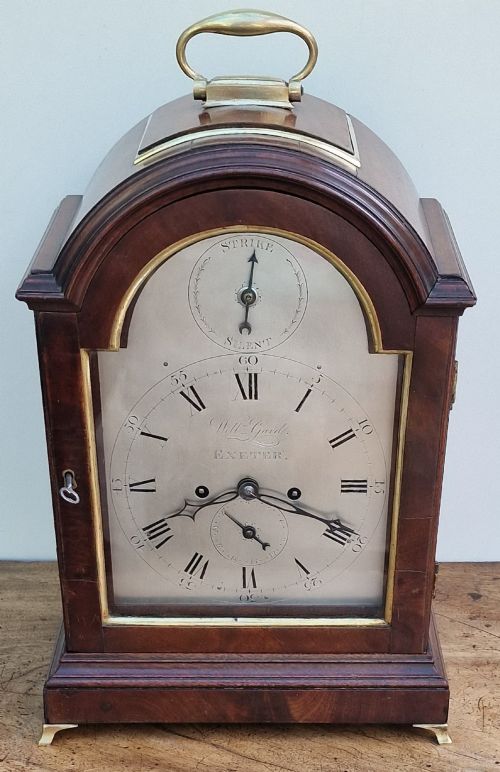
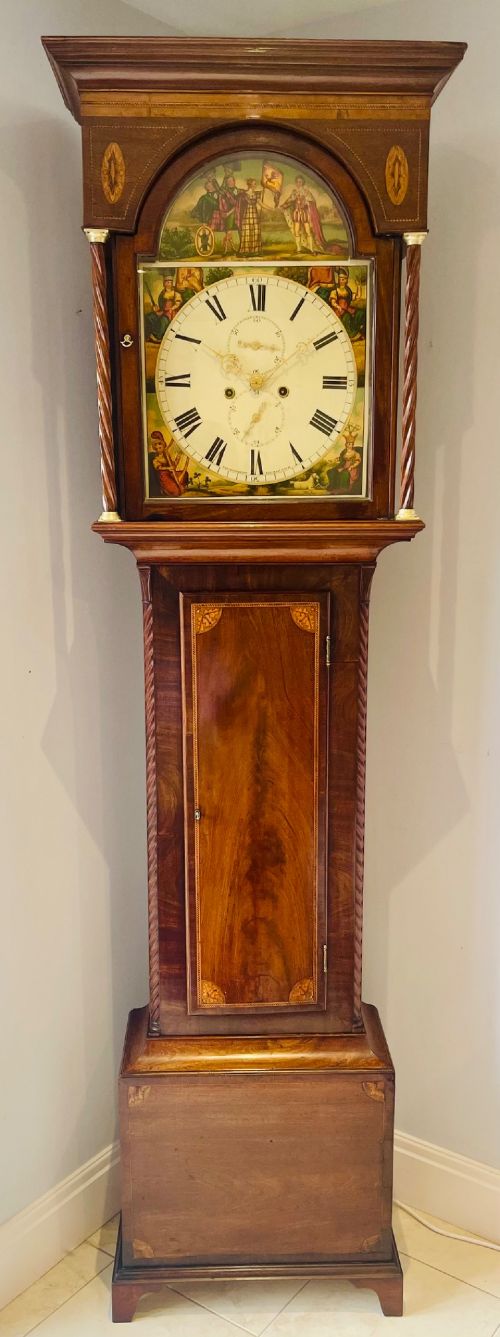
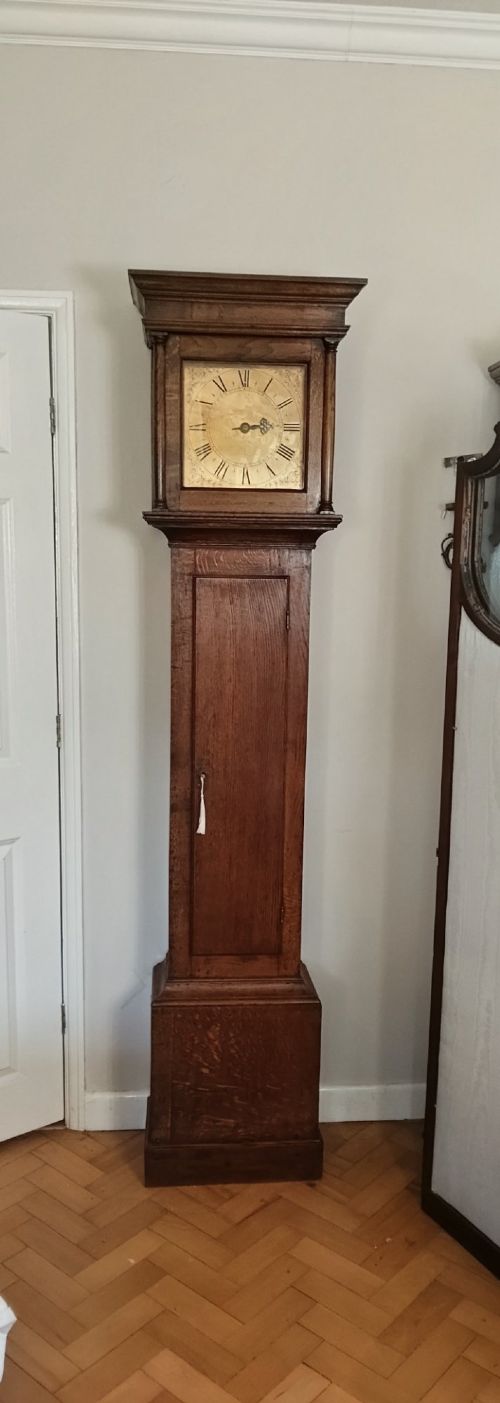
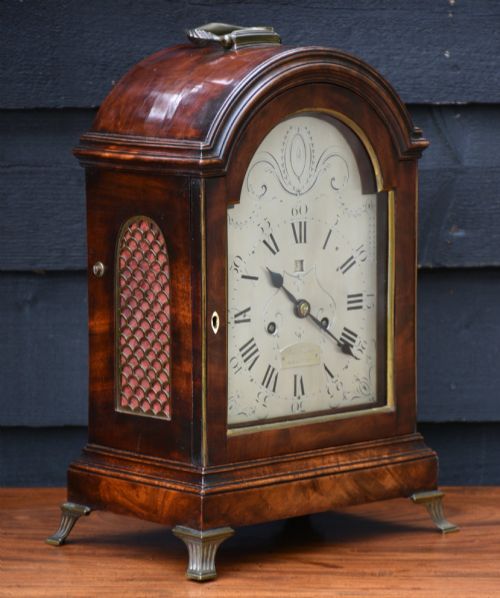
A georgian wooden clock spans tall floor-standing longcase examples, compact bracket models for tables, and wall-hung dials designed for domestic or public spaces. These pieces emerge from the eighteenth and nineteenth centuries, taking form in regional workshops across Britain and metropolitan centres like London.
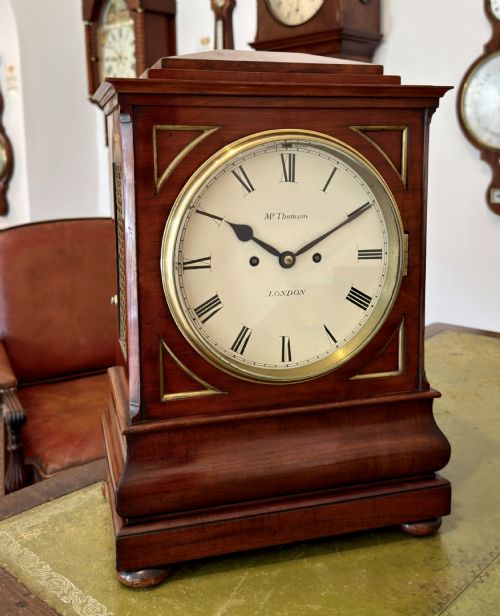
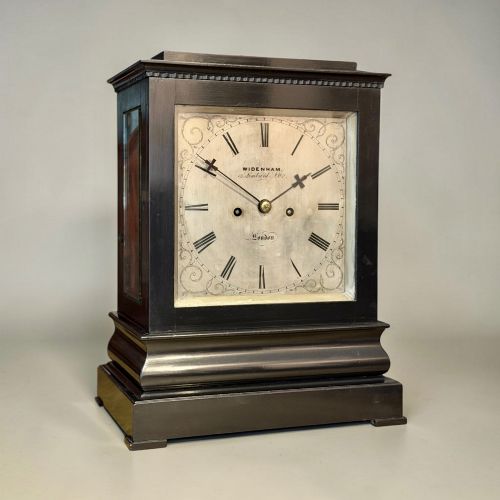
The longcase format dominates the domestic scale, while bracket clocks and library timepieces satisfy smaller mantel or desk placement. Timber housings range from native oak and walnut to imported mahogany, defining the physical presence of each instrument.
Makers construct tall cases for floor placement alongside portable bracket clocks housing verge or fusee movements. Surviving examples reflect both modest country craftsmanship and sophisticated urban clockmaking traditions.
Construction and materials
Cabinetmakers build structural cases using solid timber panels of mahogany, oak, walnut, and ebonised wood, often incorporating brass or silvered metal details on dials and bezels. Glass protects the face and movement access panels while revealing the oscillating pendulum or rotating dial.
Movements rely on brass gear trains driven by hanging weights or tensioned springs, housing verge or fusee escapements to regulate time. Dials feature painted enamel, engraved silvered metal, or turned wooden surfaces bearing maker signatures and chapter rings.
Judging quality and proportion
Quality rests in the harmony of case proportions, the selection of figured timber grain, and the crisp execution of brass dial engravings. Master clockmakers sign their movements, aligning fine mechanical precision with balanced architectural joinery.
Subtle differences distinguish regional workshop production from high-status urban commissions, particularly in the weight of cast brass bezels, the clarity of painted enamel dials, and the integration of secondary woods.
Hendrie Ogg·Thomson of London·Widenham of London·Green of Edinburgh·D. Straiton·Benjamin Taylor·Charles Pratt·Ellicott & Smith·Charles Louch·Barber and North·Thomas Jackson·Bush of London·L. Vick·Webster Cornhill London·Mappin and Webb·Garrards
The Georgian Wooden Clock Glossary
- Longcase clock
- A tall pendulum clock housed in a wooden floor-standing case, frequently called a grandfather clock.
- Bracket clock
- A portable table or mantel clock originally designed to sit on a wall bracket.
- Fusee
- A conical pulley used in spring-driven clocks to ensure uniform power delivery as the mainspring unwinds.
- Verge escapement
- An early mechanical escapement mechanism controlling the release of energy in the gear train.
- Dial clock
- A wall-mounted timepiece featuring a prominent circular face behind glass.
Georgian Wooden Clock: Frequently Asked Questions
What is a longcase clock?
A longcase clock uses a suspended pendulum housed inside a tall wooden trunk to maintain steady timekeeping.
These floor-standing timepieces stand tall against a wall, combining cabinetmaking with mechanical movement.
Where were bracket clocks placed?
Bracket clocks sit on tables, desks, or dedicated wall brackets rather than standing directly on the floor.
Their portable size allows movement between rooms while maintaining reliable spring-driven timekeeping.
How do fusee movements work?
A fusee uses a conical pulley to equalise the decreasing force of a relaxing clock spring.
This mechanism helps maintain consistent power delivery to the gear train as the clock runs.
What timber is used most?
Mahogany and oak form the primary structural timbers for these traditional wooden clocks.
Cabinetmakers also utilise walnut, rosewood, and ebonised wood to achieve varied surface finishes.