


Georgian Wooden Chair
A georgian wooden chair brings centuries of English craftsmanship into daily use, offering robust construction and enduring materials like mahogany and elm.
Georgian Wooden Chair
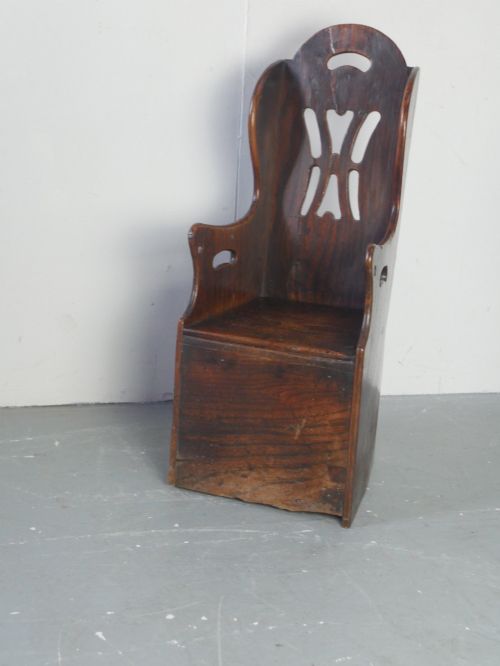
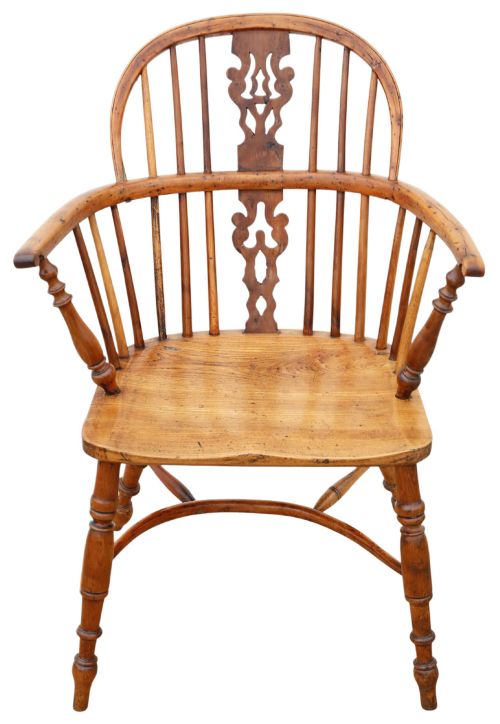
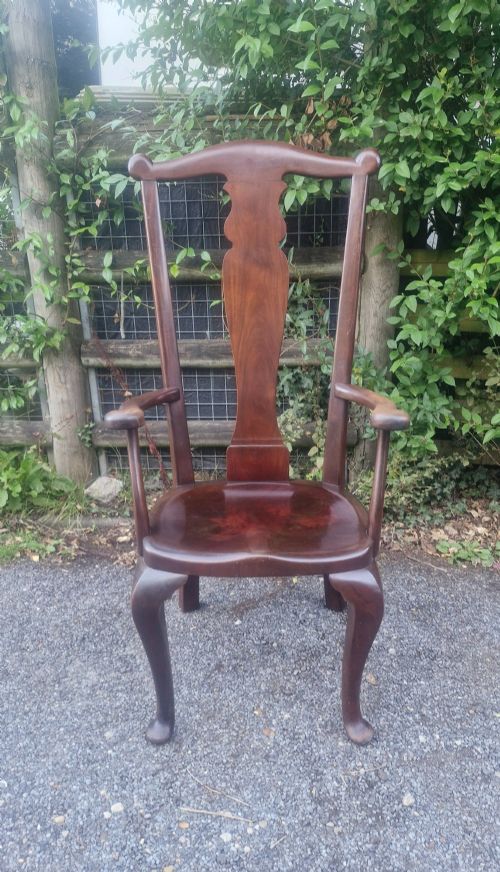
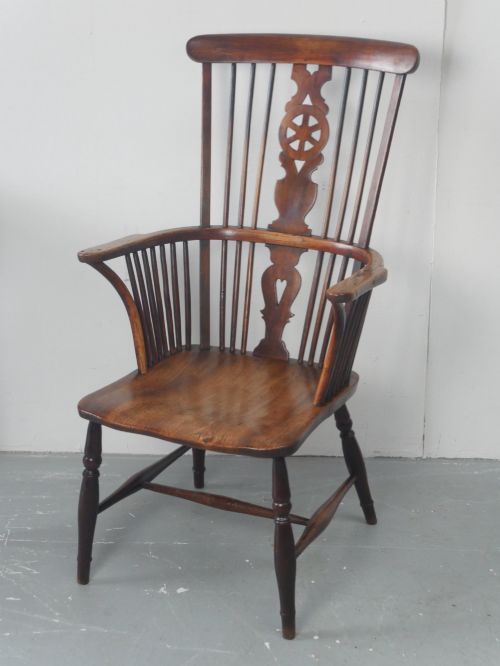
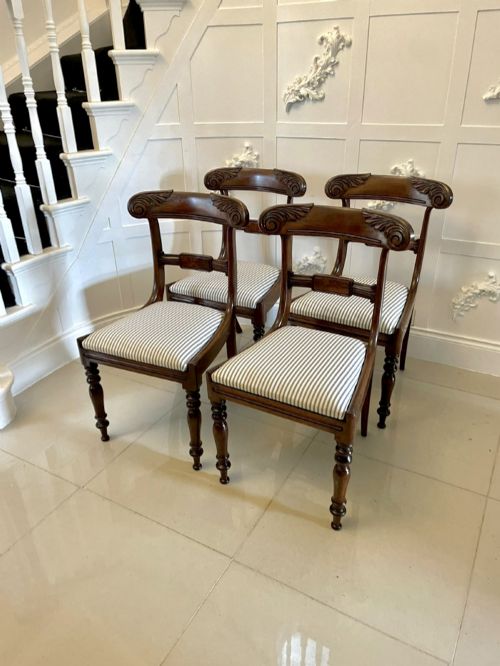
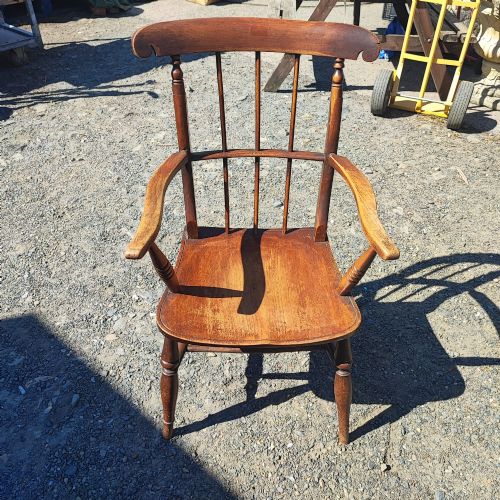
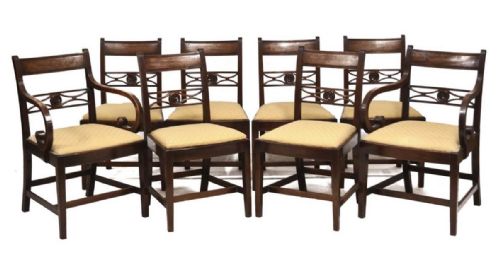
A georgian wooden chair encompasses dining seats, armchairs, hall chairs, and country Windsors spanning the eighteenth and nineteenth centuries. Buyers encounter formal mahogany dining sets alongside vernacular elm, ash, and fruitwood seating created in regional workshops.
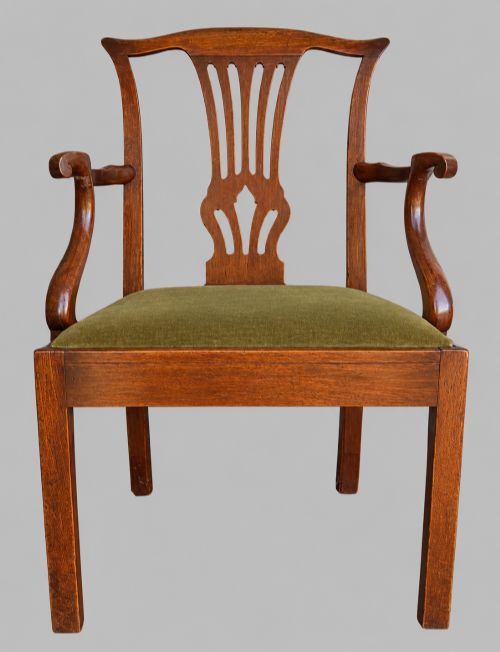
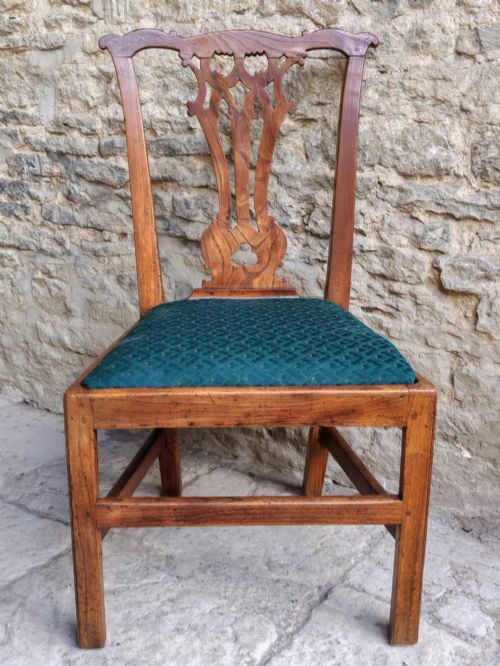
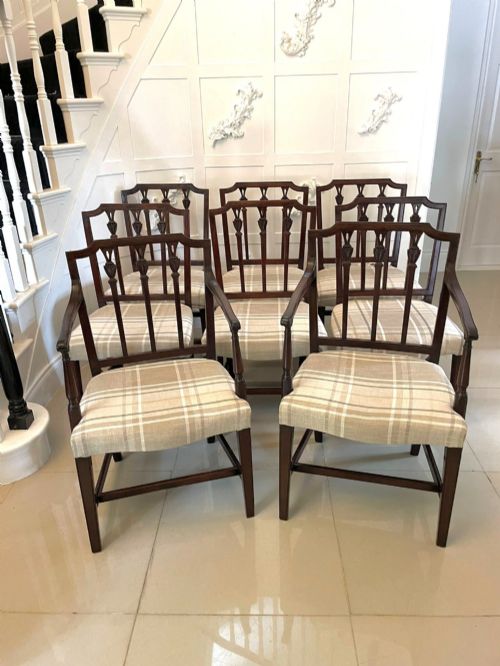
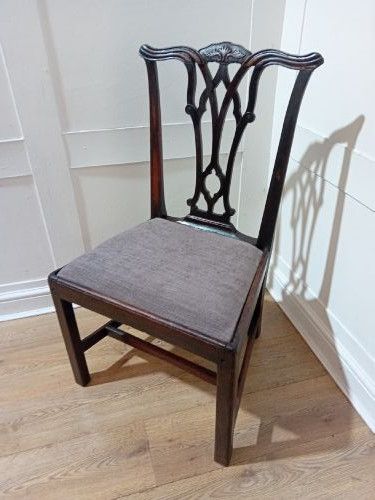
The selection ranges from George III mahogany carvers and Chippendale style armchairs to simpler oak side chairs and spindle-backed country kitchen seating. Each form reflects the domestic requirements of its period, from grand dining rooms to farmhouse hearths.
Materials and construction
Cabinet makers and bodgers utilised native timbers such as oak, elm, ash, yew, and fruitwood alongside imported mahogany for formal urban pieces. Solid timber frames relied on traditional joinery, including mortise and tenon joints and turned spindles.
Seating areas incorporate drop-in wooden panels, woven rushes, or upholstered pads finished in fabric, velvet, and tapestry. Brass inlay and bobbin turning add decorative detail to specific Regency and earlier vernacular examples.
Georgian Wooden Chair Retail Price Guide 2026
Typical asking prices for georgian wooden chair among the pieces listed under this phrase on Sellingantiques today, from the lower quarter to the upper quarter. They describe what is for sale here now, not the wider market.
Listings feature eighteenth and nineteenth century periods, utilising mahogany, elm, oak, ash, yew, fruitwood, and satinwood across dining, hall, and Windsor forms.
Defining quality
Quality rests in the selection of timber and the integrity of the joinery rather than surface polish alone. Dense, well-figured mahogany and carefully seasoned local woods like yew and elm hold structural stability across generations.
Proportion and carving depth distinguish standard production from exceptional examples. Crisp execution of Chippendale style splats or well-turned Windsor components demonstrates the maker's competence.
The Georgian Wooden Chair Glossary
- Carver
- An armchair, typically designed for the head of a dining table. These pieces often match a set of smaller single dining chairs.
- Windsor
- A traditional wooden chair built with a solid saddled seat into which the legs and back spindles are wedged directly. They frequently combine elm seats with ash or yew superstructures.
- Chippendale
- A style originating from the mid eighteenth century, characterised by interlaced pierced splat backs and often cabriole legs ending in ball and claw feet. Many later nineteenth century revival pieces follow these patterns.
- Hall chair
- A rigid wooden seat intended for an entrance hall, frequently featuring a solid timber back painted or carved with a crest or shield. These items prioritised formal architectural presence over prolonged sitting comfort.
- Bar back
- A dining chair featuring a horizontal carved top rail resembling the shape of a cooper's cask stave. This form gained popularity during the Regency and William IV periods.
Georgian Wooden Chair: Frequently Asked Questions
How do I identify a true Georgian chair?
Examine the timber species, joinery methods, and overall proportions used in the frame. Eighteenth century pieces typically display hand-cut joinery and mature patina on native or imported hardwoods.
Compare the specific chair back design and leg configuration against documented stylistic periods such as George III or Regency. Regional country pieces often blend vernacular traditions with prevailing metropolitan fashions.
Are these chairs suitable for daily dining?
Many sturdy mahogany and elm dining chairs remain entirely functional for everyday domestic use. Solid wood construction provides substantial structural durability when joints remain stable.
Ensure that individual seat heights and frame widths suit modern dining tables. Periodic checks of the undercarriage and glued joints will preserve their longevity.
What is the difference between a side chair and a carver?
A side chair is an armless seat intended for placement around a dining table or against a wall. Their compact footprints allow multiple units to fit neatly together.
Carvers feature integrated armrests and generous proportions, traditionally reserved for the host at the table head. They also function independently as desk or accent chairs in living spaces.
How should I care for antique wooden seating?
Maintain stable indoor humidity levels to prevent timber from drying out, cracking, or warping. Avoid placing wooden chairs directly next to heat sources or in intense direct sunlight.
Apply traditional beeswax occasionally to nourish the surface polish and protect the grain. Clean upholstery gently using appropriate methods suited to the specific textile.