
Regency Wooden Carver
A regency wooden carver is a seating piece of distinction, bringing formal elegance and structural grace to a traditional interior.
Regency Wooden Carver
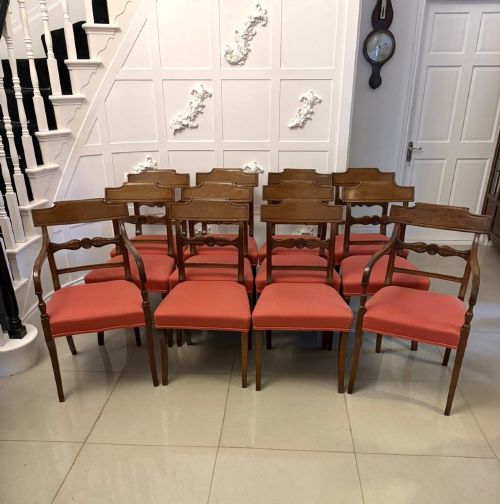
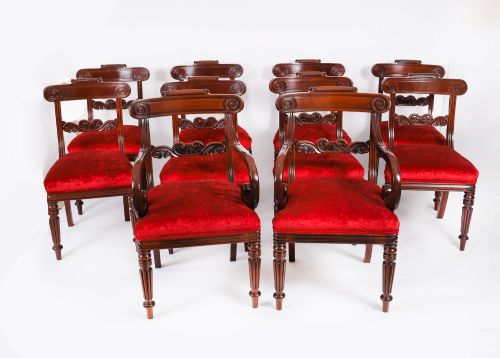
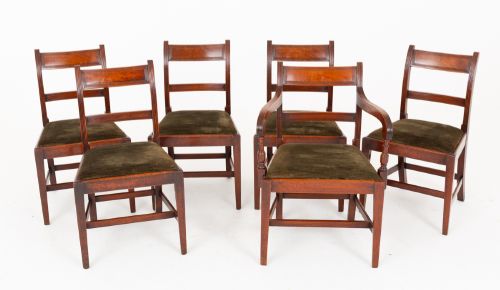
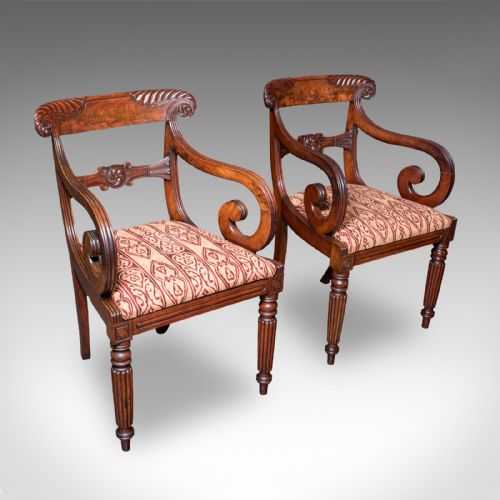
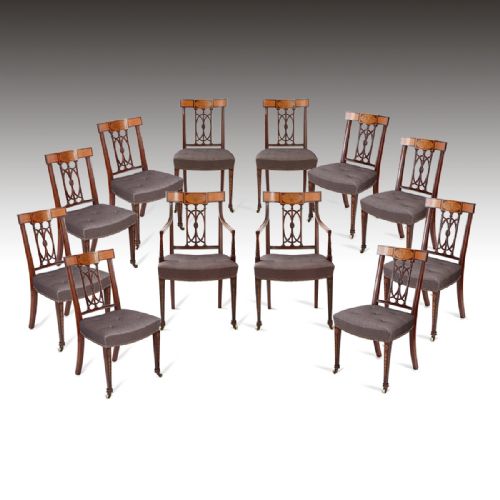
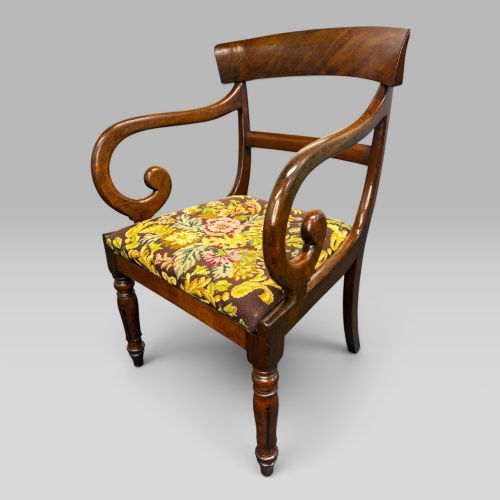
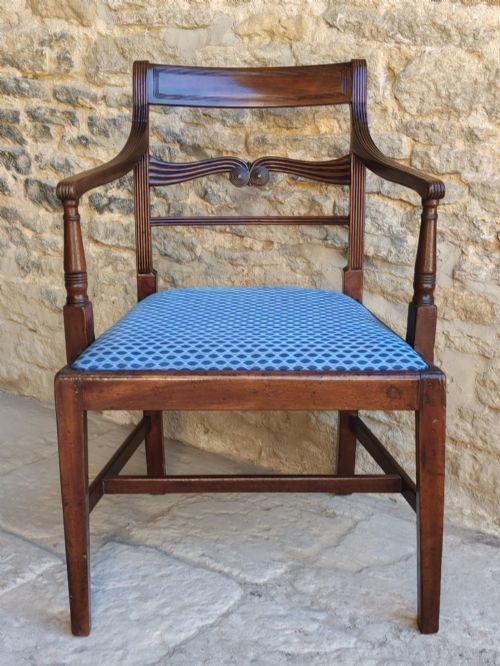
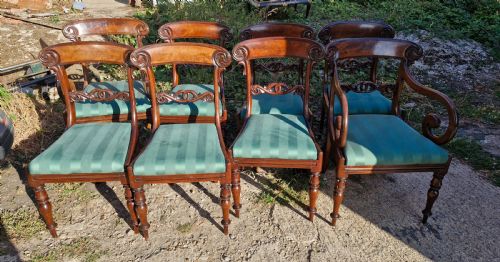
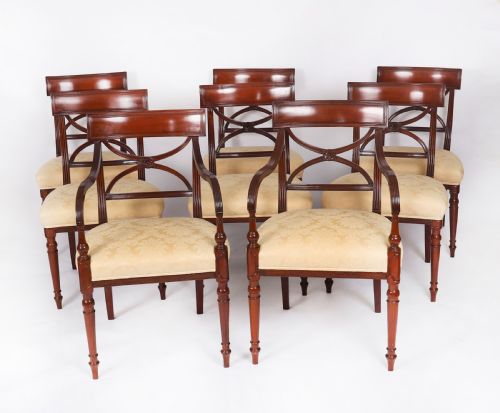
When searching for a regency wooden carver, collectors look at single seating pieces and matching sets originating from the nineteenth century, including the Regency, Georgian, and William IV periods. These chairs served primarily as terminal seats for dining tables or as reception seating in morning rooms and studies.
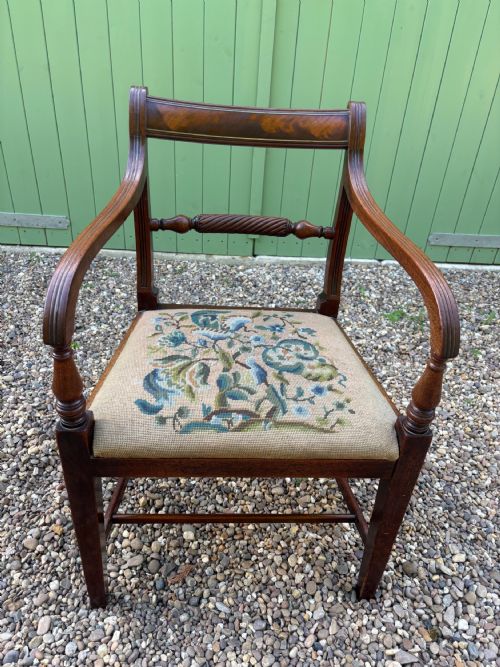
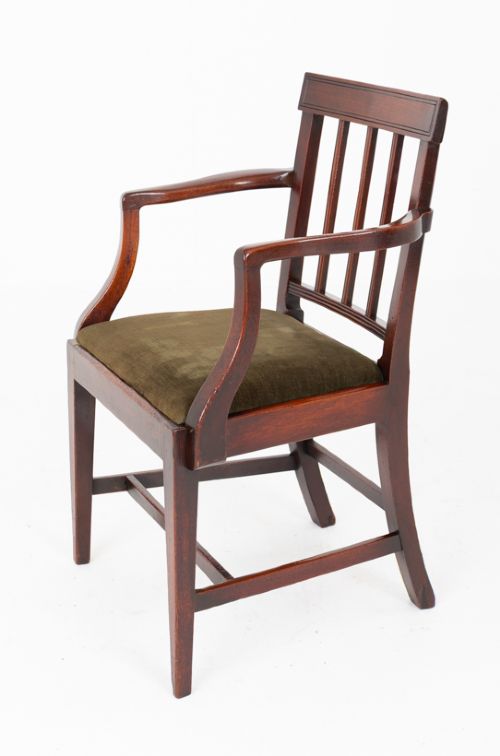
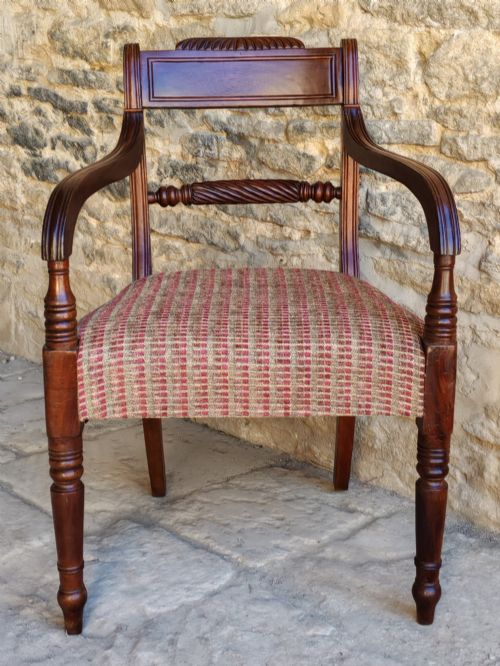
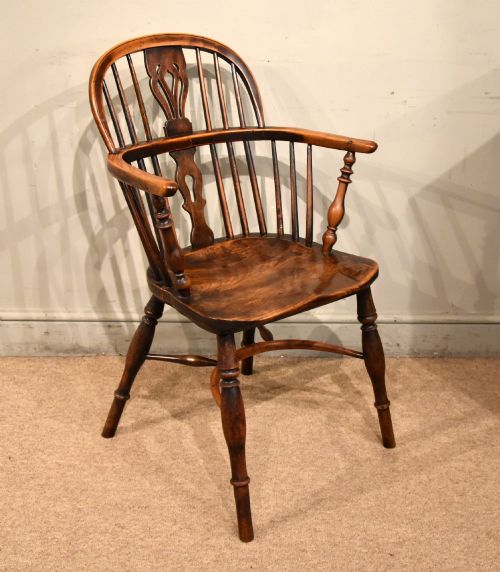
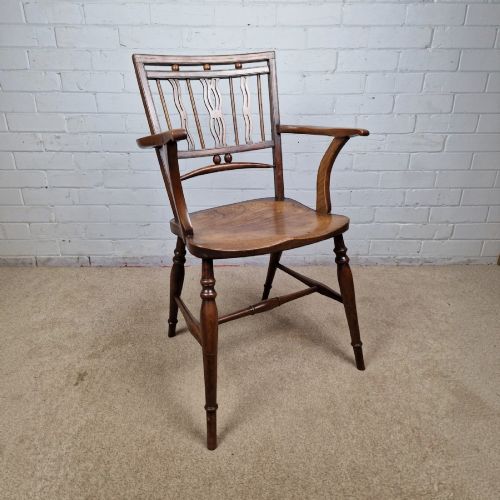
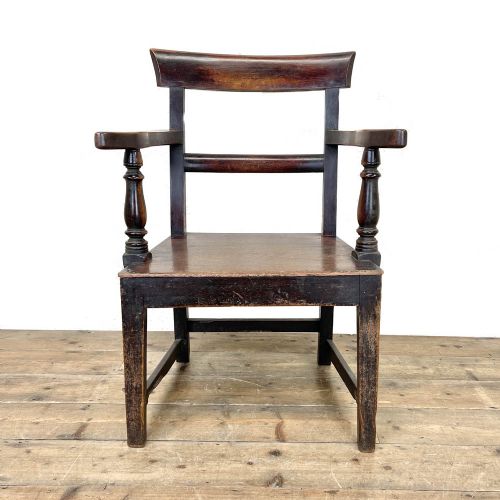
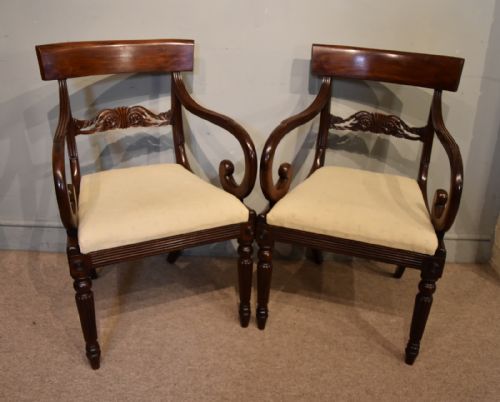
The most common version met on this page is the mahogany dining carver with open arms, alongside occasional regional Windsor models in yew, elm, and fruitwood. Makers utilised various woods such as mahogany, elm, fruitwood, and decorative faux bird's-eye maple to construct these sturdy frames.
Forms span from ropeback and shield-back designs to lyre-back and high-back regional variants. Originating mostly from English and Scottish workshops, these pieces combine functional support with the characteristic aesthetic of the period.
How They Were Made
Cabinet makers constructed these carvers predominantly using solid mahogany, fruitwood, yew, and elm, often shaping the timber into curved armrests and robust legs. Traditional joinery techniques ensured structural integrity without relying on modern fasteners.
Seating areas received supportive webbing and padding before being finished with upholstery fabric, velvet, or textile covers. Brass accents occasionally appeared on castors or decorative mounts, complementing the polished wood grain.
Some chairs sport faux bird's-eye maple finishes, proving that nineteenth-century makers enjoyed a clever theatrical trick just as much as we do.
What Varies in Quality
The refinement of the carved details and the choice of primary timber set the standard for a superior piece. Closely matched sets and original upholstery schemes command greater appreciation than heavily altered examples.
Stability of the frame and the preservation of the original wood finish determine the overall integrity. Pieces retaining crisp carved motifs and tight joinery represent the pinnacle of the maker's output.
The Regency Wooden Carver Glossary
- Carver
- An armchair designed with open sides to accommodate formal dining attire, usually placed at the head of a table.
- Ropeback
- A chair back featuring carved decoration resembling twisted rope, typical of the Regency period.
- Windsor
- A traditional wooden chair built with a solid saddle-seat into which the back spindles and legs are wedged directly.
- Elbow chair
- An alternative term for an armchair, particularly those used in morning rooms and reception spaces.
- Crinoline stretcher
- A curved under-framing stretcher found on certain Windsor chairs to provide additional rigidity to the legs.
Regency Wooden Carver: Frequently Asked Questions
What is a regency wooden carver?
A regency wooden carver is an armchair designed during the early nineteenth century, featuring integrated armrests for use at the head of a dining table or within a formal reception room.
These pieces typically showcase the clean lines and classical motifs characteristic of the Regency, Georgian, and William IV eras.
How were these carvers used?
They served primarily as host or hostess seating at dining tables, providing added comfort through supportive armrests compared to standard dining chairs.
Secondary placements included studies, morning rooms, and hallways as occasional reception seating.
How do I live with a carver?
Placing a carver in a dining setup or as a standalone accent chair adds historical character and functional seating to a room.
Regular polishing with appropriate wood care maintains the finish while gentle vacuuming protects the fabric or velvet upholstery.
How do I identify periods?
Period identification relies on observing the specific wood types, leg shapes, and carved motifs present in the framework. Regency and Georgian examples often feature mahogany and classical geometry, whereas regional pieces utilise elm and fruitwood.
Cross-referencing construction methods with established stylistic timelines helps confirm the date of origin.