

Georgian Wooden Cellarette
A georgian wooden cellarette is a heavy timber vessel designed to chill wine bottles beside a dining table.
Georgian Wooden Cellarette
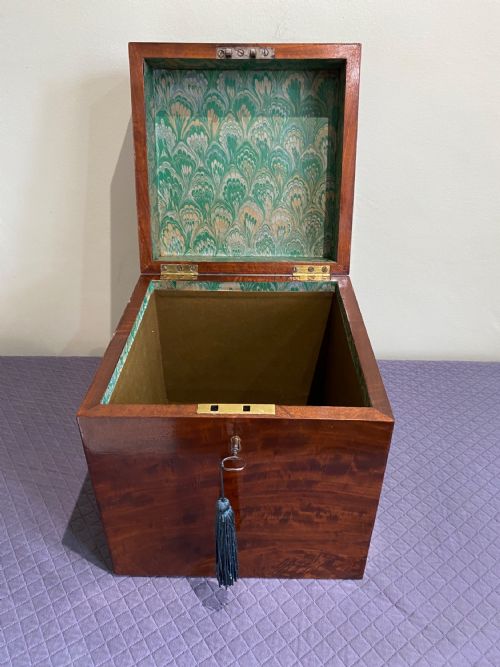
A georgian wooden cellarette serves as a specialised wine cooler or decanter box designed for the dining room. When you explore this selection, you encounter pieces spanning the Georgian, Regency, and Victorian eras, alongside later revival examples.
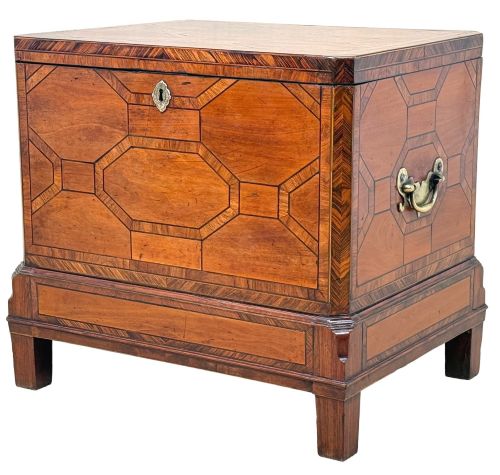
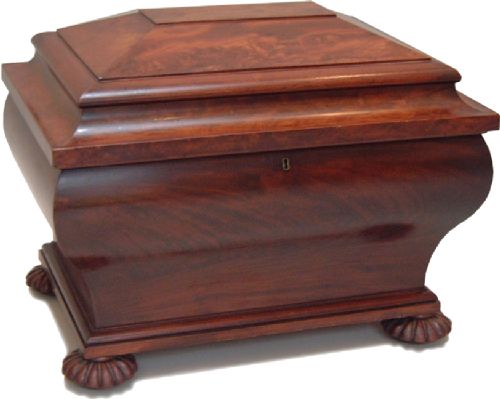
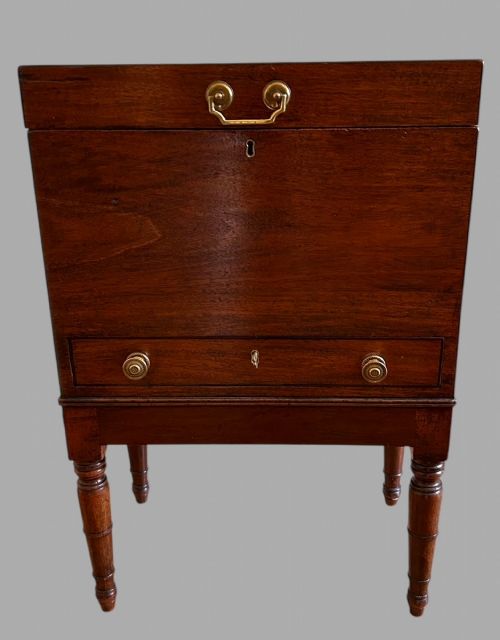
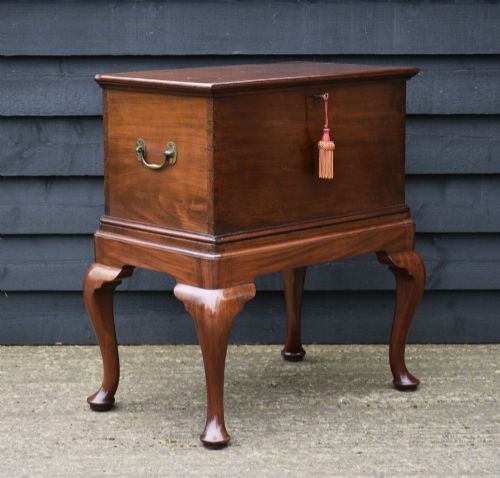
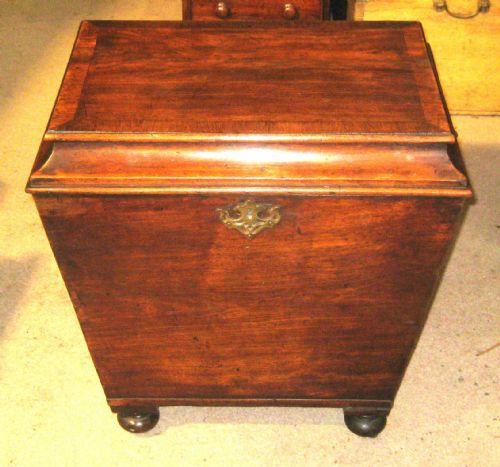
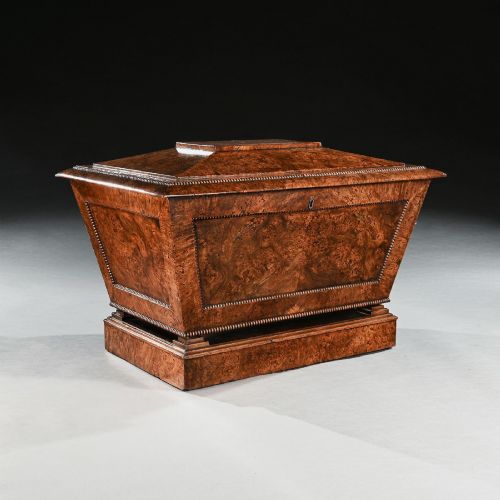
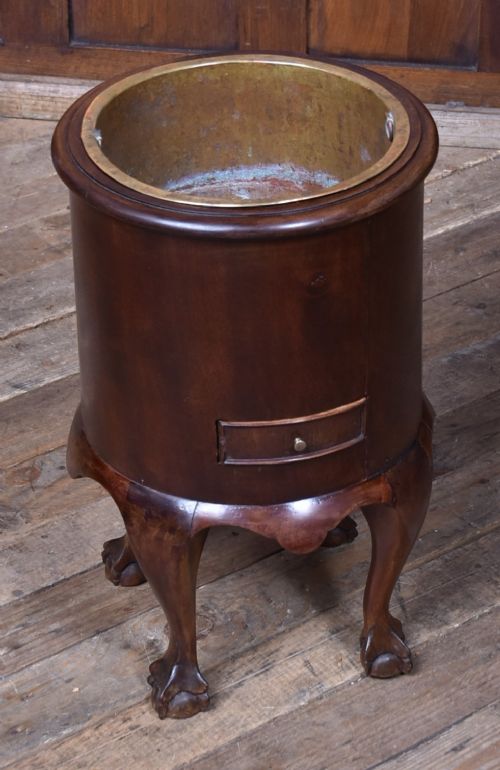
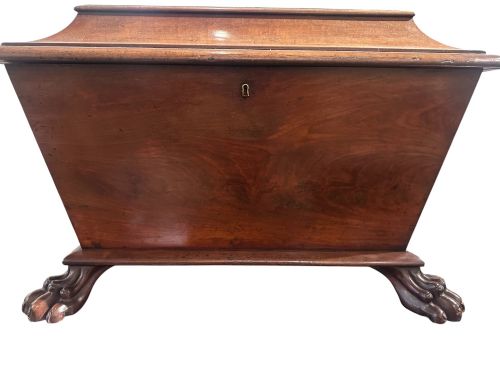
The most frequent form on this page is the freestanding mahogany box, often shaped like a sarcophagus or mounted on a low stand. Makers constructed these containers to hold bottles safely on the floor during formal meals.
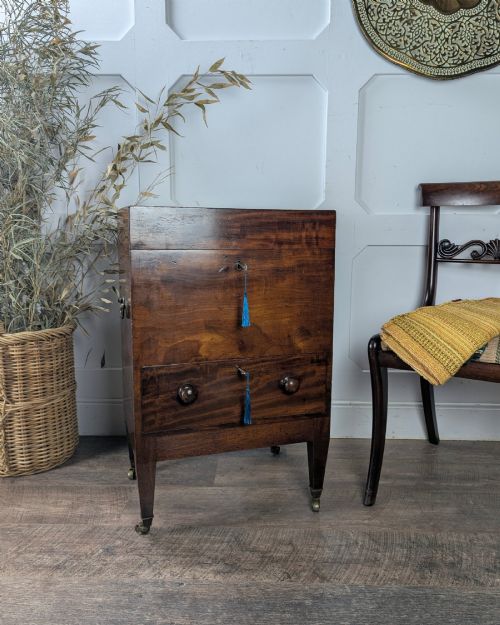
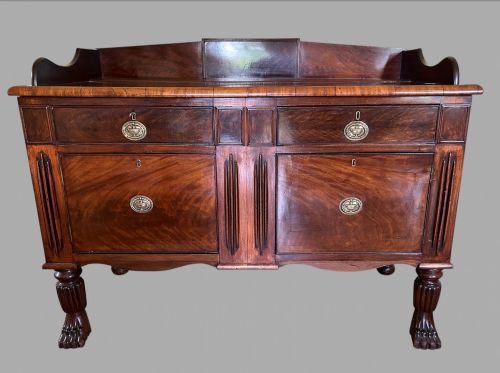
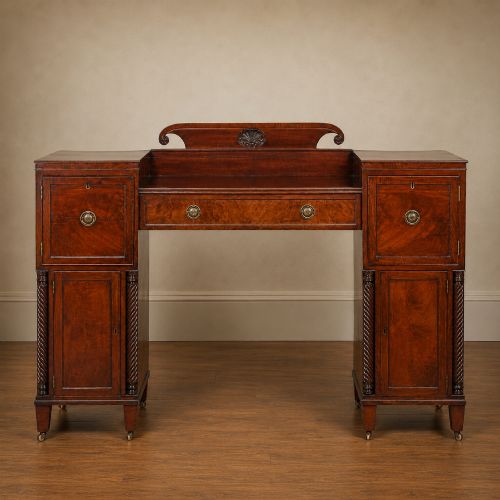
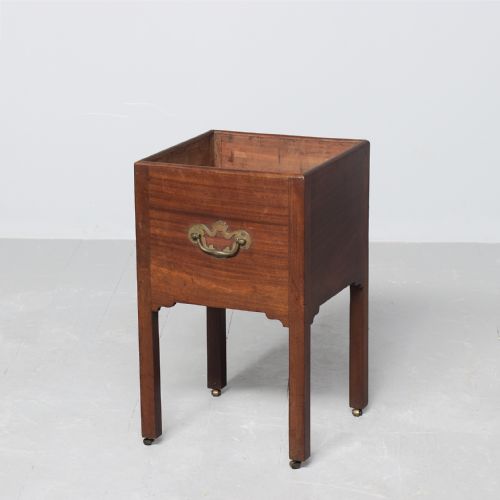
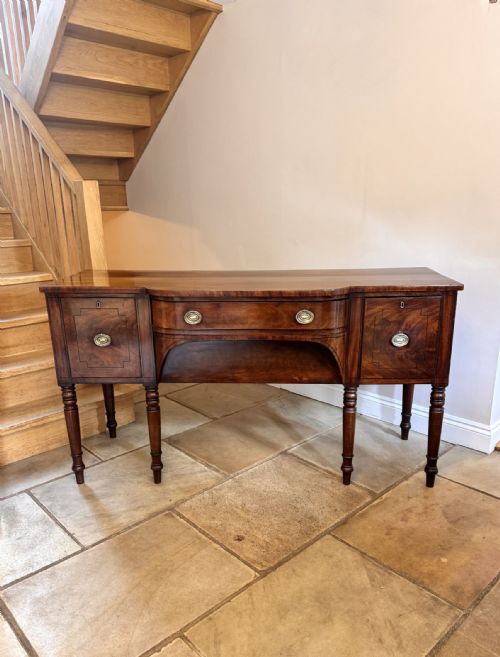
Beyond standard boxes, the listings encompass related forms such as wine coolers, sideboards with built-in storage, and jardinières. These objects reflect the changing dining customs of the eighteenth and nineteenth centuries.
Materials and construction methods
Craftsmen relied heavily on mahogany, utilising flame mahogany and figured veneers to create rich surface movement. Workshops also incorporated satinwood, pollard oak, walnut, and rosewood for contrasting details and borders.
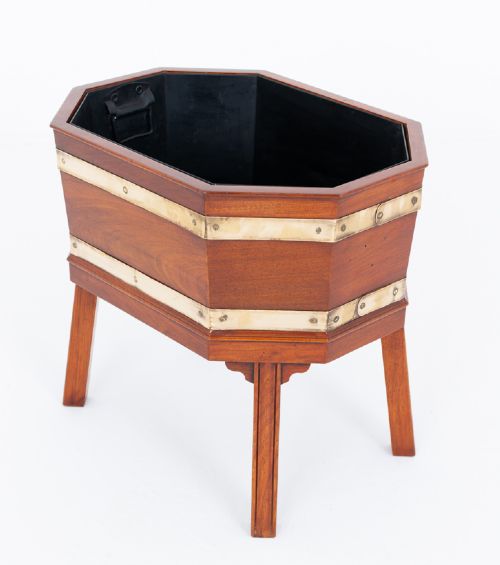
Metal components played a structural and decorative role, featuring brass bands, ormolu mounts, and boxwood inlay. Interior compartments frequently housed zinc, lead, or metal liners designed to hold ice and water for cooling bottles.
Certain antique cellarettes doubled as mobile cellars for hunting parties, designed to travel safely in the back of a carriage.
Distinctions in quality and execution
Superior examples display exceptional timber selection, such as highly figured flame mahogany or richly grained pollard oak with strong natural patina. The depth of the grain and the precision of the boxwood inlay separate standard workshop pieces from master works.
Hardware and interior fittings reveal the maker's original intent, where heavy brass bindings, original lead or zinc liners, and intact internal bottle dividers elevate the stature of the piece.
Gillingtons
The Georgian Wooden Cellarette Glossary
- Cellarette
- A lockable container used for storing and cooling wine bottles in the dining room. They sit on the floor or on dedicated stands beneath sideboards.
- Sarcophagus
- A tomb-like box shape with a domed lid and tapered sides, popular during the Regency period for wine coolers. This classical form drew inspiration from ancient Roman stone chests.
- Flame mahogany
- A veneer cut from the fork of the mahogany tree where the branches meet the trunk, creating a distinct flickering flame pattern. Cabinetmakers reserved this timber for the most prominent exterior surfaces.
- Pollard oak
- Timber taken from oak trees that were polluted or pruned regularly to produce dense, gnarled grain patterns. It provides a heavily figured, speckled surface texture.
- Jardinière
- An ornamental stand or container designed to hold potted plants or flowers. In dining contexts, these vessels sometimes double as wine coolers.
Georgian Wooden Cellarette: Frequently Asked Questions
What is a georgian wooden cellarette used for?
These vessels held wine bottles and ice close to the dining table before fitted sideboards became common. Diners accessed chilled bottles without leaving the room.
They stood on the floor beneath a sideboard, ready for servants to replenish decanters throughout long meals.
How do you tell a Regency cellarette from a Georgian one?
Georgian pieces often display simpler box forms, straight lines, or oval brass banding. They rely on the natural grain of mahogany or subtle boxwood stringing.
Regency versions frequently adopt the sarcophagus shape with heavier carved paw feet, bold ormolu mounts, and dramatic flame mahogany veneers.
Did cellarettes always have metal liners?
Many examples retain their original lead, zinc, or metal liners to hold melting ice without damaging the wood. Some domestic boxes served dry storage purposes and lacked these waterproof linings entirely.
Where should I place a cellarette in a modern home?
Their deep proportions make them useful as standalone statement pieces in a dining room or hallway. Collectors frequently utilise them to store bottles or extra linens.
They also function effectively as low side tables or decorative log boxes near a fireplace.