

Georgian Wood Table
A georgian wood table provides solid timber construction and period character, bringing traditional dining and side surfaces into modern rooms.
Georgian Wood Table
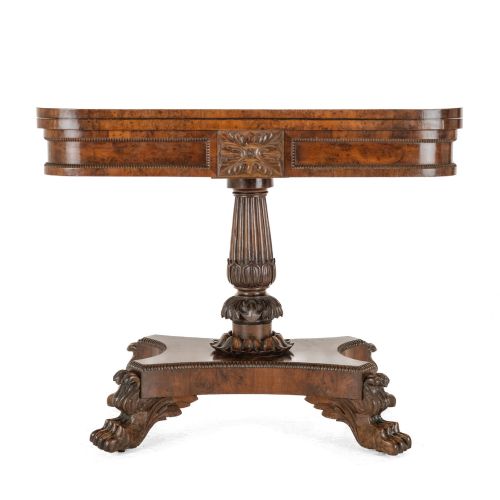
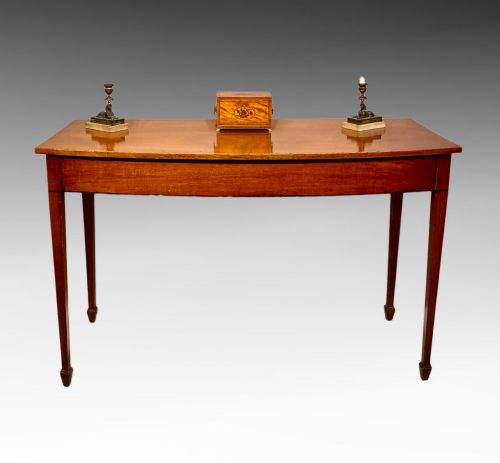
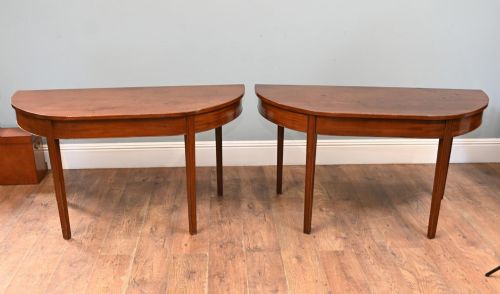
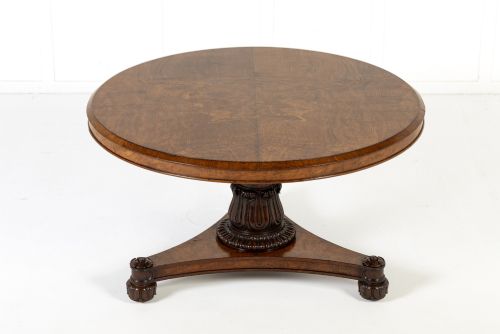
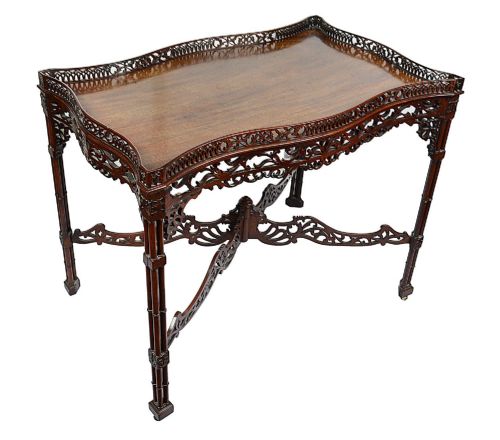
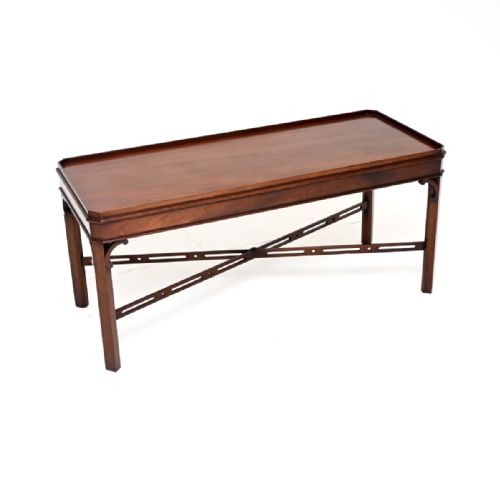
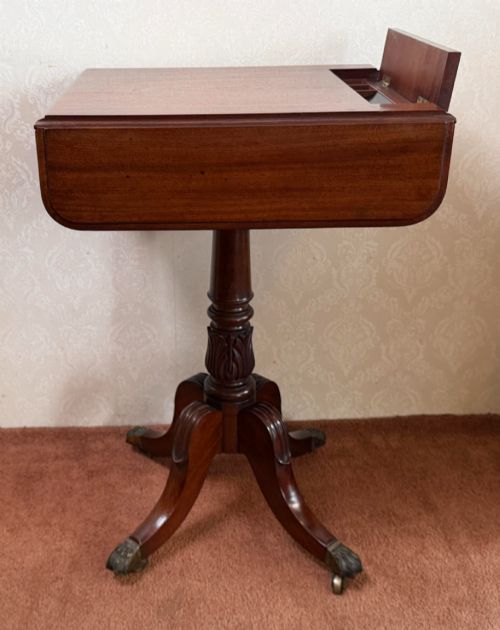
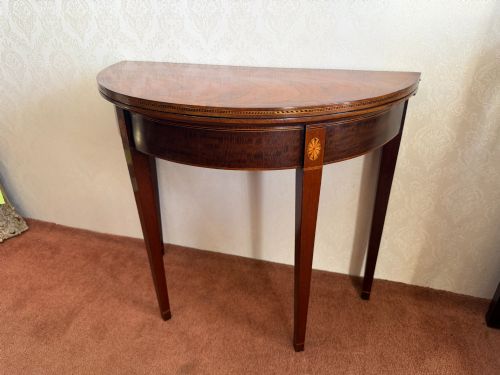
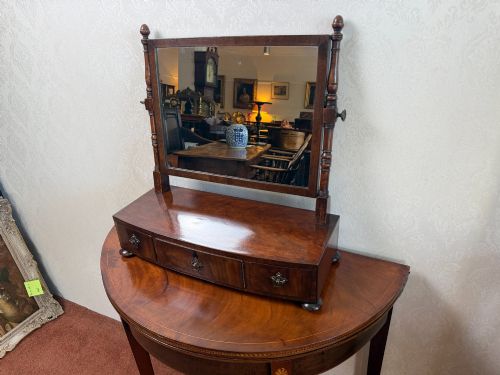
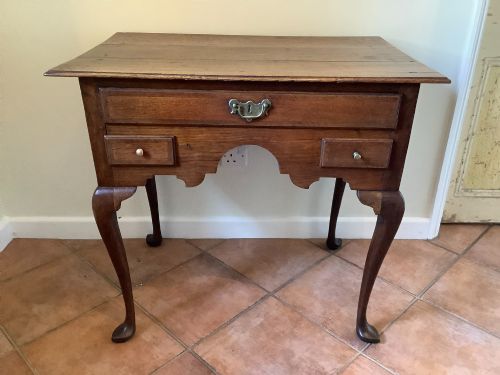
A georgian wood table encompasses a wide variety of domestic furniture designed for dining, writing, and occasional use. The selection spans robust oak pieces from the eighteenth century to refined mahogany pedestal formats associated with the Regency era.
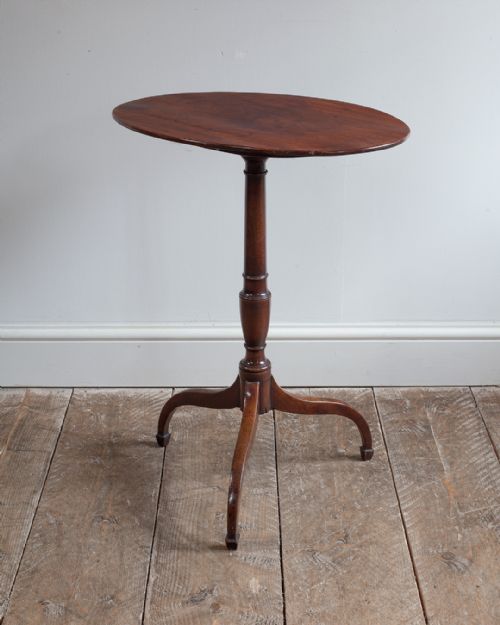
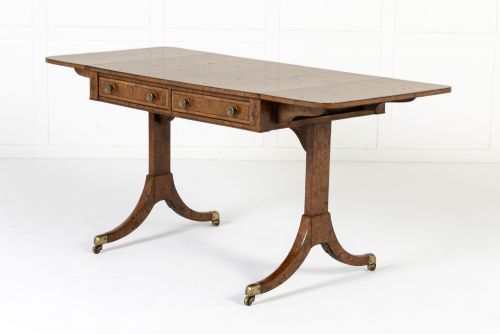
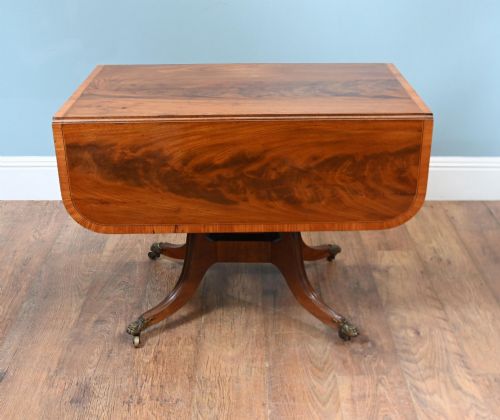
Buyers will encounter multiple forms ranging from large triple pedestal dining formats to compact tripod lamp tables and fold-over tea tables. Many examples incorporate practical elements such as drop leaves, brass galleries, and hidden compartments.
The materials and styles reflect the prevailing tastes of the eighteenth and nineteenth centuries, alongside later revival pieces produced in the twentieth century. These items function as daily surfaces while retaining the proportions characteristic of earlier British craftsmanship.
How They Were Made
Cabinet makers relied primarily on mahogany, oak, and yew wood, often selecting figured timber for prominent surfaces like table tops and drawer fronts. Boxwood and satinwood frequently appear as contrasting inlay elements to accent borders and panels.
Construction techniques involve traditional joinery, utilising solid timbers alongside veneered surfaces applied to stable secondary woods. Metal fittings such as brass casters, handles, and galleries are integrated into dining and occasional formats to provide mobility and utility.
Georgian Wood Table Retail Price Guide 2026
Typical asking prices for georgian wood table among the pieces listed under this phrase on Sellingantiques today, from the lower quarter to the upper quarter. They describe what is for sale here now, not the wider market.
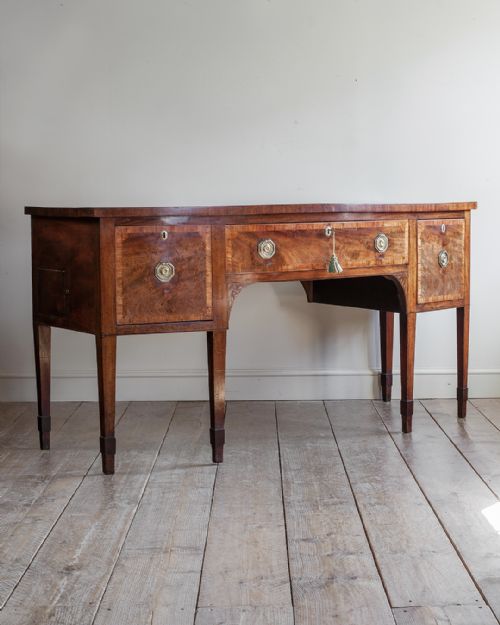
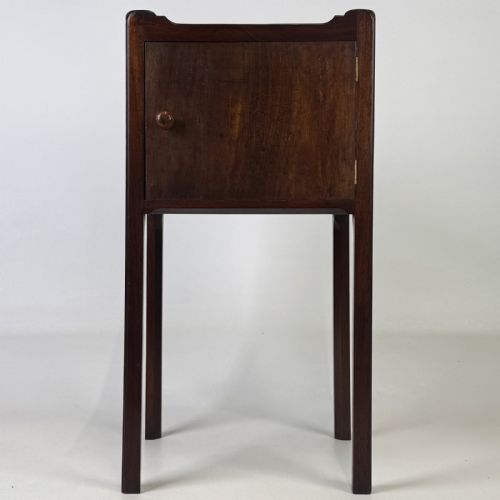
Object types include dining tables, console tables, Pembroke tables, dumb waiters, and bedside commodes.
What Varies In Quality
The calibre of a piece depends heavily on the selection of timber grain and the precision of the joinery used in its construction. Figured mahogany and well-matched veneers distinguish finer examples from plain utility pieces.
Proportion and the retention of original brass hardware or pedestals dictate the integrity of the item. Pieces that maintain their structural stability without heavy timber replacement sit at the higher end of the range.
The Georgian Wood Table Glossary
- Tripod Table
- A small occasional table supported by a central pillar above three spreading legs. This form gained popularity during the eighteenth century for serving tea or holding lamps.
- Pedestal Table
- A table supported by one or more central columns rather than four corner legs. Larger versions often feature multiple pillars to support extended dining surfaces.
- Tea Table
- A small folding table designed to hold tea service equipment during the eighteenth century. Many surviving examples feature a fold-over top supported by a swing leg.
- Marquetry
- Decorative patterns formed by the insertion of different coloured wood veneers into a solid background. This technique decorates the surfaces of writing desks and commodes.
Georgian Wood Table: Frequently Asked Questions
How do I clean a wood table?
Dust surfaces regularly with a soft dry cloth to prevent accumulation. Avoid modern silicone polishes that can damage historic finishes.
Apply a traditional beeswax conditioner occasionally to nourish the timber and maintain a natural lustre. Keep wooden furniture away from direct heat sources and strong sunlight to prevent warping.
Can I use an antique table daily?
Most solid timber tables were built for rigorous domestic use and handle everyday tasks well. Using coasters and placemats protects the polished surface from moisture and heat.
Folding mechanisms and drop leaves should be operated with care to preserve original hinges and joints. Regular gentle use helps keep the timber conditioned rather than causing harm.
What is a pedestal dining table?
A pedestal dining table uses one, two, or three central columns to support a long top instead of standard corner legs. This design allows greater flexibility for seating guests around the table.
Originating in the late eighteenth and early Regency periods, these tables often feature brass casters on the feet for ease of movement.
How do I identify the wood type?
Examine the grain patterns, colour variations, and density of the timber. Mahogany typically displays a deep reddish-brown tone with a straight or figured grain.
Oak presents a pronounced open grain with visible medullary rays, while yew wood shows tight growth rings with distinctive knots and warm golden hues.