


Georgian Wine Label
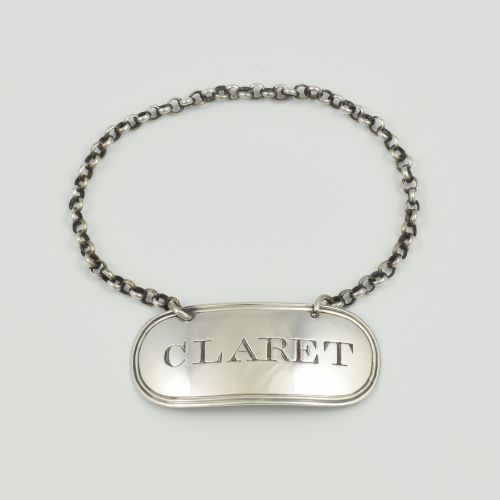
A georgian wine label identifies a decanter's contents in solid silver, bringing period elegance to the table.
Georgian Wine Label
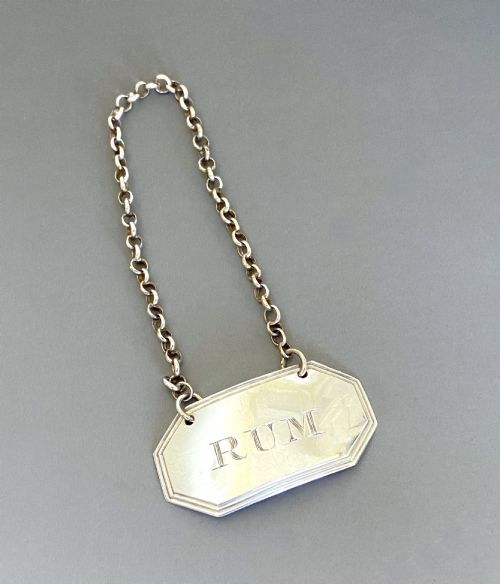
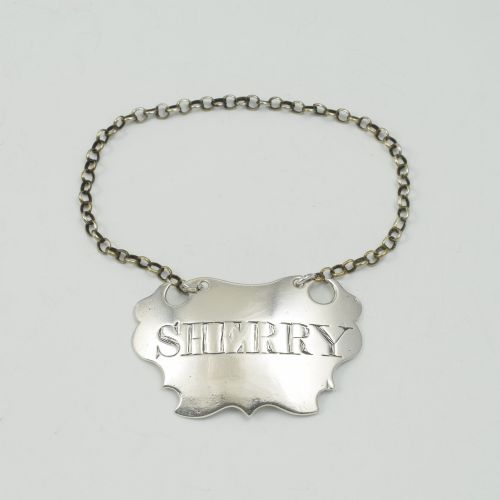
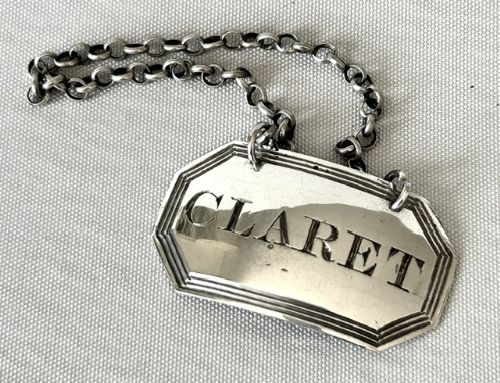
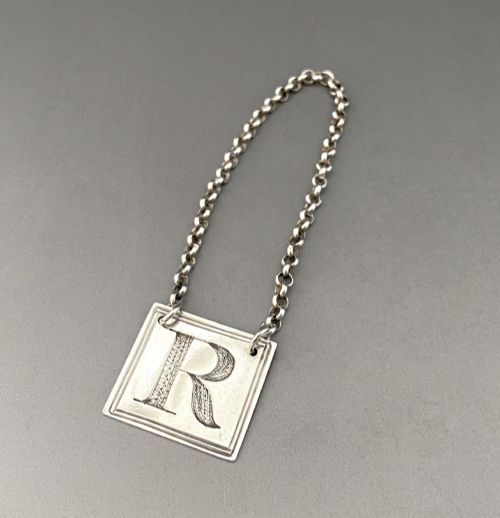
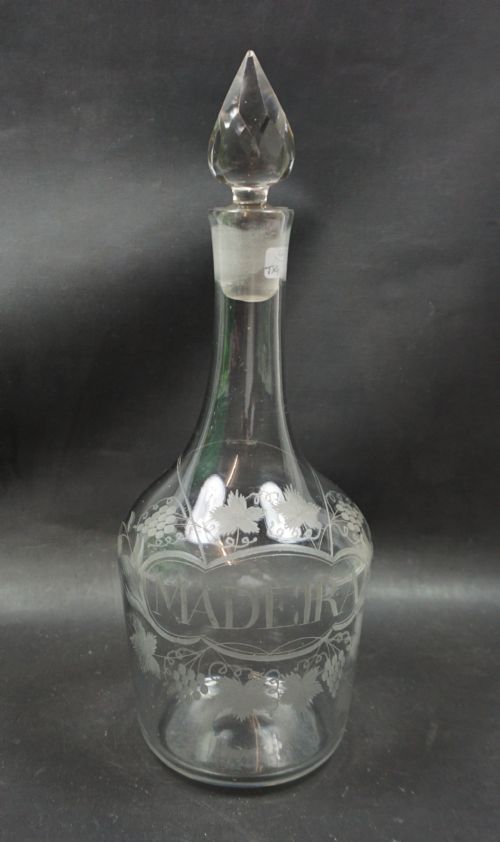
A georgian wine label hangs from the neck of a decanter or bottle to name the drink inside. These small silver tags appear in shapes like escutcheons, crescent curves, vine leaves and individual cutout letters.
Most examples found here date from the eighteenth and nineteenth centuries, spanning the Georgian, Regency and William IV periods. They include named varieties for port, sherry, claret, madeira, rum, brandy, hock and moselle.
Makers ranged from provincial silversmiths to notable London workshops. Collectors encounter individual pieces alongside matched sets designed for multiple decanters.
Materials and construction methods
Silversmiths constructed these tags primarily from sterling silver, solid silver and occasional silver gilt. Metal was cut, pierced or cast into specific outlines before receiving hand-engraved lettering and decorative borders.
Makers applied punch marks to record hallmarks, sterling standards and maker initials. Suspension relied on matching silver chains or wire loops fitted around the bottle neck.
Listings feature sterling silver and silver gilt forms, spanning the Georgian, Regency, William IV and Victorian eras.
Judging quality and execution
Quality rests on the crispness of the hand engraving and the originality of the suspension chain. Finer examples display deep, clear lettering and balanced proportions without thinning to the silver plate.
The distinction between ordinary production and superior work involves the reputation of the silversmith and the complexity of the cast ornament. Pieces bearing maker marks from recognised workshops command greater interest.
Elizabeth Morley·John Reily·Thomas Wallis II·William Sharp·Peter and Anne Bateman·Phipps and Robinson·Hester Bateman·Susannah Barker·Joseph Willmore
The Georgian Wine Label Glossary
- Escutcheon
- A shield-shaped form commonly used for early silver wine labels. This design provides space for engraved titles and crests.
- Silver gilt
- Silver covered with a thin layer of gold applied by fire gilding or electrochemical methods. This finish adds a warm tone to vine leaf motifs.
- Provincial mark
- A hallmark stamped outside London assay offices, indicating manufacture in regional centres such as Edinburgh or Peterhead. These marks help trace the local origin of a piece.
- Vine leaf
- A decorative shape mimicking foliage, frequently utilised for hock and sherry labels during the Regency and Victorian eras. The veins are often chased by hand.
- Cutout letter
- A wine label formed entirely as a single capital letter representing the drink. Examples include initial letters for Madeira or Sherry.
Georgian Wine Label: Frequently Asked Questions
How were wine labels used?
These small tags hung around the necks of glass decanters using short silver chains. They served to identify the specific wine or spirit poured for guests.
Servants placed them on matching decanters so diners could distinguish between ports, sherries and clarets on the dining table.
Are they solid silver?
The pieces recorded here consist of sterling silver, solid silver and silver gilt. Makers stamped them with assay office marks and sterling hallmarks.
Electroplate and base metals do not appear among these traditional antique examples.
How do I date a label?
Hallmarks stamped on the reverse or edge provide the exact year and assay office of manufacture. London, Edinburgh and provincial towns recorded their output through date letters and maker initials.
Stylistic shifts from rococo revival curves to naturalistic vine leaves also help assign pieces to Georgian, Regency or Victorian eras.