



Georgian Wine Glass Pair
A georgian wine glass pair brings authentic period weight and sparkle to the table, offering matched drinking vessels from past centuries.
Georgian Wine Glass Pair
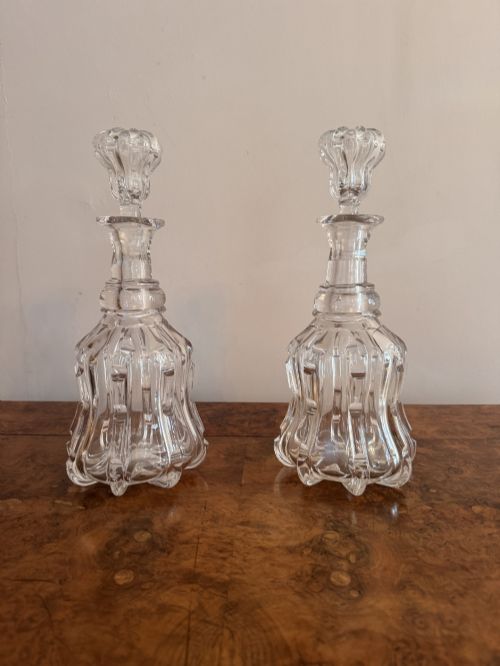
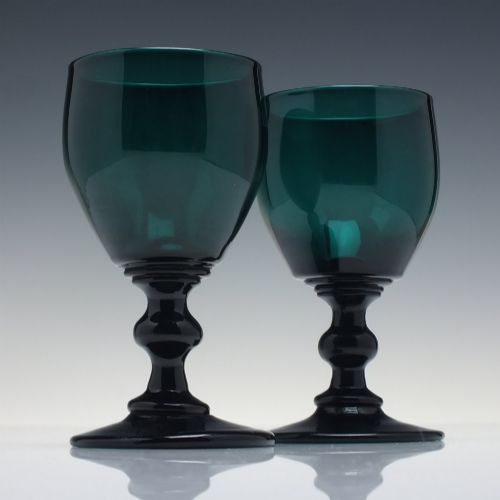
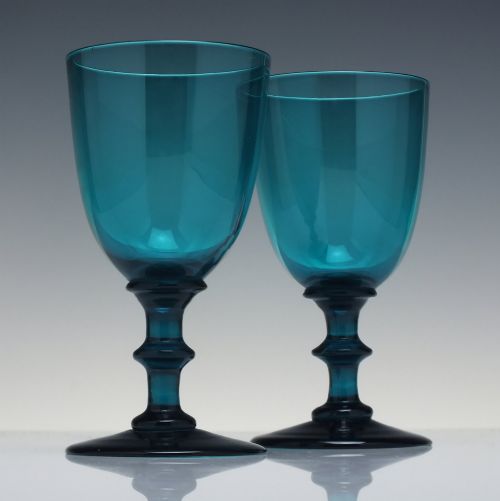
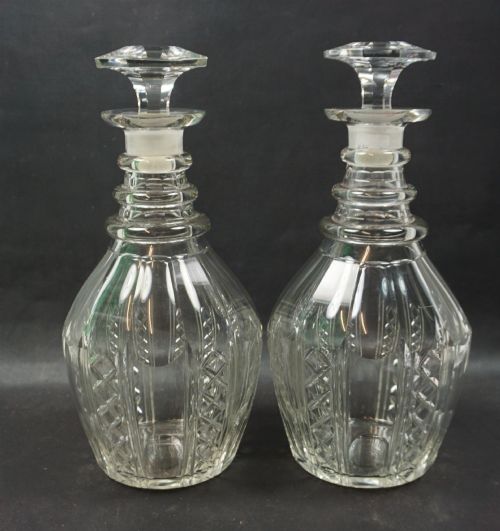
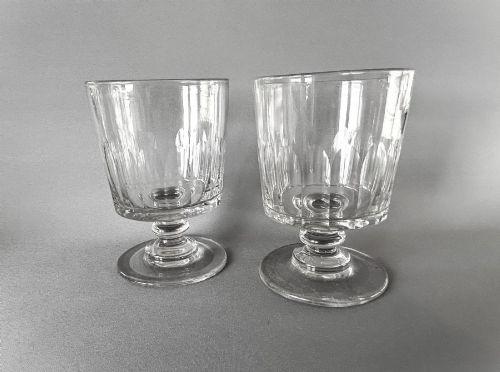
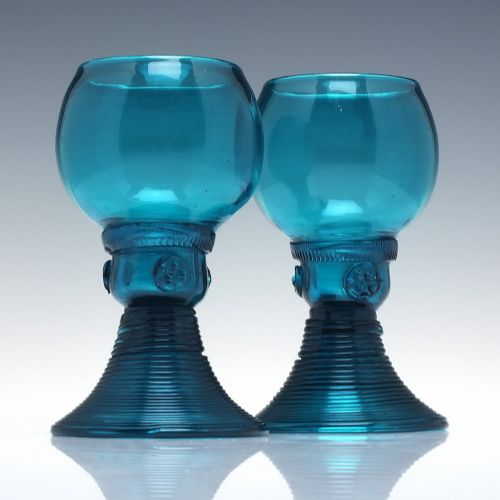
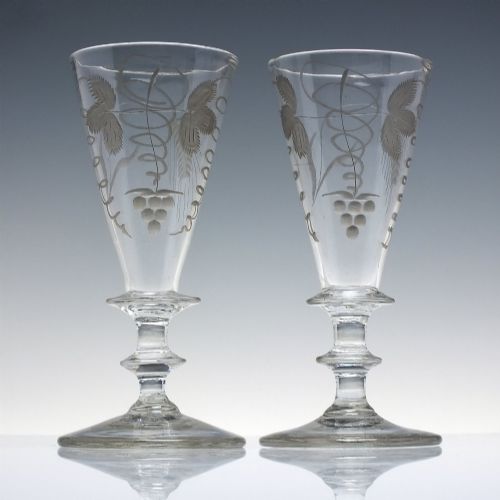
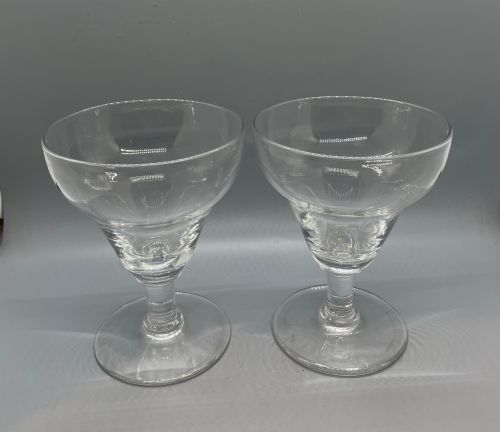
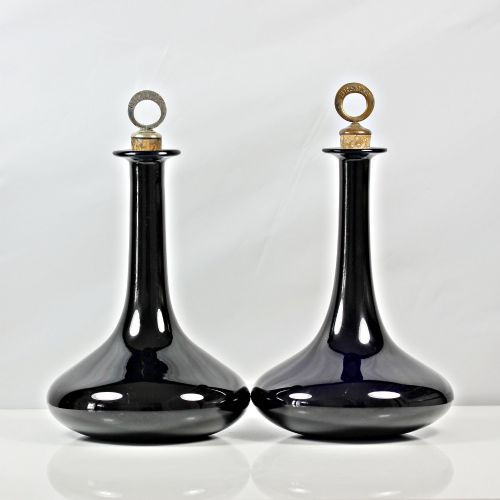
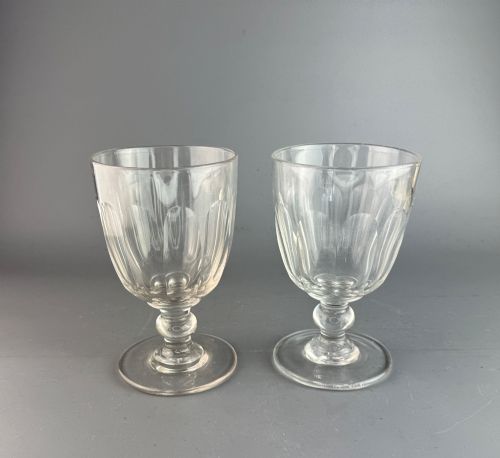
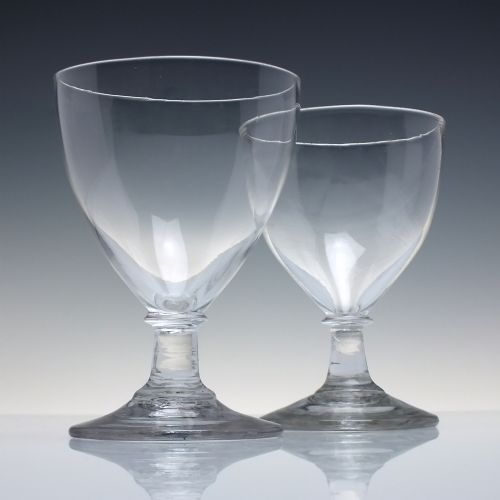
A georgian wine glass pair comprises matched drinking vessels originating from the late eighteenth century through the early nineteenth century. These items include engraved barley wine glasses and turquoise blue wine glasses, alongside related rummers and decanters.
The objects span periods such as the Georgian era, Regency, and William IV, reflecting domestic dining habits of the time. Buyers encounter forms designed for wine and celebratory toasts, often featuring facet-cut details and distinctive bowl shapes.
Materials and construction
Makers utilised lead crystal, lead glass, and clear glass to achieve clarity and weight in each georgian wine glass pair. Coloured variations such as Bristol blue glass also appear among the drinking vessels and decanters.
Techniques involved cutting, engraving, and etching the glass surfaces to create facets, patterns, and symbolic motifs. These methods required skilled handwork to shape the ovoid bowls and cylindrical forms.
Georgian Wine Glass Pair Retail Price Guide 2026
Typical asking prices for georgian wine glass pair among the pieces listed under this phrase on Sellingantiques today, from the lower quarter to the upper quarter. They describe what is for sale here now, not the wider market.
Listings feature items spanning the Georgian, Regency, Victorian, and Edwardian periods, utilising lead crystal, clear glass, and Bristol blue glass.
Defining quality differences
Quality varies according to the precision of the cutting and the clarity of the lead crystal or glass used in the vessel. Sharper facet cuts and finer engraving elevate the execution of the piece.
The consistency of the matched pair dictates its desirability, as uniform weight, height, and colour indicate careful selection by the original maker or subsequent owners.
The Georgian Wine Glass Pair Glossary
- Facet cut
- A decorative technique involving flat, polished planes ground into the glass surface to catch the light. This method creates geometric patterns across the bowl or body.
- Rummer
- A large, sturdy glass traditionally used for ale, wine, or punch during the eighteenth and nineteenth centuries. These vessels typically feature substantial stems and ovoid bowls.
- Ovoid
- An egg-shaped bowl form frequently found on rummers and wine glasses from the Georgian period. This contour provides a comfortable grip and directs aromas.
- Prussian style
- A decanter shape characterised by a tapering cylindrical body with three parallel neck rings. This form gained popularity during the Georgian and Regency eras.
Georgian Wine Glass Pair: Frequently Asked Questions
What defines a georgian wine glass pair?
A georgian wine glass pair consists of two matched drinking vessels produced during the late eighteenth or early nineteenth century. They typically exhibit characteristics of the period, such as lead glass composition and hand-cut facets.
These pieces were intended for dining and social occasions. Surviving examples demonstrate the prevailing glassmaking styles of the era.
How do I care for antique glass?
Antique glass requires gentle hand washing in lukewarm water with mild detergent. Avoid sudden temperature changes to prevent thermal shock and cracking.
Store the vessels securely on stable surfaces away from direct sunlight. Proper handling preserves the polished finish and delicate engraved details.
Are these glasses safe to use?
While these vessels were originally made for consuming wine and spirits, many collectors prefer to display them as decorative objects. Using antique lead glass requires care regarding acidic beverages over extended periods.
Evaluating the structural integrity of each piece helps determine suitability for occasional dining use. Most owners choose gentle handling to protect the material.