

Georgian Wine Cisterns
Georgian wine cisterns are substantial vessels designed to chill bottles at the dining table, combining fine cabinetmaking with waterproof metal linings.
Georgian Wine Cisterns
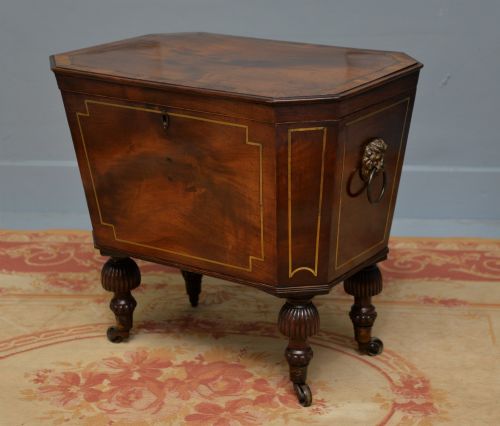
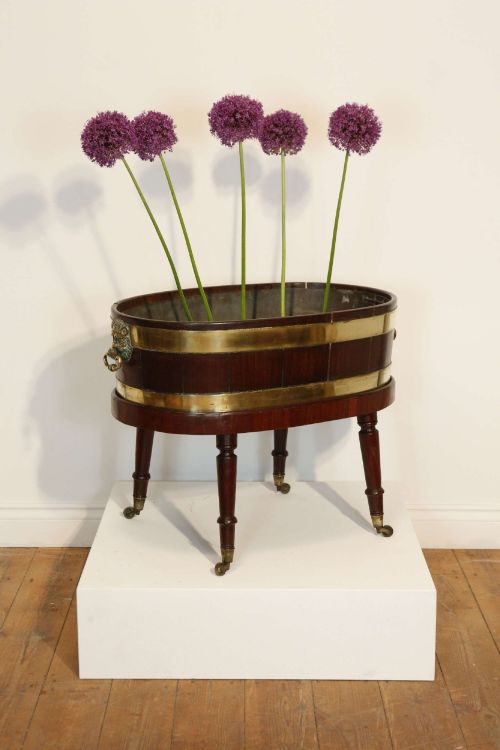
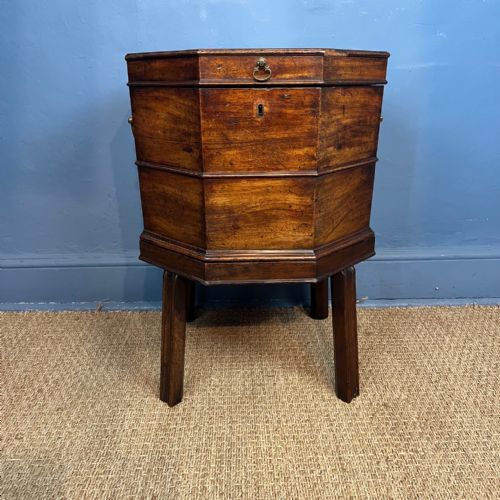
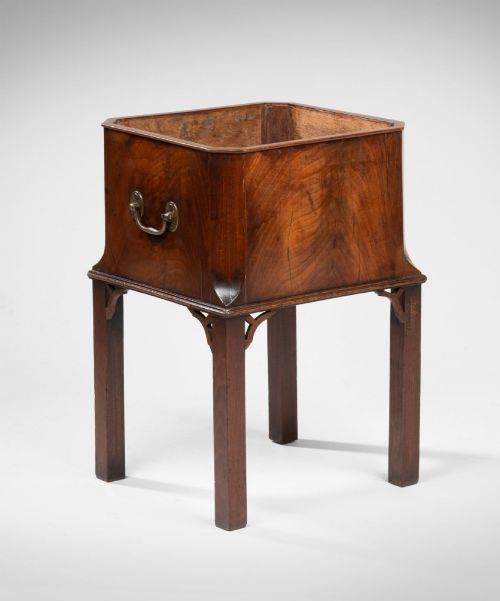
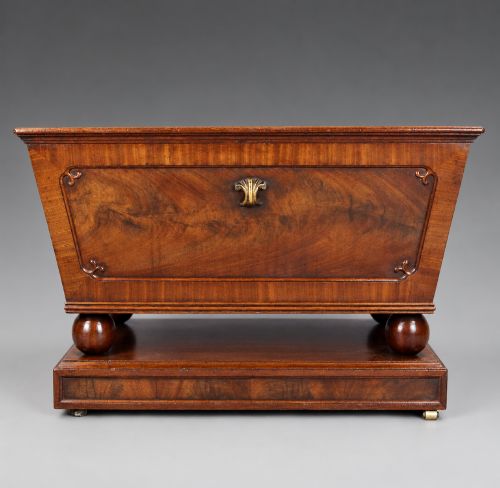
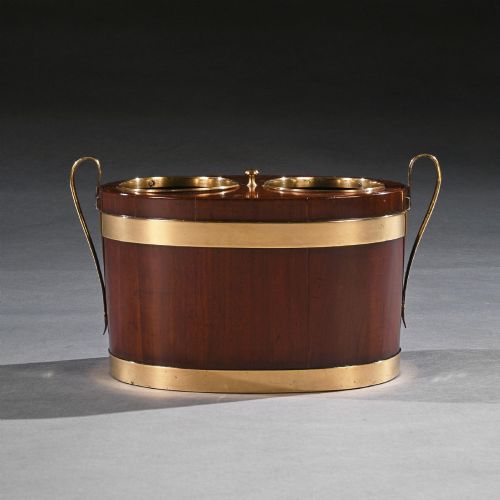
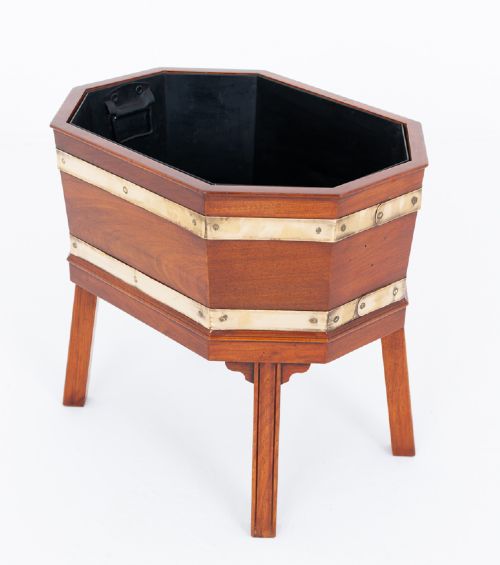
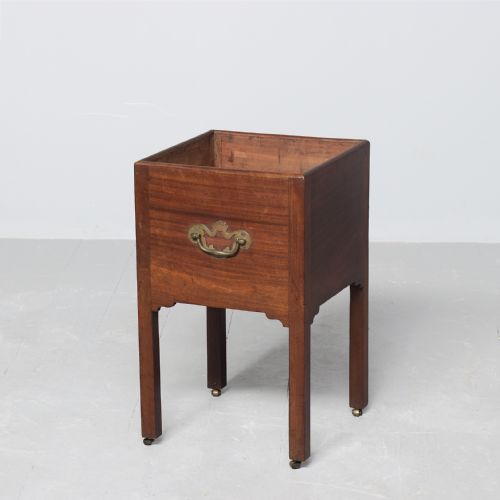
When you search for georgian wine cisterns, you encounter robust serving vessels created to hold ice and water for cooling wine during long eighteenth and nineteenth century dinners. The examples met on this page span straightforward oval and hexagonal timber buckets to grand sarcophagus forms and decorative planters on stands.
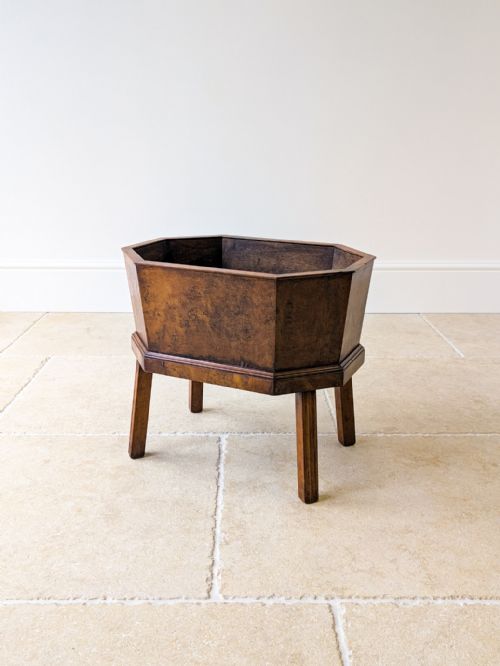
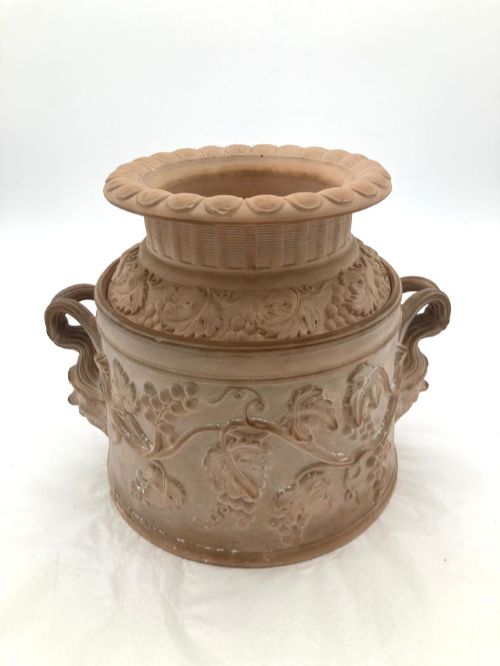
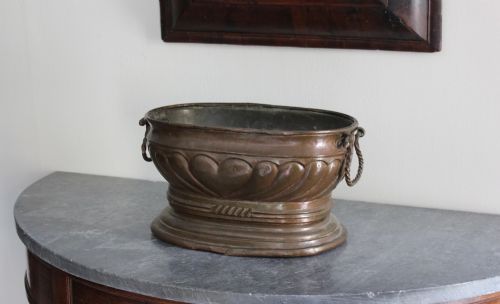
Most pieces date from the George III and Regency periods, utilising dense timbers like mahogany, burr elm, and walnut often bound with brass bands. Makers also produced variations in copper, brass, terracotta, and silver plate, serving as wine coolers, cellarettes, or jardinières.
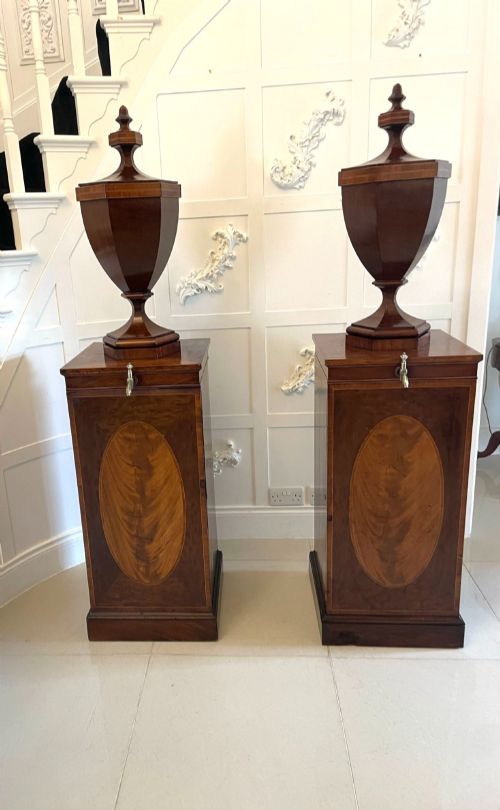
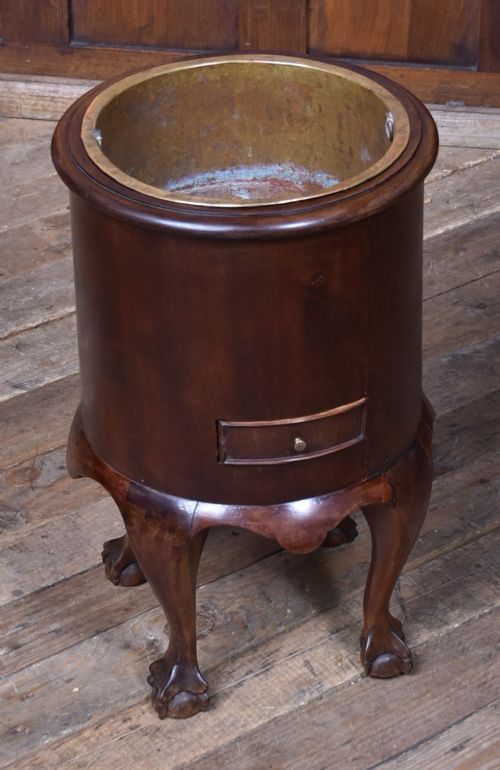
The form evolved from simple coopered staves to architectural pedestal cabinets and neoclassical urns designed to stand beneath sideboards or upon dedicated tables. Interiors typically feature lead, zinc, or copper linings constructed to retain ice and contain meltwater.
How they were made
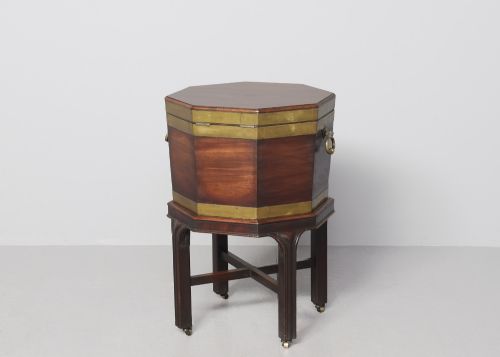
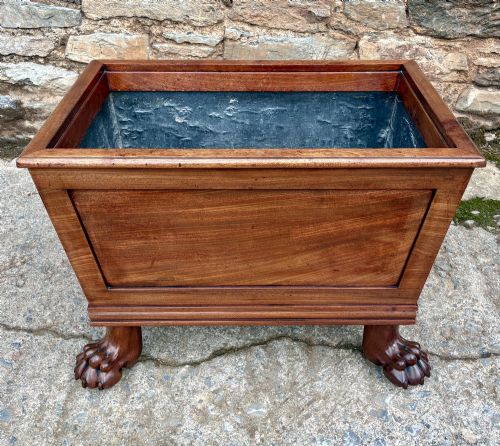
Cabinetmakers constructed wooden bodies using traditional cooperage techniques with tight staves, or joined solid mahogany, satinwood, and walnut panels into hexagonal, oval, and sarcophagus shapes. Brass bands, handles, and paw feet added structural reinforcement and decorative contrast to the polished timber surfaces.
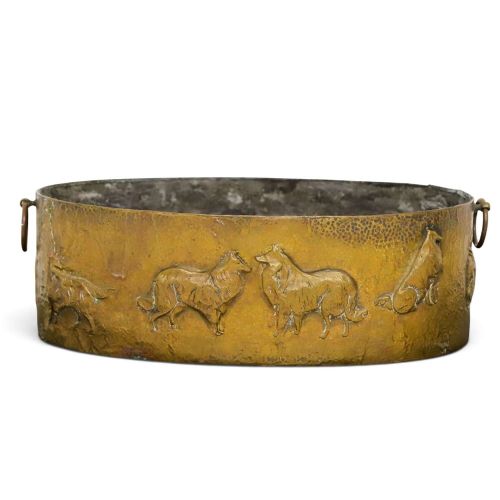
Metal vessels utilised hand-beaten copper, brass, and Old Sheffield plate, sometimes incorporating repoussé decoration with figural or animal motifs. Interiors received waterproof linings of zinc, lead, or copper soldered at the seams to withstand prolonged contact with ice and water.
Georgian Wine Cisterns Retail Price Guide 2026
Typical asking prices for georgian wine cisterns among the pieces listed under this phrase on Sellingantiques today, from the lower quarter to the upper quarter. They describe what is for sale here now, not the wider market.
What varies in quality
Quality rests upon the selection of timber figures, such as flame mahogany or burr elm, and the crispness of brass inlays, paw feet, and cast drop handles. Superior pieces display meticulous joinery and original metal liners rather than later replacements.
Design ambition separates standard coopered buckets from exhibition pieces featuring marquetry, carved lion masks, or dedicated stands. The integration of period locking mechanisms, original keys, and intact interior partitions determines the integrity of surviving examples.
Gillows
The Georgian Wine Cisterns Glossary
- Coopered
- Constructed from curved wooden staves joined side by side and bound by metal hoops, similar to barrel-making. This method kept wooden wine cisterns watertight.
- Sarcophagus
- A box-like monumental form with a sloping lid, popular during the Regency period for large wine coolers. These often featured carved paw feet and bold brass mounts.
- Cellarette
- A lockable container used to store bottles of wine securely beneath a sideboard or dining table. They frequently double as wine cisterns with metal-lined interiors.
- Old Sheffield Plate
- A fused composite material made by melting a thin sheet of silver onto a thicker copper base. It was widely used for Georgian wine coolers before electroplating.
- Jardinière
- An ornamental pot or stand designed to hold plants, a form closely related to wine cisterns and frequently sharing the same timber and metal construction.
Georgian Wine Cisterns: Frequently Asked Questions
What is a wine cistern?
A wine cistern is a large container historically filled with ice and water to cool multiple wine bottles during meals. They stood on the floor or on dedicated stands near the dining table.
Unlike smaller tabletop coolers, these substantial pieces accommodated entire bottles and often featured waterproof metal linings to protect the surrounding wood.
How were they used?
Servants filled the internal metal lining with ice and water before dinner, placing wine bottles inside to chill them for guests. The melted ice collected at the bottom until emptied after the meal.
Many examples included internal partitions to separate bottles and prevent them from clinking together while being transported or accessed during dining.
Where did they stand?
Wine cisterns typically sat directly on the floor beneath a sideboard or on low stands designed specifically for the vessel. Their low positioning kept them accessible to servants without obstructing conversation.
Larger pedestal variants integrated cupboards or storage directly into matching dining room furniture suites.
Can they be used today?
Many historical wine cisterns continue to function as functional ice buckets or bottle holders during modern dinner parties. Their durable metal linings still hold ice and water effectively.
Alternatively, buyers frequently repurpose them as plant jardinières or decorative storage containers within living spaces and hallways.