


Mahogany Wine Urns
Mahogany wine urns are formal vessels and accompanying stands designed for dining service, combining timber and brass.
Mahogany Wine Urns
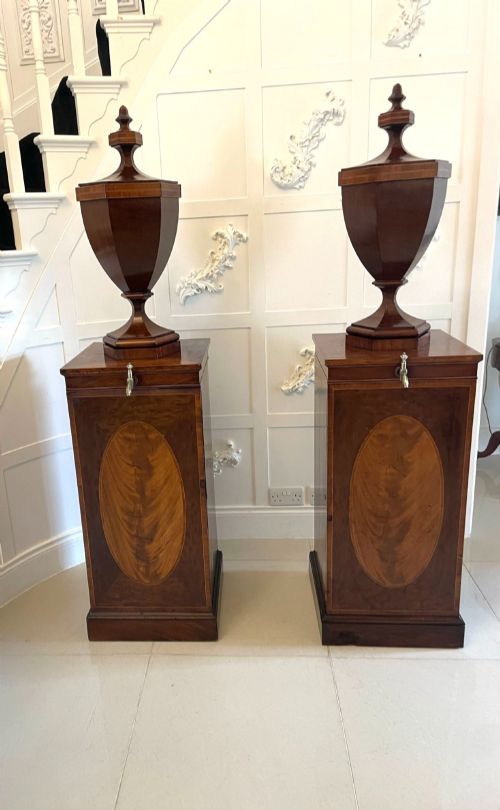
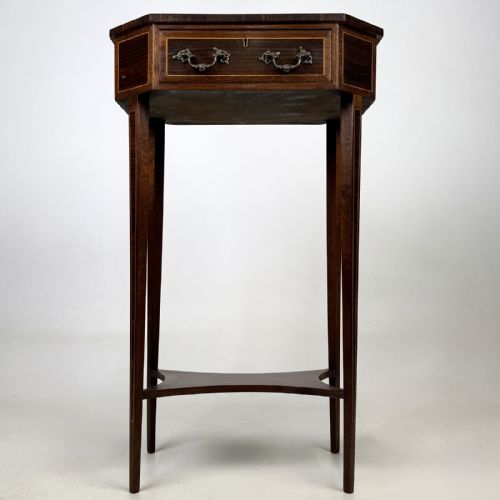
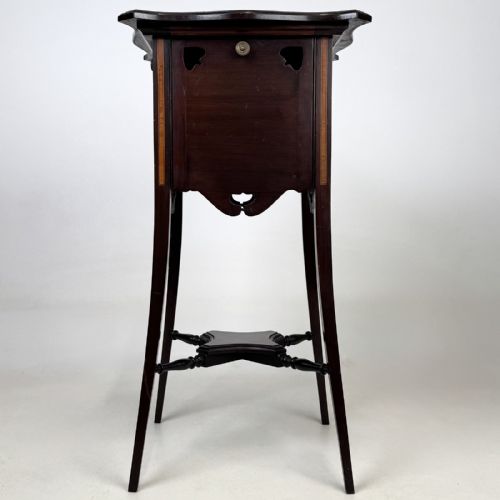
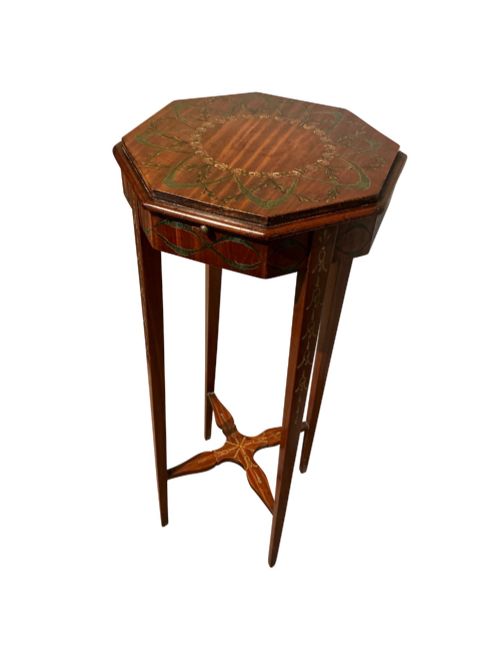
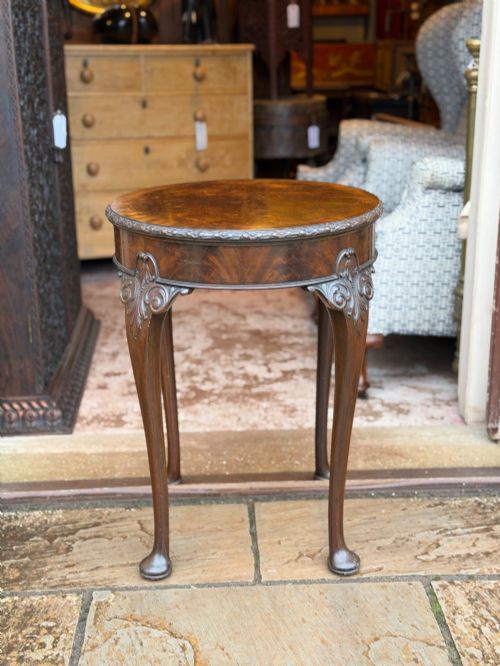
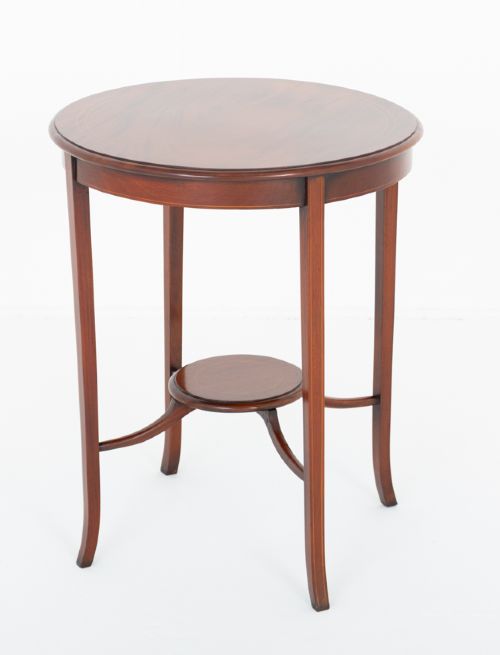
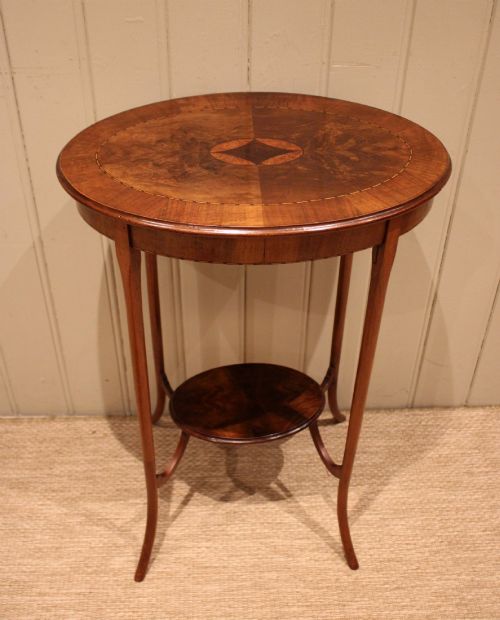
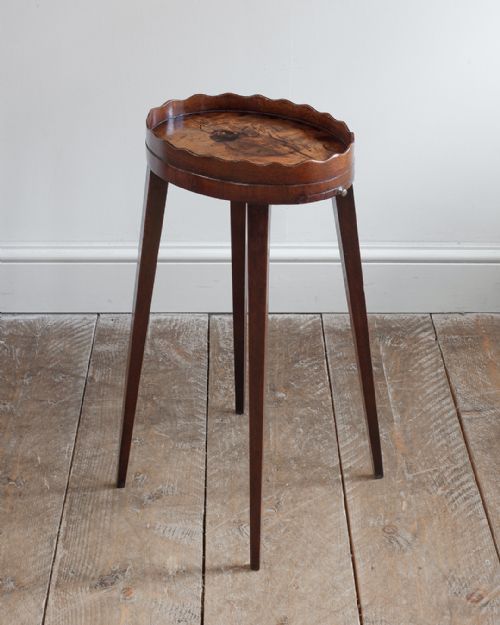
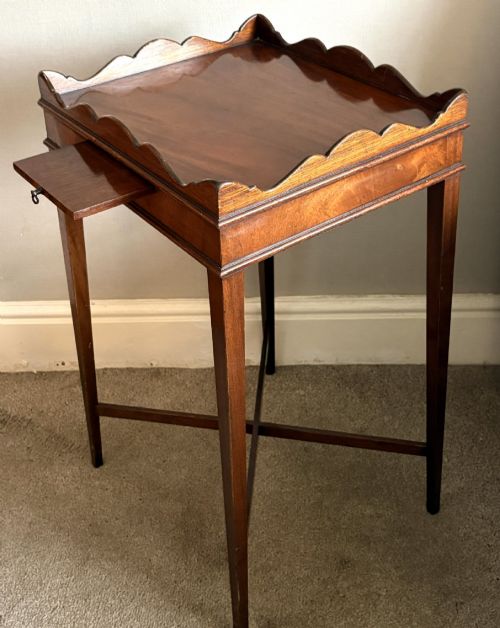
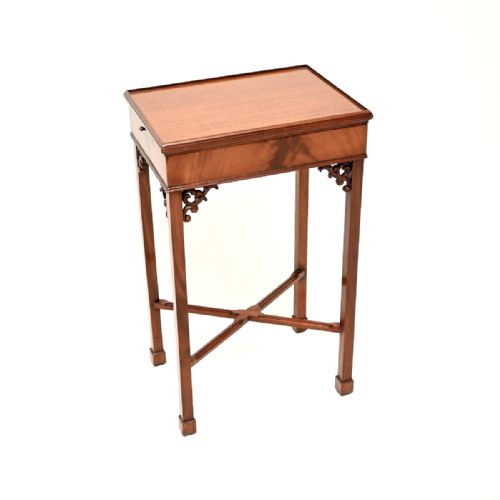
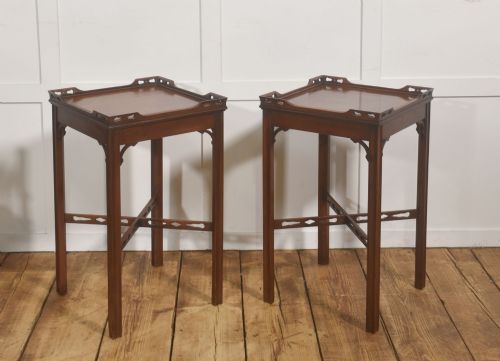
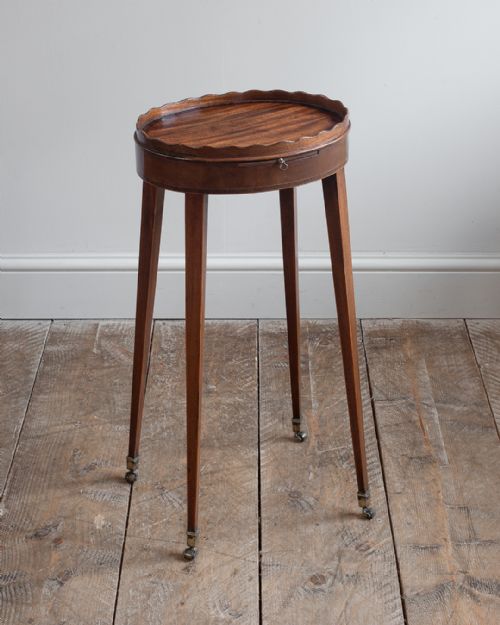
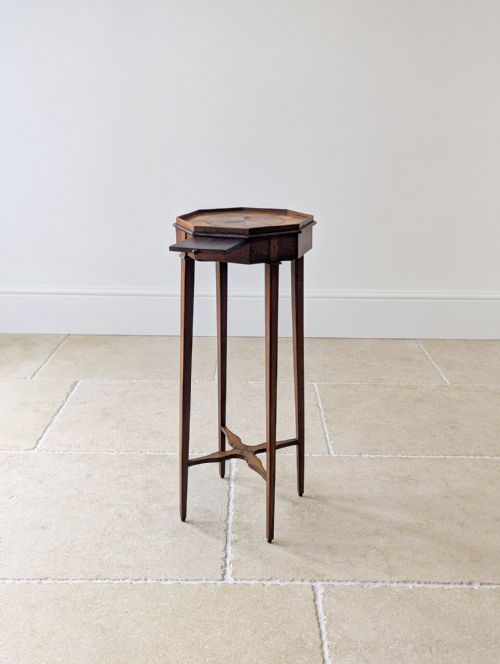
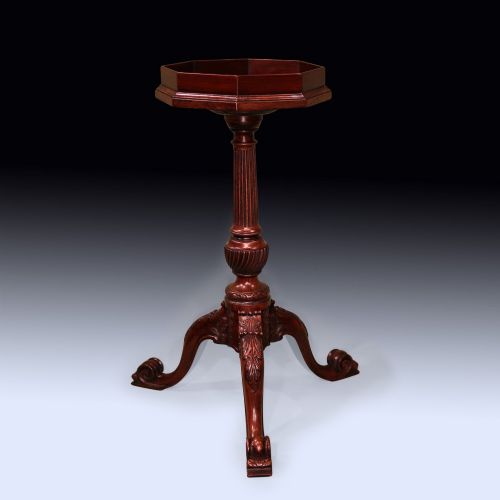
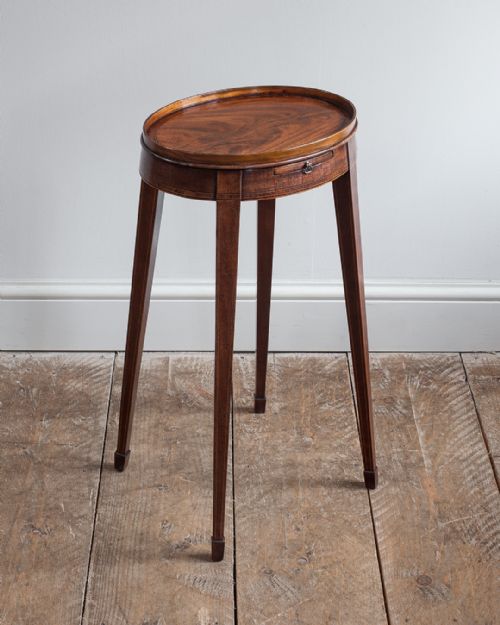
Mahogany wine urns include matching stands, pedestals, and related serving furniture rooted in the Georgian and Regency periods. These pieces range from oval, octagonal, and square urn stands to side tables, kettle stands, and jardinières.
The versions most commonly met here originate from the eighteenth and nineteenth centuries, often showing George III, Sheraton, or Chippendale influences. Makers employed these forms to hold bottles, tea apparatus, or plants in formal rooms.
How they were made
Carpenters utilised solid mahogany and flamed veneers, frequently incorporating boxwood and satinwood inlay to define geometric panels and borders. Carved details appear on key structural edges, reflecting period cabinet-making practices.
Metal components such as brass handles, mounts, and castors were integrated into stands and urns to provide function and contrast against the dark timber.
Mahogany Wine Urns Retail Price Guide 2026
Typical asking prices for mahogany wine urns among the pieces listed under this phrase on Sellingantiques today, from the lower quarter to the upper quarter. They describe what is for sale here now, not the wider market.
Listings feature mahogany alongside brass, boxwood inlay, bone, and paint across Georgian and Edwardian periods.
What varies in quality
The standard of timber selection and inlay precision marks the distinction between ordinary pieces and finer examples. Rich figure in the mahogany veneer and crispness in the boxwood stringing indicate higher workshop competence.
Proportion and the handling of classical details, such as turned pedestals or shaped serpentine edges, separate standard utilitarian items from ambitious cabinet work.
The Mahogany Wine Urns Glossary
- Urn stand
- A small, tall table designed specifically to support a drinking vessel or tea urn during service. These items typically feature elevated galleries or tailored tops.
- Inlay
- A technique where contrasting woods like boxwood or satinwood are fitted into recesses within the primary mahogany surface to create decorative patterns.
- Jardinière
- A decorative receptacle designed to hold plants or flowers, often constructed from mahogany with brass or metal liners.
- Serpentine
- A gently undulating curved line found along the edges of tabletops and stands, popular in eighteenth-century design.
- Pedestal
- A supporting column or base structure that elevates a table, urn, or jardiniere above floor level.
Mahogany Wine Urns: Frequently Asked Questions
What were mahogany wine urns used for?
These vessels held wine or water for dining room service, often placed on dedicated stands nearby.
Servants used them to temper wine or manage drinks before pouring them at the table.
How do I identify a Georgian stand?
Look for timber selection, specific proportions, and traditional joinery methods typical of the eighteenth century.
Details like boxwood inlay and strict geometric forms often point toward this earlier era of design.
Where should I place an urn stand?
They suit reception rooms and halls as lamp tables or plant stands.
Their compact footprints allow them to fit easily beside seating or in corners.
Are these pieces restored?
Many antique stands receive routine maintenance to preserve the timber and structural stability.
Original surfaces are retained where possible to maintain the character of the wood.