


Urn and Pedestal Pair
An urn and pedestal pair brings architectural symmetry and classical proportion to a room, uniting vessel and plinth in a single balanced composition.
Urn and Pedestal Pair
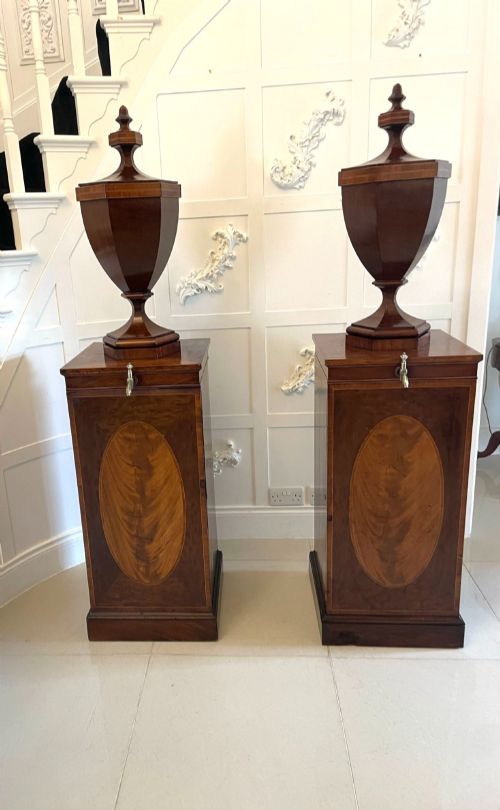
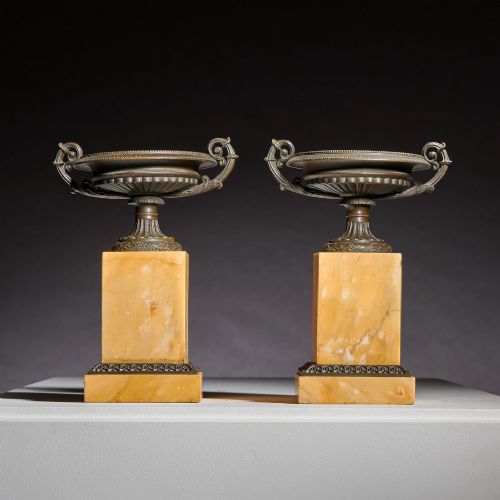
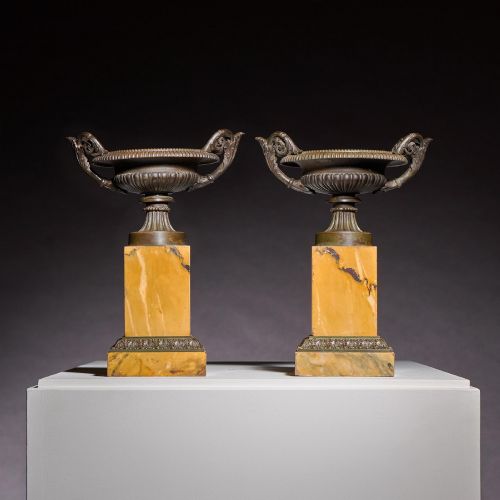
When you search for an urn and pedestal pair, you encounter matched sets combining a vessel with a matching stand, column, or plinth. These arrangements originate primarily from the nineteenth century, drawing heavily on neoclassical, Regency, and French Empire design vocabulary.
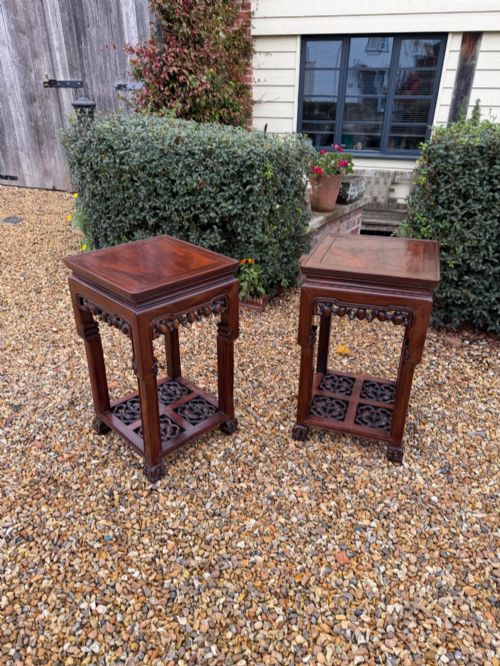
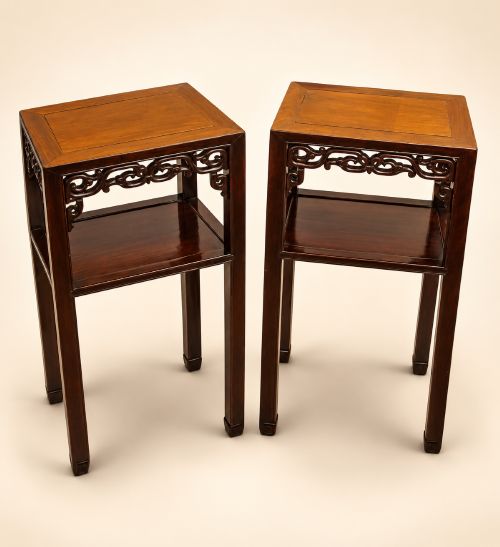
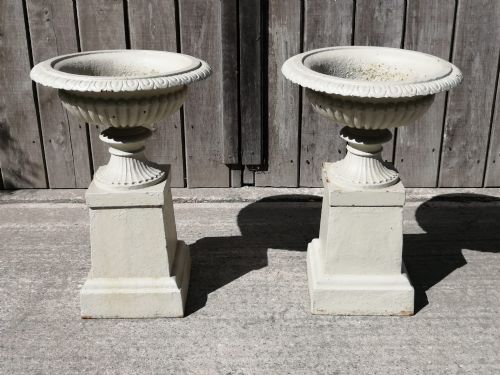
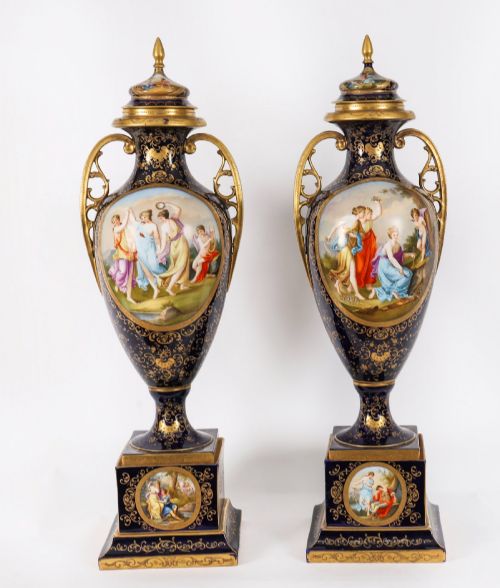
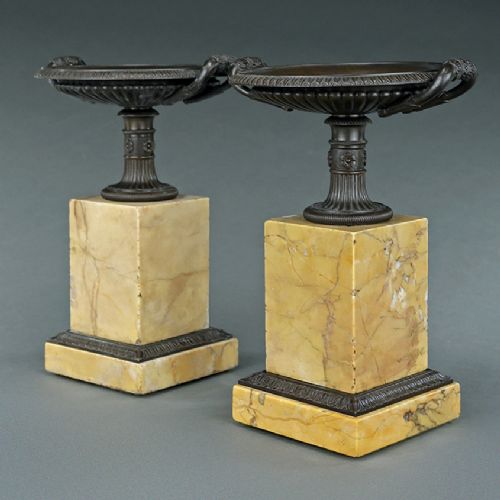
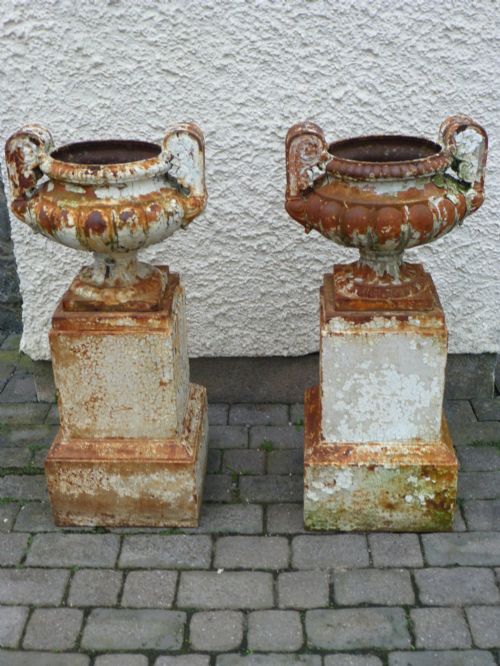
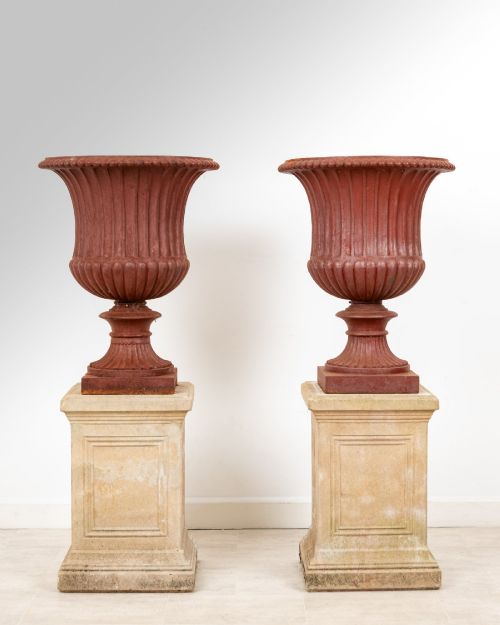
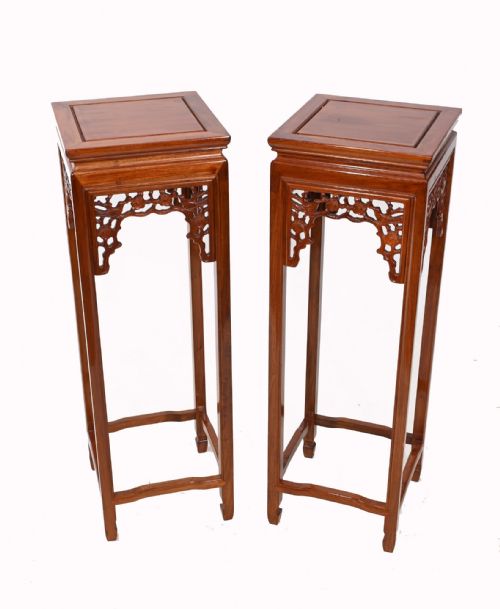
The objects themselves range from garden campana urns in cast iron and terracotta to interior decorative pieces fashioned from bronze, marble, porcelain, and hardwood. Many examples reflect Grand Tour influences or incorporate Chinese tables and stands designed to elevate vessels or plants.
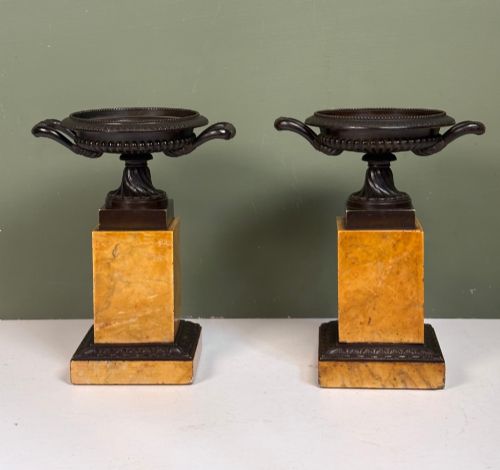
You will also find wine urns, tazzas, and jardinières paired with dedicated pedestals, creating complete focal points intended for formal reception rooms, halls, and landscaped gardens.
Materials and construction
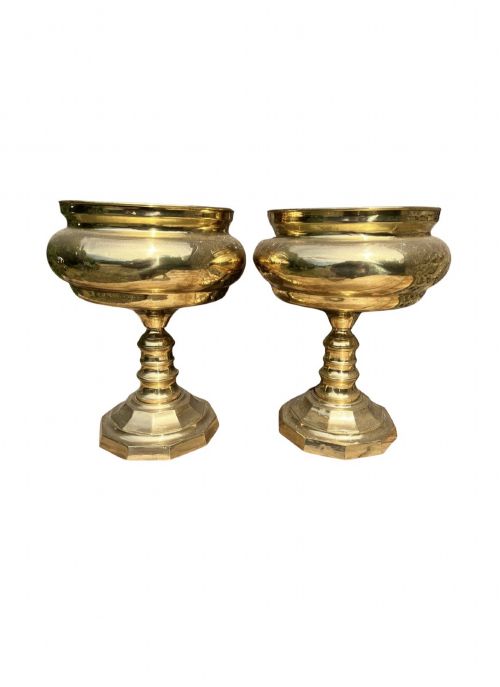
Metalwork pieces rely on bronze, cast iron, and ormolu, often cast in foundries and chased by hand to define crisp neoclassical motifs and bas-reliefs. Marble and hardwood components demand precise masonry and cabinetmaking, frequently integrating turned columns or inlaid surfaces.
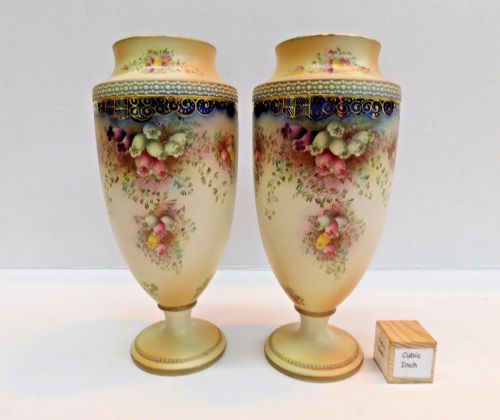
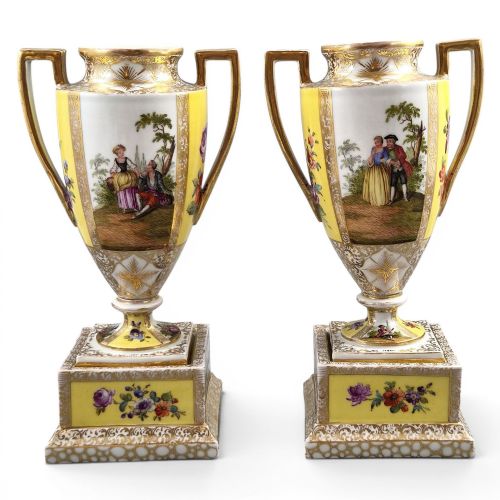
Ceramic and porcelain examples utilise moulded bodies finished with hand-painted glazes, transfer printing, or applied jasperware ornaments, whilst stone and terracotta garden pieces depend on durable moulding techniques suited to outdoor display.
Urn and Pedestal Pair Retail Price Guide 2026
Typical asking prices for urn and pedestal pair among the pieces listed under this phrase on Sellingantiques today, from the lower quarter to the upper quarter. They describe what is for sale here now, not the wider market.
Some nineteenth-century makers cast entire classical landscapes into iron just so your ferns had something educational to look at.
Assessing quality and execution
Quality rests upon the crispness of the casting or carving, where finer bronzes and cast iron retain sharp relief in foliage and classical figures rather than soft, blurred edges. The selection of materials also dictates standing, with genuine Siena or variegated marbles and fire-gilt ormolu marking out superior examples.
Proportion and integrity define the better pieces, ensuring the scale of the urn relates harmoniously to its pedestal or column, and that matched sets retain uniform patination and manufacturing traits across both components.
Coalbrookdale·Falkirk Carron foundry·Helena Wolfsohn·Royal Vienna·Wedgwood·Gillows
The Urn and Pedestal Pair Glossary
- Campana urn
- A bell-shaped vessel with a flared rim and footed base, frequently cast in iron or bronze for garden or interior display.
- Tazza
- A shallow bowl or vase raised on a high foot and pedestal, often associated with Grand Tour bronze and marble pieces.
- Ormolu
- Gilded bronze used extensively in French Empire and nineteenth-century decorative hardware and mounts.
- Jasperware
- A type of fine stoneware developed by Wedgwood featuring contrasting white bas-reliefs against a coloured background.
- Torchiere
- A tall stand or pedestal originally intended to support a light source but later adapted for vases and busts.
Urn and Pedestal Pair: Frequently Asked Questions
How were urn and pedestal pairs used?
These matched sets functioned primarily as architectural ornaments in formal interiors, drawing rooms, and hallways, where they displayed plants, flowers, or simply demonstrated classical taste.
Outdoor versions served as garden focal points atop terraces or lawns, designed to withstand the elements whilst anchoring garden vistas.
What materials are common for these pairs?
Cast iron, bronze, and terracotta dominate exterior and garden pieces, often accompanied by stone or composite pedestals for added elevation.
Interior examples utilise marble, hardwood, porcelain, ormolu, and glass, frequently combining materials such as bronze tazzas mounted on marble columns.
How do I identify a Grand Tour piece?
Grand Tour pieces typically date from the nineteenth century and incorporate materials like Siena marble and patinated bronze, mimicking classical antiquities seen by travellers in Italy.
They emphasise classical subjects, architectural forms, and meticulous metal chasing designed to appeal to educated collectors.
Are these sets strictly for indoor display?
Many sets are built for the interior, including porcelain vases, hardwood stands, and bronze tazzas intended for domestic rooms.
Cast iron, stone, and terracotta versions are manufactured specifically for garden or conservatory use, though climate protection is recommended for winter.