



Georgian Wine Carafe
A georgian wine carafe brings heavy lead crystal and deep wheel-cut decoration directly to the table.
Georgian Wine Carafe
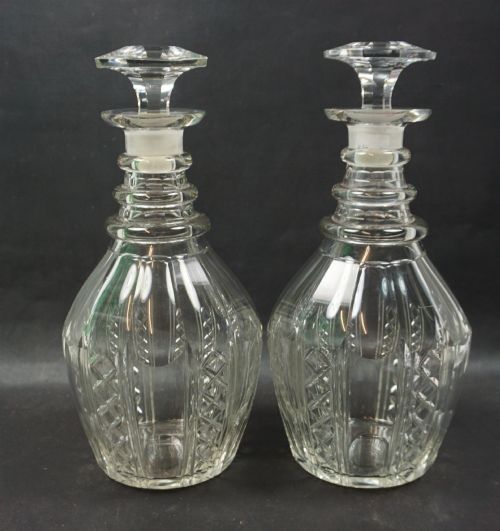
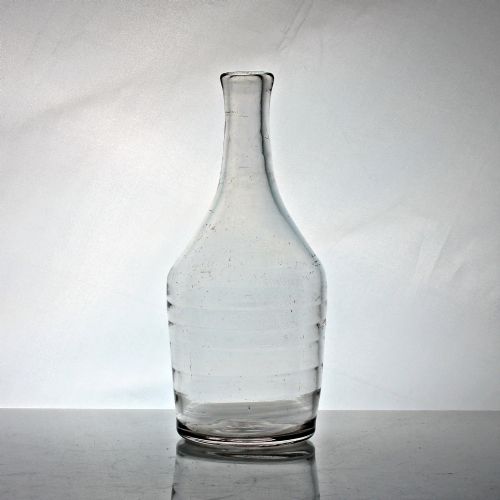
A georgian wine carafe represents the serving vessels produced during the eighteenth and nineteenth centuries, spanning George III, Regency and William IV periods. These heavy glass containers were designed to hold and present wine at the dining table.
How they were made
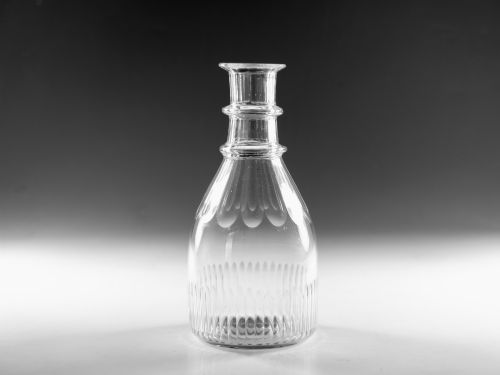
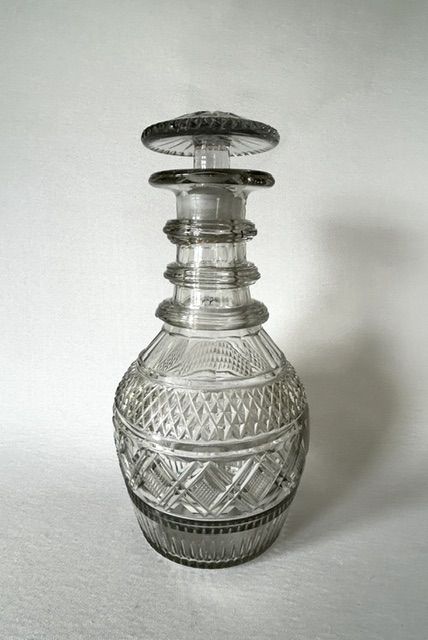
Glassmakers worked primarily with lead crystal and heavy lead glass, blowing the molten material into moulds or free-blowing the basic shape before applying further manipulation. Neck rings were typically added by hand, and many vessels received deep wheel-cutting to create geometric facets or flutes.
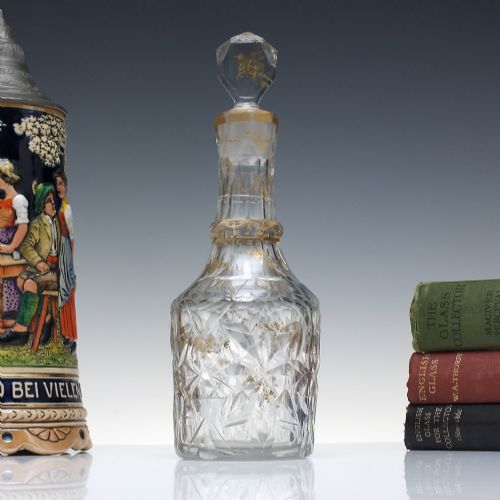
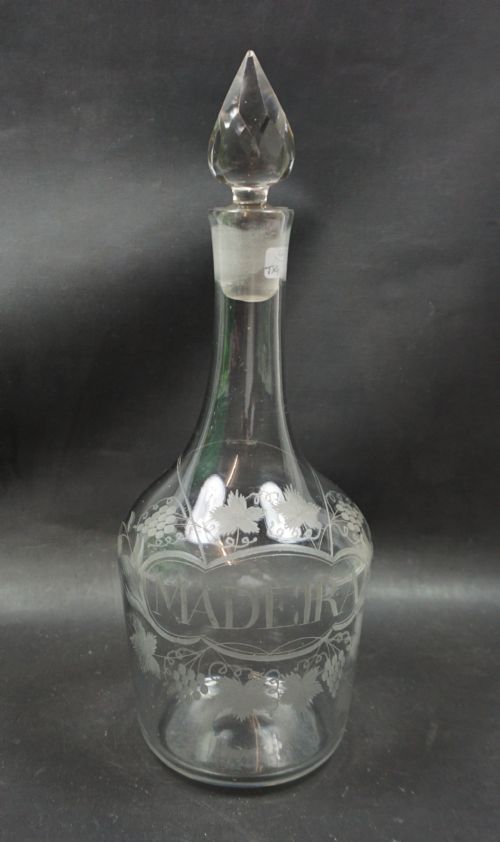
Engraving and gilding appear on select examples, utilising wheel-engraved labels such as Madeira or surface gilding associated with specialised workshops. Stoppers were individually ground to fit each specific neck.
Georgian Wine Carafe Retail Price Guide 2026
Typical asking prices for georgian wine carafe among the pieces listed under this phrase on Sellingantiques today, from the lower quarter to the upper quarter. They describe what is for sale here now, not the wider market.
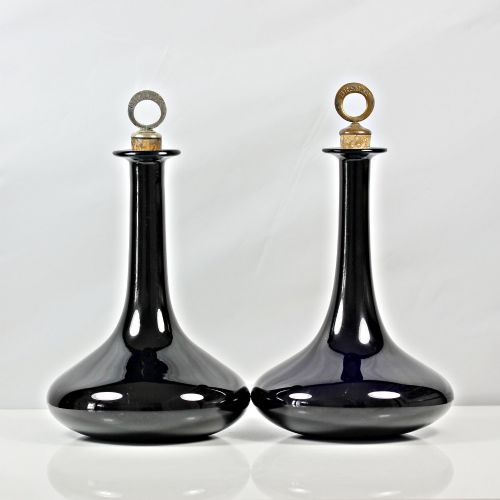
Listings feature lead crystal and clear glass alongside coloured variants in Bristol blue and amethyst, spanning periods from the eighteenth century through the Victorian era.
What varies in quality
Quality rests heavily on the weight and clarity of the lead crystal, alongside the crispness and depth of the cut glass facets. Superior pieces display sharp wheel work and heavy metal that rings when struck.
The presence of original matching stoppers and desirable colour variants, such as Bristol blue or amethyst glass, elevates the standing of a vessel. Forms featuring distinct regional traits like Lynn rings or named drink labels also distinguish finer examples.
Atelier of James Giles
The Georgian Wine Carafe Glossary
- Lead crystal
- Glass containing a high proportion of lead oxide, which increases weight, brilliance, and refractive index. This material allowed eighteenth-century makers to achieve deep, sharp facet cutting.
- Mell decanter
- A mallet-shaped serving vessel with a broad base and tapering sides, common in the eighteenth century. This form provided stability on shipboard and dining tables alike.
- Lynn rings
- Applied horizontal glass rings encircling the neck of a decanter, used to secure a pouring grip. They appear frequently on eighteenth-century English vessels.
- Ship's decanter
- A low-profile vessel with a wide base that prevented tipping during sea travel. These forms remained popular throughout the Regency period.
- Bristol blue
- Deep cobalt-blue glass produced in Bristol and other English centres during the Georgian era. It was frequently used for serving bottles and decanters.
Georgian Wine Carafe: Frequently Asked Questions
How do I date a georgian wine carafe?
Dating relies on stylistic clues such as the number of neck rings, the shape of the body, and the cutting technique. Earlier eighteenth-century pieces often feature shaft and globe silhouettes, while Regency examples lean towards pillar cutting and three-ring necks.
Changes in glass chemistry and pontil mark characteristics also help establish the decade of production. Examining the stopper style provides further confirmation of the period.
Were these vessels used for port or wine?
Georgian carafes held various table wines, port, madeira, and spirits depending on their size and shape. Specific vessels often bore engraved labels indicating their intended contents.
Personal carafes accommodated individual servings, while larger shoulder decanters served the wider table. Heavy lead glass protected the contents during decanting and serving.
How do I clean an antique decanter?
Cleaning requires warm water and mild detergent, avoiding harsh abrasives that might scratch the old lead glass. Stubborn interior residue responds to specialised cleaning beads or gentle soaking.
Sudden temperature changes must be avoided to prevent thermal shock and cracking in fragile antique crystal. Thorough drying preserves the clarity of the interior walls.
Are coloured glass carafes genuine Georgian?
Coloured glass vessels in Bristol blue and amethyst date reliably to the late eighteenth and early nineteenth centuries. These tinted wares were fashionable for serving specific dessert wines and liqueurs.
Authentic pieces show appropriate base wear and hand-blown characteristics consistent with the period. The colour is inherent in the glass metal rather than applied as a surface stain.