





Georgian Walnut Server
A georgian walnut server is a substantial timber serving piece designed for dining rooms, combining rich grain figure with practical surface space.
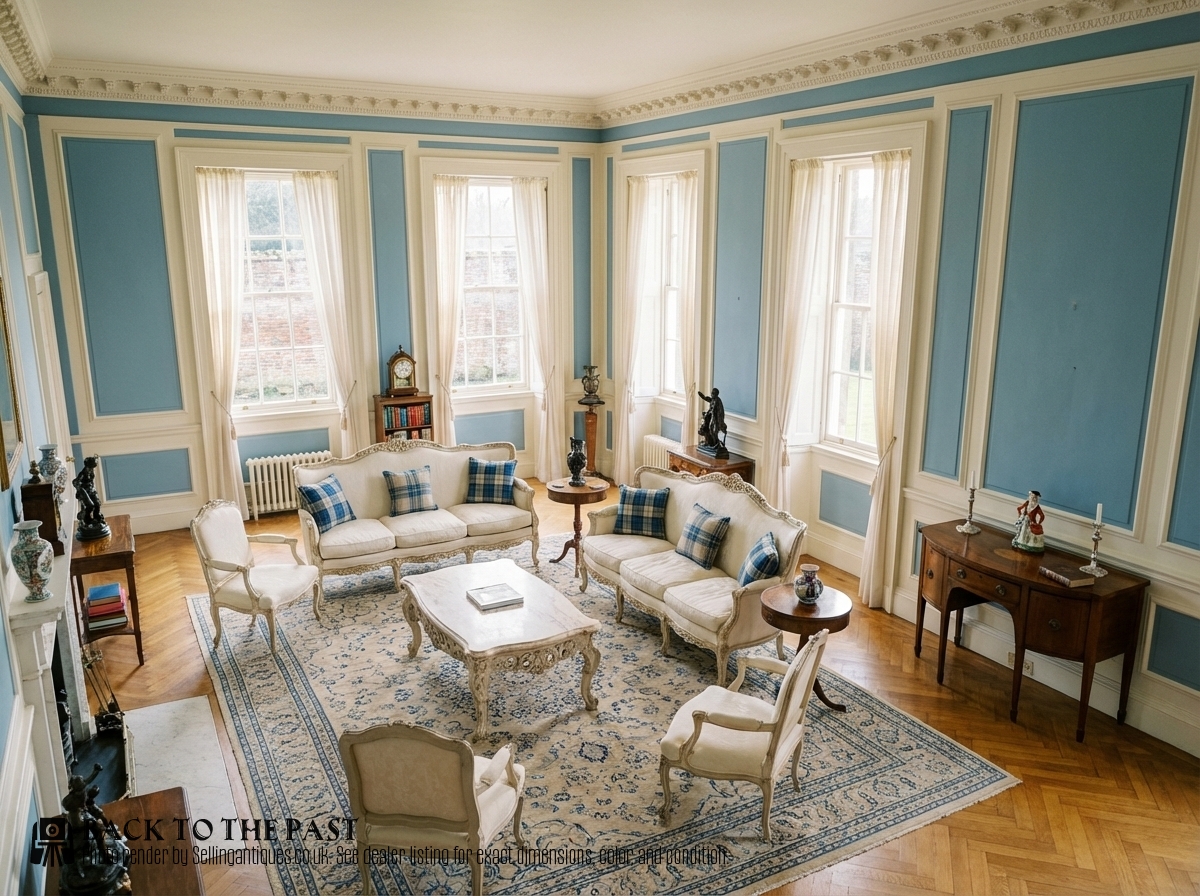
Georgian Walnut Server
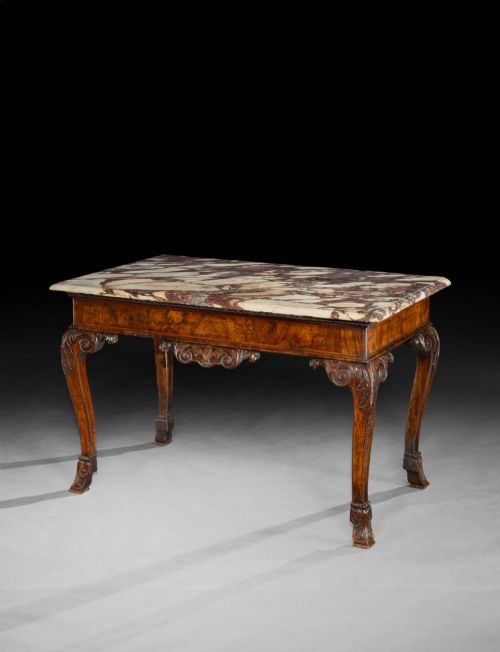
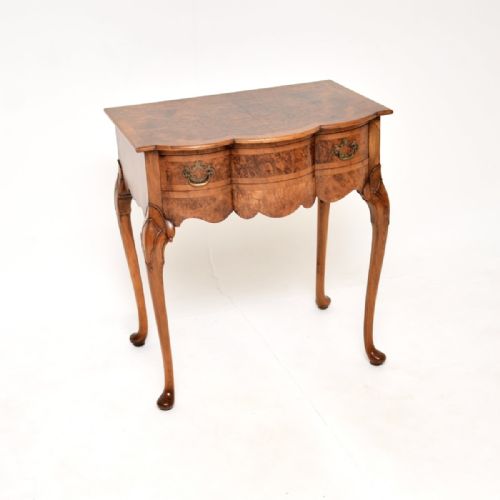
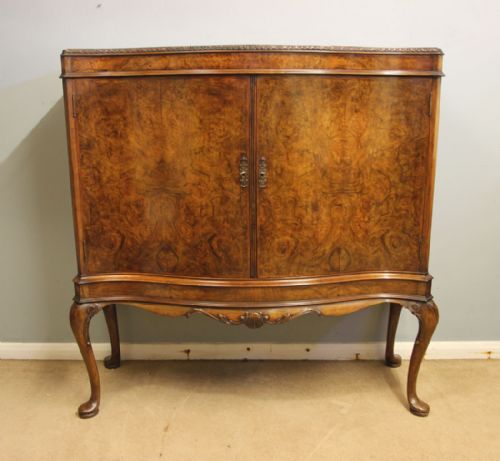
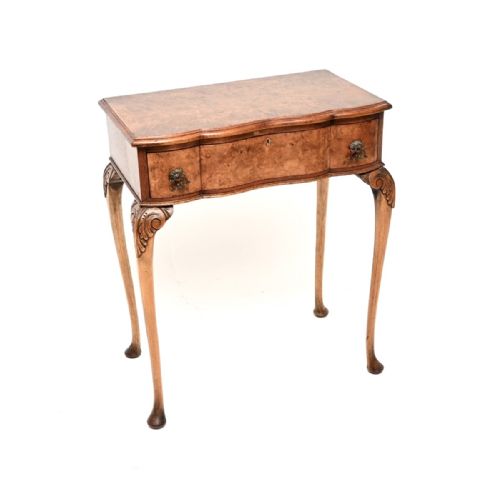
A georgian walnut server encompasses lowboys, side tables, and dresser bases originating from the eighteenth century alongside later revival interpretations. These pieces function primarily as serving tables and console furniture within dining and reception rooms.
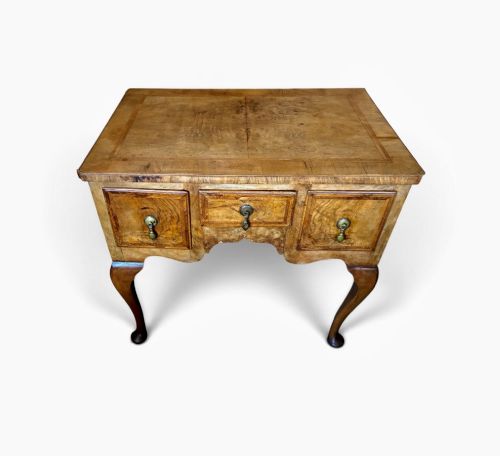
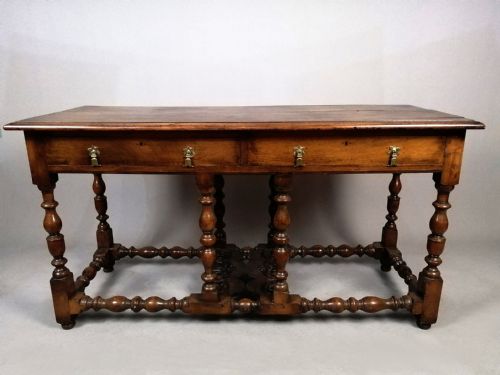
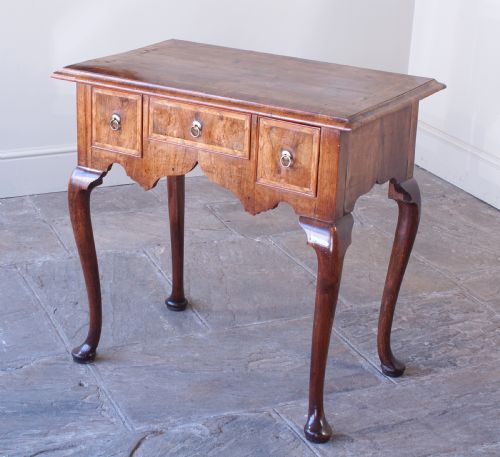
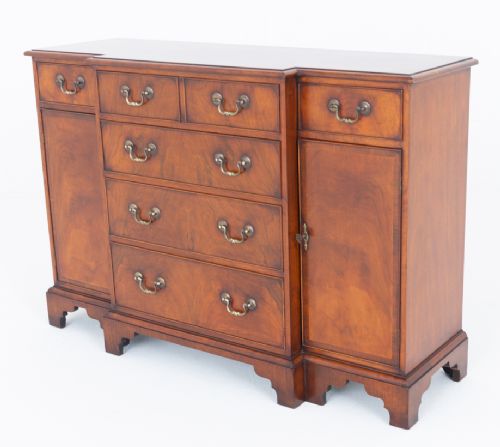
Lowboys form the largest group within this selection, featuring compact proportions and multiple drawers supported by cabriole legs. Sideboards, console tables, and dresser bases provide alternative formats built for storage and display.
Construction spans genuine eighteenth-century examples from the George I and George II periods through to early twentieth-century revivals. Materials range from solid walnut to burr walnut veneer laid over secondary timbers.
Judging Quality
The refinement of timber selection dictates visual merit, particularly where highly figured burr walnut veneer or crisp fruitwood marquetry is employed. Grain continuity across drawer fronts and the subtlety of crossbanding distinguish superior examples from plain variants.
Structural integrity rests on traditional joinery techniques and the retention of original brass hardware and timber patination. The sharpness of carved details, such as cabriole leg shaping, separates ambitious cabinet work from standard production.
Early cabinetmakers occasionally incorporated earlier timber panels into later frames, ensuring history travels in circles.
The Georgian Walnut Server Glossary
- Lowboy
- A small table with drawers, typically standing on four legs, used originally as a dressing table or side table. These pieces usually feature a shaped apron and multiple small drawers.
- Burr walnut
- A veneer taken from the knotted growth of a walnut tree, prized for its swirling, highly figured grain patterns. Cabinetmakers apply this veneer to primary surfaces for decorative impact.
- Crossbanding
- A narrow strip of veneer laid around the border of a panel with the grain running at right angles to the central area. This technique frames the primary timber and adds visual structure.
- Cabriole leg
- A furniture leg that curves out and then tapers inward, mimicking an animal leg in motion. This form characterises much of the seating and lowboy production from the early eighteenth century.
- Dresser base
- A low wooden sideboard fitted with drawers, designed originally for domestic utility in dining spaces and kitchens. These items provide substantial surface area alongside enclosed storage.
Georgian Walnut Server: Frequently Asked Questions
What is a lowboy?
A lowboy is a small table equipped with drawers, standing on short legs and designed for domestic service. They frequently function as serving surfaces or compact dressing tables.
These pieces offer practical surface area combined with drawer storage, making them adaptable for modern living spaces as console or side tables.
How do I identify a George II piece?
George II items typically display robust proportions, refined timber figuring, and characteristic leg forms such as the cabriole style. Construction from this era relies heavily on solid walnut and early veneer work.
Examining the secondary timbers and internal drawer construction helps confirm the period alongside stylistic markers.
Where should I place a server?
Servers suit dining rooms and hallways, where their surface area accommodates decorative objects or serving dishes. Their shallow depth allows them to sit comfortably against walls without obstructing walkways.
Pairing these tables with complementary mirrors or lighting enhances their presence in a modern interior.
What is burr walnut?
Burr walnut is a decorative wood veneer sourced from the deformed growth eruptions on walnut trees. The resulting timber displays intricate, swirling grain patterns highly valued by cabinetmakers.
This material appears frequently on revival and eighteenth-century furniture surfaces to create striking visual contrast.