
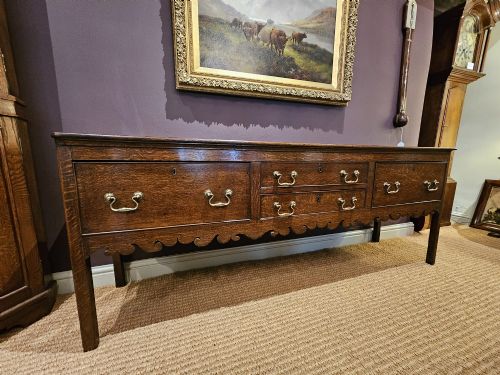
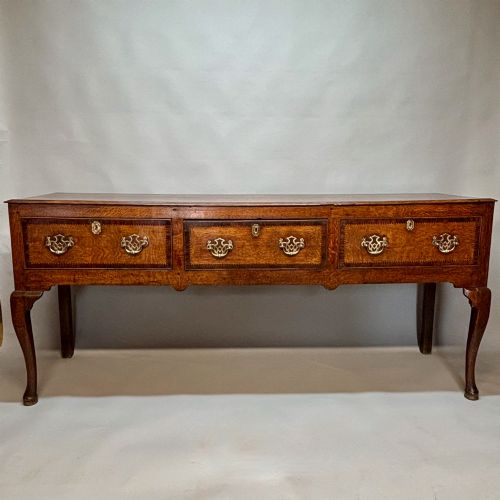
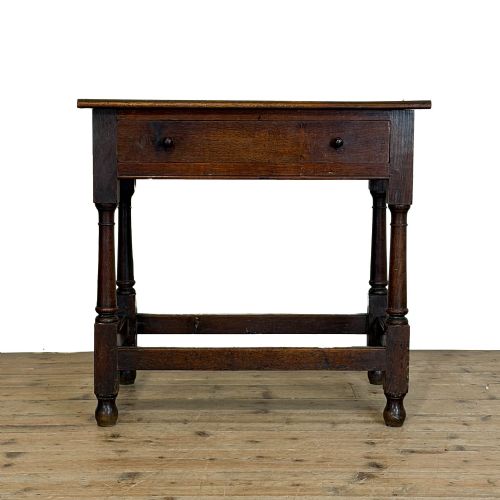
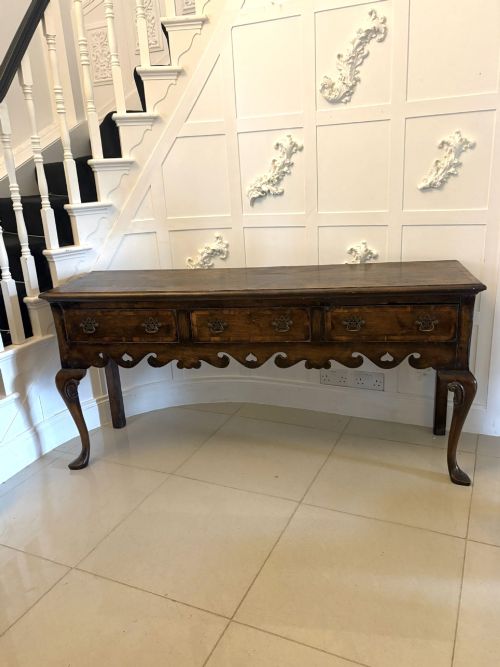

Georgian Drawer Server
A georgian drawer server offers sturdy storage and a generous surface, making it an essential piece for organising dining spaces with period character.
Georgian Drawer Server
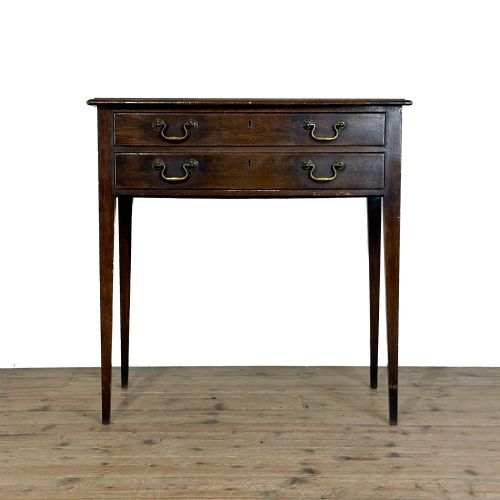
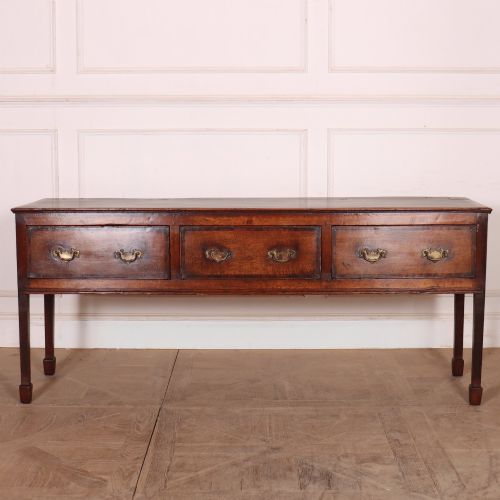
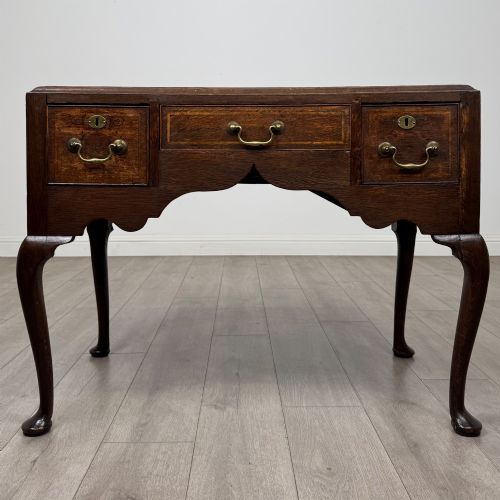
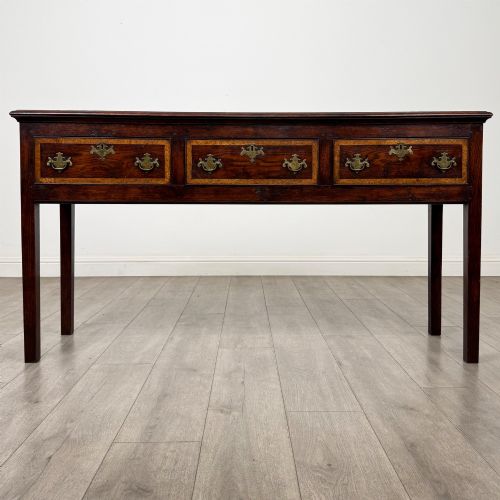
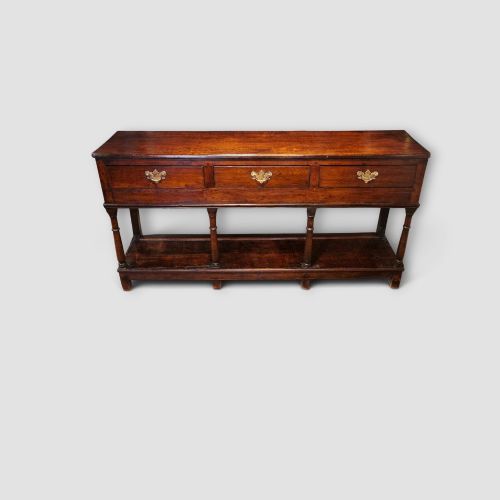
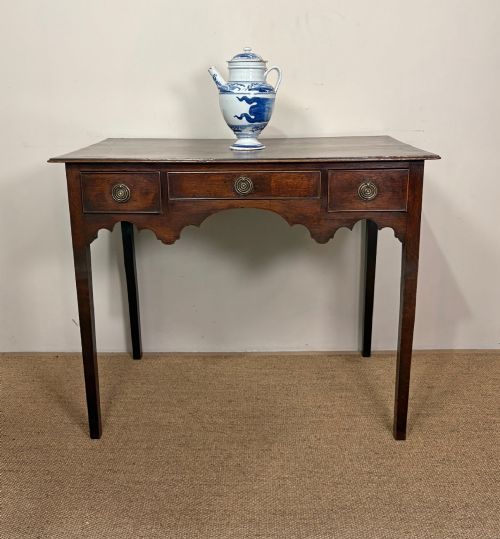
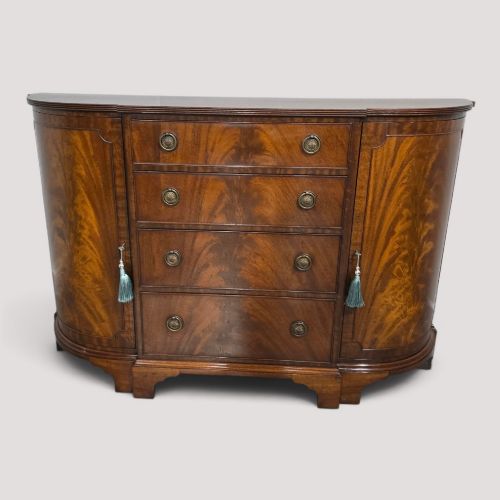
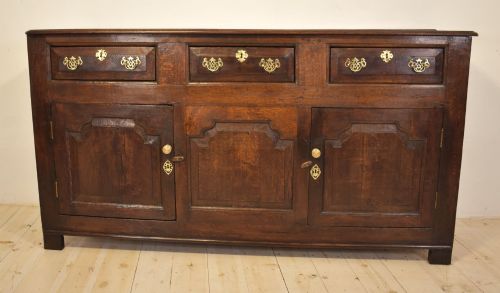
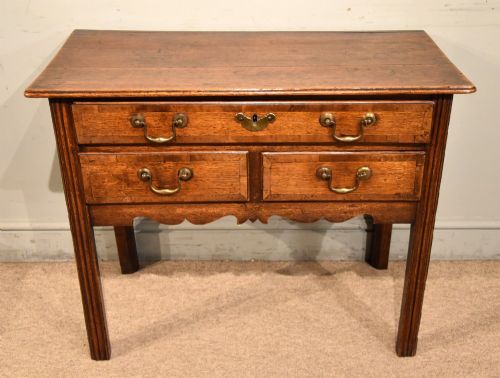
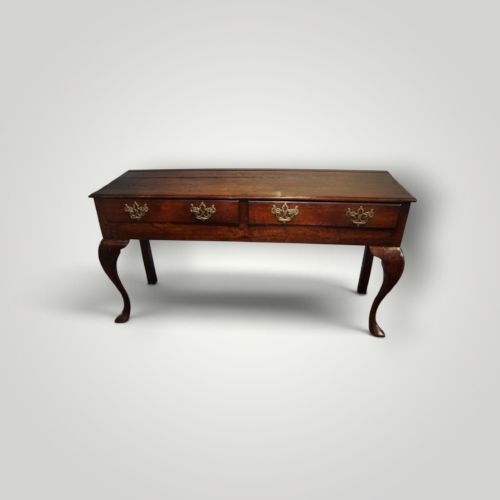
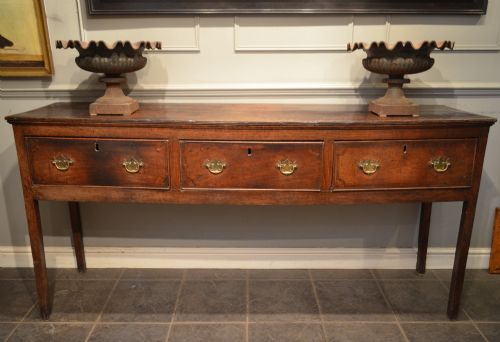
A georgian drawer server encompasses utilitarian oak dresser bases, lowboys, and mahogany sideboards designed for domestic use. These pieces provide surface utility combined with drawer storage, appearing across eighteenth and nineteenth-century periods.
Oak and mahogany dominate the offerings, built with practical drawer arrangements set beneath long surfaces. Buyers frequently encounter forms featuring potboards or cabriole legs alongside simpler country styles.
Materials and Construction
Craftsmen built these servers primarily using solid oak or mahogany, supplemented by walnut, fruitwood, pine, and sycamore. Timber selection dictated the structural integrity and aesthetic weight of each piece.
Hardware typically involves brass fittings for drawer pulls, while construction techniques include hand-cut joints and geometric mouldings. Painted timber and wax finishes appear frequently on country-style iterations.
Listings feature oak, mahogany, walnut, and pine across eighteenth and nineteenth-century periods, including George II and George III styles.
Assessing Craftsmanship
Quality rests upon the selection of timber and the precision of the joinery within the drawer frames. Superior examples display thoughtful proportions and careful integration of decorative elements like Gothic pierced brackets.
The handling of secondary woods and the preservation of original surfaces distinguish finer workshops from simpler provincial work. Alterations to panels or hardware shift an item's standing among collectors.
The Georgian Drawer Server Glossary
- Lowboy
- A small side table featuring one or more rows of drawers, commonly elevated on tall legs. These pieces functioned as dressing tables or compact servers.
- Potboard
- An open lower shelf built between the legs of a dresser base. This surface provided storage for heavy pots and kitchen utensils.
- Dresser Base
- A freestanding cabinet with drawers across the upper section, designed to stand against a dining room or kitchen wall. They often lack the upper plate rack.
- Cabriole Leg
- A furniture leg that curves outward and then tapers inward, finishing in a pad or foot. This stylistic element draws inspiration from animal forms.
- Geometric Moulding
- Raised wooden mouldings applied in symmetrical geometric patterns across drawer fronts. This detail adds architectural depth to early cabinetwork.
Georgian Drawer Server: Frequently Asked Questions
Where were drawer servers used?
These servers found placement in kitchens, dining rooms, and dairies for food preparation and service.
Their sturdy construction supported heavy domestic use and the storage of tableware.
How do I identify oak versus mahogany?
Oak displays a pronounced open grain with visible medullary rays, common in earlier country pieces.
Mahogany offers a denser, finer grain with deep reddish-brown tones typical of formal furniture.
What is a potboard base?
A potboard base includes an open lower shelf fixed between the legs close to the floor.
This platform separated damp flagstone floors from stored kitchen items.
Are these pieces suitable for modern kitchens?
The generous top surface and deep drawers provide practical utility for contemporary preparation areas.
Their robust timber construction withstands daily use while adding period presence.