
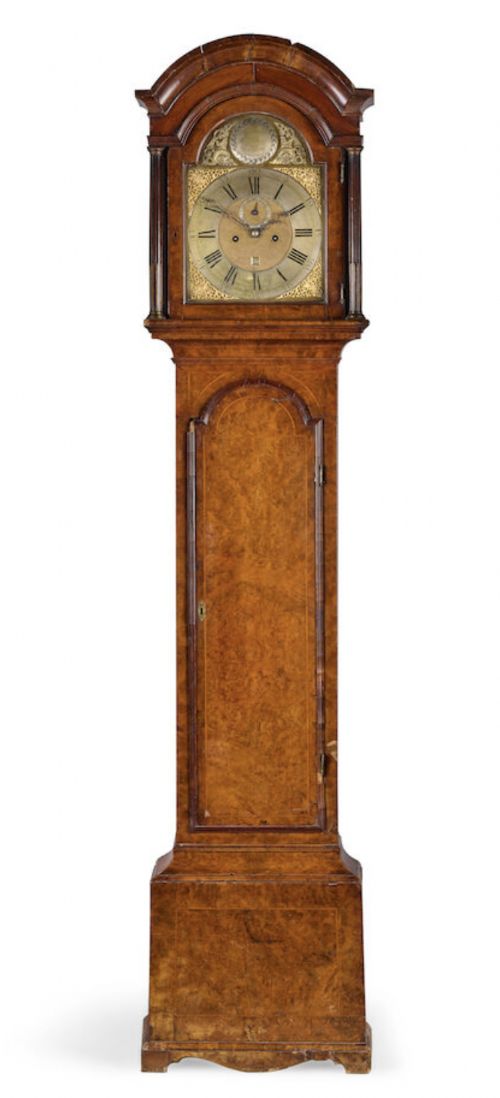


Georgian Walnut Pendulum Clock
A georgian walnut pendulum clock brings architectural timber and precise brass movement together, forming the centerpiece of a traditional interior.
Georgian Walnut Pendulum Clock
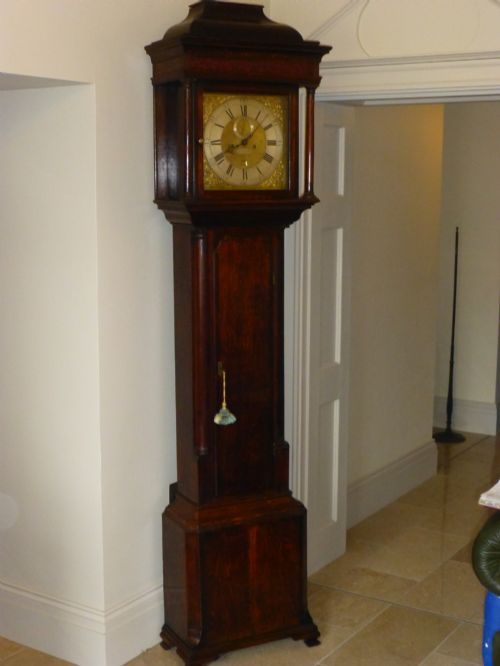
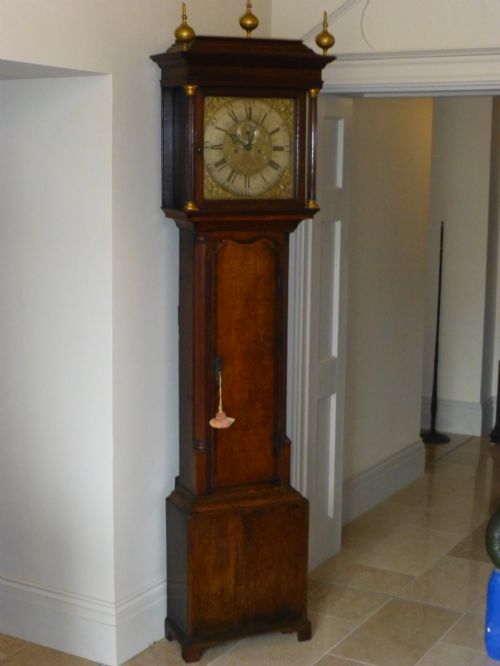
A georgian walnut pendulum clock primarily takes the form of a longcase or grandfather clock, housing a weighted movement within a tall wooden case. The titles show examples ranging from the early eighteenth century through to later revivals, capturing tall floor-standing clocks alongside wall clocks and bracket clocks.
The dominant timber expression relies on figured walnut, burr walnut, and red walnut, often paired with secondary woods like oak. Makers from London, Chester, Stockport, Worcester, and Exeter produced these longcase and bracket pieces, incorporating brass dials and moonphase mechanisms.
Materials and construction
Cabinetmakers utilised solid walnut and decorative veneers like burr walnut laid over foundational timbers such as oak, creating figured grain patterns across the longcase doors and hoods. Brass formed the striking dials, bezels, and movement plates, while glass protected the dial faces.
Horologists constructed the interior mechanisms using steel for gears, arbors, and springs, driving pendulum-regulated timekeeping. Movements often featured eight-day durations, musical quarter chiming, or single-train timepieces within bell-top or arched bracket and longcase bodies.
Object forms include longcase clocks, grandfather clocks, wall clocks, and bracket clocks.
Judging execution and finish
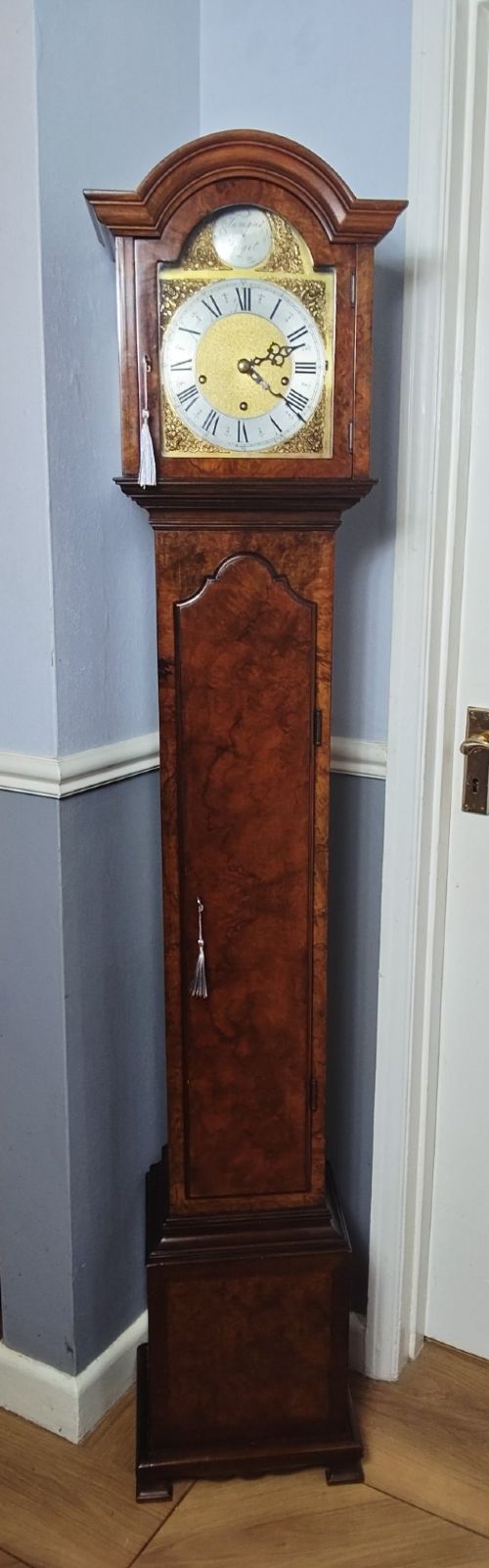
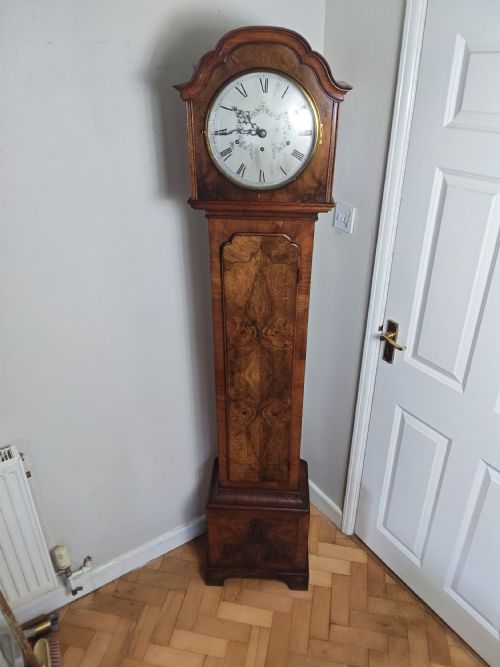
Quality rests in the selection of the walnut timber veneer and the crispness of the brass dial engraving, where skilled hands shaped decorative spandrels and signed the face. Finer examples display symmetrical figuring across the trunk door and precise architectural mouldings on the hood.
The sophistication of the internal movement distinguishes standard models from complex pieces, particularly those featuring musical quarter chiming or moonphase complication. Originality of dial signatures and the harmony between case and movement define the upper tier.
Richard Corless of Stockport·Smith of Chester·Windmills and Wightman·Langley Bradley·Henry Deykin·Edward Upjohn·Samuel Young·John Harrington·Jonathan Marsh·John Taylor·James Drury
The Georgian Walnut Pendulum Clock Glossary
- Longcase clock
- A tall pendulum clock enclosed in a wooden case resting on the floor, commonly called a grandfather clock. These standing timepieces protect the weights and pendulum behind a full-length trunk door.
- Burr walnut
- A prized wood veneer harvested from walnut tree growths, displaying swirling, knotty grain patterns. Cabinetmakers applied this decorative timber to the main surfaces of high-status clock cases.
- Moonphase
- A dial mechanism tracking the phases of the lunar month through a rotating painted disc. This complication appeared on select longcase clock faces alongside standard time and calendar displays.
- Bracket clock
- A portable table or shelf clock originally designed to sit on a wall bracket. These pieces typically feature brass carrying handles and glazed side panels to display the movement.
- Brass dial
- The metal faceplate of the clock, engraved or etched with chapter rings, maker signatures, and decorative corner spandrels. Many eighteenth-century examples utilised silvered brass chapters.
Georgian Walnut Pendulum Clock: Frequently Asked Questions
Where were these clocks placed in a home?
Tall longcase clocks stood in hallways, stairwells, or principal reception rooms where their height and striking chimes served both utility and decoration. Smaller bracket and wall clocks rested on furniture surfaces or dedicated wall brackets within main living spaces.
Their prominent placement ensured family members could hear the hourly strikes and consult the pendulum timekeeping throughout the day.
How do eight-day movements differ from standard ones?
An eight-day movement requires winding only once a week by pulling up the suspended weights via the dial winding holes. Shorter duration clocks needed more frequent winding.
This extended running time represented superior mechanical convenience for households of the period.
What is the purpose of the hood?
The upper hood encloses and protects the brass dial and delicate moving escapement from dust and accidental damage. Glazed access doors allowed easy viewing of the face while keeping the mechanism secure.
Cabinetmakers fitted these hoods with architectural details like columns, mouldings, and arched tops characteristic of the period.