




Georgian Walnut Frame
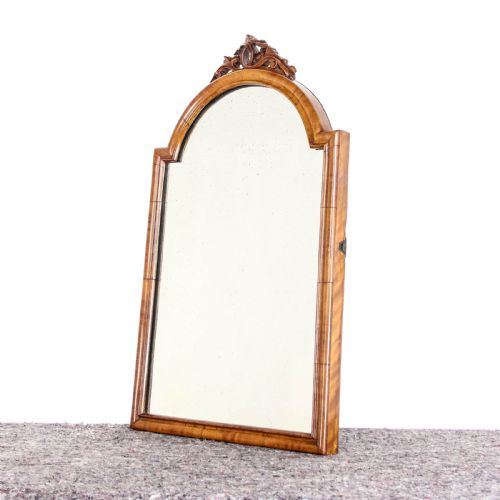
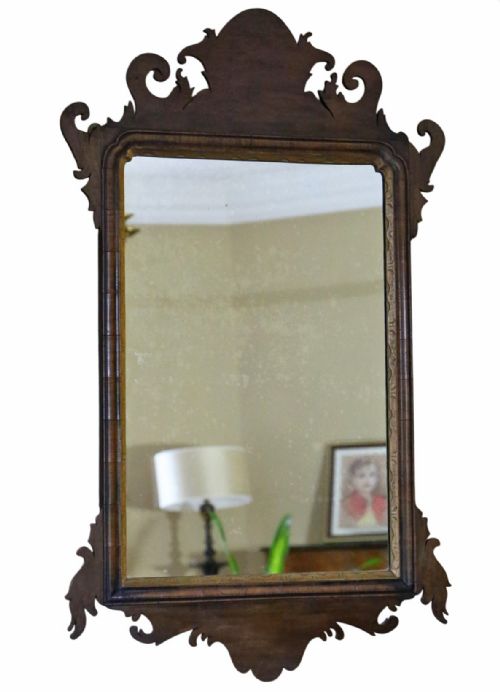
A georgian walnut frame brings warmth and deep timber grain to a room, most often seen enclosing wall mirrors and chests.
Georgian Walnut Frame
When you search for georgian walnut frame, you encounter objects built during the eighteenth century and subsequent revival periods, spanning Queen Anne, George I, and George II styles.
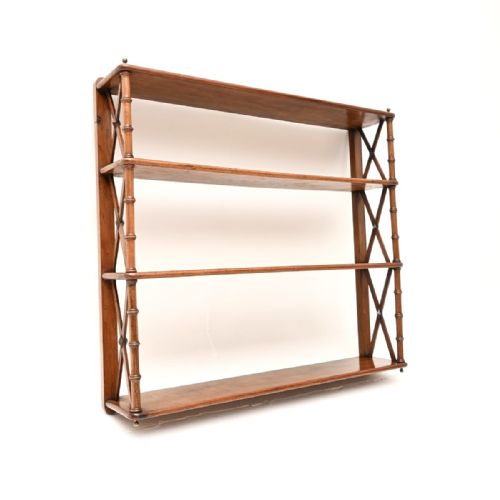
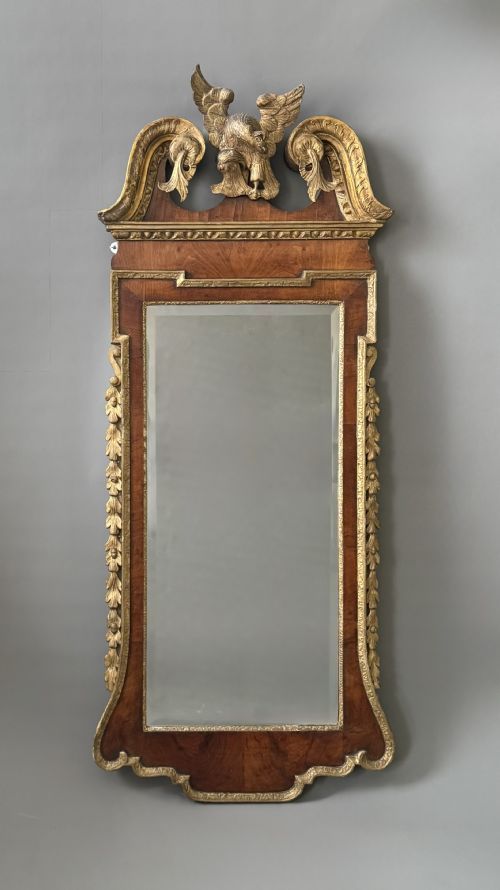
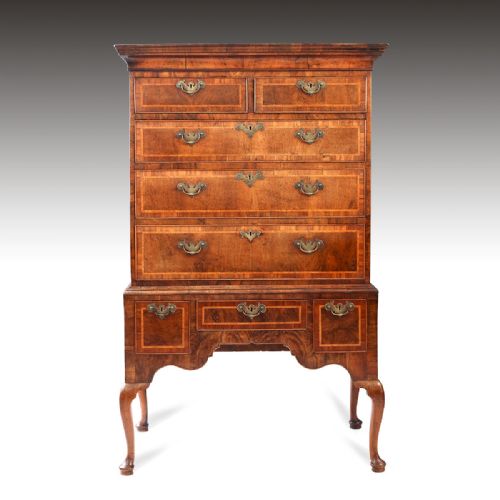
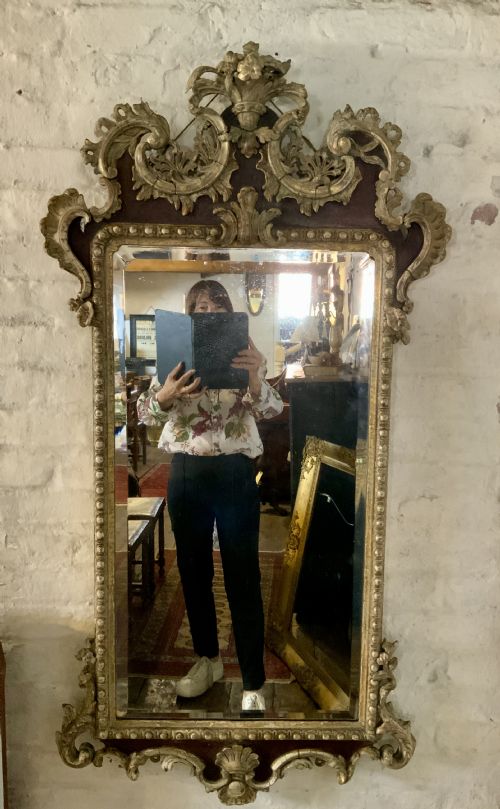
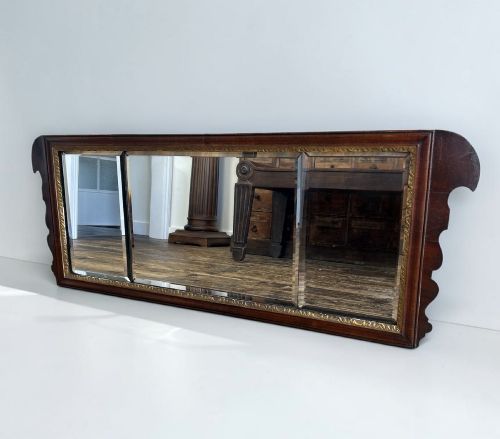
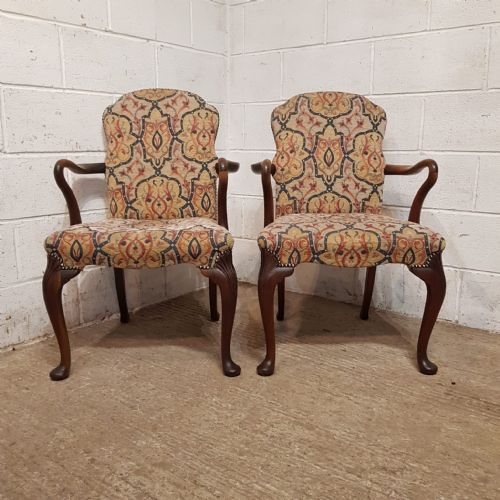
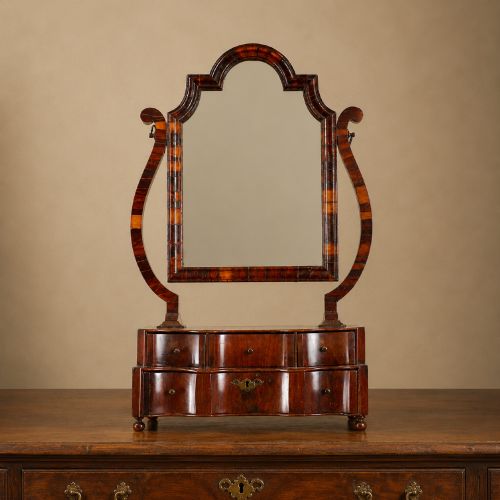
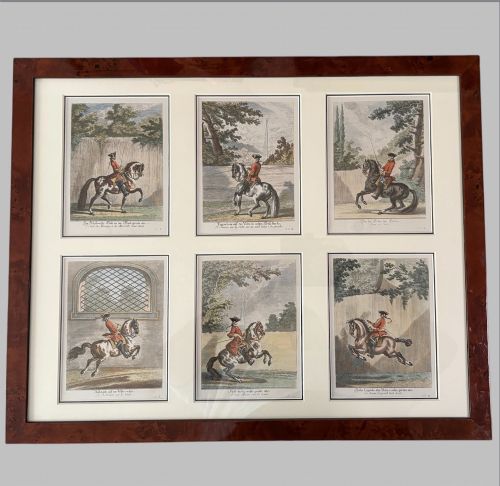
The most common form on this page is the wall mirror, alongside chests on stand, library chairs, and framed prints or mirrors.
Origins include genuine eighteenth-century pieces as well as later interpretations from the nineteenth and early twentieth centuries.
How They Were Made
Craftsmen utilised solid walnut, burr walnut veneers, and parcel gilt elements, often applying gilt wood highlights to enrich the timber.
Mirrors frequently incorporated original glass plates, while structural wooden elements relied on traditional joinery for stability.
What Varies in Quality
The depth of the grain and the choice between plain timber and figured burr walnut set examples apart visually.
Proportions, fret-cut detail precision, and the survival of original parcel gilt accents determine the standing of each piece.
Howard And Sons
The Georgian Walnut Frame Glossary
- Burr walnut
- A figured timber harvested from the wart or growth on a walnut tree, prized for its swirling grain patterns. It adds distinct visual texture to veneer surfaces on mirrors and furniture.
- Parcel gilt
- Partially gilded decoration applied to specific carved details, enhancing timber surfaces with gold leaf. This technique creates contrast against dark walnut grain.
- Fret cut
- Woodwork shaped with a fine saw to create geometric or scroll patterns along the outer edge of a frame. It defines many eighteenth-century wall mirrors.
- Veneer
- A thin layer of superior wood applied over a secondary timber base to create a decorative exterior. This method allowed craftsmen to display rich walnut patterns economically.
- Cushion frame
- A rounded, swelling wooden profile surrounding a mirror plate, popular during earlier periods. It projects outward to catch the light.
Georgian Walnut Frame: Frequently Asked Questions
How do I identify a genuine eighteenth-century walnut mirror?
Examine the construction methods behind the glass and the timber patination accumulated over generations. Older pieces show specific hand-working marks and distinct secondary woods beneath the surface.
Compare the proportions and gilt details against documented examples from the same stylistic era. Subtle signs of age on the glass plate often support the period.
What is the difference between Queen Anne and George II styles?
Queen Anne walnut pieces emphasise clean, curved lines and understated veneering without excessive carving. The focus remains on the natural beauty of the timber grain.
George II designs introduce bolder carving, parcel gilt accents, and architectural pediments. These later pieces often display larger proportions and more dramatic silhouette work.
Where should I hang a walnut wall mirror?
Position the piece above a fireplace mantel or a hallway console table where it can reflect ambient light. Ensure the wall structure securely supports the weight of the timber frame.
Keep the frame away from direct sunlight and excessive moisture to protect the walnut veneer and gilt surfaces. Stable indoor conditions preserve the wood over time.
Why do some frames feature parcel gilt?
Gilding highlights carved architectural elements such as foliage, bezels, or scrolling ears on a mirror frame. The gold leaf contrasts sharply against the dark brown walnut timber.
This decorative choice reflects the aesthetic tastes of the upper tiers of eighteenth-century interior design. It draws the eye directly to the finest carved details.