






Georgian Wall Tapestry
A georgian wall tapestry brings historical textile art into a room, offering tactile depth and narrative richness through centuries-old hand embroidery.
Georgian Wall Tapestry
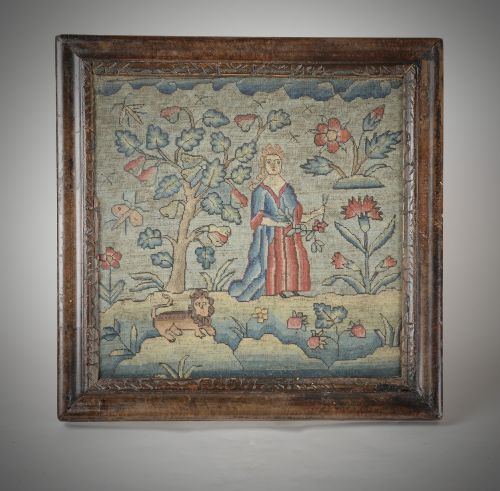
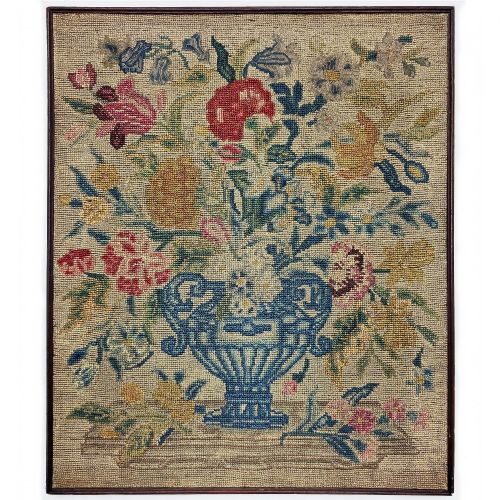
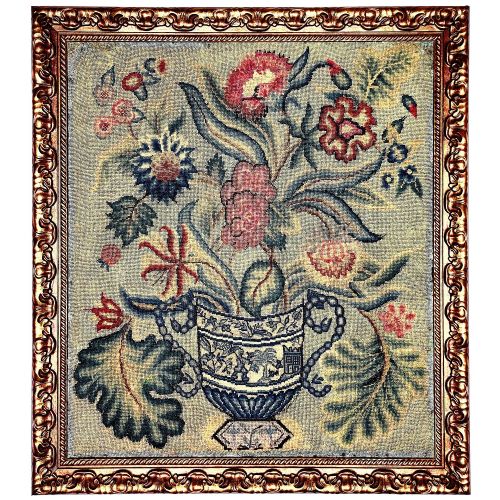
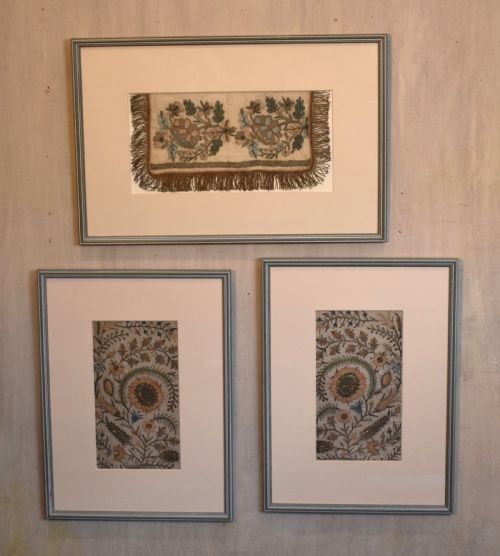
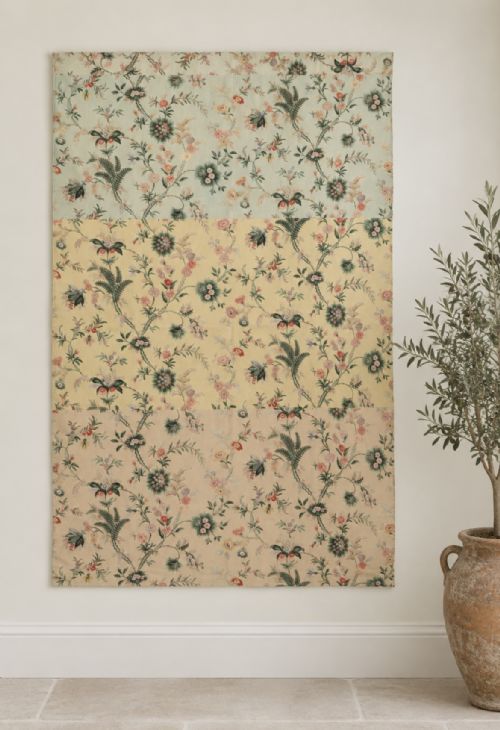
A georgian wall tapestry encompasses textile art, needlework samplers, and embroidered picture panels created during the eighteenth and early nineteenth centuries. These pieces often depict pastoral scenes, maps, or intricate floral motifs designed for interior display.
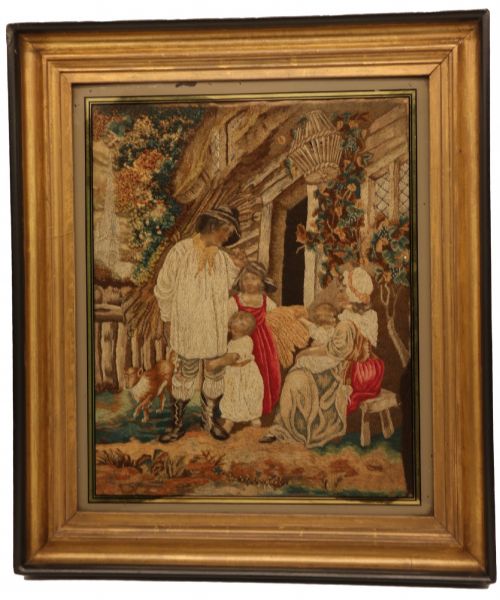
The selections available lean heavily toward framed needlework pictures and woolwork panels spanning the eighteenth century through the regency period. Buyers frequently encounter detailed silkwork and crewel work alongside traditional samplers stitched by young makers.
Origins stretch across English country houses and continental workshops, incorporating French rococo influences and domestic map samplers. Each piece reflects the specific domestic handcraft traditions of its era, preserved behind glass or within period frames.
Materials and construction
These textiles rely on natural fibres such as silk, wool, linen, and cotton combined to create textured surfaces. Artisans worked these threads onto woven foundations using long stitch, crewel work, and intricate embroidery techniques.
Frames play a crucial role in presentation, utilising giltwood, gold leaf, birds-eye maple, and verre églomisé glass panels. Wood and glass elements protect the delicate silk and wool embroideries from environmental damage while adding structural support.
Georgian Wall Tapestry Retail Price Guide 2026
Typical asking prices for georgian wall tapestry among the pieces listed under this phrase on Sellingantiques today, from the lower quarter to the upper quarter. They describe what is for sale here now, not the wider market.
A twelve-year-old named Mary Mason stitched her name into history, leaving a charming needlework sampler for modern walls.
Factors determining quality
The fineness of the needlework stitches and the complexity of the pictorial composition dictate the upper tier of these textiles. Superior examples demonstrate precise thread control, well-preserved colouration in the silk and wool, and sophisticated perspective.
The integrity of the mounting and the quality of the surrounding frame heavily influence the overall standard. Original giltwood or verre églomisé surrounds that complement the age of the textile elevate the piece significantly.
The Georgian Wall Tapestry Glossary
- Verre Églomisé
- A process of applying gold or silver leaf to glass along with cold painting, creating a decorative border for framed pictures. This technique dates back to antiquity and experienced a strong revival during the regency period.
- Crewel Work
- A type of surface embroidery utilising wool yarn to create flowing floral and fauna designs on heavy linen or twill. It appears frequently in early nineteenth-century domestic textile pieces.
- Needlework Sampler
- A piece of fabric stitched by hand to demonstrate proficiency in various embroidery techniques and alphabets. Historical examples often include the maker name, age, and date of completion.
- Ciselé Velvet
- A velvet fabric where the pattern is created by cutting some pile loops while leaving others uncut, producing a textured contrast. This material appears in rich wall hangings from the eighteenth century.
Georgian Wall Tapestry: Frequently Asked Questions
How do I hang a textile safely?
Most framed needleworks and silk pictures hang securely using standard picture wire attached to sturdy wooden frames.
Keep pieces away from direct sunlight to prevent the silk and wool threads from fading over time.
Are these pieces original or reproduction?
The listings consist of period works originating from the eighteenth and nineteenth centuries.
Materials such as antique linen, aged giltwood, and hand-spun silk confirm the historical authenticity of each item.
How do I clean an antique needlework?
Surface dust should be removed gently using a soft brush while keeping the textile dry.
Professional textile conservators must handle any deep cleaning or restoration to prevent damage to fragile threads.
What is verre églomisé?
Verre églomisé is a decorative framing technique involving painted and gilded glass panels.
It provides a reflective, dark border that frames needlework pictures and enhances the depth of the central textile.