

Georgian Wall Artwork
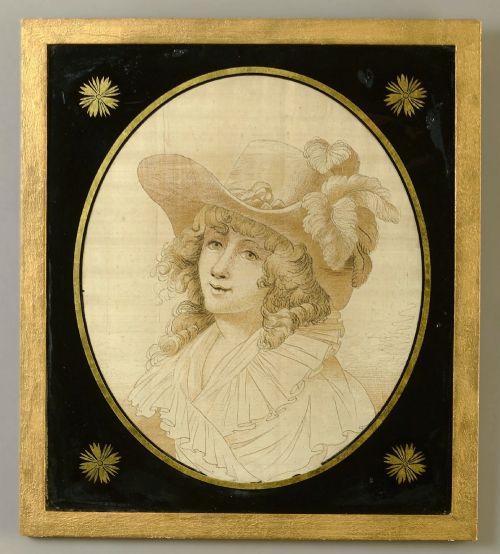
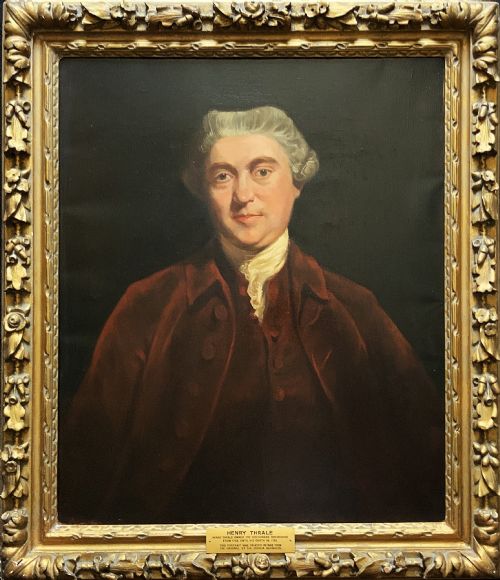
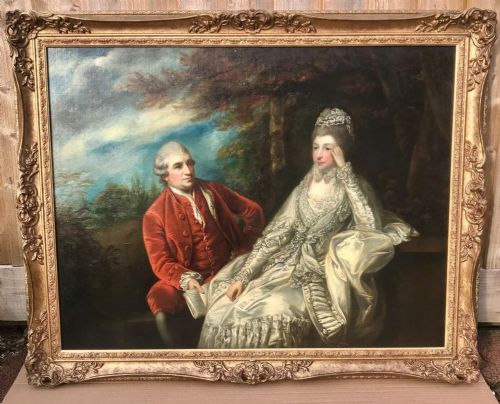
Georgian wall artwork brings formal portraiture, botanical studies and classical scenes into domestic spaces through oils, engravings and pastels.
Georgian Wall Artwork
When searching for georgian wall artwork, collectors encounter a diverse selection of portraiture, botanical studies, classical scenes and topographical landscapes produced primarily during the eighteenth and early nineteenth centuries. These pieces reflect the aesthetic priorities of the period, favouring likeness, symmetry and classical allusion in interior decoration.
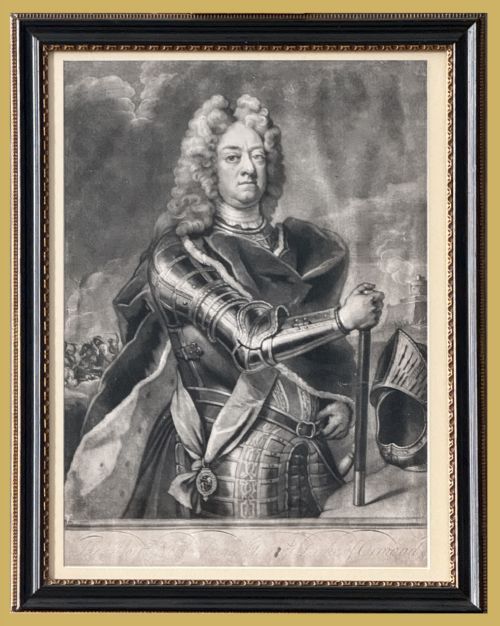
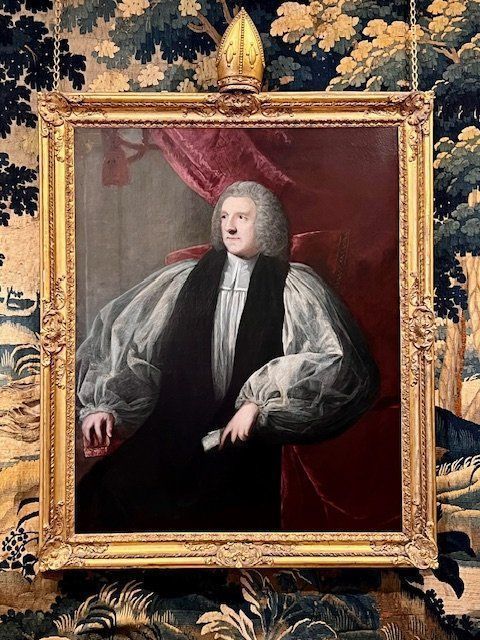
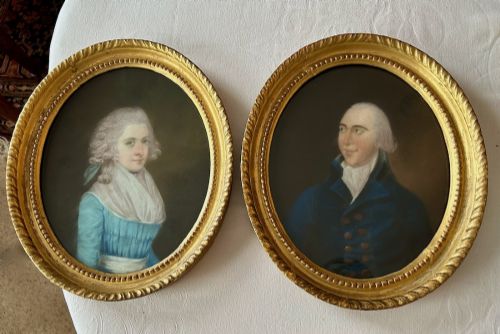
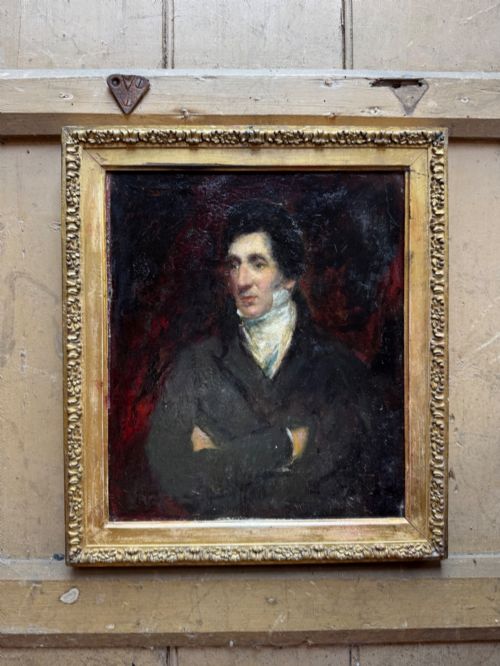
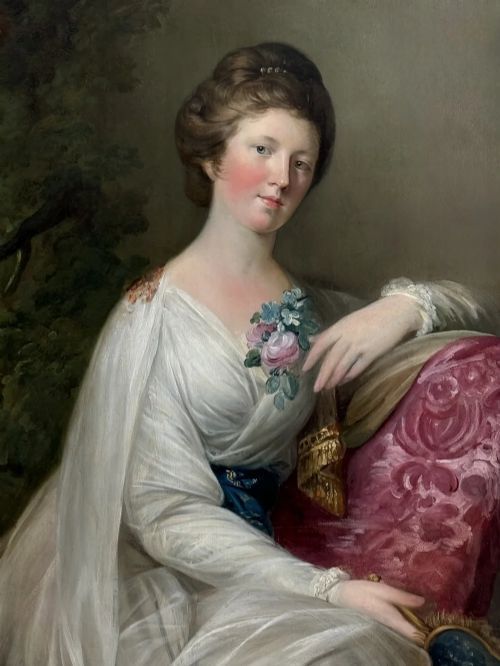
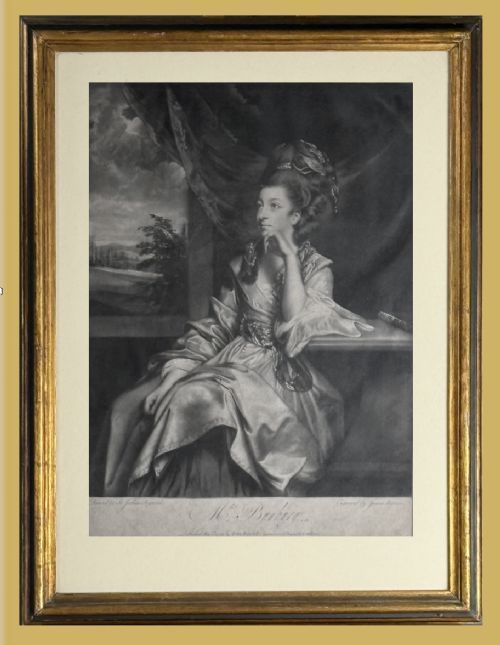
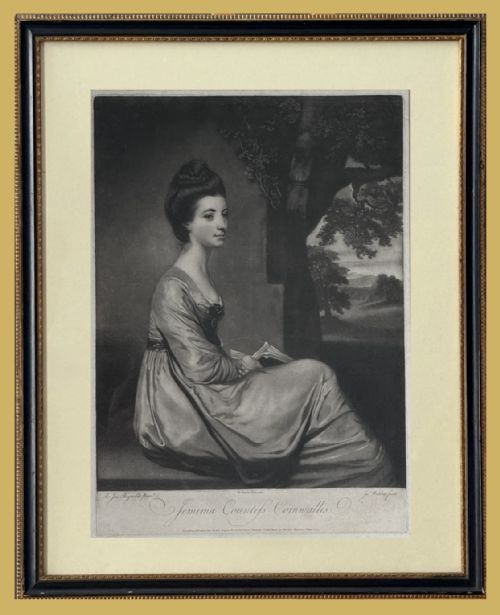
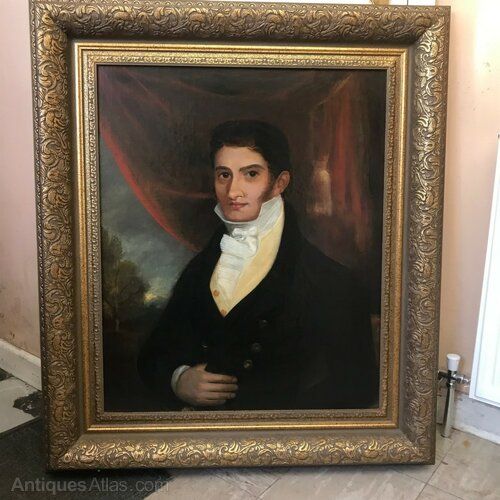
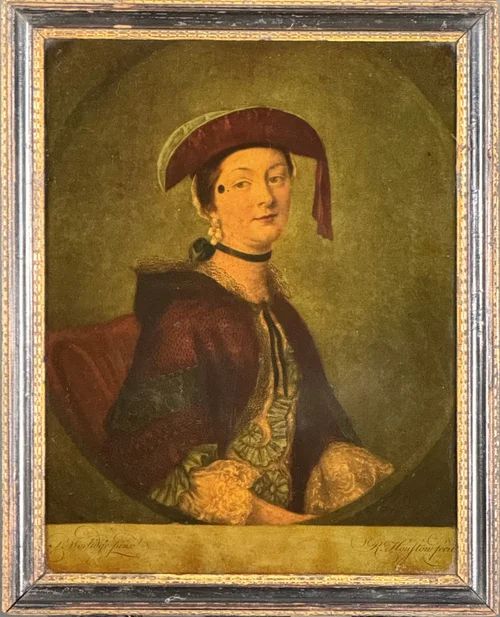
Oil paintings on canvas and panel form a substantial portion of the available selection, alongside works on paper executed in pastel, watercolour, ink and various printmaking methods. Portraiture dominates the offerings, capturing notable figures, landed gentry and fashionable subjects through the hands of period artists and printmakers.
The objects span multiple stylistic movements including Baroque, Neoclassical and Regency, reflecting changing tastes across the eighteenth century and into the nineteenth. Buyers find both large formal canvases intended for principal rooms and smaller framed works suited to intimate spaces.
Materials and techniques
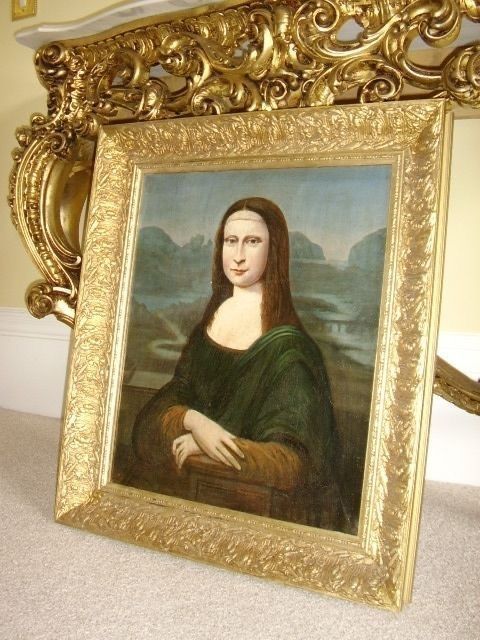
Makers utilised traditional oil paints applied to stretched canvas or wooden panels, often building up rich layers of pigment to achieve depth in portraiture and landscape subjects. Canvas supports frequently bear the marks of period stretching and framing methods characteristic of eighteenth-century workshops.
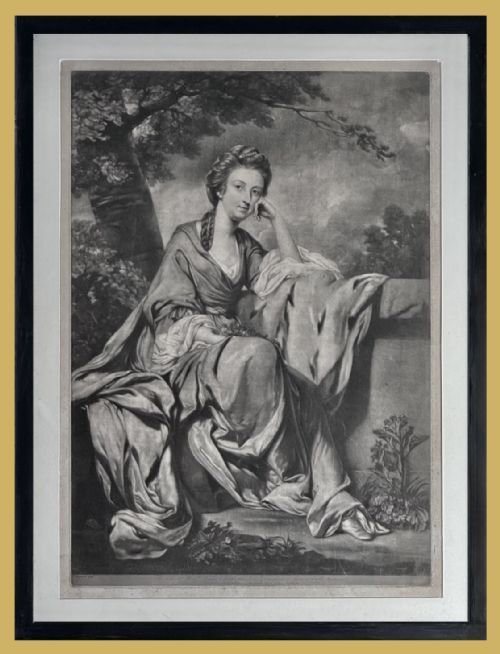
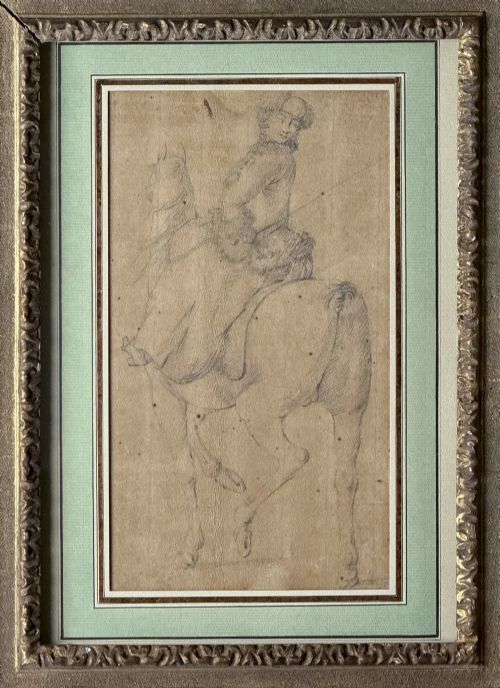
Works on paper employ media such as graphite, ink, watercolour and pastel, mounted on rag paper substrates produced without modern chemical additives. Printmakers utilised copper plates to create mezzotints, stipple engravings and line engravings, working in tandem with painters to disseminate popular portraits and historical scenes.
Framing materials range from carved and gilded wood to simple wooden mouldings, with many pieces retaining period frames that complement the artwork. Giltwood and gilded gesso provide the ornate architectural borders typical of formal interior displays from the era.
Quality factors in period pieces
The standard of execution in portraiture depends on the skill of the artist in rendering facial likeness, proportion and anatomical structure. Works originating from the primary studio of a recognised master or executed by documented painters demonstrate superior brushwork and compositional confidence compared to routine output.
The preservation of the original medium heavily influences the integrity of each piece, particularly regarding pigment retention in oil paintings and the absence of fading in watercolours and pastels. Works that retain their original unlined canvases and contemporary framing components command greater interest from discerning collectors.
Print quality in mezzotints and engravings relies on the state of the copper plate during printing, where early impressions yield sharp contrasts and fine detail while later printings appear blurred or washed out. The crispness of the impression and the quality of the paper stock determine the visual impact of works on paper.
Sir Joshua Reynolds·Thomas Barker of Bath·Joseph Clover·John Simon·James Watson
The Georgian Wall Artwork Glossary
- Mezzotint
- A printmaking process where the copper plate is roughened uniformly to produce dark tones, then scraped and burnished to create light areas. This technique allows for subtle tonal gradations particularly suited to portraiture.
- Stipple engraving
- A method of creating prints by building up images using dots of varying density rather than continuous lines. It gained popularity for rendering soft flesh tones and delicate textile textures.
- Giltwood
- Timber carved and coated with a thin layer of gold leaf over a prepared gesso ground. It was extensively used for ornate picture frames during the eighteenth century.
- Pastel
- A dry painting medium consisting of powdered pigment and a binder, applied to paper to produce velvety surfaces. Pieces executed in this medium require protective glass to prevent pigment loss.
- Regency
- The stylistic period spanning the early nineteenth century, characterised by a revival of Greek and Roman classical forms. Works from this era often display leaner profiles and refined decorative motifs.
Georgian Wall Artwork: Frequently Asked Questions
How do I identify a period frame?
Period frames are typically constructed from pine or oak and finished with carved gesso and gold leaf rather than modern synthetic gilding. Close inspection of the mitred corners and the backboards often reveals hand-cut fixings and historical patination consistent with eighteenth-century carpentry.
Many pieces have been reframed over the centuries to suit changing interior fashions. Examining the rebate where the artwork sits can indicate whether the frame and the image have a shared history.
What is the difference between an oil painting and a mezzotint?
An oil painting is a unique, hand-painted work created by applying pigmented oils directly onto canvas or panel. Each brushstroke is singular to the artist's hand.
Mezzotints are printed multiples created from a worked copper plate, allowing a popular painted portrait to be reproduced for wider distribution. While printed, period mezzotints are collected as original fine art works in their own right.
How should I care for works on paper?
Works on paper, including watercolours, pastels and engravings, require protection from direct sunlight to prevent fading of the pigments and yellowing of the paper substrate. Maintaining stable humidity levels prevents the paper from cockling or developing mould.
Framing should utilise acid-free mounts and conservation-grade backing materials to prevent chemical degradation over time. Keeping the artwork away from direct heat sources preserves the integrity of both the paper and the surrounding frame.
How do I distinguish between an original and a later copy?
Distinguishing between period originals and later copies involves examining the materials, pigment composition and the ageing characteristics of the support. Eighteenth-century canvases exhibit specific weave patterns and oxidation of the oil binders that differ from modern reproductions.
Expert examination of brushwork technique, stretcher construction and paper watermarks provides further confirmation of period authenticity. Stylistic clues within the clothing and hairstyle of portrait subjects also offer chronological anchors.