




Georgian Vinaigrette
A georgian vinaigrette is a small pocket container for aromatic vinegar, prized by collectors for its exquisite miniature silverwork and intricate grille.
Georgian Vinaigrette
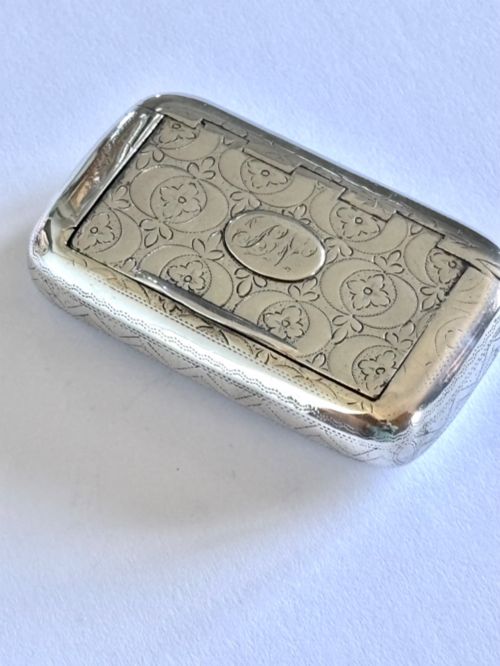
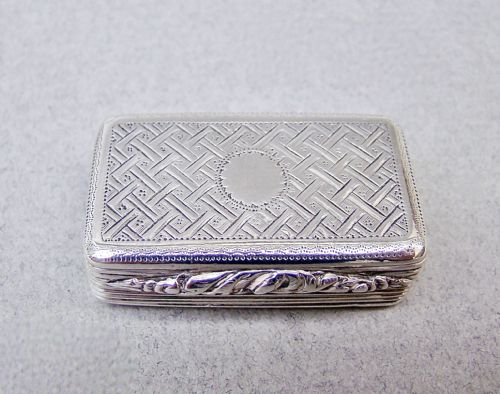
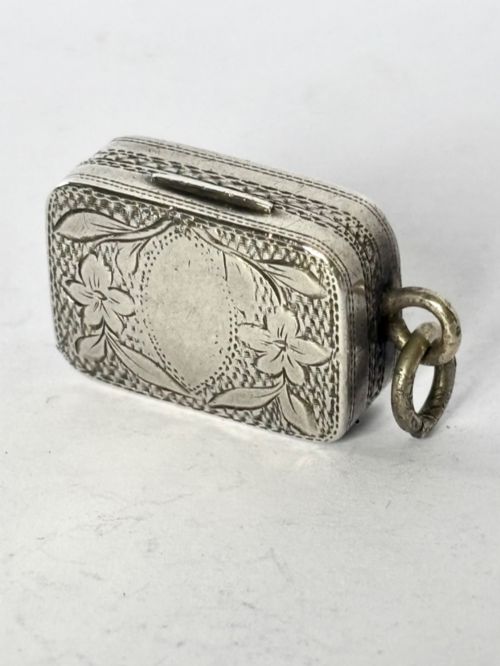
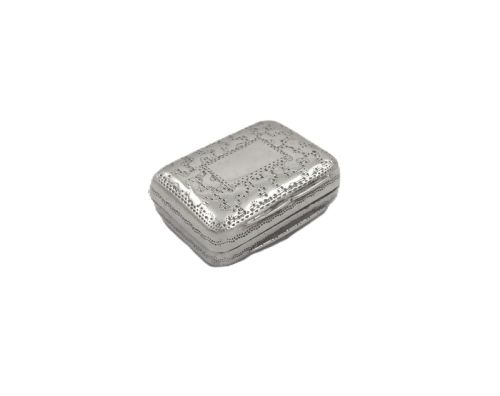
A georgian vinaigrette is essentially a tiny, highly decorated box designed to hold a scented sponge soaked in vinegar. These pieces date principally from the Georgian and William IV periods, spanning the late eighteenth and early nineteenth centuries.
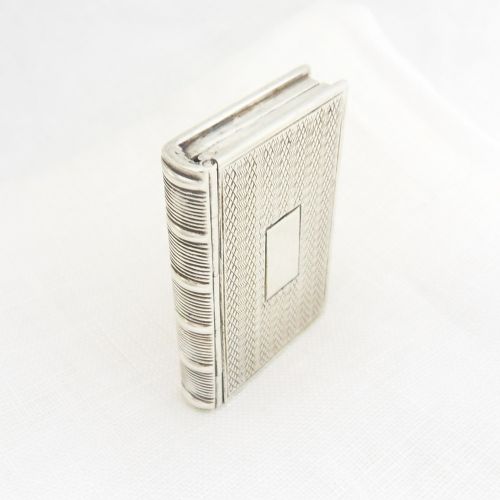
Collectors frequently encounter these items in sterling silver and silver-gilt, often housing elaborate internal pierced grilles. Forms range from simple rectangular boxes to novelty shapes such as books, fish, and cowrie shells.
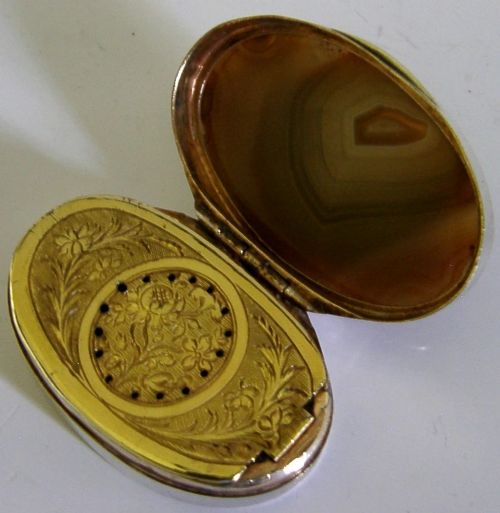
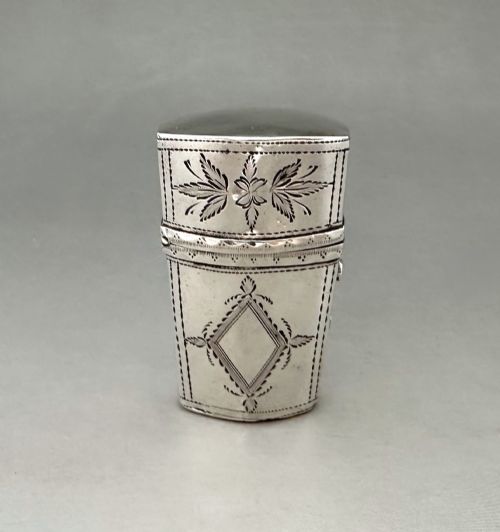
The selection here encompasses standard pocket boxes alongside related small silver wares like scent bottles and nutmeg graters. Agate insets and gold variants appear among the nineteenth-century examples.
Materials and construction
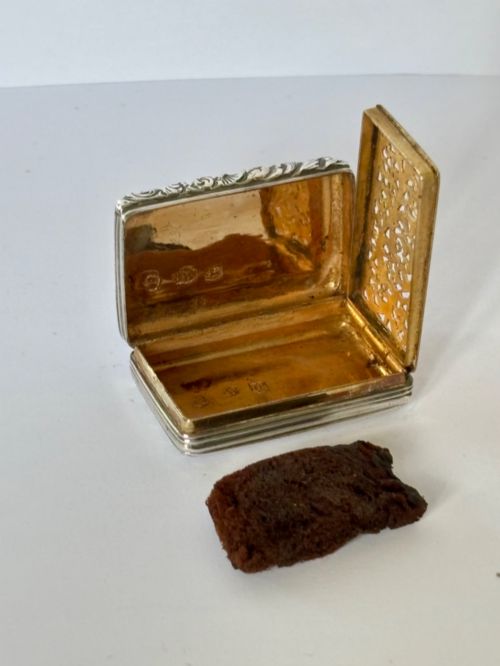
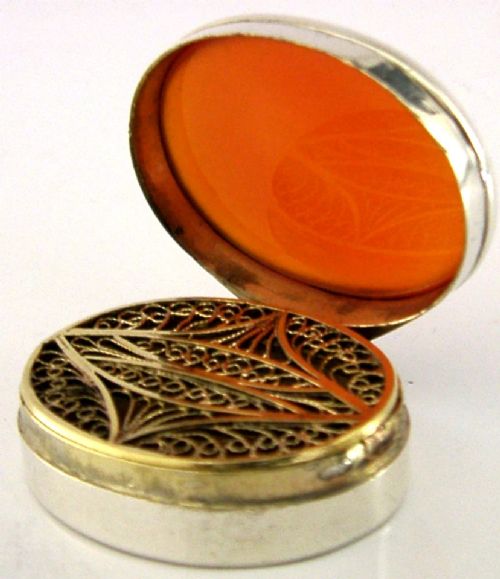
Silversmiths constructed these boxes primarily from sterling silver, frequently applying a gold gilt finish to the interior to protect the metal from acidic vinegar. Agate stones, cowrie shells, and enamel also feature as decorative panels.
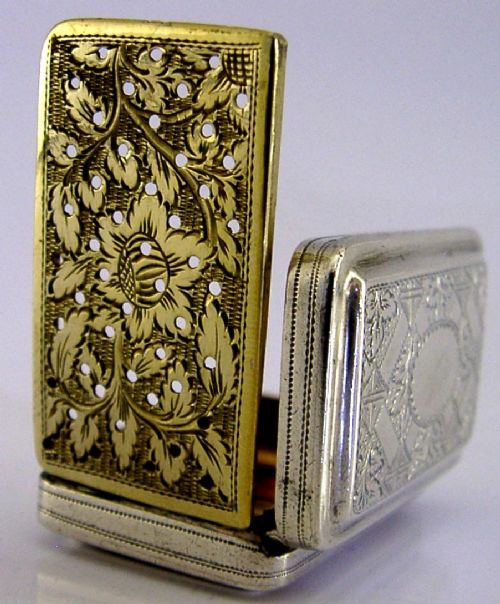
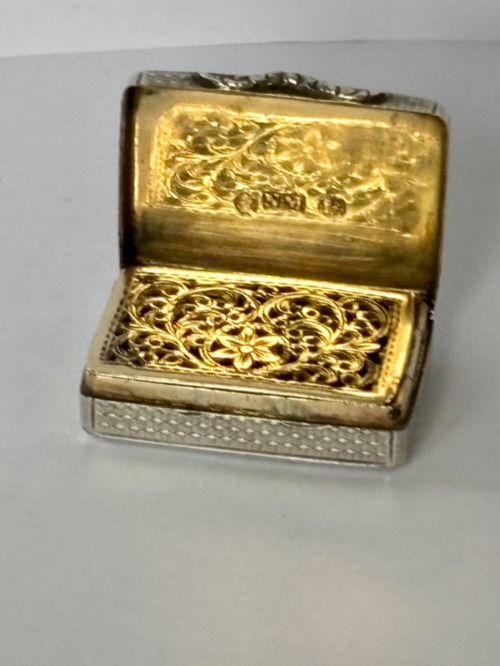
The defining feature of a georgian vinaigrette is the internal grille, which is pierced and engraved by hand to allow scent to escape while holding the sponge in place. Hinge work and box construction demand exceptional precision at such a miniature scale.
Georgian Vinaigrette Retail Price Guide 2026
Typical asking prices for georgian vinaigrette among the pieces listed under this phrase on Sellingantiques today, from the lower quarter to the upper quarter. They describe what is for sale here now, not the wider market.
Listings feature sterling silver, gold gilt, and agate materials spanning the Georgian and William IV periods.
Judging quality in miniature silver
Quality rests heavily on the crispness and complexity of the internal grille piercing, where floral or geometric patterns demonstrate the maker's skill. Finer pieces maintain tight box hinges and clear hallmarks from notable assay offices.
Taylor And Perry·Samuel Pemberton·Thomas Johnson·Jacob Amyand·Giles Loyer·Nathaniel Mills·John Bettridge·Reily And Storer
The Georgian Vinaigrette Glossary
- Vinaigrette
- A small pocket box fitted with an internal pierced grille to hold a vinegar-soaked sponge. These were carried to mask unpleasant odours in public spaces.
- Silver-gilt
- Sterling silver that has been coated with a thin layer of gold. This technique prevented the acidic vinegar from corroding the silver interior.
- Grille
- The internal pierced and engraved plate that secures the sponge inside the box. The quality of its piercing largely determines the piece's refinement.
- Novelty form
- A container shaped to resemble an everyday object or animal, such as a book, fish, or shell. These imaginative designs command strong interest.
Georgian Vinaigrette: Frequently Asked Questions
What is a georgian vinaigrette?
A georgian vinaigrette is a miniature silver container made to hold an aromatic vinegar sponge.
People carried them in pockets or reticules during the eighteenth and nineteenth centuries for freshening the air.
How were they used?
The user opened the outer lid to reveal a pierced internal grille covering a sponge soaked in scented vinegar.
Inhaling the aroma provided relief from foul odours encountered in crowded streets or poorly ventilated rooms.
How do I identify the period?
Examining the hallmarks stamped on the silver reveals the assay office, date letter, and maker's mark.
Stylistic details like neoclassical engraving or William IV proportions also point to specific manufacturing decades.
How should I display them?
Because of their small scale, these boxes sit well inside dedicated glass display cabinets or shallow tabletop vitrines.
Keeping them away from direct sunlight protects any delicate agate stones or original leather cases.