




Georgian Victorian Oil Portrait
A georgian victorian oil portrait captures the presence of past sitters through layered pigment and spirited brushwork.
Georgian Victorian Oil Portrait
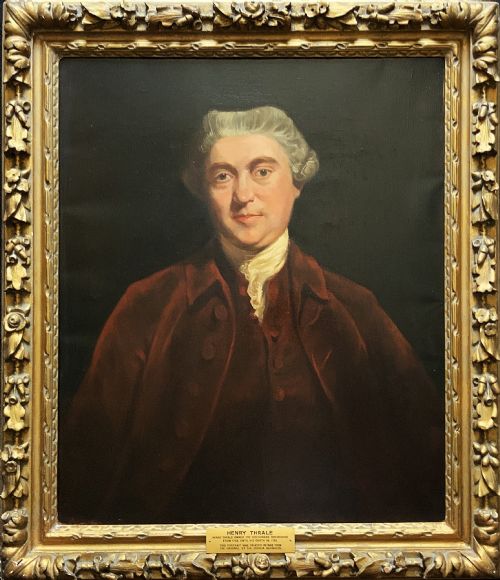
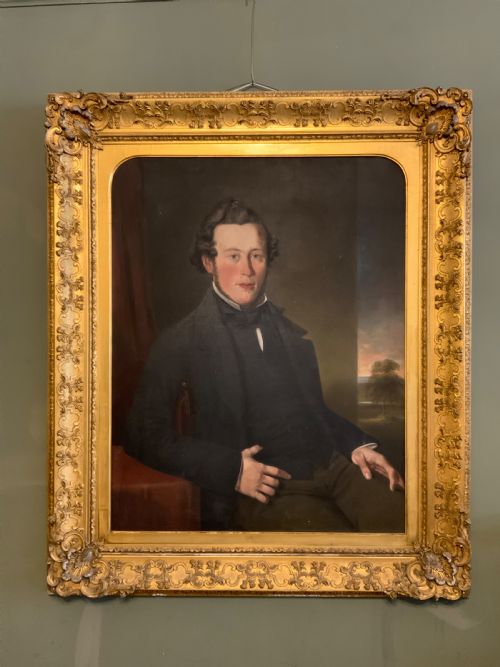
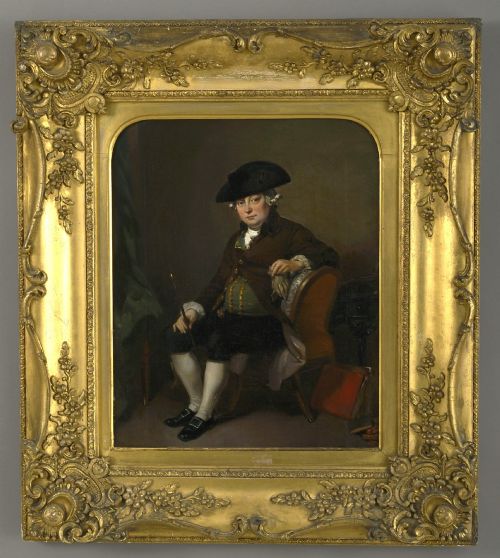
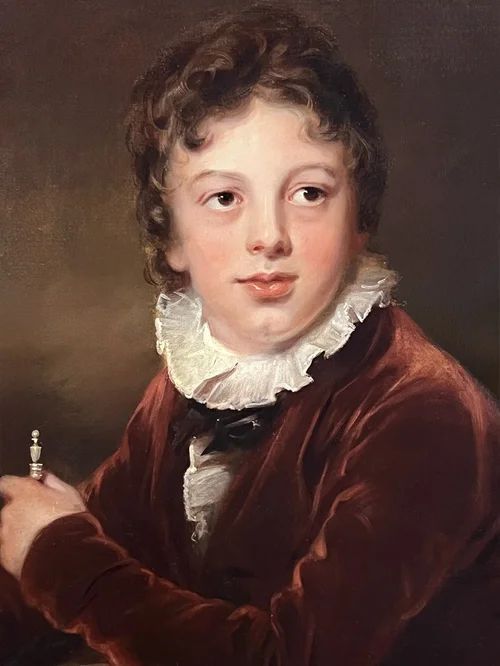
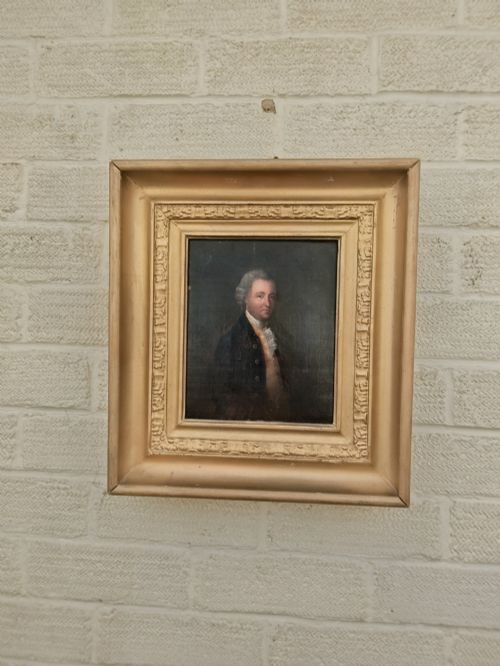
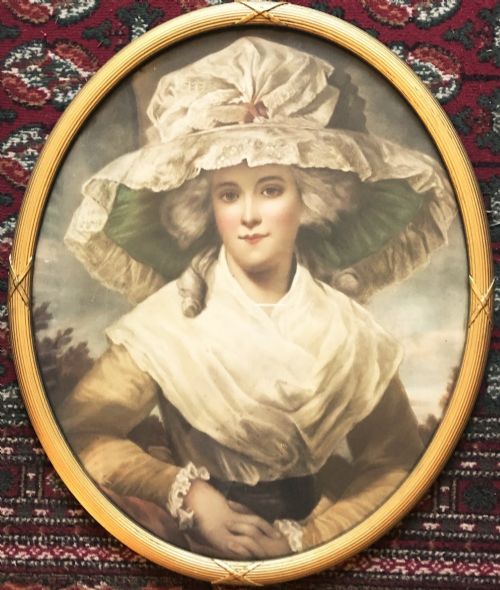
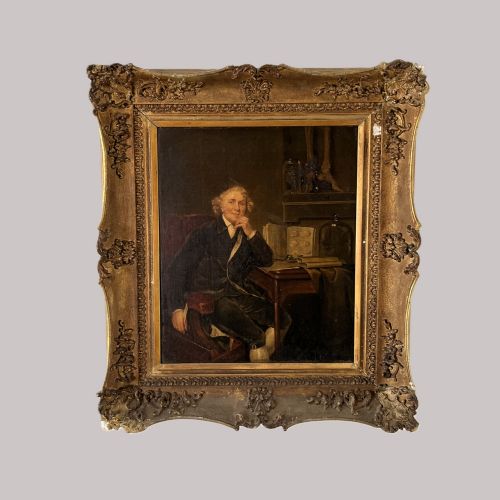
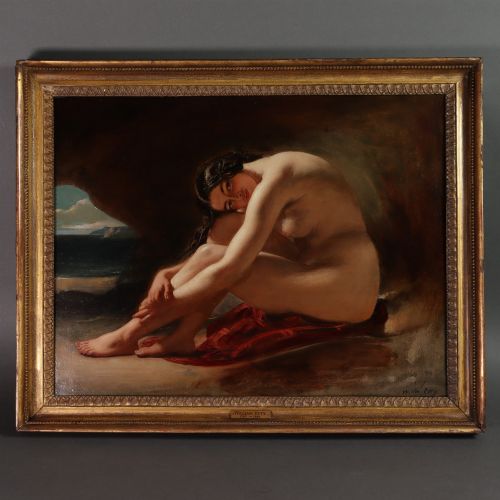
A georgian victorian oil portrait brings together depictions of gentlemen, ladies, children, and historical figures executed across the eighteenth, nineteenth, and early twentieth centuries. The selection encompasses works ranging from formal academic commissions to English naive art and character studies.
Most pieces encountered here date from the nineteenth century, including Regency, Georgian revival, and Victorian romanticism examples. Canvases depict subjects in formal evening wear, naval jackets, frocks, or riding attire, frequently accompanied by original giltwood or ebony frames.
Subjects appear either as half-length studies, seated figures, or within architectural and landscape settings. Anonymous provincial sitters share space with documented military officers, actors, and historical personalities recorded by regional British schools.
Materials and Construction
Artists worked primarily with oil paint applied to stretched canvas, though panel and board supports also appear. Ground layers support rich pigments that build up the depth of garments, skin tones, and background shadows.
Frames play an integral structural and aesthetic role, constructed from wood finished with gesso, gold leaf, and giltwood. Mouldings range from simple ebony borders to ornate decorative frames that house the canvas.
Gentlemen in these paintings share wall space with hunting dogs, birds' nests, and even a gentleman posing proudly in a grey top hat.
Evaluating the Work
The preservation of the original paint surface and the condition of the stretched canvas determine longevity. Period frames matching the age of the painting add significant contextual integrity to the piece.
Margaret Sarah Carpenter·William Etty·Samuel Lawrence·Charles Robert Leslie·George Duncan Beechey
The Georgian Victorian Oil Portrait Glossary
- British School
- A designation applied to paintings produced by artists working in Britain whose specific individual author remains unrecorded. It groups regional portraiture sharing stylistic traits.
- Giltwood
- Wood carved and coated with gold leaf or metallic powder to create a bright decorative frame finish. This technique protects the underlying timber while adding visual weight.
- Naive Art
- A style characterised by a rejection of formal perspective rules, featuring direct lines and flat colours. These works often emerge from provincial or untrained hands.
- Gesso
- A plaster mix applied to wooden frames as a smooth base for subsequent gilding or painting. It fills grain and creates sharp edges for decorative moulding.
- Half-Length
- A portrait composition framing the sitter from the waist or hips upwards. This format focuses attention on facial expression and hand gestures.
Georgian Victorian Oil Portrait: Frequently Asked Questions
How do I identify a Victorian oil portrait?
Victorian portraits often feature darker, richer backgrounds paired with romanticised or formal attire reflecting nineteenth-century fashions. Clothing styles, such as frock coats or specific bonnets, help anchor the painting within the era.
Examination of the canvas weave, stretcher frames, and back inscriptions frequently reveals dates, sitter names, or the studio locations of the artists.
What is the difference between Georgian and Victorian styles?
Georgian portraits typically emphasise classical restraint, crisp lighting, and structured poses influenced by eighteenth-century academic traditions. Victorian works introduce greater psychological depth, narrative elements, and softer romanticism.
Brushwork also evolves, with Victorian pieces often displaying looser, more expressive handling of background shadows and fabric textures compared to earlier linear precision.
How should I care for an antique canvas?
Keep oil paintings away from direct sunlight and fluctuating humidity to prevent the canvas from sagging and the paint from cracking. Stable indoor environments preserve both the pigment and the structural support.
Dust surfaces gently with a soft, dry brush without applying moisture or cleaning solutions. Professional conservators should handle any structural repairs or varnish removal.
Why do some portraits remain anonymous?
Many provincial commissions were completed without signatures because artists viewed their work as trade output rather than fine art. Sitters were sometimes recorded only through inscriptions on the stretcher bars that faded over time.
Attribution then relies on stylistic comparisons with known regional schools, clothing clues, and framing materials to narrow down the decade of creation.