


Georgian Vernacular Table
A georgian vernacular table brings rustic utility and honest country character into a room through simple construction and utilitarian charm.
Georgian Vernacular Table
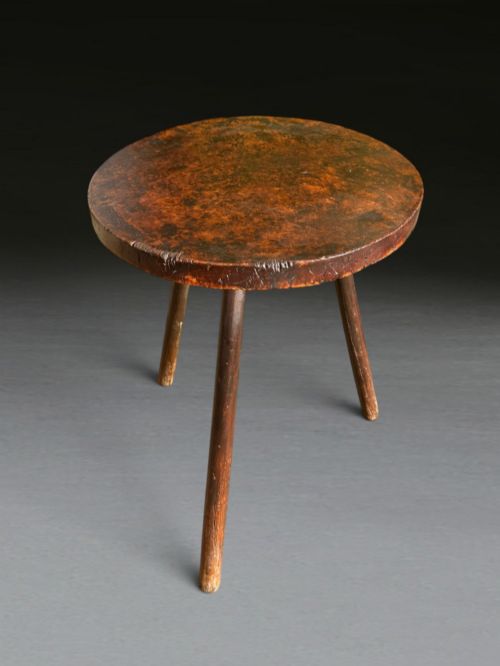
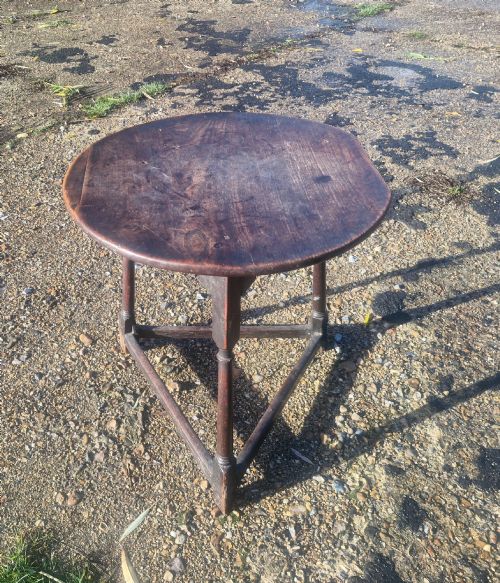
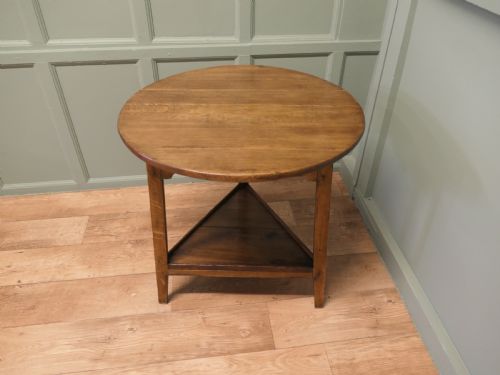
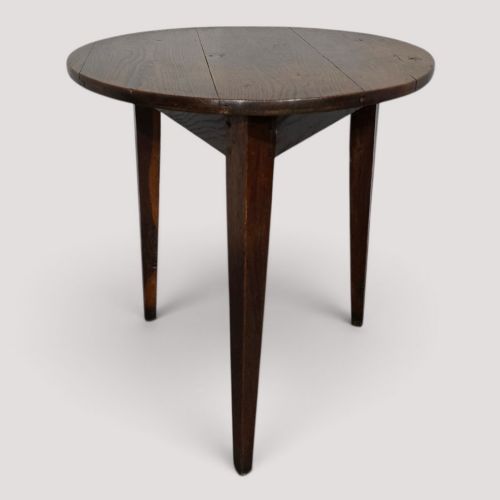
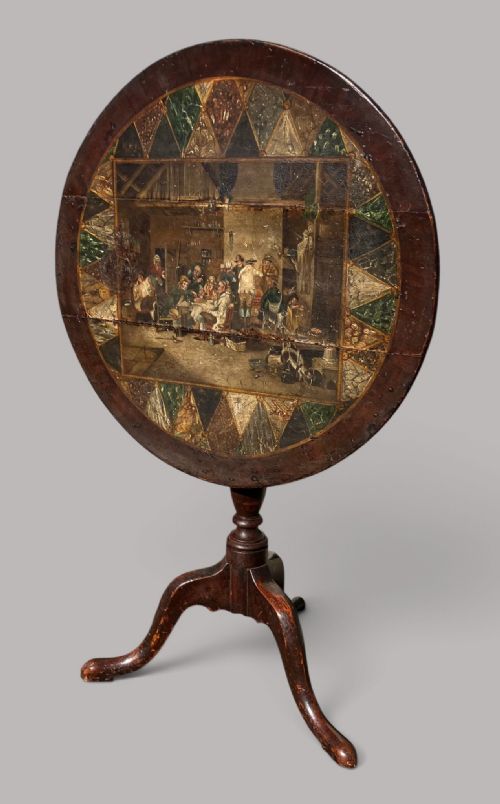
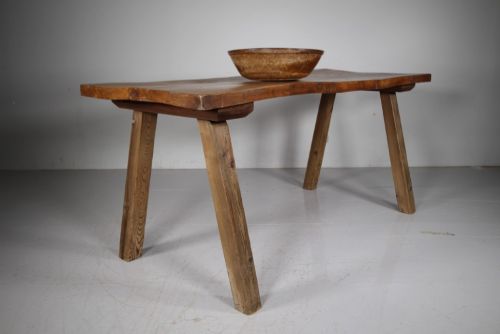
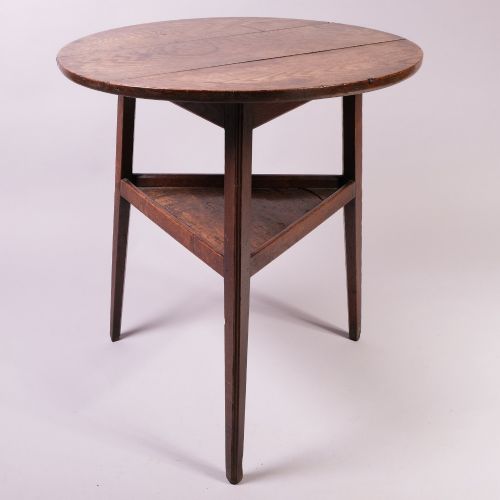
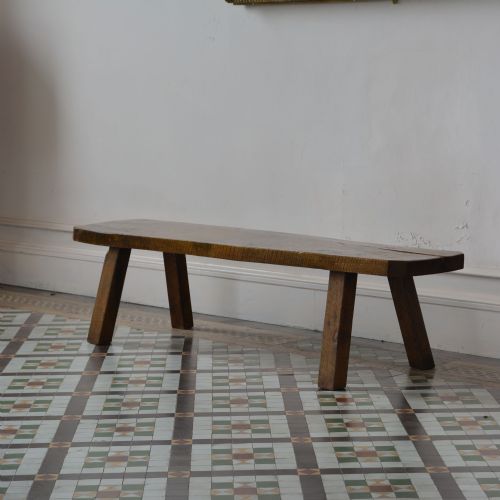
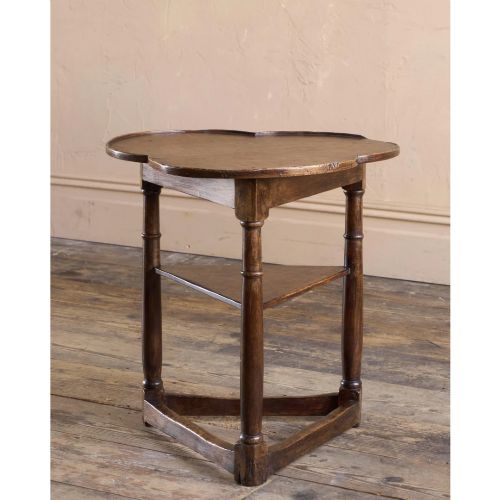
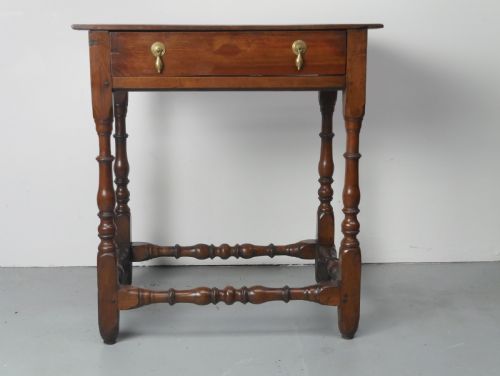
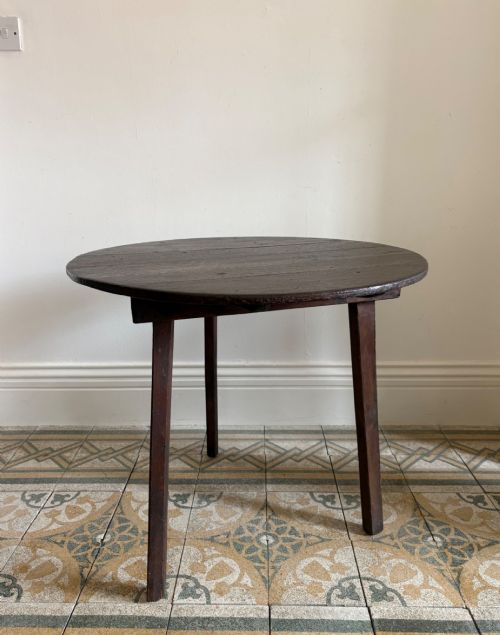
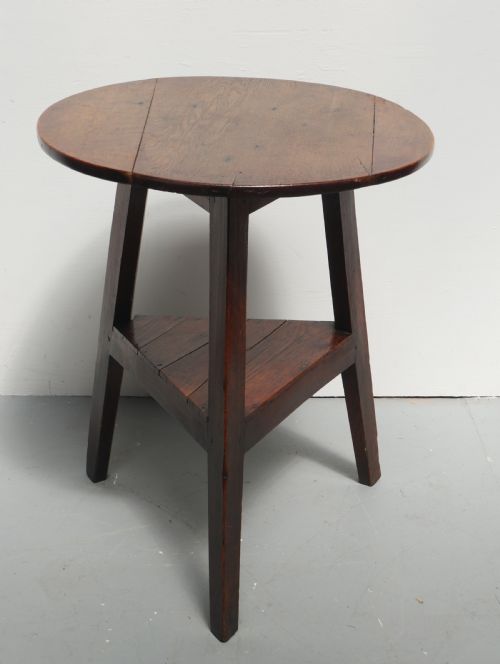
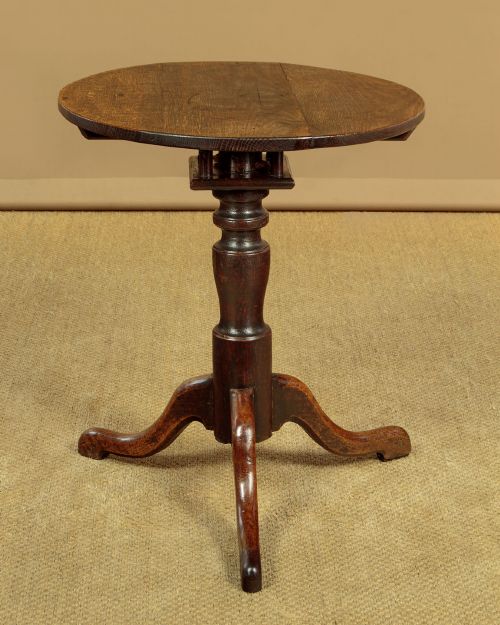
When searching for a georgian vernacular table, buyers encounter utilitarian domestic furniture produced across the eighteenth and nineteenth centuries in rural regions such as Wales, Scotland, and English country districts. These pieces include sturdy cricket tables, side tables, tavern tables, and dresser bases intended for practical daily use rather than formal reception rooms.
The aesthetic is resolutely unpretentious, relying on honest joinery, thick plank tops, and visible tool marks rather than applied ornamentation or classical carving. Surviving examples reflect the domestic habits of country households, farmhouses, and dairies from the Georgian era through the Regency period.
How they were made
Makers relied on solid native timbers harvested from local woodlands, principally oak, elm, ash, fruitwood, and pine, often combining woods within a single piece for tops and underframes. Burr elm and sycamore also appear, chosen for their distinct grain patterns or durability under heavy domestic workloads.
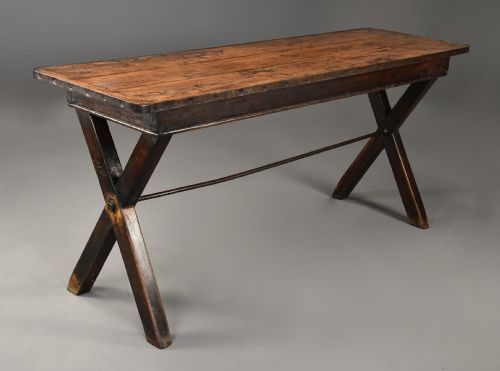
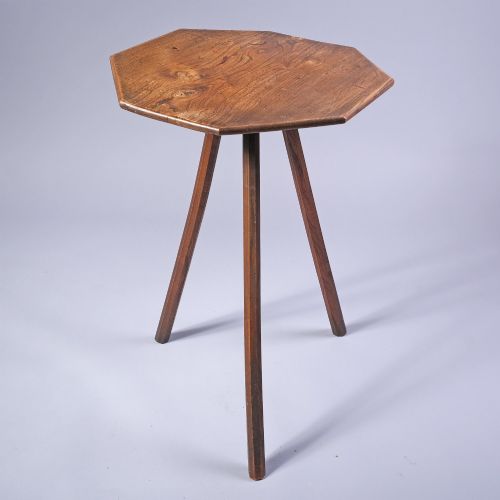
Construction techniques prioritized strength and simplicity, utilising pegged mortise and tenon joints, straightforward trestle supports, and tripod legs wedged directly through the tabletop. Iron and brass fasteners appear sparingly, mostly as structural reinforcements or hinges on related vernacular forms like bible boxes and lambing chairs.
Georgian Vernacular Table Retail Price Guide 2026
Typical asking prices for georgian vernacular table among the pieces listed under this phrase on Sellingantiques today, from the lower quarter to the upper quarter. They describe what is for sale here now, not the wider market.
Several tables show signs of hard dairy work, retaining stubborn stains from centuries of spilled cream and earnest butter-churning.
What varies in quality
Quality in these pieces rests upon the integrity of the original timber, the balance of proportions, and the survival of an authentic surface finish or untouched patina. Pieces retaining early paintwork or untouched dry wax surfaces command greater interest from collectors than those stripped down to bare raw wood.
Structural honesty and the retention of original components dictate the standing of an individual table, as many country pieces endured heavy farmhouse use that necessitated repairs or replacement legs over the centuries. Well-balanced proportions on three-legged tripod bases separate standard utilitarian items from more sculptural examples.
The Georgian Vernacular Table Glossary
- Cricket table
- A small three-legged round table originating in the seventeenth and eighteenth centuries, traditionally designed to stand steady on uneven floors. The three splayed legs prevent rocking on flagstone or earthen surfaces.
- Patina
- The surface sheen and mellow colour developed by wood over centuries through handling, waxing, and exposure to light. A good surface shows the true age of the timber without modern chemical intervention.
- Vernacular furniture
- Domestic pieces made by local regional joiners and country craftsmen rather than urban cabinetmakers following London fashion. These items prioritize functional utility and regional traditions over classical style canons.
- Potboard dresser
- A kitchen or dining storage base featuring an open lower shelf used historically for storing pots and heavy tableware. They form a staple category of Welsh and English farmhouse furniture.
- Trestle table
- A table consisting of horizontal planks supported by lateral trestle feet or framed uprights rather than four corner legs. This form allows maximum legroom in small domestic spaces.
Georgian Vernacular Table: Frequently Asked Questions
What is a cricket table?
A cricket table is a small three-legged round table designed for stability on uneven floors in eighteenth-century country homes.
Their simple tripod construction made them versatile pieces for holding mugs, candles, or dairy items beside a hearth.
Where were these tables made?
These pieces were produced in rural workshops across England, Wales, and Scotland using locally available timber.
Regional carpenters built them for everyday use in farmhouses, cottages, and dairies without reference to metropolitan styles.
How do I care for antique oak?
Maintain antique oak by applying natural beeswax sparingly and buffing gently with a soft cloth to nourish the dry wood.
Keep tables away from direct heat sources and strong sunlight to prevent the historic timbers from splitting or warping.
Why do some tables have painted finishes?
Many country pieces received protective layers of naïve paintwork to seal softwoods or update furniture over generations of household use.
Original surviving paint adds significant character and historical depth to an otherwise utilitarian domestic object.