






Georgian Two Tier Stand
A georgian two tier stand brings tiered elegance to a room, offering practical display space through centuries-old craftsmanship.
Georgian Two Tier Stand
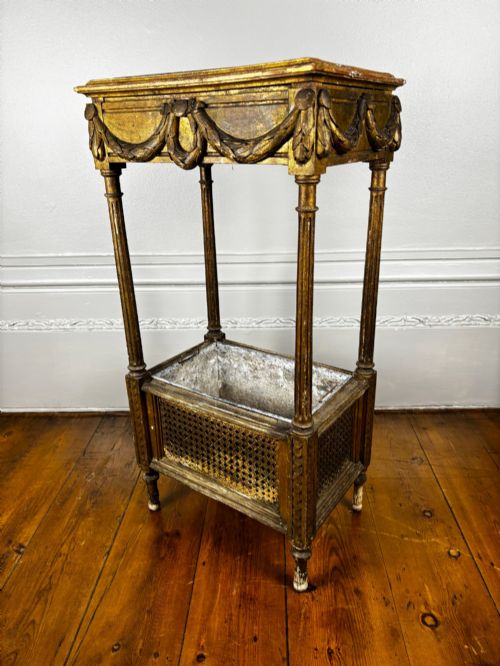
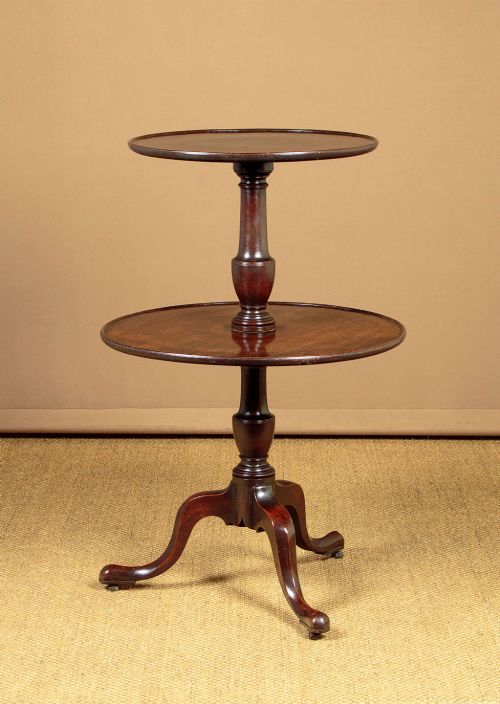
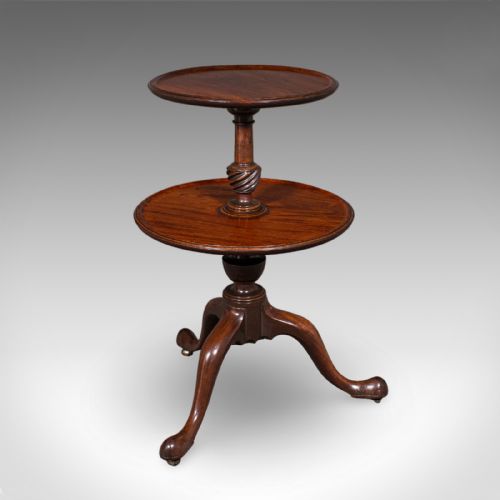
When searching for a georgian two tier stand, collectors encounter tiered serving tables, dumbwaiters, and occasional stands originating primarily from the eighteenth century, George III period, and Regency eras. These functional furnishings provide multiple levels for display or service, frequently constructed in mahogany and oak.
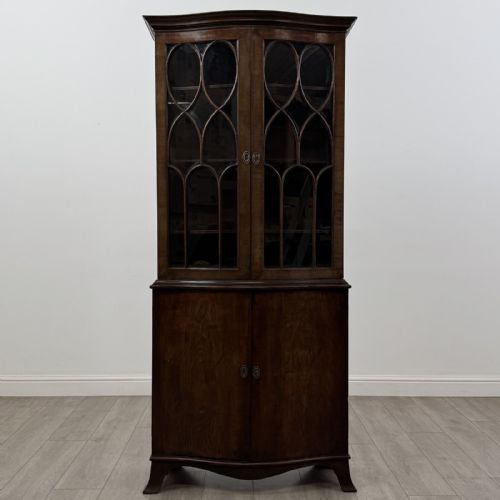
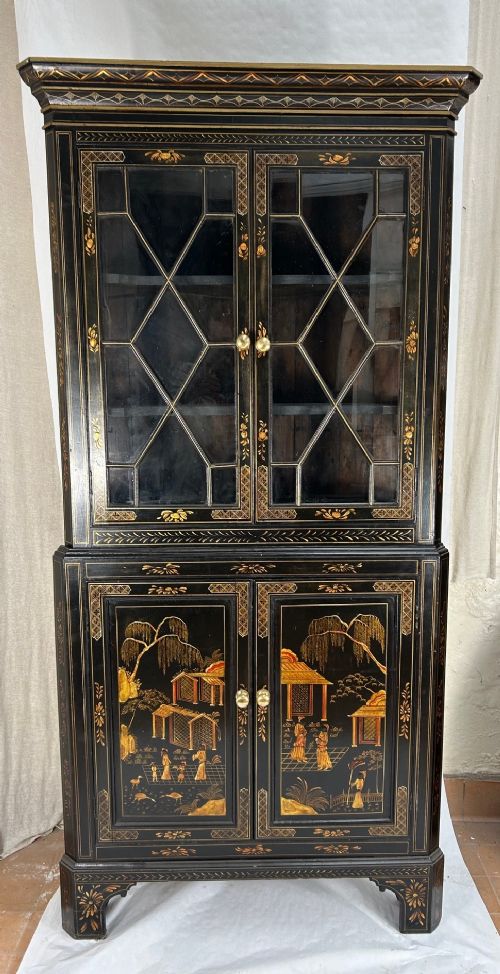
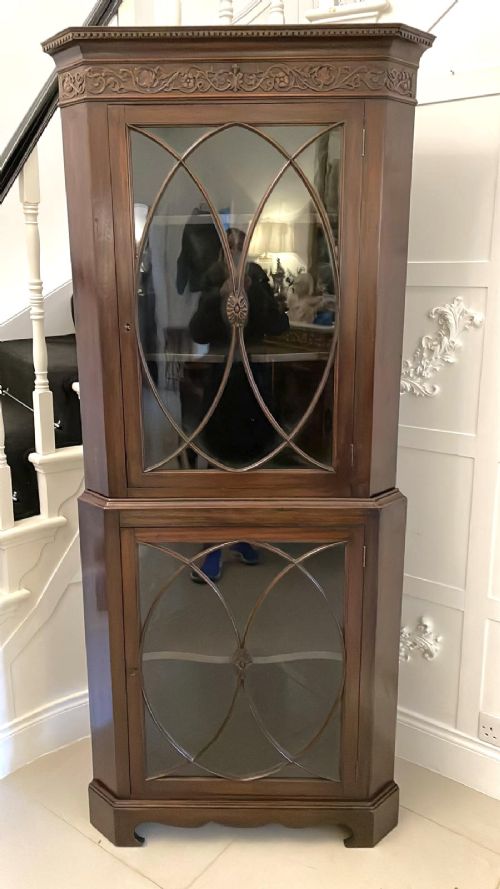
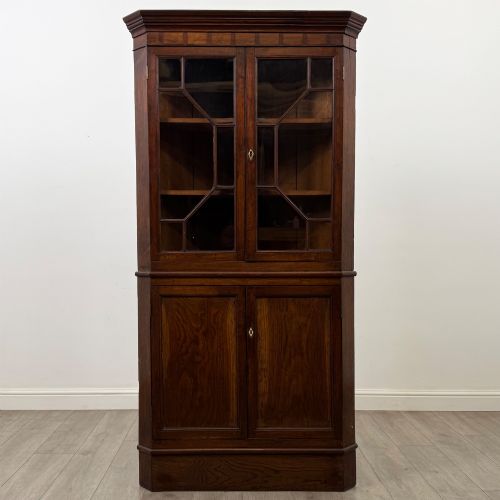
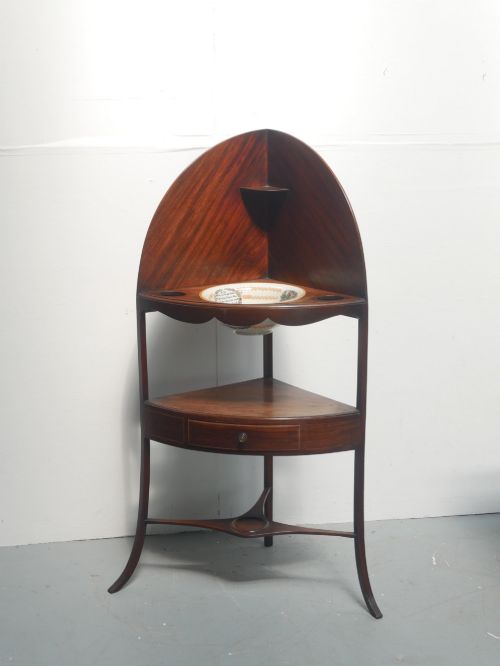
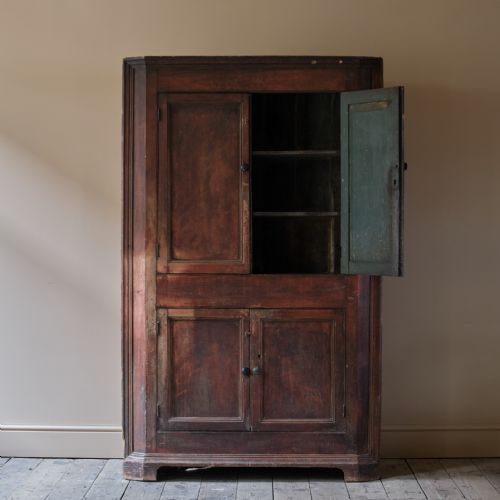
The pieces appearing on this page range from revolving dining room dumbwaiters to folding serving stands and plant tables. While corner cupboards and cabinets share similar period origins, the core search centres firmly on freestanding vertical tiers designed to hold items across distinct horizontal planes.
What varies in quality
The grade of timber selected for the tiers distinguishes standard domestic items from finer reception room pieces. Richly grained mahogany and carefully figured oak command greater attention than plain painted pine or basic utility woods.
Proportion and stability define the structural merit of each stand. Refined turning on the central column and smooth operation in folding or revolving mechanisms indicate superior workshop execution.
Georgian Two Tier Stand Retail Price Guide 2026
Typical asking prices for georgian two tier stand among the pieces listed under this phrase on Sellingantiques today, from the lower quarter to the upper quarter. They describe what is for sale here now, not the wider market.
Listings feature woods such as mahogany, oak, pine, and satinwood, alongside brass and glass elements.
The Georgian Two Tier Stand Glossary
- Dumb waiter
- A freestanding tiered stand used historically for serving food or holding tableware without the presence of servants. These pieces typically feature graduated circular trays mounted on a central pillar.
- Tripod base
- A three-legged support structure commonly found beneath the central column of eighteenth-century stands. This configuration ensures stability on uneven floorboards.
- Satinwood inlay
- Decorative contrasting wood veneer inserted into the primary timber surface to create geometric or floral patterns. It appears on select refined pieces from the late eighteenth century onwards.
- Astragal glazed
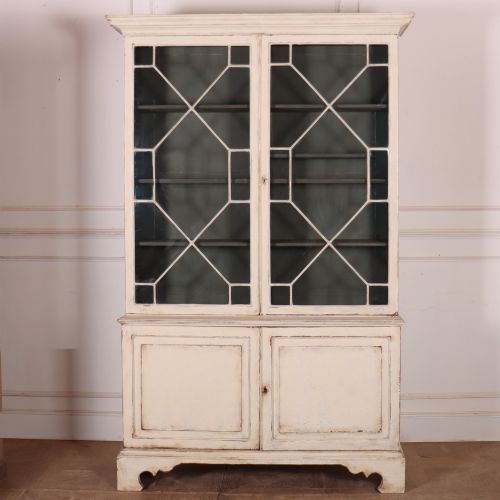
- A window or cabinet door divided into smaller panes by narrow wooden mouldings. This method frames the glass securely while adding architectural detail to enclosed storage portions.
Georgian Two Tier Stand: Frequently Asked Questions
What was a georgian two tier stand used for?
These tiered stands served primarily as dining room assistants for holding dishes, glasses, or afternoon tea items. Households utilised them to keep serving surfaces clear during meals.
Over time, owners repurposed them as plant stands, reading tables, or general display furniture in parlours and drawing rooms.
How do I identify a genuine period piece?
Examine the timber grain, construction joints, and overall wear patterns for signs of traditional hand-working methods. Eighteenth-century pieces exhibit pegged joints and hand-turned central columns rather than modern hardware.
Cross-reference the listed style characteristics, such as George III or Regency turning, against documented examples from the same era.
Where should I place a two tier stand at home?
Place freestanding dumbwaiters or plant stands in corners or beside seating areas where their vertical profile adds architectural interest without obstructing pathways. Their compact footprints suit smaller rooms effectively.
Avoid placing antique wooden furniture directly next to active heat sources or in areas of intense direct sunlight to protect the finish.
What wood types are most common?
Mahogany and oak dominate the surviving inventory from the Georgian and Regency periods. Cabinetmakers favoured these hardwoods for their strength and ability to take a fine polish.
Secondary woods like pine or painted surfaces appear more frequently on utilitarian items or regional country house pieces.