



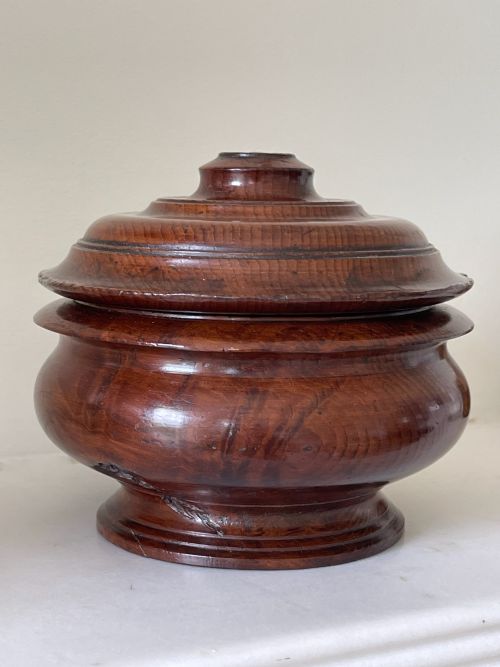


Georgian Turned Wooden Bowl
These pieces of georgian turned wooden bowl furniture and smallwares are hand-lathed domestic items from the eighteenth and nineteenth centuries that bring genuine historic warmth to a modern table.
Georgian Turned Wooden Bowl
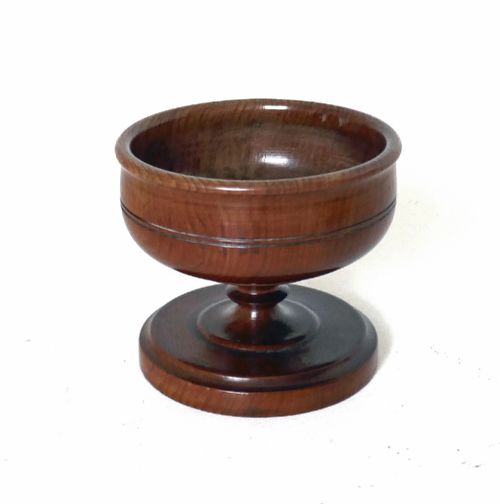
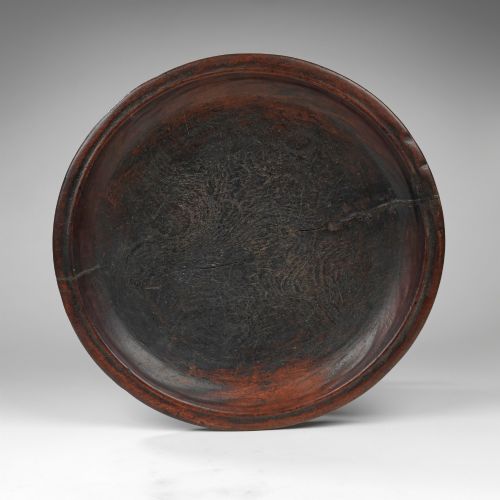
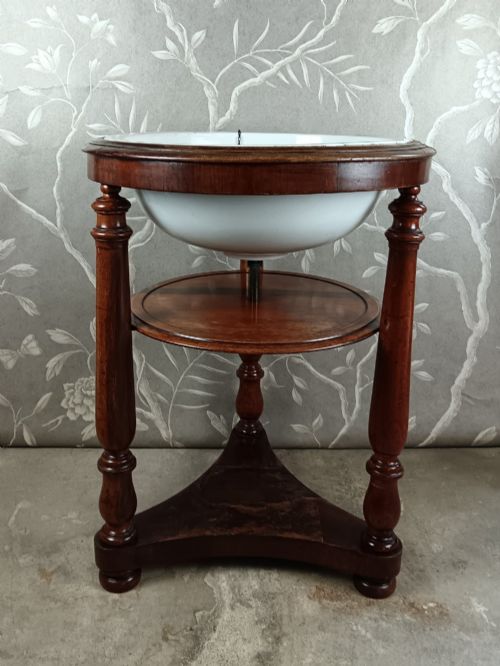
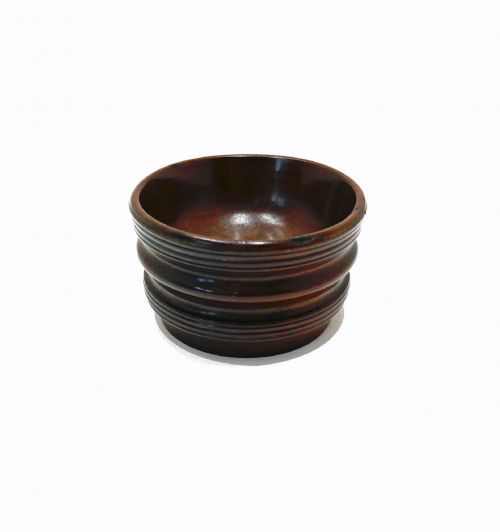
A georgian turned wooden bowl represents the functional domestic treen of the eighteenth and nineteenth centuries, often appearing in rich native timbers like yew, laburnum, walnut, and mahogany. These vessels include turned salt cellars, mortars, spice pots, washstands, and specific treen items shaped on a lathe by period woodworkers.
The selections available range from diminutive salt cellars on raised bases to larger turned bowls and mortars spanning the Georgian and Victorian periods. Buyers encounter English country pieces alongside campaign items, reflecting the practical domestic requirements of the era.
Materials and construction
Makers shaped these objects using woodturning lathes, working dense hardwoods such as yew wood, laburnum, walnut, and mahogany. Selected timbers were turned while green or seasoned, depending on the desired form, exploiting the natural grain patterns of the wood.
Additional elements like brass and ceramic components occasionally appear alongside the turned timber, while other pieces incorporate silver details such as those found on punch ladles. The primary method remains lathe-turning, creating symmetrical vessels and stands.
Georgian Turned Wooden Bowl Retail Price Guide 2026
Typical asking prices for georgian turned wooden bowl among the pieces listed under this phrase on Sellingantiques today, from the lower quarter to the upper quarter. They describe what is for sale here now, not the wider market.
Assessing quality in turned treen
Quality rests in the crispness of the turning lines, the retention of original surface patination, and the choice of timber figure. Yew wood and laburnum with strong natural figuring distinguish superior examples from plain utility pieces.
The integrity of the form and the preservation of the original base or foot dictate the standing of an item. Superior pieces maintain their depth of colour and untouched surfaces without heavy modern intervention.
The Georgian Turned Wooden Bowl Glossary
- Treen
- Small handmade wooden domestic objects such as bowls, salt cellars, and mortars. This term derives from the old word for tree.
- Lathe-turned
- Shaped by rotating timber against cutting tools on a mechanical device. This method produced symmetrical domestic vessels.
- Patina
- The surface sheen and colour developed by wood through age, handling, and waxing. It indicates genuine period use.
- Campaign
- Portable furniture and equipment designed for travel by military officers in the eighteenth and nineteenth centuries. These items often featured dismantling parts or folding elements.
Georgian Turned Wooden Bowl: Frequently Asked Questions
What is a treen salt?
A treen salt is a small wooden vessel used for holding salt at the dining table before the widespread use of ceramic tableware. They are often finely turned on a raised base.
These pieces showcase the skill of eighteenth-century turners working in timbers like yew wood and laburnum.
How do I date these turned bowls?
Dating relies on timber choice, tool marks left by the lathe, and the overall form characteristic of Georgian or Victorian design. Eighteenth-century pieces frequently display distinct regional English characteristics.
Examining the base and the wear patterns helps distinguish Georgian items from later nineteenth-century work.
Where were these wooden items used?
They served practical functions in domestic kitchens, dining rooms, and washstands across English homes. Items like mortars and spice pots were everyday utensils.
Over time, these utilitarian objects acquired rich patination through constant handling and exposure to domestic oils.
How should I care for old treen?
Keep wooden items away from direct heat sources and extreme humidity fluctuations to prevent the timber from splitting. Occasional application of appropriate wax maintains the surface.
Avoid washing them in water, using a dry or barely damp cloth for cleaning instead.