

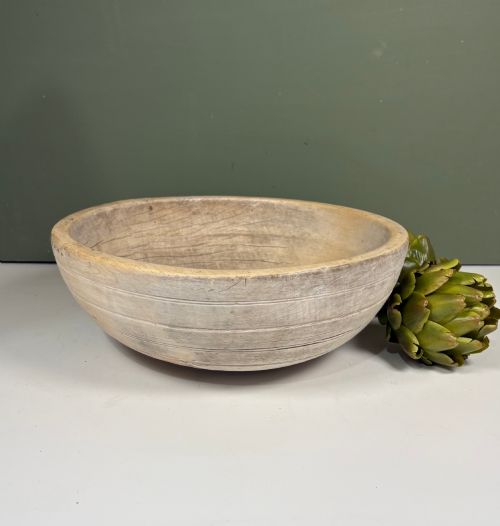

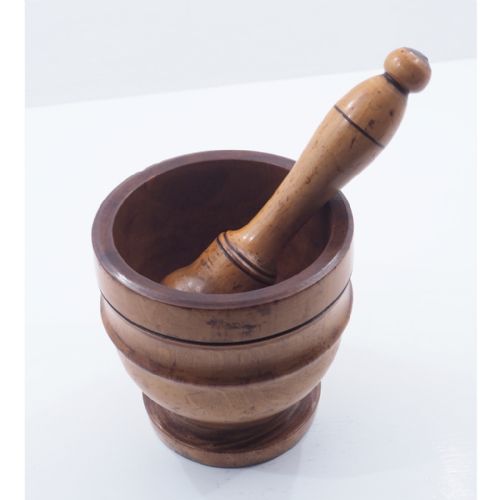
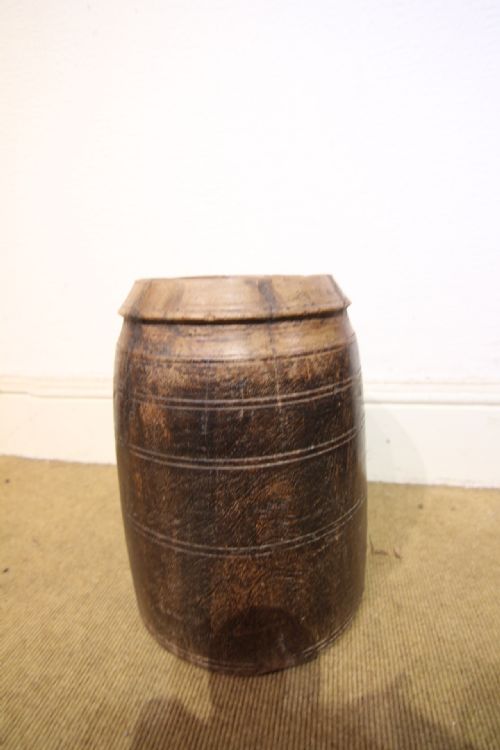


Rustic Turned Wooden Vessel
These rustic turned wooden vessel examples offer honest utility and warmth, bringing tactile, historic grain directly into modern spaces.
Rustic Turned Wooden Vessel
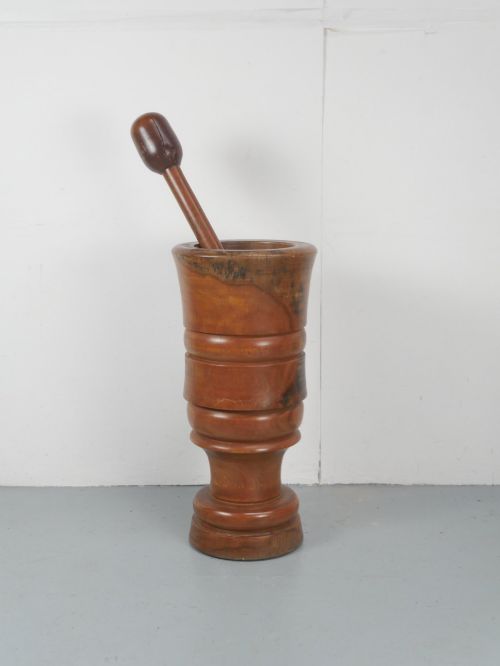
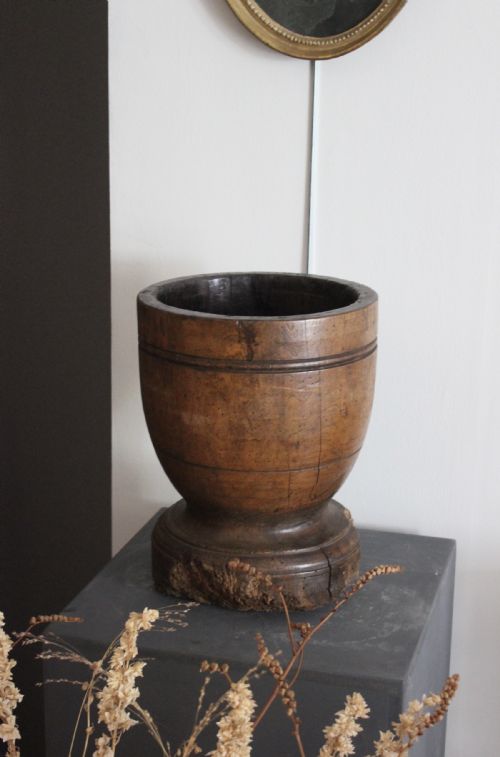
A rustic turned wooden vessel brings utilitarian heritage indoors, encompassing forms shaped for dairy work, grinding, and holding items on the lathe.
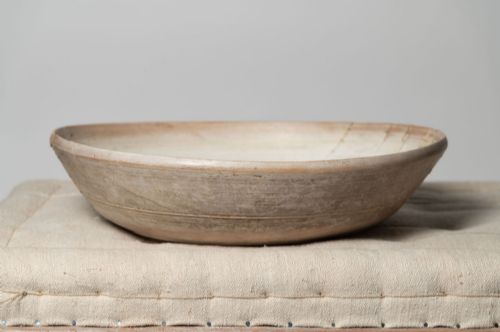
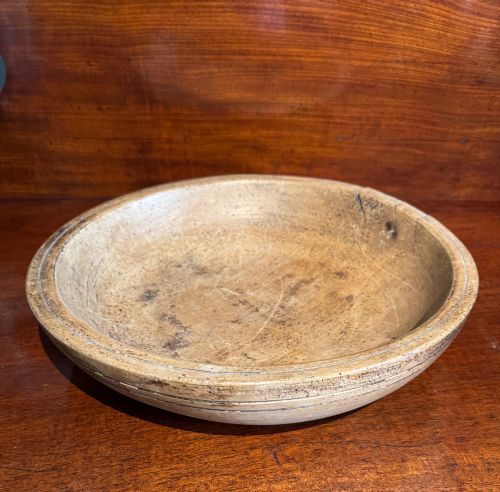
Buyers encountering this group will most frequently find sycamore dairy bowls from the nineteenth century alongside practical mortars and pestles.
The selection ranges from early Georgian treen pieces to later Scandinavian and French provincial country wares, spanning utilitarian bowls and spill holders.
How they were made
Craftsmen shaped these items using a lathe, working with domestic timbers like sycamore, fruitwood, and pine, as well as exotic olive wood.
Makers utilised green or seasoned wood to turn bowls, mortars, and churns, often leaving tool marks that reveal the hand-turning process.
Some utilitarian pieces incorporate natural fibre rope alongside turned wooden elements to create functional domestic objects.
Rustic Turned Wooden Vessel Retail Price Guide 2026
Typical asking prices for rustic turned wooden vessel among the pieces listed under this phrase on Sellingantiques today, from the lower quarter to the upper quarter. They describe what is for sale here now, not the wider market.
Listings feature items from the Georgian period through the nineteenth and early twentieth centuries, using sycamore, pine, olive wood, and fruitwood.
What varies in quality
Quality rests in the balance of the turned form and the depth of the natural patina accumulated through decades of domestic use.
A superior piece shows crisp lathe work and honest wear rather than excessive sanding or modern restoration that masks its history.
The Rustic Turned Wooden Vessel Glossary
- Treen
- Small handmade wooden objects for the home. These items were essential tools in historical domestic life.
- Dairy bowl
- A shallow vessel used historically for setting milk and skimming cream. They are typically turned from sycamore for its clean, pale grain.
- Mortar and pestle
- A heavy bowl paired with a club-shaped tool used for grinding substances. Examples appear in dense woods like olive wood and mahogany.
- Searce
- A fine strainer or sieve used in historical kitchens or apothecary work. This turned wooden form represents specialised utilitarian treen.
Rustic Turned Wooden Vessel: Frequently Asked Questions
What were these wooden vessels originally used for?
These items served daily domestic and agricultural purposes, functioning as dairy bowls for setting milk, mortars for grinding, and holders for spills.
Their robust construction allowed them to endure heavy work in rural kitchens, dairies, and shops before becoming decorative collector pieces.
How do I care for antique turned wood?
Keep wooden vessels away from direct heat sources and dramatic humidity changes to prevent the timber from splitting.
Feed the dry surface occasionally with a suitable natural wax or oil to preserve the historic patina without sealing the grain.
How can I tell the age of a turned vessel?
Dating relies on observing tool marks, timber choice, and the specific wear patterns left by decades of handling.
Nineteenth-century examples often display subtle lathe irregularities and warm patination that newer reproductions cannot replicate.
Are these bowls food safe?
Most antique pieces carry historical wear and dry finishes from centuries of storage rather than modern food-safe sealants.
It is generally wiser to display them dry or use them for holding non-perishable objects rather than active food preparation.