



Georgian Turned Oak Chairs
Georgian turned oak chairs offer honest country craftsmanship and robust timber structure that anchor a traditional interior.
Georgian Turned Oak Chairs
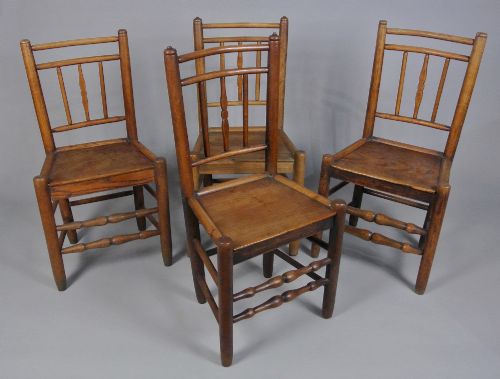
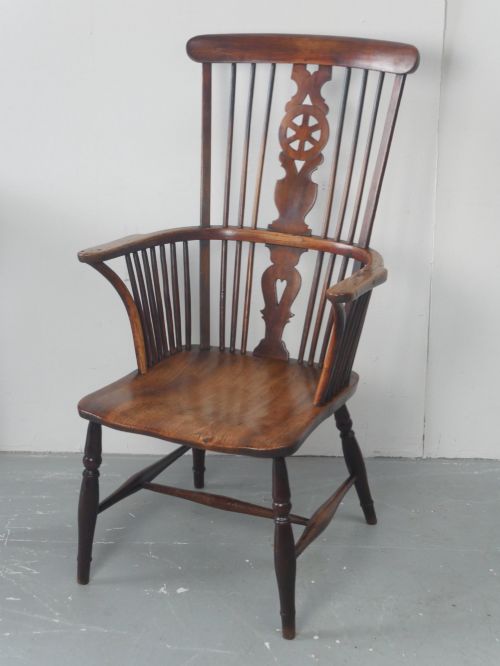
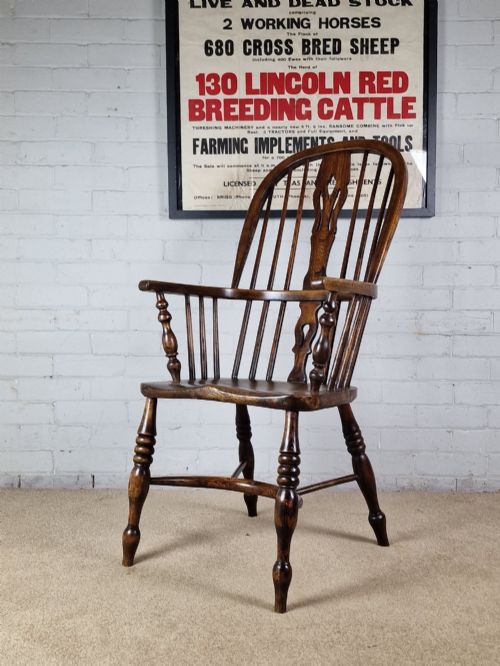
When you search for georgian turned oak chairs, you encounter sturdy vernacular seating shaped by provincial joiners using local hardwoods. The selection on this page centres on sturdy forms like bobbin-turned side chairs and robust armchairs originating from the eighteenth and nineteenth centuries.
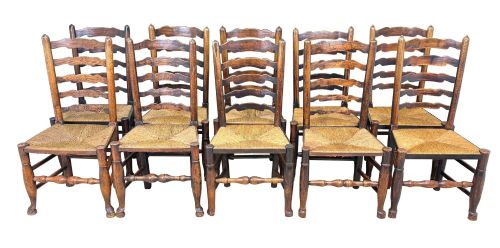
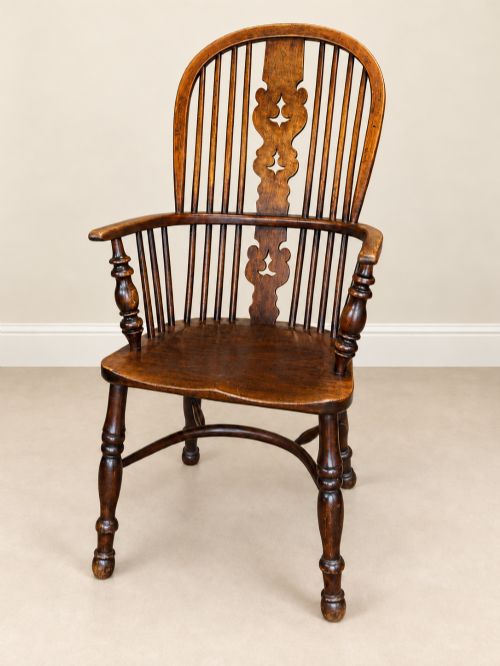
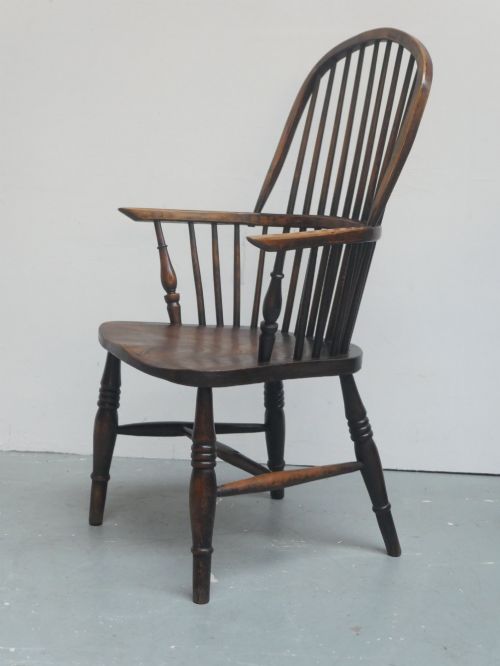
Makers utilised native timbers to construct dining chairs, Windsor armchairs, and ladderbacks designed for daily utility in farmhouses and cottages. Regional variations emerge clearly, from Yorkshire broad arms to Welsh stick chairs and Lincolnshire Windsors.
Many examples combine oak frames with elm, ash, or rush seats, demonstrating a pragmatic approach to material availability in rural workshops.
What varies in quality
Quality in these vernacular pieces rests upon timber selection and the integrity of the original turned elements. Uniformity in matching sets and the retention of timeworn surface patination elevate certain examples above standard utility seating.
Proportion and the clever integration of secondary woods like yew or beech demonstrate the maker's skill and local tradition.
Georgian Turned Oak Chairs Retail Price Guide 2026
Typical asking prices for georgian turned oak chairs among the pieces listed under this phrase on Sellingantiques today, from the lower quarter to the upper quarter. They describe what is for sale here now, not the wider market.
One particularly specific offering on this page is a polished oak cockfighting chair upholstered in dark red leather.
The Georgian Turned Oak Chairs Glossary
- Bobbin turning
- A form of lathe work producing a series of rounded spheres resembling bobbins along the length of a furniture leg or stretcher. This decorative technique appears frequently on mid-eighteenth-century frames.
- Windsor chair
- A rustic seat featuring spindles inserted into a solid wooden saddle-shaped seat, often topped with a bowed back. Regional styles vary by county, including Lincolnshire and Yorkshire variants.
- Rush seat
- A seating surface woven from dried marsh rushes wound around an internal frame. This traditional method provides a resilient and comfortable base for ladderback and corner chairs.
- Wainscot armchair
- A heavy wooden chair derived from panel-making carpentry traditions, typical of earlier periods. These formal seats often incorporate carved oak details and solid panelled backs.
Georgian Turned Oak Chairs: Frequently Asked Questions
How do I identify a genuine period Windsor chair?
Examine the construction joints and timber wear patterns to gauge authenticity. Genuine examples display hand-turned spindles and aged patination consistent with centuries of use.
Look for regional characteristics in the arm bow and leg placement that link the chair to specific English counties like Yorkshire or Lincolnshire.
Are rush seats durable for daily dining?
Rush seating withstands regular domestic use when kept dry and maintained properly. The twisted marsh plants offer surprising resilience and flexibility under weight.
Avoid placing these chairs in damp environments, which cause the natural fibres to weaken over time.
Can I mix different styles around a dining table?
Mixing vernacular seating styles creates a collected interior that reflects historical farmhouse usage. Country chairs were frequently made in small batches or matched together over time rather than purchased in strict uniform sets.
Keep seat heights and timber tones relatively balanced to maintain visual harmony around the table.