


Regional Country Furniture
Regional country furniture brings raw vernacular character indoors through honest local timbers and unpretentious domestic forms shaped by generations of rural makers.
Regional Country Furniture
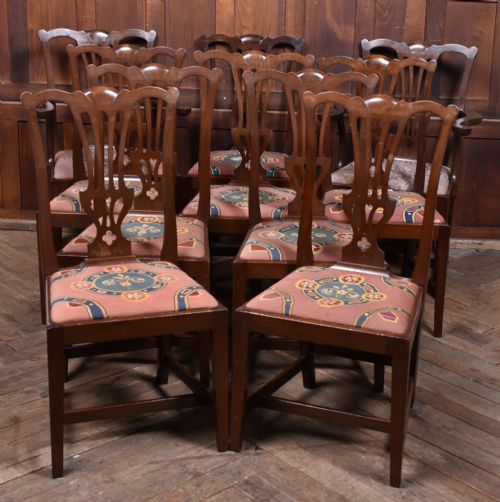
Regional country furniture encompasses unpretentious domestic pieces made by local craftspeople using native timbers suited to daily rural life. When you examine regional country furniture on this page, you encounter armchairs, dressers, cupboards, and chests spanning several centuries.
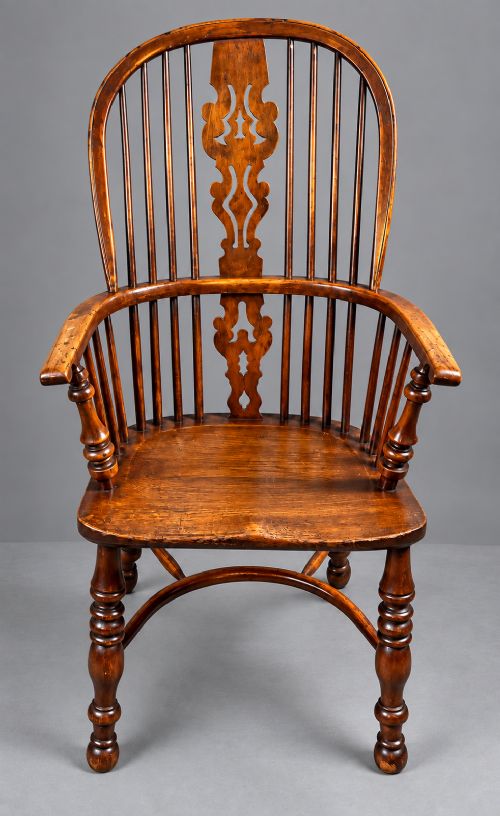
Survival depends on sturdy construction and practical forms like lambing chairs, grain arks, and Windsor armchairs designed for farmhouse kitchens and cottages. Each item carries the marks of vernacular traditions passed down through local workshops rather than metropolitan guilds.
Materials and Construction
Makers utilised native hardwoods such as oak, elm, yew, ash, and fruitwood, often combining multiple timbers within a single piece depending on structural demands. Seats and spindles frequently employ flexible woods like elm and ash, while frames rely on sturdy oak or fruitwood.
Construction techniques include traditional Windsor framing, pegging, and spindle-turning executed with straightforward hand tools in regional workshops. Rush seating, iron hardware, and brass details appear where required for practical use and everyday longevity.
Listings span from the seventeenth century through the Edwardian era, incorporating materials like iron, brass, rush, and multiple native hardwoods.
Evaluating Quality and Character
Quality rests upon the integrity of the original timber selection and the retention of honest surface patination accumulated through generations of use. Master makers balanced robust structural framing with careful shaping of spindles, arms, and crest rails.
The degree of untouched preservation and the clarity of regional vernacular traits distinguish exceptional examples from altered or heavily restored items. Retaining original surfaces, fixings, and timber combinations marks the highest standard of these rural survivals.
Wheelers of Arncroach·Gabbitass of Worksop·John Moss Worksop
The Regional Country Furniture Glossary
- Lambing chair
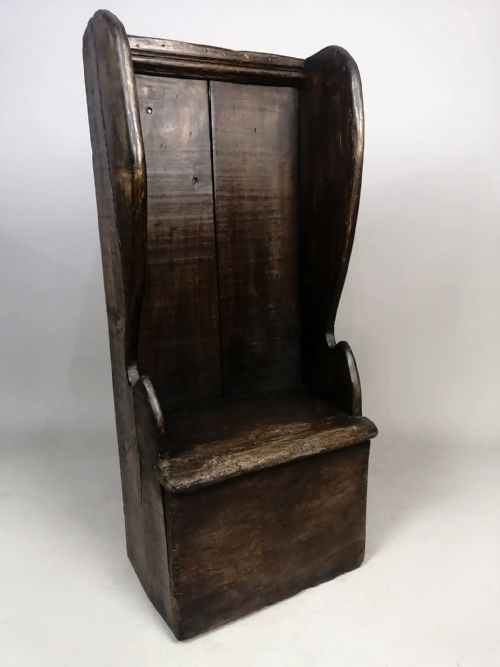
- An enclosed high-backed armchair designed to shield the sitter from draughts, often featuring a solid lower panel and a small side pocket.
- Windsor chair
- A chair constructed with a solid wooden seat into which the legs, back spindles, and bow are separately inserted.
- Vernacular
- Architecture and furniture built by local craftspeople using traditional local methods and materials to meet immediate practical needs.
- Potboard dresser
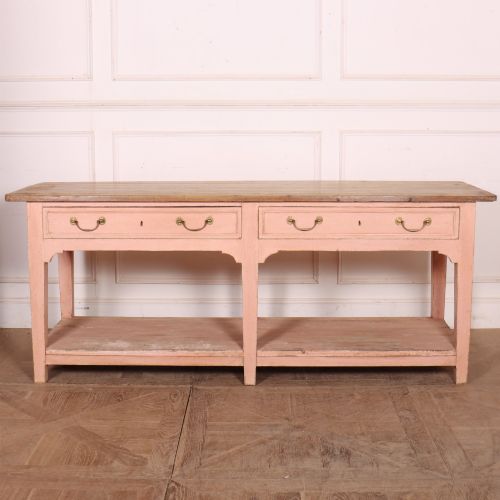
- A kitchen storage base featuring an open lower shelf traditionally used for storing pots and pans.
- Spindleback
- A chair back constructed with a series of turned vertical wooden rods or spindles between the top rail and seat.
Regional Country Furniture: Frequently Asked Questions
What is a lambing chair?
A lambing chair is a traditional wooden armchair featuring high panelled sides and a hooded back designed to keep out household draughts.
These pieces were commonly placed near hearths in rural farmhouses and cottages for warmth and comfort during cold weather.
How do I identify a Windsor chair?
A Windsor chair is distinguished by its heavy solid wooden seat, which acts as the central anchor for all the legs and back components.
Instead of a continuous frame, individual turned spindles and bowed supports are wedged directly into bored holes within the seat plank.
Where does regional country furniture originate?
These pieces originate from rural workshops across Britain and continental Europe, reflecting local timber supplies and specific domestic traditions.
Maker communities in places like the Thames Valley, Snowdonia, and rural France developed distinct styles suited to their local environment.
How should I care for old oak furniture?
Care involves keeping the wood away from direct heat sources and sudden humidity changes that can cause timber to split or warp.
Applying occasional natural wax helps nourish dry surfaces and maintains the historic patination accumulated over centuries of domestic use.