
Georgian Turned Column Table
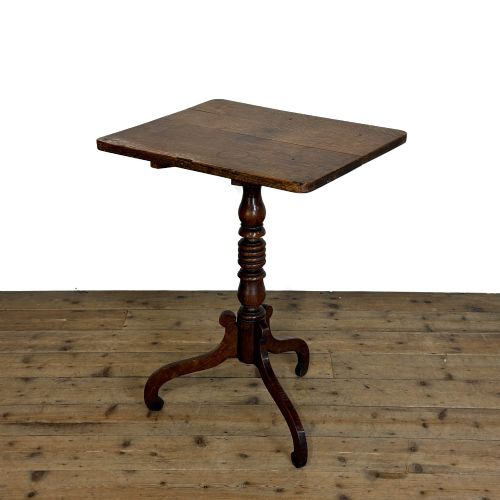
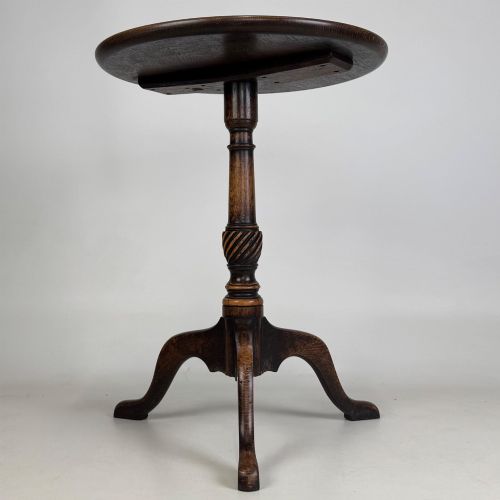
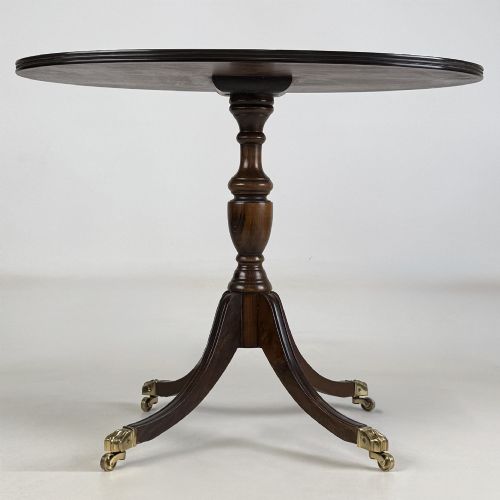
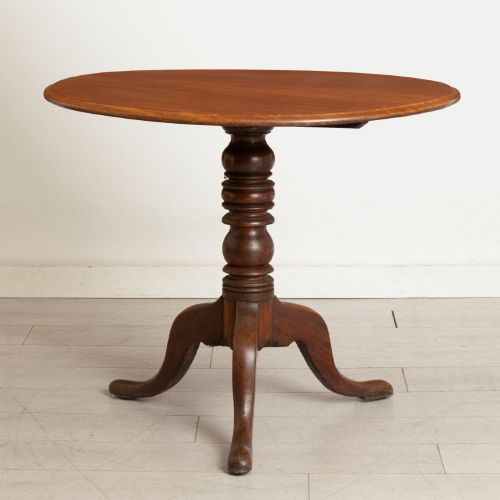
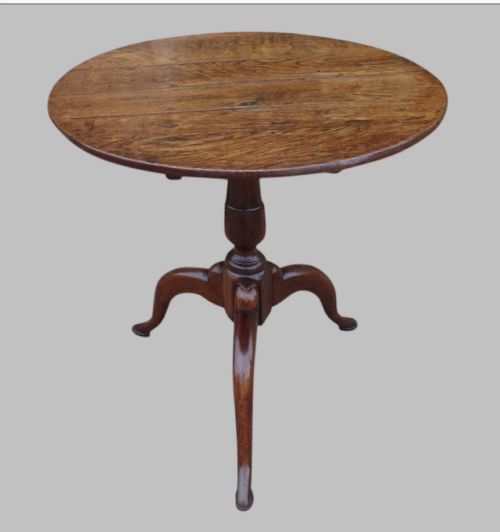
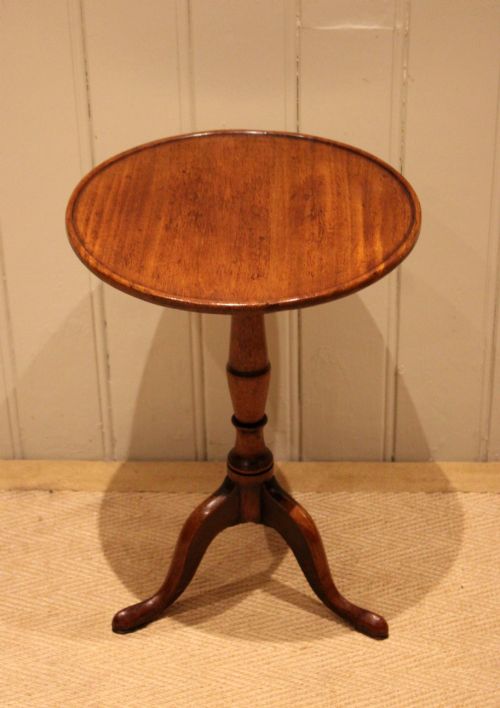
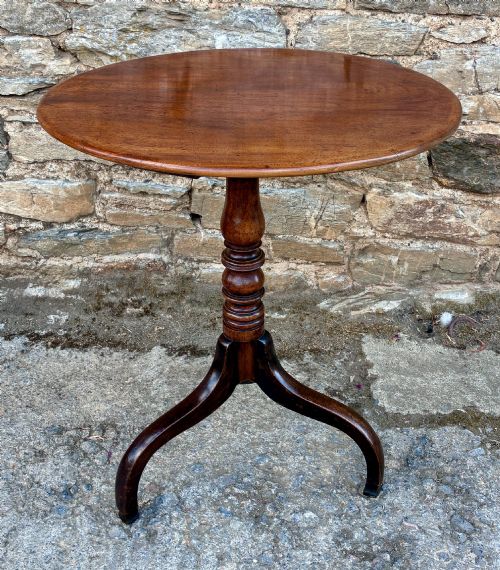
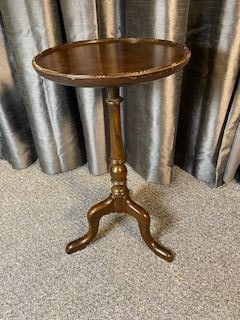
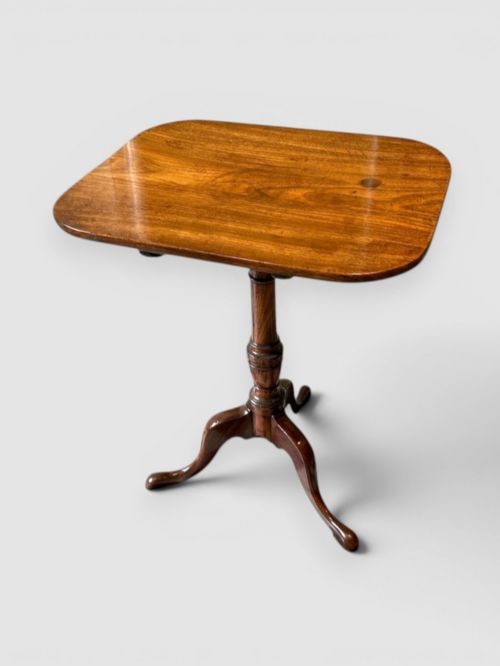
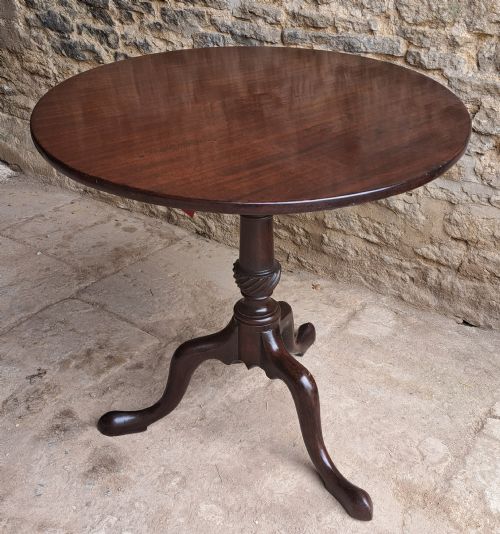
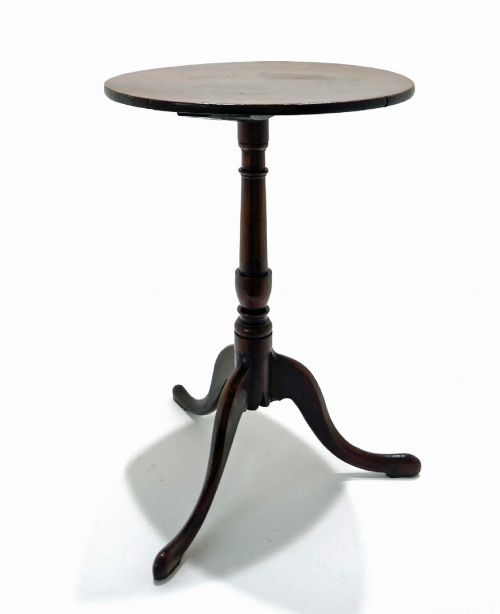
A georgian turned column table brings compact timber utility to a room, resting on a slender pillar above three splayed legs.
Georgian Turned Column Table
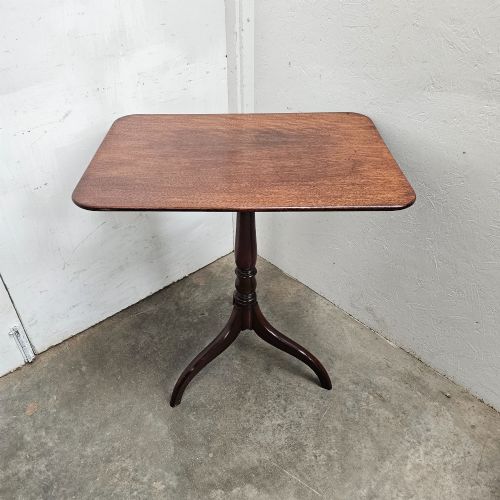
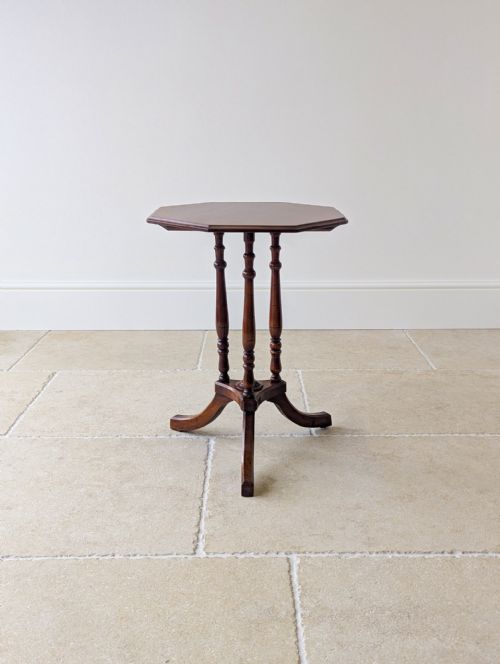
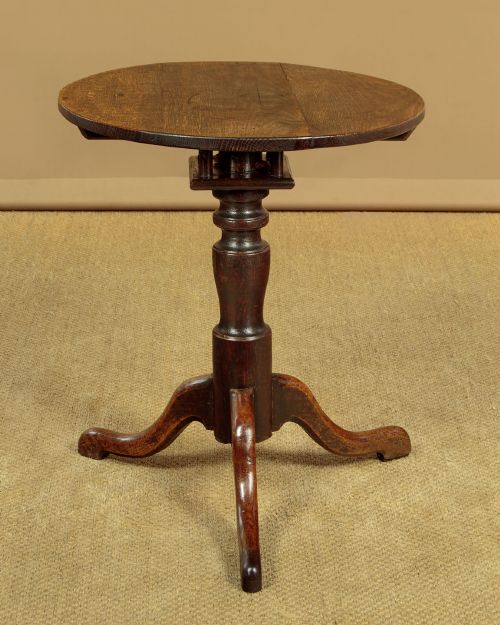
When you search for a georgian turned column table, you encounter small timber stands designed for portable tasks like serving wine, holding candles or supporting lamps. The most common format on this page is the tripod table, featuring a circular or rectangular top mounted on a central turned pillar.
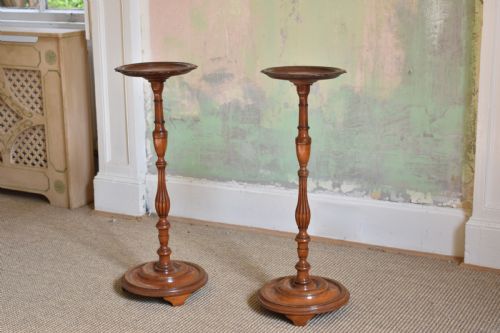
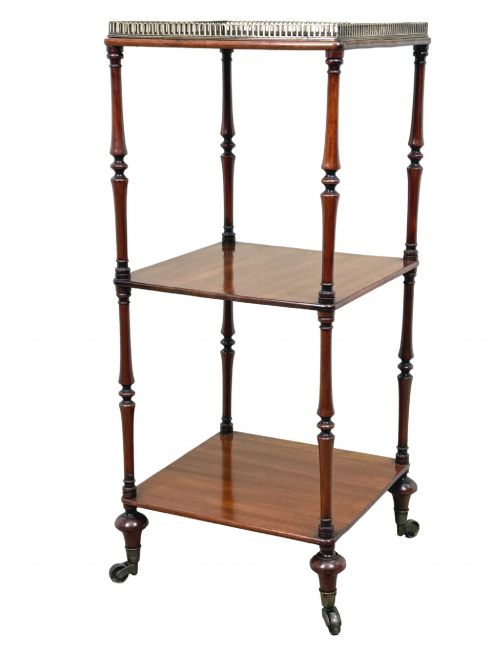
Makers produced these pieces across the eighteenth and nineteenth centuries, spanning George III, Regency, and later revival periods. Alongside standard tripod wine tables and occasional tables, the listings include related small forms such as etageres, whatnots, and occasional lamp tables in oak, mahogany, and yew.
How they were made
Cabinetmakers constructed these tables primarily from dense timbers such as mahogany and oak, occasionally incorporating yew, satinwood, and burr oak veneer for decorative surfaces. The central columns were shaped on a lathe to create turned profiles, while tripod bases relied on pegged or dovetailed joints to secure the three splayed legs.
Many examples feature tilting mechanisms that allowed the top to fold flat against the column when not in use, saving floor space in smaller rooms. Joiners also applied boxwood stringing and inlay to enrich the top surfaces of finer Regency and Georgian pieces.
Georgian Turned Column Table Retail Price Guide 2026
Typical asking prices for georgian turned column table among the pieces listed under this phrase on Sellingantiques today, from the lower quarter to the upper quarter. They describe what is for sale here now, not the wider market.
Tilt-top tables spent much of their historic lives hiding flat against walls like polite wooden ghosts.
What varies in quality
The sophistication of the timber figure and the crispness of the column turning distinguish standard utilitarian examples from finer pieces. Cabinetmakers who selected richly grained mahogany or figured yew created a more striking visual impact than those using plain domestic oak.
Proportion and stability define the upper tier of these tables, where the legs balance the weight of the top without heavy reinforcement. Refined execution in the turning of the pillar and neatness in the tilt-top mechanism indicate greater workshop skill.
The Georgian Turned Column Table Glossary
- Tilt top
- A tabletop mounted on a catch mechanism that allows the surface to pivot vertically. This feature enabled the table to be stored against a wall when not in use.
- Tripod table
- A small freestanding table supported by a single central pillar resting on three legs. This design prevented wobbling on uneven floors.
- Wine table
- A small occasional table designed to hold glasses and a bottle during evening gatherings. They frequently feature circular tops and portable proportions.
- Whatnot
- A set of open shelves supported by slender pillars, used for displaying small objects. These pieces emerged during the Regency period.
- Etagere
- A movable display stand with multiple tiers for ornaments or books. They share similar lightweight proportions with the smaller tables on this page.
Georgian Turned Column Table: Frequently Asked Questions
What were these tables used for?
These small tables served practical daily functions in domestic interiors, holding candles, lamps, or wine glasses during social hours. Their portable nature allowed servants to move them easily around the room as needed.
Over time, owners repurposed them as bedside stands or decorative display surfaces for ceramics and small ornaments. Their compact footprint made them adaptable to various corners of a historic home.
How do I spot a tilt top?
A tilt top incorporates a wooden or brass catch beneath the surface that releases the tabletop to pivot upright. This mechanism allowed the table to fold flat against a wall when floor space was required.
When lowered, the top rests securely on a birdcage or block fixed to the top of the turned column. Examining the underside reveals the pivot pins and wooden latches that enabled this movement.
How do I distinguish oak from mahogany?
Oak displays a distinct grain with open pores and visible medullary rays, often showing a warm honey or brown tone. It appears frequently in earlier vernacular pieces from the mid eighteenth century.
Mahogany has a tighter, smoother reddish brown grain that darkens gracefully with age. Cabinetmakers favoured it for finer formal tables produced during the Georgian and Regency periods.
Where should I place one at home?
A turned column table fits naturally beside an armchair or sofa to hold a reading lamp or small beverage. Its slender silhouette prevents it from overwhelming narrow hallways or compact reception rooms.
Because many examples feature tilting tops, you can also display the figured timber surface flat against a wall as an ornamental feature when the table is not in active use.