




Georgian Tin Glazed Pottery
Georgian tin glazed pottery brings eighteenth-century earthenware decorated in blue and white or fresh polychrome pigments straight to your table.

Georgian Tin Glazed Pottery
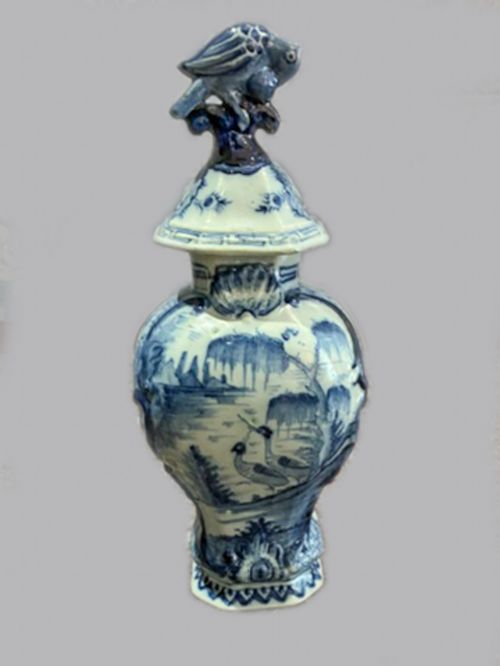
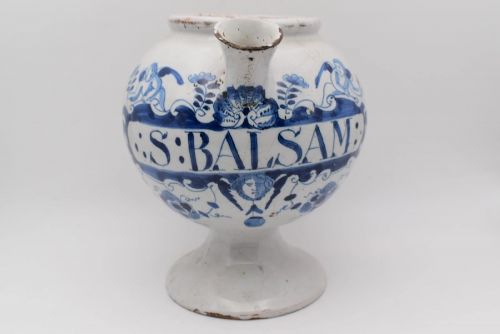
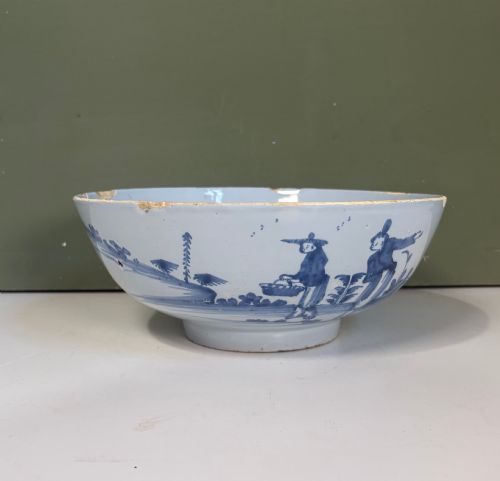
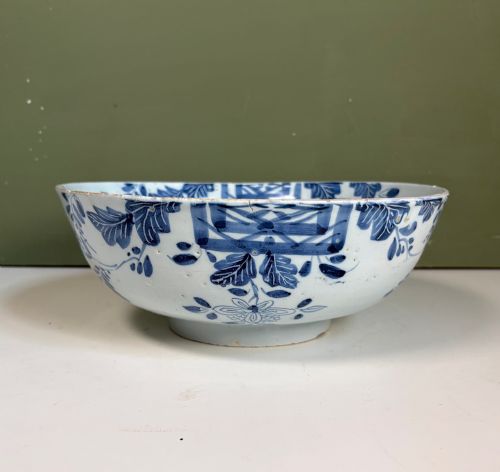
When you search for Georgian tin glazed pottery, you encounter seventeenth and eighteenth-century earthenware forms including plates, chargers, bowls, vases, and apothecary jars. English and Dutch production dominates the pieces available here, spanning Bristol, Lambeth, and continental workshops.
The objects take domestic and display roles, ranging from small salt cellars and inkwells to large chargers and decorative plaques. Hand-painted Chinoiserie scenes, Watteau subjects, and blue and white or polychrome palettes recur across the various bowls and dishes.
How they were made
Potters shaped earthenware bodies and coated them in an opaque tin glaze that provided a smooth white ground for painting. Cobalt oxide and various polychrome pigments were then applied directly to the raw glaze before firing.
Makers utilised traditional hand-painting techniques for floral, landscape, and figural designs, resulting in individual brushwork on every charger, plate, and jar.
Georgian Tin Glazed Pottery Retail Price Guide 2026
Typical asking prices for georgian tin glazed pottery among the pieces listed under this phrase on Sellingantiques today, from the lower quarter to the upper quarter. They describe what is for sale here now, not the wider market.
Partridge-tureens with covers remind us that Georgian dining tables occasionally liked to look back at the bird before eating it.
What varies in quality
Quality rests upon the crispness of the hand-painted brushwork and the stability of the tin glaze over the earthenware body. Pieces with fluid, confident cobalt or polychrome decoration and minimal glaze disruption command greater attention from collectors.
The ambition of the form also shapes the standard, distinguishing standard domestic plates from large chargers, apothecary jars, and lidded vases.
The Georgian Tin Glazed Pottery Glossary
- Tin-Glazed Earthenware
- Pottery coated in a lead glaze rendered opaque by the addition of tin oxide. This creates the characteristic white surface used for subsequent painted decoration.
- Delftware
- Earthenware made in England, Holland, or elsewhere in Europe, finished with a white tin glaze. The term covers both blue and white and polychrome wares.
- Chinoiserie
- European decorative motifs inspired by Chinese art and design. Painters frequently applied these fanciful scenes to plates and chargers.
- Polychrome
- Decoration employing multiple colours rather than a single pigment. On these earthenwares, it typically involves greens, yellows, reds, and blues.
- Charger
- A large ornamental or serving plate intended for display on a wall or dresser rather than everyday table use.
Georgian Tin Glazed Pottery: Frequently Asked Questions
What is tin glazed pottery?
Tin glazed pottery is earthenware covered in a white glaze made opaque with tin oxide. This surface serves as a canvas for hand-painted cobalt and polychrome designs.
Potters across England and the Netherlands utilised this technique throughout the eighteenth century to create plates, chargers, and apothecary jars.
How do I care for my pottery?
These fragile earthenware pieces require careful handling and display away from direct moisture and heat. Gentle dusting with a dry cloth keeps the surface clean without risking the historic glaze.
Avoid washing them in dishwashers or submerging them in water, as the porous body and tin glaze can absorb moisture over time.
Where were these pieces made?
The objects originate primarily from English centres such as Lambeth and Bristol, alongside Dutch workshops producing traditional Delftware. Continental factories like Alcora also contributed similar tin-glazed faience.
Trade and migration of potters ensured shared styles across the North Sea region during the Georgian era.
How can I date a piece?
Dating relies on stylistic clues, palette shifts, and changes in the earthenware body and tin glaze over the eighteenth century. Early examples often feature distinct cobalt blue painting, while later items incorporate varied polychrome pigments.
Maker marks are seldom present, so comparison with dated apothecary jars, plates, and chargers provides the primary guide.