

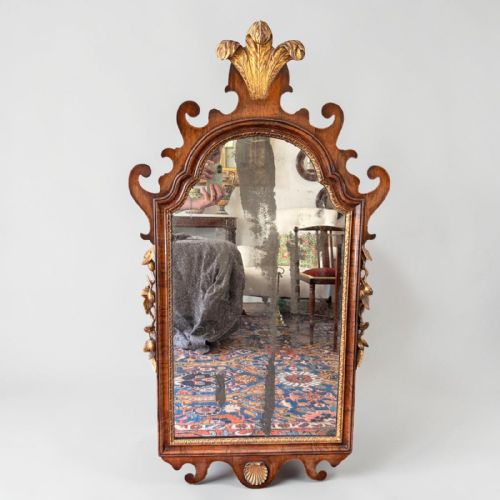


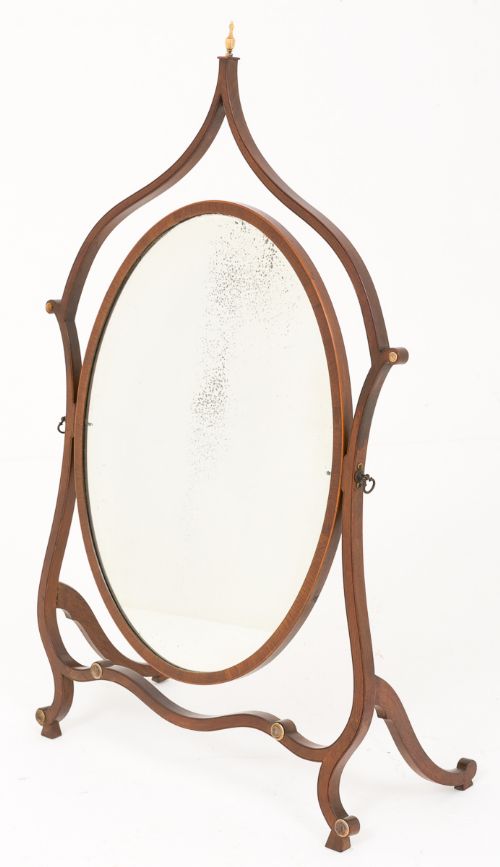


Georgian Timber Mirror
A georgian timber mirror brings warmth and character to a room through rich natural grain and centuries of craftsmanship.
Georgian Timber Mirror
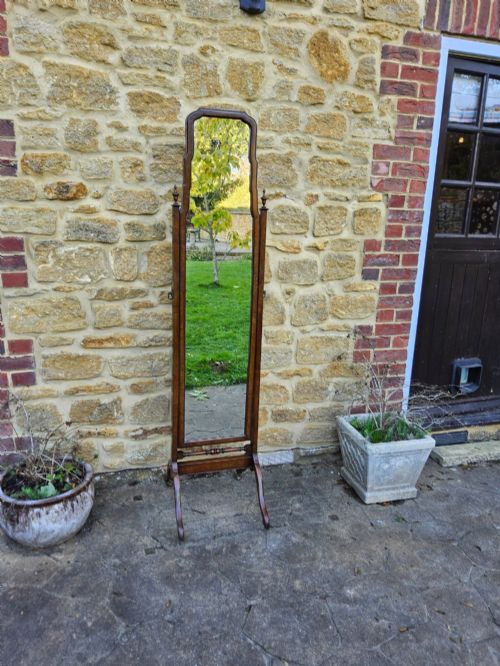
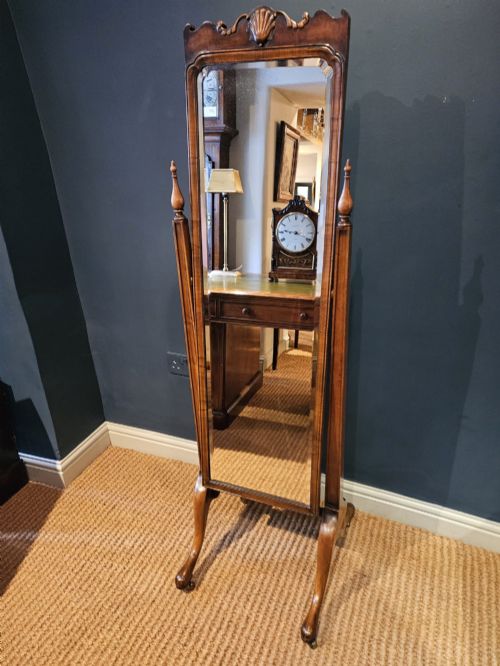
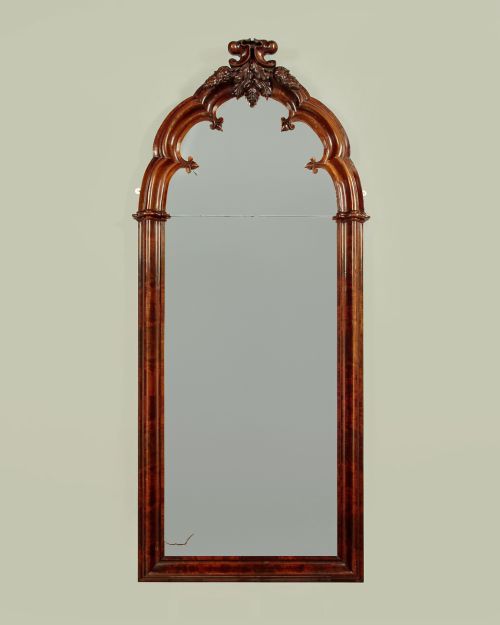
A georgian timber mirror forms a distinct focal point in a traditional interior, combining functional reflective glass with decorative wooden framing. These pieces range from simple wall-hanging designs to freestanding cheval mirrors and elaborate pier mirrors intended for placement between windows.
The selections span several eras and stylistic revivals, with Georgian, Regency, and Victorian interpretations appearing alongside Edwardian examples. Buyers frequently encounter mahogany and walnut frames, often enhanced with marquetry inlay or giltwood detailing.
How they were made
Frames are constructed from dense hardwoods such as mahogany, walnut, and satinwood, frequently chosen for their attractive grain patterns and stability. Craftsmen utilised intricate techniques including fretwork, marquetry inlay, and carved giltwood accents to elevate the visual appeal of the timber.
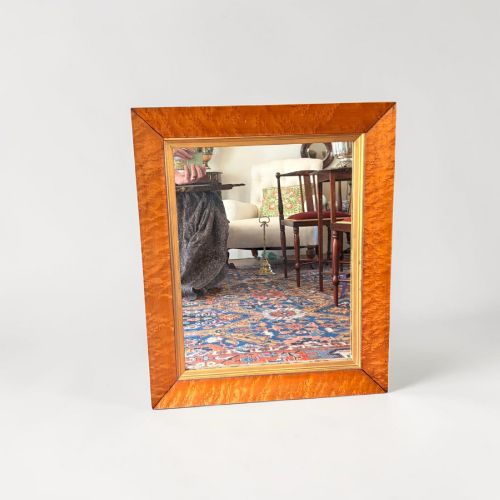
Mirrors incorporated standard glass plates of the period, sometimes fitted into double-sided hand mirrors or large cheval frames mounted on pivots. Secondary materials such as brass fittings and birds-eye maple veneer add textural contrast to the primary timber structures.
Georgian Timber Mirror Retail Price Guide 2026
Typical asking prices for georgian timber mirror among the pieces listed under this phrase on Sellingantiques today, from the lower quarter to the upper quarter. They describe what is for sale here now, not the wider market.
What varies in quality
Quality rests upon the selection of the timber and the crispness of the carving or inlay work executed on the frame. Superior examples display thoughtful grain matching and well-preserved surface patination that develops naturally over decades of existence.
The integrity of the construction and the originality of the mirror glass and backing boards significantly influence the standing of a piece. Finer items retain their original decorative flourishes, such as giltwood highlights and brass hardware, without modern reconstruction.
The Georgian Timber Mirror Glossary
- Cheval mirror
- A full-length freestanding mirror suspended on a vertical frame with pivots allowing it to tilt. These pieces became popular dressing furniture in bedrooms and dressing rooms.
- Pier mirror
- A tall mirror designed specifically to hang on the wall space between two windows. They often sat above a pier table to reflect additional light into darker rooms.
- Fretwork
- Thin wood cut into decorative openwork patterns using a fretsaw. This technique creates lightweight, intricate geometric or scroll designs on mirror frames.
- Marquetry
- Decorative veneer work arranged in pictorial or geometric patterns using various coloured woods. Craftsmen applied these thin wood pieces to the primary surface of the furniture.
- Giltwood
- Timber that has been coated with a thin layer of gold leaf or gold paint. It frequently highlights carved details on Georgian and Regency frames.
Georgian Timber Mirror: Frequently Asked Questions
Where should I hang a wall mirror?
Wall mirrors work best opposite windows to maximise natural light and create a sense of expanded space in smaller rooms. Placing them above mantelpieces or console tables establishes a natural visual centre.
Ensure the wall fixings match the weight of the timber frame and securely anchor into solid masonry or wall studs for safety.
How do I clean an antique timber frame?
Dust the wood regularly with a soft, dry lint-free cloth to prevent dirt build-up within the carved details and grain. Avoid modern silicone polishes that can attract dust and damage the historic surface finish.
Feed the timber occasionally with a quality beeswax to maintain the moisture and lustre of the antique wood.
Can I replace the mirror glass?
Original mirror glass often exhibits foxing, silver loss, and minor distortions that contribute to the authentic character of an antique piece. Collectors generally prefer retaining original glass plates whenever possible.
If the glass is dangerously compromised, a glazier can cut a replacement, though this changes the untouched historic appeal of the mirror.