
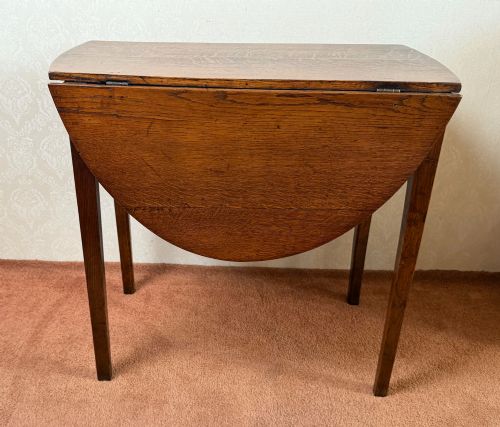
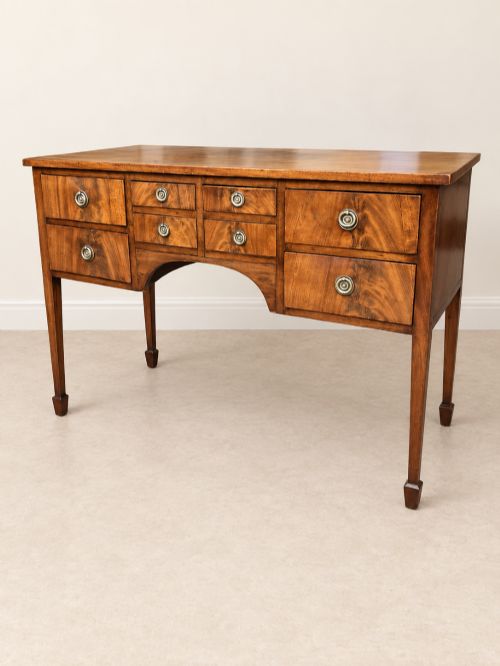
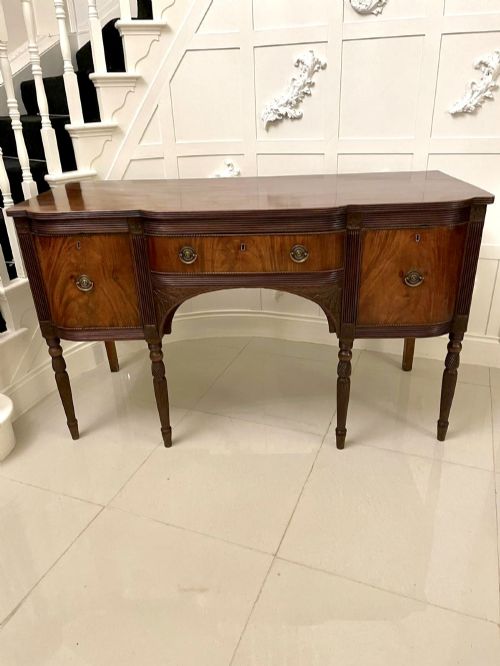
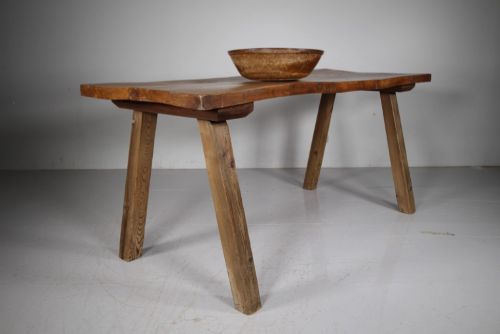
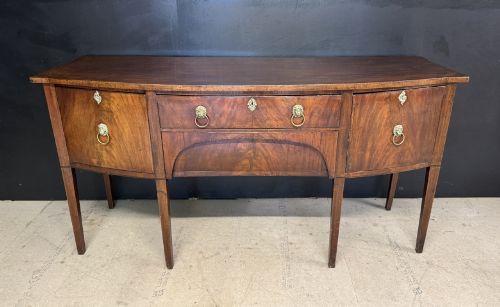
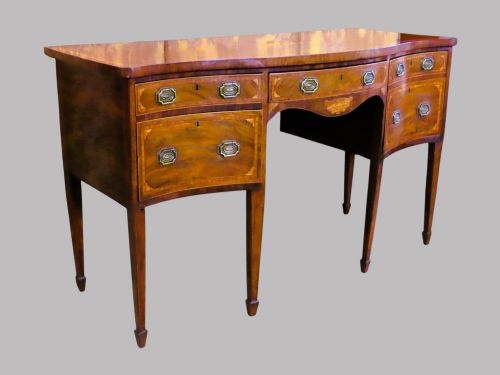
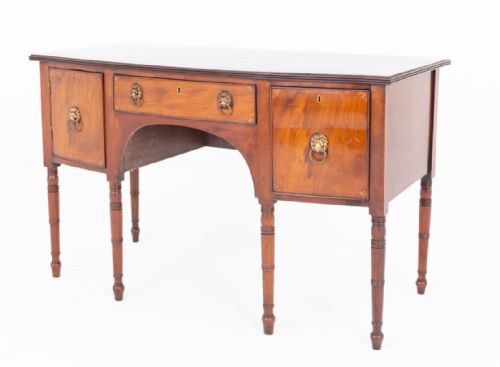
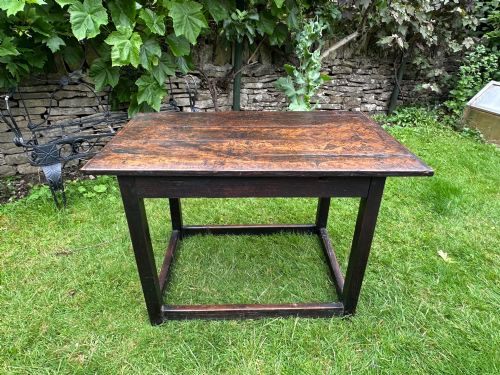
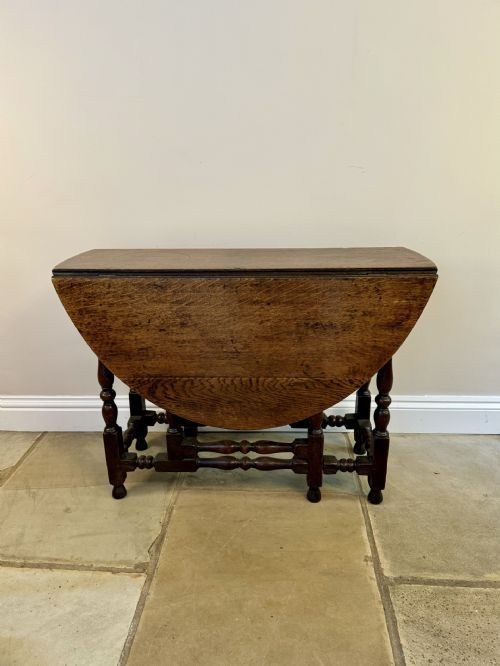
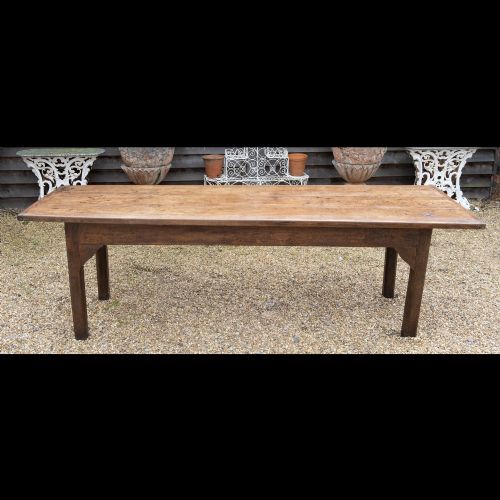


Georgian Timber Dining Table
A georgian timber dining table offers robust construction and rich figured mahogany, bringing enduring utility and traditional character to domestic dining.
Georgian Timber Dining Table
A georgian timber dining table encompasses extended formats, twin pedestals, and plank top tables designed for gathering. Pieces span the eighteenth century, the Georgian era proper, and early nineteenth century revivals.
Buyers encounter sturdy oak farmhouses tables alongside finely polished mahogany pedestal and drop leaf variants. These forms reflect both country vernacular utility and formal dining room requirements.
Proportions range from compact breakfast tables to fourteen seater extending versions with multiple reeded legs. Originating across British workshops, they serve central domestic functions with distinct historical timber patination.
Materials and construction
Cabinet makers utilised solid mahogany, flame mahogany veneer, oak, walnut, and elm. Surfaces frequently incorporate boxwood inlay, boxwood stringing, and satinwood details.
Structural integrity relies on heavy timber planks, sturdy pedestals, and drop leaf mechanisms. Secondary elements feature brass fittings and subtle burr elm accents.
Listings feature periods spanning from seventeen hundred through the nineteenth century, utilising mahogany, oak, walnut, elm, and satinwood.
Assessing the execution
Quality rests on timber selection, such as heavily figured mahogany or thick oak planking, coupled with precise boxwood inlay. Superior examples display balanced proportions across pedestals and well executed reeded legs.
Joinery execution distinguishes everyday utility from exceptional workshop output. The crispness of carved details and the depth of polished patination define the upper tier of surviving examples.
Gillow·The Woodworkers Ltd Kilkenny
The Georgian Timber Dining Table Glossary
- Pedestal
- A central support column holding the tabletop, often dividing into multiple reeded legs for stability. Twin pedestal variants allow flexible extension.
- Drop leaf
- A table design featuring hinged flaps that lower or rise to adjust surface area. This mechanism enabled efficient space usage in period rooms.
- Flame mahogany
- A veneer cut from timber fork sections to create a distinctive flickering flame pattern. Cabinet makers prized this figure for principal surfaces.
- Boxwood stringing
- Thin inlaid lines of contrasting light timber used to outline panels and drawers. It adds linear definition to dark mahogany furniture.
- Plank top
- A solid wooden surface constructed from broad boards joined edge to edge. Common on earlier oak farmhouse tables.
Georgian Timber Dining Table: Frequently Asked Questions
How do I date a timber dining table?
Examine the timber species, construction joints, and leg profiles. Eighteenth century examples often feature heavy oak planks or early mahogany framing.
Later pieces from the nineteenth century show refined pedestals, reeded legs, or veneer applications characteristic of the Regency period.
Are these tables suitable for daily use?
Solid mahogany and oak tables offer robust surfaces built for regular dining. Their durable timber construction handles everyday domestic activity reliably.
Careful placement away from direct heat sources helps preserve the polished finish and natural wood movement over time.
What is the difference between pillar and pedestal tables?
Pedestal tables utilise a central column support, sometimes split into twin or triple pedestals to bear large extending table tops. Pillar formats typically describe smaller single support breakfast or centre tables.
Both configurations provide leg clearance around the perimeter compared to traditional four leg dining formats.
How do I care for antique mahogany finishes?
Maintain the surface using traditional beeswax and soft cotton cloths to nourish the timber grain. Avoid modern silicone sprays that build up residue and dull the historic patination.
Use coasters and protective mats beneath hot dishes or liquids to prevent moisture marking the polished veneer.