
Georgian Three Legged Table
A georgian three legged table brings sturdy timber and practical proportion into a room, offering genuine period charm.
Georgian Three Legged Table
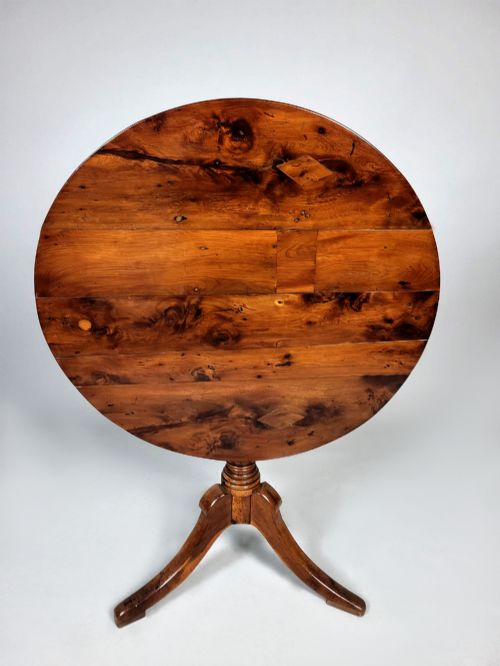
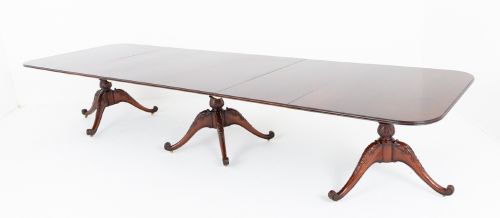
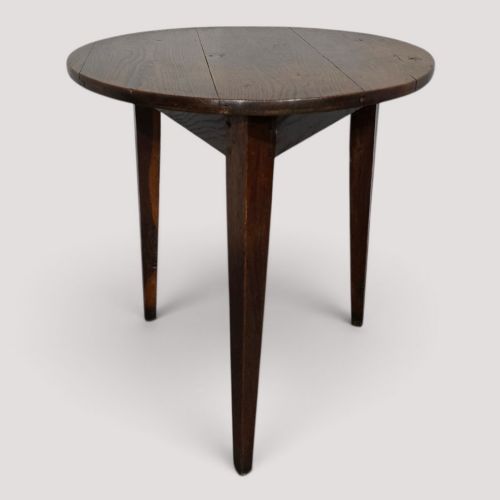
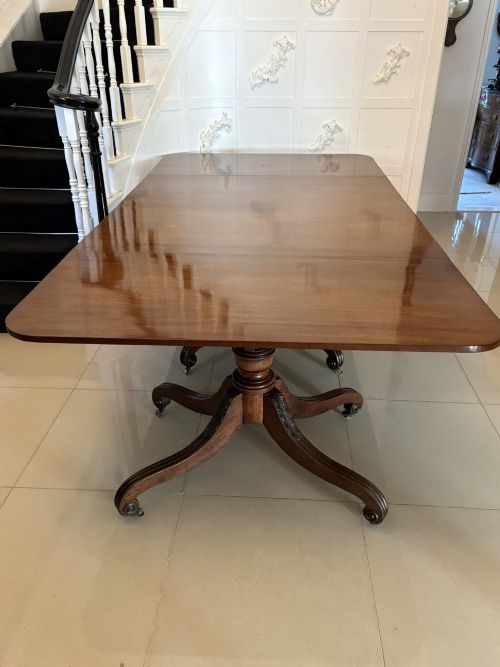
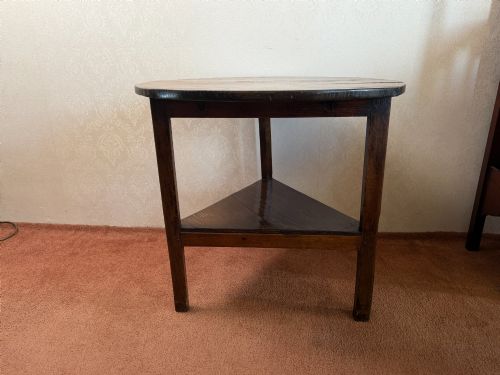
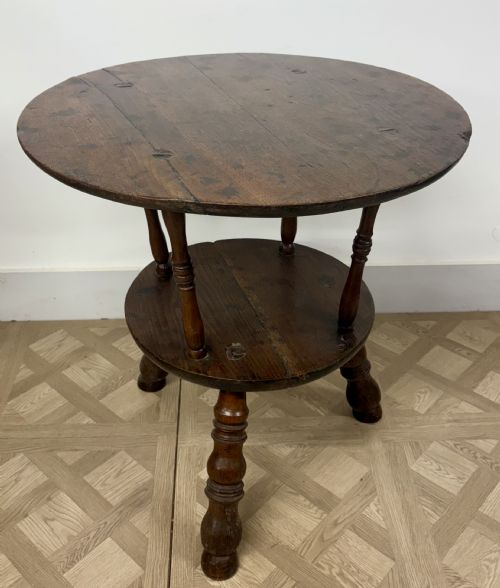
A georgian three legged table typically appears as a cricket table, wine table, or tripod dining piece originating from the eighteenth or nineteenth century. These forms reflect everyday domestic use in English country houses and smaller parlours where three-legged balancing offered stability on uneven floors.
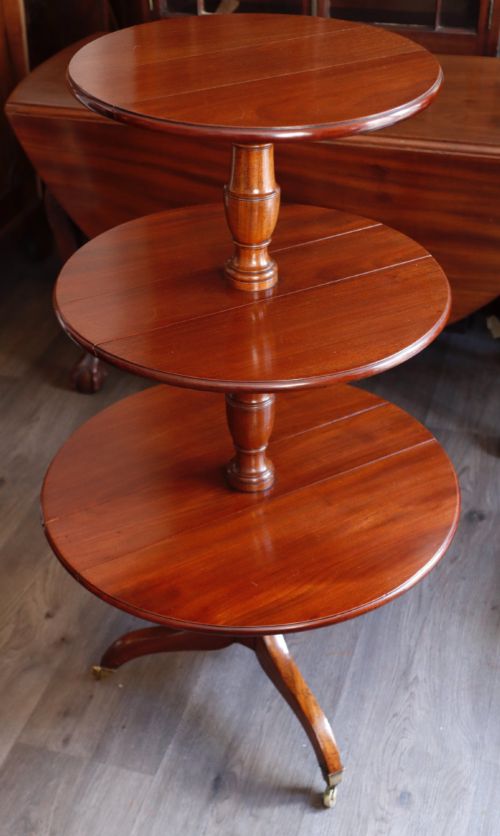
The materials span native timbers such as oak, elm, ash, and yew alongside finer imported woods like mahogany and walnut. Buyers meet rustic plank-top cricket tables with trefoil tops alongside polished mahogany wine tables featuring turned pedestals.
Makers ranged from rural country joiners working with local ash and elm to skilled urban cabinet makers handling figured mahogany and walnut. The selection moves between vernacular simplicity and refined Georgian style.
Assessing Quality
Quality rests in the selection of timber and the integrity of the original joints rather than mere decorative carving. Pieces displaying well-figured mahogany or dense, mature oak with matching grain sit at the top of the range.
Proportion and stability separate standard utility pieces from superior examples. A well-balanced base and untouched surface patina indicate superior craftsmanship and careful preservation.
Listings feature periods from the Georgian era through the Edwardian period, alongside twentieth-century revivals.
The Georgian Three Legged Table Glossary
- Cricket table
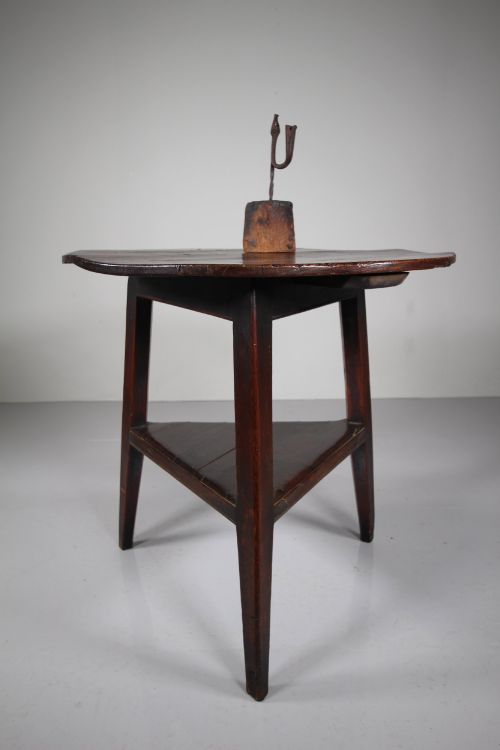
- An English vernacular table featuring three legs, typically made of oak, elm, or ash, designed for stability on uneven floors. These tables often display round plank tops.
- Wine table
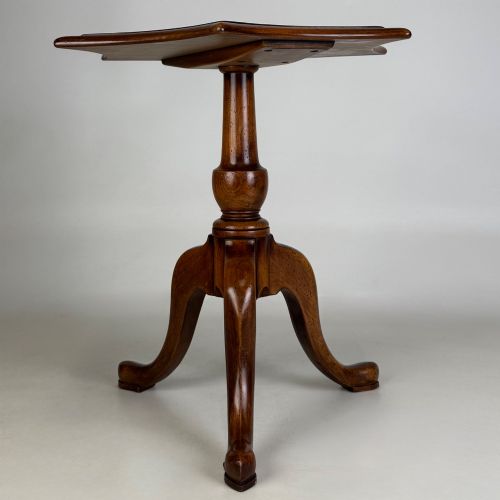
- A small occasional table with a single central pillar and three feet, used for holding glasses or bottles during the Georgian period. They frequently feature turned mahogany columns.
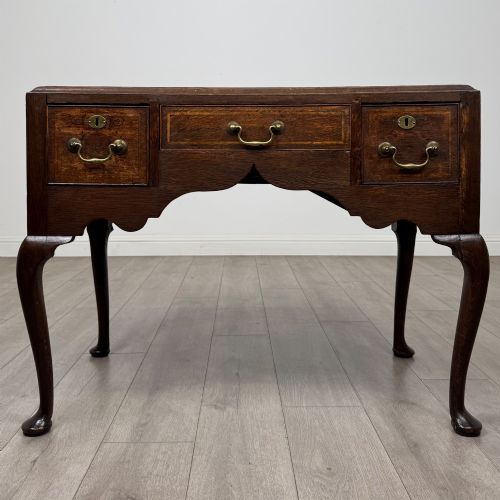
- Lowboy
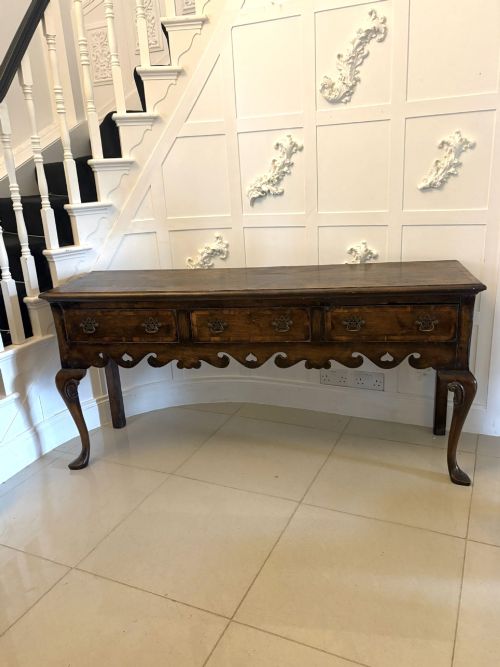
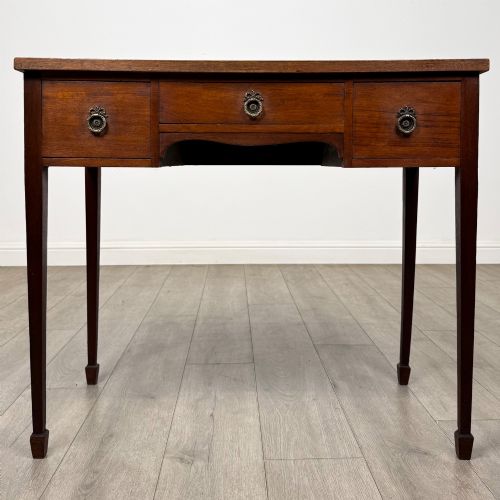
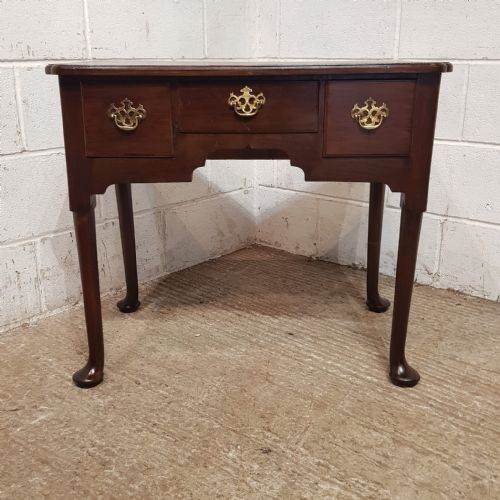
- A small side table with drawers, standing on four or sometimes fewer prominent legs, used as a dressing table or writing surface in the eighteenth century. They are commonly constructed from oak or walnut.
- Tripod base
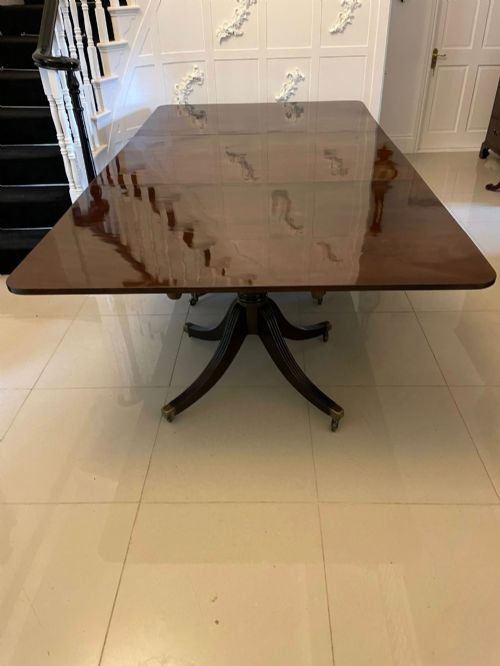
- A support structure utilising three feet radiating from a central column to ensure stability. This design appears frequently on dining tables and wine tables from the Georgian and Regency eras.
- Yew wood
- A dense, highly figured native timber prized by cabinet makers for its rich colour and distinctive grain. It appears on select eighteenth-century tables.
Georgian Three Legged Table: Frequently Asked Questions
What is a cricket table?
A cricket table is a traditional three-legged English table usually constructed from oak, elm, or ash. Their design provided steady footing on uneven stone floors in early homes.
These pieces served various practical purposes in the household, from bedside use to holding small lamps or drinks.
How do I date a Georgian table?
Dating relies on examining the timber species, joinery methods, and hardware present on the piece. Eighteenth-century examples often show hand-cut peg joints and native woods like oak and elm.
Later revival pieces from the twentieth century utilise different secondary woods and machine-cut elements that distinguish them from period originals.
Where should I place a wine table?
A wine table suits placement beside an armchair or sofa to hold small items like books or cups. Their compact three-legged footprint allows them to fit into tight corners without crowding a room.
Avoid placing them in direct sunlight or near heat sources to protect the polished mahogany or walnut surfaces.
Are these tables sturdy?
Three-legged tables provide natural stability on uneven floors because all three feet remain in constant contact with the ground. This structural advantage made them popular in country houses.
Properly maintained joints ensure these pieces remain robust for everyday use in modern settings.