



Georgian Tea Caddy Accessories
Georgian tea caddy accessories are the small spoons, boxes and barrels used to dispense and store precious leaf, offering tactile links to historic domestic rituals.
Georgian Tea Caddy Accessories
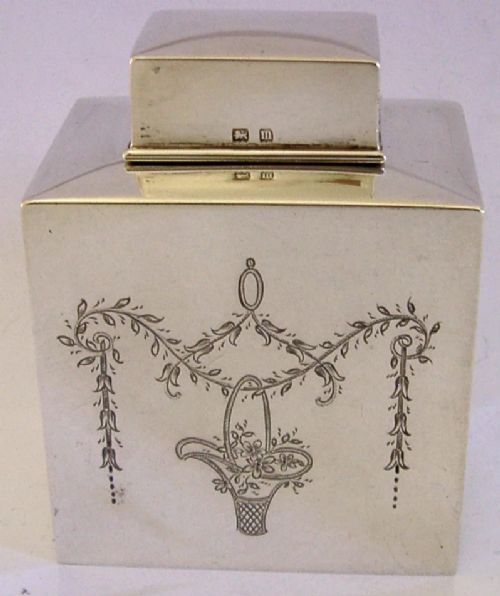
When you search for georgian tea caddy accessories, you encounter small sterling silver spoons alongside mahogany boxes and brass-bound barrels. These items served the tea table during the eighteenth and nineteenth centuries, when tea was a costly commodity stored under lock and key.
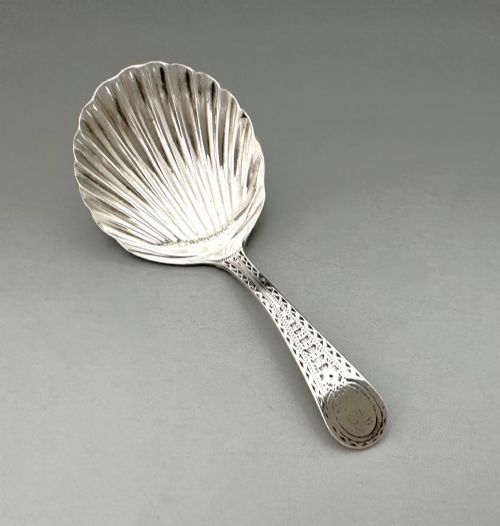
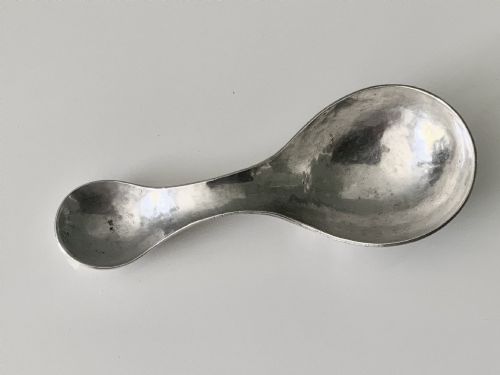
The most common survivors on this page are silver caddy spoons, often bearing the hallmarks of the Georgian and Regency periods. Alongside these smaller implements, larger containers appear in timber and brass, reflecting the broader accoutrements required for tea preparation.
The selection bridges several eras, stretching from eighteenth-century examples to later twentieth-century pieces, while maintaining a strong core of Georgian and Regency craftsmanship. Each form reveals how households managed and displayed their dry goods.
Materials and construction
Silversmiths shaped metal into caddy spoons using techniques such as double striking, which imparted raised patterns and rigidity to the small bowls and handles. Sterling silver provided a durable, lustrous surface capable of withstanding daily handling during tea service.
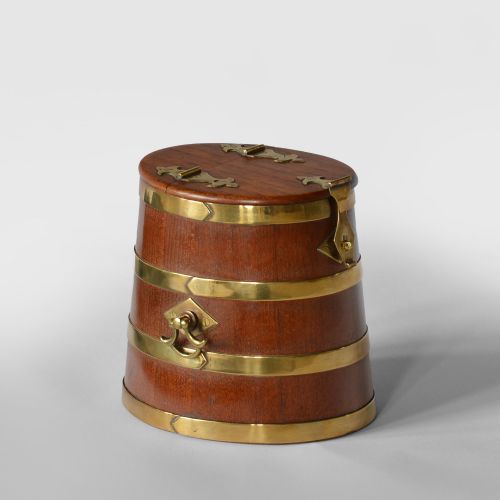
Cabinetmakers utilised mahogany for boxes and incorporated marquetry inlay and star motifs to decorate the timber surfaces. Coopered construction, visible in brass-bound miniature barrels, relied on curved staves held tightly by metal hoops.
One miniature barrel manages to combine tea service accessories with naval rum storage in a single coopered wooden vessel.
Distinctions in quality
The sophistication of the metalwork or woodwork largely determines the standing of a piece within its category. Crispness in double-struck silver handles and precision in wood inlay distinguish finer items from simpler utilitarian equivalents.
Material choice also dictates quality, with solid sterling silver and figured mahogany representing the higher tier of production compared to basic brass or secondary woods.
Zimmermann
The Georgian Tea Caddy Accessories Glossary
- Caddy spoon
- A small utensil specifically designed for measuring loose tea leaves from a caddy into a teapot. These spoons frequently feature shallow bowls and short handles.
- Sterling silver
- An alloy containing ninety-two point five percent silver by mass, standard for quality British plate and cutlery across the Georgian era.
- Marquetry inlay
- Decorative woodwork where small pieces of contrasting veneer are fitted into a primary panel to create geometric or pictorial designs.
- Coopered
- A method of construction using curved wooden staves joined together side by side to form cylindrical containers like barrels or buckets.
- Double struck
- A minting or stamping process where a die strikes the metal twice to produce sharper, deeper relief on the pattern.
Georgian Tea Caddy Accessories: Frequently Asked Questions
How were tea caddies used?
Tea caddies served as secure containers for black and green teas, which were expensive and heavily taxed commodities. Servants or homeowners kept the containers locked to control consumption.
The accessories inside, such as spoons and small mixing bowls, helped portion out the leaf before brewing at the table.
How do I identify a Georgian piece?
Identification relies on examining hallmarks on silver items, which indicate the assay office, date letter and maker's mark. Stylistic clues like neoclassical motifs or Regency curves also point to the period.
Timber items require checking construction methods, such as dovetailing and timber choice, to align with eighteenth-century workshop practices.
Can I use these spoons daily?
These antique silver spoons remain sturdy enough for gentle daily use, though hand washing is essential to preserve their finish. Many collectors prefer to display them alongside other silver or tea wares.
Their historical nature means avoiding abrasive cleaners and harsh modern dishwashers.